Overview

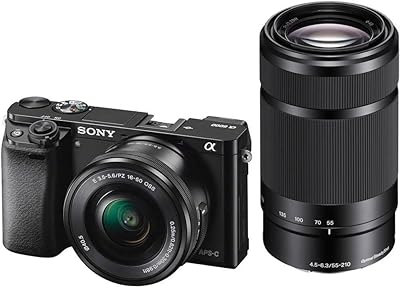
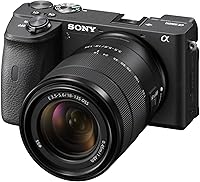
The Sony Alpha A6600 18-135mm Mirrorless Camera sits at the top of Sony's APS-C lineup, pairing their most capable crop-sensor body with a genuinely useful all-in-one zoom. This isn't a beginner's camera dressed up in premium packaging — it targets enthusiast photographers who want serious performance without committing to full-frame size or weight. Compared to older a6000-series bodies, the jump in autofocus intelligence and battery capacity is substantial. The body stays compact enough to slip into a small bag, yet the grip is noticeably deeper and more secure. That said, the single card slot and absence of weather sealing are real limitations worth knowing before buying.
Features & Benefits

What sets the a6600 apart in everyday shooting is its real-time Eye AF, which locks onto a subject's eye almost instantly and tracks reliably through movement — a genuine advantage for portrait and candid work. The 5-axis in-body stabilization handles handheld video impressively, keeping footage steady even at the long end of the 18-135mm lens. That kit lens is a convenience zoom: sharp in the center and serviceable across the range, though wide-open corners can soften. The sensor holds up well in mixed light, and clean 4K output with 1080p slow-motion covers most video needs. Battery life, finally, is no longer a weak point for Sony APS-C shooters.

Best For

This Sony APS-C kit makes the most sense for enthusiast photographers stepping up from entry-level bodies — people who've outgrown their camera's autofocus but aren't ready to carry a full-frame system. Travel and street shooters will appreciate one lens that covers wide cityscapes through to compressed telephoto frames without extra glass. Hybrid creators will find the combination of IBIS and Eye AF hard to match at this size. Wildlife hobbyists shooting fast action at 11fps with real-time tracking will get a lot from this body. It's less suited to studio or professional workflows where dual card slots and weather resistance are non-negotiable.

User Feedback

Owners of this mirrorless combo consistently praise two things above all else: autofocus accuracy and how rarely they run out of battery mid-session. The deeper grip over older a6000 bodies earns positive mentions too, though button placement still divides opinion — some find the rear layout intuitive, others spend weeks hunting for controls. The 18-135mm lens earns respect for its reach and convenience but gets flagged by detail-focused buyers for soft corners at wider apertures. The single card slot frustrates anyone shooting professionally or traveling without backup media. Sony's layered menu system is a persistent complaint from newcomers. Long-term reliability reports are generally solid, with few hardware issues among verified purchasers.

Pros

  • Real-time Eye AF locks on and holds focus reliably even through fast, erratic movement.
  • Five-axis in-body stabilization makes a noticeable difference for handheld video and low-light stills.
  • Battery life is a genuine strong point — one charge comfortably covers a full day of active shooting.
  • The 18-135mm lens offers an impressively wide focal range without needing to carry extra glass.
  • Clean 4K output via Micro-HDMI makes the a6600 a capable choice for external recorder setups.
  • The deeper grip compared to older a6000-series bodies dramatically improves handling comfort.
  • 1080p slow-motion at up to 120fps gives videographers smooth footage for dynamic content.
  • Microphone and headphone ports make the a6600 a practical option for serious video audio monitoring.
  • The APS-C sensor handles high-ISO shooting well enough for indoor and evening use without heavy noise.
  • Bluetooth and Wi-Fi connectivity allow fast image transfer and remote control via smartphone.

Cons

  • A single memory card slot is a real risk for travel shooters or anyone who cannot afford to lose files.
  • 4K video is capped at 30fps, which limits high-resolution slow-motion options for video-focused buyers.
  • Sony's menu system remains layered and unintuitive, with a steep learning curve for new users.
  • The 18-135mm kit lens softens noticeably toward the corners wide open, which bothers detail-focused photographers.
  • No weather sealing means this mirrorless combo needs extra caution in rain, dust, or humid environments.
  • The electronic viewfinder magnification is modest, making manual focus confirmation less precise than ideal.
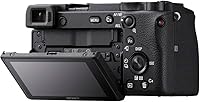
  • Button layout on the rear panel is cramped and frequently criticized for accidental presses during shooting.
  • UHS-I card compatibility limits write speeds compared to cameras that support faster UHS-II media.
  • There is no built-in flash, requiring an additional accessory for users who need on-camera fill light.
  • The kit lens maximum aperture narrows significantly at the telephoto end, reducing versatility in dim conditions.

Ratings

The scores below reflect an AI-driven analysis of verified global user reviews for the Sony Alpha A6600 18-135mm Mirrorless Camera, with spam, bot activity, and incentivized feedback actively filtered out before any scoring was applied. Real-world impressions from travel photographers, content creators, and enthusiast shooters across multiple markets were weighted to surface genuine consensus. Both the standout strengths and the recurring frustrations are transparently reflected in every category score.

Autofocus Performance
94%
Verified owners consistently describe the Eye AF as the single biggest reason they chose this kit over competing APS-C systems. In fast-moving scenarios — kids at birthday parties, dogs running at the beach — the tracking holds on with a reliability that previously required far more expensive hardware.
Animal eye tracking occasionally loses its lock when the subject is partially obscured or backlit, which frustrates wildlife photographers working in dappled forest light. A small number of users also report occasional hunting in very low-contrast scenes.
Image Quality
88%
The 24.2-megapixel sensor produces files with strong detail and pleasing color rendition straight out of camera, and RAW files hold up well when shadow recovery is needed in post. Most users shooting travel and street work find the output competitive with cameras costing considerably more.
At the upper reaches of the expanded ISO range, noise becomes objectionable enough that significant noise reduction is required, which softens fine detail. Dynamic range, while solid, does not quite match what some full-frame sensors in adjacent price brackets can deliver.
In-Body Stabilization
91%
The 5-axis SteadyShot INSIDE is one of the most praised aspects of this mirrorless combo across user feedback globally, particularly among videographers shooting handheld b-roll in tight spaces. Walking shots that would have required a gimbal with older bodies are frequently described as usable straight from this camera.
At the extreme telephoto end of the 18-135mm lens, stabilization effectiveness does reduce noticeably, and users shooting above 100mm handheld still report some residual motion blur at slower shutter speeds. It does not fully replace a gimbal for smooth cinematic movement.
Video Capability
79%
21%
Clean 4K output with working autofocus and IBIS simultaneously active is something many users coming from older crop-sensor bodies found genuinely impressive in day-to-day vlogging and documentary-style work. The headphone monitoring port and microphone input together make this a practical choice for solo video creators.
The hard cap at 4K 30fps is a meaningful limitation for videographers who want slow-motion at high resolution, and this comes up consistently in user feedback from creators comparing it to newer competitors. Overheating during extended 4K sessions in warm environments has also been reported by a subset of users.
Battery Life
89%
This is one area where the a6600 genuinely surprised longtime Sony APS-C users, who were accustomed to carrying three or four batteries just to get through a day. Most reviewers shooting a full wedding, event, or travel day report finishing with charge to spare, which was almost unheard of on previous Sony crop-sensor bodies.
Heavy 4K video recording drains the battery considerably faster than the rated shot count suggests, and users who mix stills and extended video sessions often find themselves reaching for a spare by late afternoon. The battery charges slowly over USB compared to a dedicated wall charger.
Kit Lens Quality
72%
28%
The 18-135mm zoom earns genuine appreciation from travel shooters who want one lens that covers a wide cafe scene in the morning and a compressed street portrait in the afternoon without swapping glass. Center sharpness across most of the range is respectable, and the built-in optical stabilization pairs well with the body's IBIS.
Corner softness wide open is a recurring complaint from users who compared the lens against Sony prime alternatives, and at the long end the narrowing maximum aperture limits usefulness in indoor or low-light situations. Distortion at the wide end, while correctable in post, is visible enough to bother architectural photographers.
Ergonomics & Handling
76%
24%
The deeper grip compared to older a6000-series bodies is widely appreciated, with many users noting it makes the camera feel much more secure during long shooting sessions. The tilting touchscreen is practical for low-angle shooting and selfie-style vlogging when angled fully forward.
The rear button layout is cramped and frequently criticized for accidental button presses, especially when shooting with gloves in colder climates. Several users also note the touchscreen implementation in menus feels inconsistent — touch works for some functions but not others.
Menu System
58%
42%
Once users invest the time to learn the menu layout and set up custom buttons to their preference, most report that day-to-day operation becomes fluid enough that they rarely need to dig through menus during a shoot.
The initial learning curve is steep and consistently flagged as a frustration point, particularly by users coming from Canon or Fujifilm systems where menu logic feels more intuitive. Settings are spread across multiple nested layers in ways that feel arbitrary even to experienced Sony users.
Build Quality
67%
33%
The body feels solid in hand and the materials do not have the plasticky flex that some entry-level mirrorless bodies exhibit. Long-term reliability reports from verified purchasers are generally positive, with few reports of hardware failures under normal shooting conditions.
The absence of weather sealing is a significant drawback that comes up regularly in user feedback, especially from buyers who only discovered this limitation after purchasing. The camera body feels noticeably less robust than Sony's higher-tier full-frame bodies at a similar price point.
Memory & Storage
47%
53%
The single UHS-I card slot is functional for casual and enthusiast shooting, and for most everyday users who are not working in a professional capacity, it handles the job without issue.
A single card slot is the most polarizing hardware decision on this camera, and it comes up as a dealbreaker in a meaningful portion of negative reviews from travel and event shooters who cannot risk losing files. The UHS-I speed ceiling also means write speeds lag behind cameras with UHS-II support, which can cause brief buffer slowdowns during extended burst shooting in RAW.
Connectivity
83%
Built-in Bluetooth and Wi-Fi allow for fast image transfer to a smartphone and remote camera control via Sony's Imaging Edge app, which most users find genuinely useful for travel photography and remote triggering. USB charging in-body is a convenience that frequent travelers consistently mention positively.
The Micro-HDMI port is a slightly dated choice that requires a fragile cable type, and users who work frequently with external monitors report occasional anxiety about port wear over time. The Sony Imaging Edge app itself receives mixed reviews for stability depending on the mobile operating system version.
Viewfinder
74%
26%
The electronic viewfinder is bright and responsive enough for general use, and outdoor shooters who struggle to see the rear LCD in direct sunlight find it a practical fallback during bright conditions.
At 0.70x magnification, the viewfinder is on the smaller side compared to what full-frame mirrorless cameras offer, and users who shoot with manual focus lenses note it makes precise focus confirmation more difficult. A minority of users also report eye strain during extended viewfinder use.
Value for Money
71%
29%
For buyers who will fully exploit the autofocus system, IBIS, and video capabilities, the a6600 with the 18-135mm lens represents a genuinely comprehensive kit that covers a wide range of shooting scenarios without additional lens purchases.
The premium pricing sits uncomfortably close to entry-level full-frame options, and users who are primarily stills photographers may feel they are paying partly for video and AF features they do not fully use. The single card slot and lack of weather sealing feel like hard-to-justify omissions at this price tier.
Size & Portability
86%
Despite the capable hardware inside, the overall kit remains light enough for all-day carry, and travel photographers regularly highlight how it fits into a small shoulder bag or even a large jacket pocket without the 18-135mm attached. The weight balance with the kit lens is comfortable for extended handheld sessions.
With the 18-135mm lens mounted, the combination is front-heavy and can feel awkward during very long shoots without a neck strap or wrist strap for support. Users with smaller hands occasionally note that the lens diameter makes one-handed operation feel less secure than with a smaller prime attached.

Suitable for:

The Sony Alpha A6600 18-135mm Mirrorless Camera is a strong match for enthusiast photographers who have hit the ceiling of their entry-level gear and want genuinely capable autofocus without the bulk or cost of a full-frame system. Travel photographers in particular will appreciate carrying a single versatile lens that covers everything from wide street scenes to compressed distant subjects — one bag, one kit, no compromises on focal range. Content creators and hybrid shooters who need reliable stabilized 4K footage alongside sharp stills will find the combination of in-body stabilization and real-time Eye AF hard to match at this size. Sports and wildlife hobbyists shooting fast, unpredictable subjects stand to gain from the fast continuous shooting rate paired with intelligent subject tracking. If you are already invested in the Sony E-mount ecosystem, this body fits naturally into an existing lens collection.
Not suitable for:

Photographers who shoot professionally or in conditions where data redundancy matters should look elsewhere — the a6600 carries only a single memory card slot, which is a genuine liability when losing footage or images is not an option. Those who prioritize weather sealing for outdoor or rainy-day work will find the body's build a limitation, as it lacks the environmental protection found on higher-tier systems. Videographers who need 4K at 60 frames per second will also run into a wall here, since the camera tops out at 30fps in 4K — a real constraint for smooth slow-motion work at high resolution. Studio photographers accustomed to complex multi-card workflows or tethered shooting setups may find this mirrorless combo underpowered for their needs. Finally, buyers hoping the included 18-135mm lens will match the output of dedicated prime lenses in edge sharpness or low-light aperture will be disappointed — it is a convenience zoom, not a specialist tool.

Specifications

  • Sensor: The camera uses a 24.2-megapixel APS-C Exmor CMOS sensor paired with a front-end LSI for faster data readout and improved noise handling.
  • Processor: Sony's BIONZ X image processor handles everything from noise reduction to real-time subject tracking with minimal shutter lag.
  • Autofocus: A 425-point phase-detect and contrast-detect hybrid AF system covers roughly 84% of the frame, with real-time Eye AF for humans and animals.
  • Stabilization: 5-axis SteadyShot INSIDE in-body image stabilization compensates for camera shake in both stills and video without relying on the lens.
  • Video: Records 4K UHD at up to 30fps and full HD at up to 120fps, with clean Micro-HDMI output for external recorders.
  • Burst Speed: Continuous shooting reaches up to 11 frames per second with full autofocus and auto-exposure tracking active.
  • ISO Range: Native sensitivity runs from ISO 100 to 32000, expandable up to ISO 102400 for extreme low-light situations.
  • Battery: The NP-FZ100 lithium-ion battery is rated for approximately 810 shots per charge, a substantial improvement over older NP-FW50-based Sony bodies.
  • Kit Lens: The included 18-135mm f/3.5-5.6 OSS zoom covers a 27-202.5mm equivalent focal range on APS-C, with optical stabilization built into the lens.
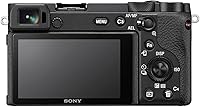
  • Display: A 3-inch tilting capacitive touchscreen LCD with a 921,600-dot resolution allows touch-to-focus and menu navigation.
  • Viewfinder: The electronic viewfinder offers 0.70x magnification and is suitable for composing in bright outdoor light where the rear screen becomes harder to read.
  • Memory: A single SD/SDHC/SDXC card slot with UHS-I bus support is provided; there is no secondary slot for redundancy or overflow.
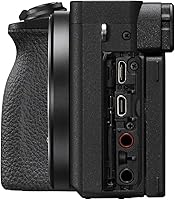
  • Audio I/O: A 3.5mm microphone input and a 3.5mm headphone output are both included, allowing for external mic use and real-time audio monitoring during video recording.
  • Connectivity: The body includes Wi-Fi, Bluetooth, USB 2.0 (Micro-B), and Micro-HDMI for wireless transfer, remote control, charging, and external display output.
  • File Formats: Still images can be saved as JPEG or 14-bit RAW, while video is captured in AVCHD or XAVC S format depending on the recording mode selected.
  • Shutter Speed: The mechanical shutter spans a range suitable for both fast action and long-exposure work, with a flash sync speed of 1/160 second.
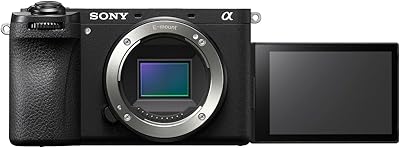
  • Mount: The Sony E-mount is fully compatible with the extensive range of Sony FE and E-mount lenses, as well as third-party E-mount optics.
  • Weight: The body and 18-135mm lens together weigh approximately 1.8 pounds, keeping the overall kit manageable for all-day carry.
  • Warranty: Sony provides a one-year limited manufacturer warranty covering defects in materials and workmanship under normal use conditions.
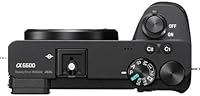
  • Flash: There is no built-in pop-up flash; the hot shoe accepts compatible Sony external flashes and supports wireless flash triggering.

Related Reviews
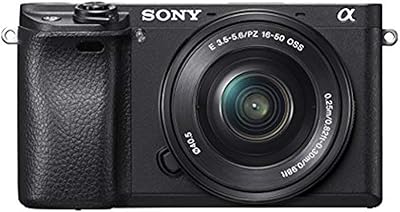
Sony Alpha A6300 Mirrorless Camera with 18-135mm Lens
84%
93%
Autofocus Performance
89%
Image Quality
91%
4K Video Recording
88%
Build Quality
90%
Portability/Weight
More
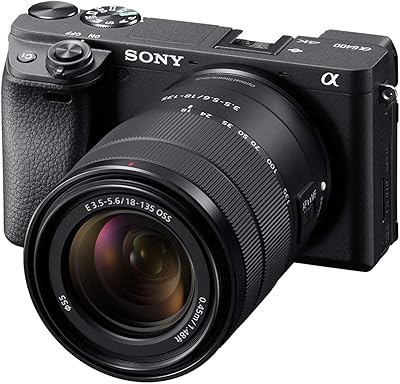
Sony Alpha a6400 18-135mm Mirrorless Camera
74%
96%
Autofocus Performance
81%
Video Quality
88%
Image Quality
47%
Battery Life
53%
Image Stabilization
More
Sony Alpha 6700
Sony Alpha 6700
82%
93%
Autofocus Performance
91%
Video Quality
89%
Image Quality & Sensor
86%
Image Stabilization
58%
Battery Life
More
Sony Alpha a6000 Mirrorless Camera
76%
94%
Autofocus Performance
88%
Image Quality
83%
Build Quality & Portability
47%
Battery Life
86%
Value for Money
More
Sony Alpha 7R III Mirrorless Camera
78%
96%
Image Quality
91%
Autofocus Performance
89%
Build Quality & Ergonomics
53%
Battery Life
58%
Menu System & Usability
More
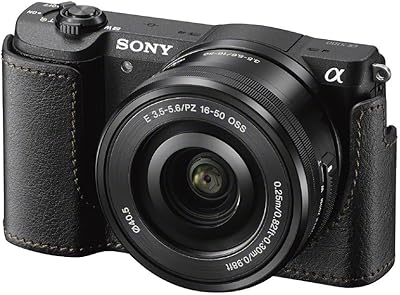
Sony Alpha a5100 16-50mm Mirrorless Camera
84%
91%
Image Quality
88%
Autofocus Performance
89%
Video Recording Quality
94%
Portability & Size
85%
Ease of Use
More
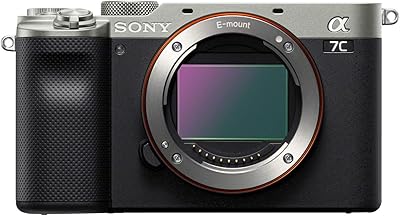
Sony Alpha 7C Full-Frame Mirrorless Camera
80%
93%
Autofocus Performance
91%
Image Quality
94%
Portability & Size
86%
Video Capability
62%
Battery Life
More
Sony Alpha 7R IV Full-Frame Mirrorless Camera
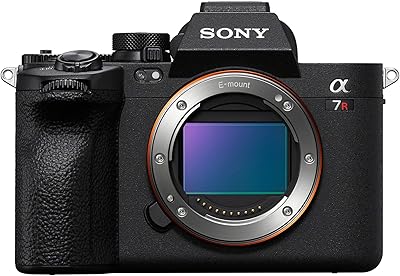
80%
97%
Image Quality & Resolution
91%
Autofocus Performance
94%
Dynamic Range
78%
Continuous Shooting Speed
83%
In-Body Image Stabilization
More
Sony Alpha a7R V
Sony Alpha a7R V
78%
97%
Image Quality
91%
Autofocus Performance
78%
Video Capabilities
88%
Autofocus Tracking Consistency
84%
Build Quality & Ergonomics
More
Sony Alpha a5000 Mirrorless Digital Camera with 16-50mm Lens
83%
89%
Image Quality
74%
Autofocus Speed
94%
Portability
88%
Ease of Use
80%
Battery Life
More

FAQ

It depends on what kind of beginner. If you are completely new to photography and just want to point and shoot, the camera can do that, but you would be paying for a lot of capability you might not use for a while. It is better suited to someone who already understands the basics — exposure, focusing modes, that sort of thing — and wants a body that can grow with them. The menu system alone has a learning curve that might frustrate a true first-timer.

Yes, the a6600 uses the Sony E-mount, which means any Sony E-mount or FE-mount lens will attach and work correctly. Full-frame FE lenses can be used in APS-C crop mode or you can choose to use the full image circle. Third-party lenses with E-mount adapters generally work too, though autofocus performance will vary by brand and lens model.

It is genuinely impressive in real-world use. The Eye AF for humans locks on quickly and holds through movement, which makes it practical for photographing active children in unpredictable situations. Animal eye tracking works well with clear subjects but can struggle with cluttered or low-contrast backgrounds. For most family and pet photography, it will outperform almost anything else at this sensor size.

The 18-135mm is a solid convenience zoom but it is not a prime lens, and expectations should be calibrated accordingly. Center sharpness is good across most of the zoom range, but corners can soften noticeably when shooting wide open. For travel and everyday shooting, it earns its place. If you are shooting portraits or landscapes where edge-to-edge sharpness matters, a dedicated prime or higher-end zoom will give you better results.

Much better than previous Sony APS-C cameras, which had notoriously short battery lives. The NP-FZ100 battery can comfortably handle a full day of mixed photography — some video, plenty of stills — without needing a recharge. Heavy 4K video recording will drain it faster, so bringing a spare battery on longer trips is still a good idea, but you are unlikely to run dry after a couple of hours the way older Sony APS-C bodies sometimes did.

It depends on your definition of professional. The a6600 produces very clean 4K footage and accepts external audio via the 3.5mm mic input, with a headphone port for monitoring — all strong starting points. The absence of 4K at 60fps is a limitation for some workflows, and the single card slot rules it out where redundant recording is required. For solo creators, YouTube, or documentary-style work, it holds up well. For broadcast or high-end commercial production, most professionals would want something more capable.

No, the a6600 body does not have official weather sealing. Sony does not market it as weather-resistant, so shooting in light rain or dusty environments carries a real risk. If weather protection is important to your work, you would need to look at a different system or use a rain cover as a precaution.

The camera uses standard SD, SDHC, or SDXC cards with UHS-I bus support. The slot does not support the faster UHS-II standard, so buying expensive UHS-II cards will not give you a speed advantage here — they will simply run at UHS-I speeds. For 4K video recording, a card rated at UHS Speed Class 3 or better is recommended to avoid dropped frames.

Sony's main advantage is the autofocus system, which still leads most of the APS-C competition in tracking accuracy and subject recognition. Fujifilm bodies in a similar tier are often preferred by those who prioritize color science, film simulations, and a more tactile shooting experience. Canon's equivalent options are strong for video but have a smaller native lens ecosystem at the APS-C level. The right choice genuinely depends on which ecosystem you are building into and which handling style suits you.

Yes, the a6600 supports in-body USB charging, which is convenient for travel — you can top up the battery from a power bank or a laptop without carrying a separate wall charger. That said, dedicated chargers top up faster, and picking up a spare battery with its own charger is still a worthwhile investment if you shoot heavily throughout the day.

Where to Buy