Overview

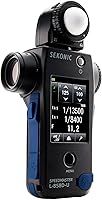
The Sekonic Speedmaster L-858D-U Light Meter represents a meaningful step forward from previous Sekonic models, bringing a feature set that serious studio and location photographers have long been waiting for. This isn't a meter for someone just starting to experiment with flash — the price alone reflects its professional positioning. What sets the L-858D-U apart from its predecessors is built-in radio triggering, which removes the need for a separate transmitter module in many workflows. If you're already invested in a proper strobe setup and want precise, repeatable readings, the Speedmaster was built with you in mind. Casual shooters need not apply.
Features & Benefits

The L-858D-U packs several capabilities that address real problems photographers face in the field. Flash duration measurement is one that often gets overlooked — knowing exactly how long your strobe fires is the difference between a sharp frozen subject and a subtly blurred one. For those shooting outdoors in bright conditions, the HSS flash measurement function gives you an accurate reading when you're pushing your lights hard to compete with the sun. The analyzing function simultaneously reads ambient and flash light, then displays the flash contribution as a percentage — a practical shortcut for balancing mixed-light ratios. Extended low-light sensitivity down to 0.1 lx and wireless radio control for Elinchrom and Phottix systems round things out nicely.

Best For

The Speedmaster is most at home in the hands of studio photographers who build their exposures around flash rather than guessing. It's a natural fit for anyone working with Elinchrom or Phottix gear, since the wireless triggering integration cuts out a step in the chain entirely. Outdoor portrait and fashion photographers dealing with harsh sunlight will get particular mileage from the HSS measurement capabilities. Video and cinematography professionals will appreciate the precise lux readings in extremely dim environments. And while the learning curve is real, advanced hobbyists or photography instructors looking for a meter that teaches as much as it measures will find a lot to work with here.

User Feedback

Across its ratings, this light meter earns strong marks — and the reasons aren't hard to understand. Users consistently highlight reading accuracy and the convenience of having radio triggering built in as the standout strengths. Build quality gets regular praise too; it feels solid without being cumbersome at under 9 oz. On the other side, quite a few reviewers note that the interface takes time to learn, particularly for photographers transitioning from simpler meters. A handful of users have raised questions about firmware updates and module compatibility over time. Most professionals who rely on it daily feel the cost is justified — recreational shooters tend to be less convinced.

Pros

  • Exceptional reading accuracy that studio professionals consistently rely on for critical exposures.
  • Built-in radio triggering for Elinchrom Skyport and Phottix systems removes the need for a separate module.
  • Flash duration measurement helps photographers nail sharp images of fast-moving subjects under strobe light.
  • HSS flash measurement is a practical asset when overpowering bright ambient light outdoors.
  • The analyzing function displays flash-to-ambient ratio as a percentage, making mixed-light balancing much faster.
  • Incident light sensitivity extended by 3 stops, handling very low-light environments most meters struggle with.
  • Solid, well-built feel that holds up to regular professional use without feeling fragile.
  • Compact and light at under 9 oz, which matters when carrying gear across long shoot days.
  • Ranks among the top light meters on the market, with strong long-term user satisfaction.

Cons

  • The menu system and feature set take considerable time to learn, especially for those new to dedicated light meters.
  • The premium price puts it out of reach for hobbyists or photographers with infrequent flash work.
  • Radio triggering benefits are limited to Elinchrom and Phottix ecosystems, leaving out a large portion of the market.
  • Some users have reported concerns about firmware update availability and long-term software support.
  • No meaningful value for photographers shooting exclusively in natural or continuous light.
  • The depth of features can feel like overkill for photographers who only need basic incident and reflected readings.
  • Module compatibility questions have surfaced in user reviews, suggesting occasional integration friction.
  • Photographers switching from simpler meters may find the transition frustrating before the payoff becomes clear.

Ratings

The scores below reflect our AI-driven analysis of verified global user reviews for the Sekonic Speedmaster L-858D-U Light Meter, with spam, bot submissions, and incentivized feedback actively filtered out to ensure the results represent genuine buyer experiences. Each category is scored independently, capturing both the aspects that consistently earn praise and the friction points that real users have flagged over time. Nothing has been smoothed over — where the Speedmaster earns its reputation, the scores show it, and where it falls short for certain buyers, that's reflected too.

Measurement Accuracy
94%
Across studio and location shoots, photographers consistently report that the L-858D-U delivers readings they can trust without double-checking against a second meter. The extended sensitivity range means it holds accuracy even in very dim environments where cheaper meters start to drift.
A small number of users have noted very minor variance when comparing incident readings across different dome positions, though this is a nuance most working pros would never encounter in normal use.
Flash Duration Measurement
91%
Studio photographers shooting high-speed action praise this function as one of the most practical additions over previous Sekonic models — knowing the actual t0.5 or t0.1 value helps dial in strobe power for reliably frozen motion. It removes guesswork that even experienced shooters used to accept as part of the job.
Understanding how to interpret flash duration readings requires some background knowledge, and the meter's manual doesn't walk beginners through the practical implications clearly enough, leaving some users to piece it together through external resources.
HSS Flash Measurement
88%
Outdoor portrait and fashion photographers who regularly battle harsh midday sun find the HSS measurement genuinely useful — being able to accurately read actual flash output in HSS mode saves significant time dialing in exposure on location. Most alternatives require trial-and-error chimping rather than a direct measurement.
Some users report that HSS readings can feel slightly inconsistent depending on the specific strobe brand and power setting combination, which requires a bit of additional verification when working with unfamiliar equipment.
Wireless Radio Triggering
86%
Elinchrom and Phottix system users describe the built-in triggering as a genuine workflow improvement — firing the lights directly from the meter without a separate transmitter clutter is a practical convenience that adds up across a long studio day. The reliability of the connection has been largely positive in real-world feedback.
The benefit is entirely locked to Elinchrom Skyport and Phottix Strato II and Ares II systems, which means a large portion of the market using Profoto, Godox, or other brands gets none of the wireless advantage and may feel the feature inflates the price for them.
Ease of Use
58%
42%
Photographers who take the time to read the manual and practice across multiple sessions report that the interface becomes second nature over time. For users migrating from other Sekonic models, many core functions are familiar enough to reduce the adaptation period.
The learning curve is steep and frequently mentioned in critical reviews — users new to dedicated light metering, or those stepping up from basic meters, often find the mode structure confusing and the navigation unintuitive under time pressure on a live shoot. This is arguably the Speedmaster's most consistent pain point.
Build Quality
89%
Users who carry this light meter regularly on professional shoots describe the body as solid and well-assembled, with a tactile feel that reinforces its premium positioning. Button feedback and the dome mechanism both draw positive comments for their durability over extended use.
A handful of users have flagged that the display can be difficult to read in direct sunlight, which is an inconvenient limitation for a meter frequently used in outdoor lighting scenarios.
Analyzing Function
83%
The simultaneous ambient and flash reading with percentage display saves real time when working in mixed-light environments — photographers shooting in naturally lit studios or near windows particularly appreciate knowing the flash ratio without performing manual calculations.
The function's output takes a bit of practice to apply effectively, and a few users noted that the display layout makes it less intuitive to glance at quickly compared to the straightforward incident reading screen.
Low-Light Sensitivity
87%
Cinematographers and photographers working in candle-lit or near-dark environments highlight the 0.1 lx minimum illuminance reading as a standout capability — it allows reliable metering in scenes where most handheld meters simply give up or produce unreliable numbers.
While the extended range is impressive on paper, some users note that extreme low-light readings require very steady handling to avoid movement-induced variability, which is more of a technique issue than a flaw but still affects practical accuracy.
Portability & Form Factor
82%
18%
At under 9 oz, the Speedmaster is comfortable to carry in a jacket pocket or clip to a belt throughout a shoot day without fatigue. For a meter packing this many measurement modes, the size-to-feature ratio impresses most users who handle it regularly.
A few users with larger hands find the grip somewhat narrow during extended handheld use, and the dome is not always the easiest to retract and extend one-handed when moving quickly between incident and spot readings.
Display & Interface
63%
37%
In controlled or indoor studio conditions, the display delivers clear readings and the layout provides enough information to work efficiently once the user has invested time in learning the meter. Most professional users become comfortable with the screen's information density after a few shoots.
Sunlight legibility is a recurring complaint, and several reviewers describe the overall interface design as dated relative to the price point. The density of information on screen can feel overwhelming to anyone not already familiar with professional light meter conventions.
Firmware & Software Support
61%
39%
When firmware updates have been released, they have generally addressed legitimate compatibility concerns and expanded radio module support, which gives longer-term owners some confidence that Sekonic monitors the product post-launch.
Users with a long-term ownership perspective have raised concerns about the cadence of updates and whether radio triggering compatibility will keep pace with evolving wireless protocols from third-party lighting manufacturers. A few buyers have flagged specific integration issues that lingered unresolved.
Value for Money
67%
33%
For professional photographers who actively use flash duration measurement, HSS metering, and radio triggering in their daily workflow, the cost is consistently justified in user feedback — it's viewed as a long-term tool investment rather than a purchase that needs to pay off immediately.
For photographers who use only a subset of the features — or who own lighting systems outside the supported radio ecosystem — the price is difficult to rationalize when capable alternatives exist at lower cost. The value perception splits sharply between heavy users and occasional ones.
Documentation & Learning Resources
54%
46%
The included manual covers the meter's functions in technical detail, and Sekonic does provide supplementary video resources online that help bridge the gap between the manual's dry descriptions and real-world application for motivated learners.
Multiple reviewers across different experience levels describe the manual as dense and poorly structured for practical learning, making self-teaching a frustrating process. The gap between reading the instructions and understanding how to apply the functions in a live shooting environment is steeper than it needs to be for a product at this price.

Suitable for:

The Sekonic Speedmaster L-858D-U Light Meter is built for photographers who treat exposure accuracy as non-negotiable — studio pros, commercial shooters, and serious location photographers who work with strobes daily. If you rely on Elinchrom or Phottix lighting systems, the built-in radio triggering compatibility alone saves real time and eliminates a piece of gear from your bag. Outdoor portrait and fashion photographers pushing their lights against bright sunlight will find the HSS measurement capability genuinely useful rather than just a spec on a box. Cinematographers and video professionals who need reliable lux readings in very dim environments will also find the extended low-light sensitivity practical rather than theoretical. Educators teaching professional lighting technique will appreciate having a meter that mirrors what working pros actually use on set.
Not suitable for:

The Sekonic Speedmaster L-858D-U Light Meter is not the right tool for photographers who are just beginning to explore off-camera flash, and the price will feel hard to justify if your lighting setup consists of a single speedlight at occasional family events. The interface has a genuine learning curve, and users who aren't already comfortable with the fundamentals of exposure metering will likely feel lost before they feel confident. If your lighting ecosystem runs on brands outside of Elinchrom or Phottix — say, Profoto or Godox — you won't get the same wireless triggering benefits that make this meter stand out. Budget-conscious hobbyists or photographers who meter only occasionally would be better served by a capable entry-level meter at a fraction of the cost. This is a long-term investment tool, not an impulse buy.
Specifications

  • Model Number: The official model designation is L-858D-U, also referenced as item number 401-858.
  • Manufacturer: Made by Sekonic and distributed in the US market by MacGroup.
  • Dimensions: The unit measures 10.04 x 6.42 x 3.58 inches, giving it a compact handheld profile.
  • Weight: At 8.8 oz, this light meter is light enough to carry comfortably during extended shoots.
  • Incident Sensitivity: Incident light sensitivity has been extended by 3 stops compared to the previous generation, enabling readings in very low-light conditions.
  • Spot Sensitivity: Reflected (spot) light sensitivity is extended by 2 stops, improving accuracy for distant or small subject metering.
  • Min. Illuminance: The meter can capture an illuminance reading as low as 0.1 lx, making it suitable for near-dark environments.
  • Flash Duration: The unit includes flash duration measurement capability, which helps determine the effective freeze point of a strobe pulse.
  • HSS Measurement: High Speed Sync flash measurement is supported, allowing accurate readings when using HSS to overpower ambient light or achieve shallow depth of field.
  • Analyzing Function: The analyzing function reads ambient and flash light simultaneously and displays the flash contribution as a percentage of the total exposure.
  • Radio Compatibility: Built-in radio control supports Elinchrom Skyport, Phottix Strato II, and Phottix Ares II wireless triggering systems.
  • Product Rating: The meter holds a 4.4 out of 5 star rating based on 186 user ratings on Amazon.
  • Market Ranking: Ranked #22 in the Photographic Light Meters category on Amazon at the time of this review.
  • Availability: The product has not been discontinued by the manufacturer and remains available as of the date of this writing.
  • Release Date: The L-858D-U was first made available for purchase in March 2017.
  • ASIN: The Amazon Standard Identification Number for this product is B06XD9K7PC.

Related Reviews
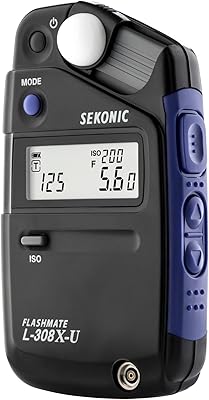
Sekonic L-308X Flashmate Light Meter
80%
93%
Measurement Accuracy
89%
Flash Metering Performance
76%
Ease of Use
81%
Build Quality
88%
Shooting Mode Versatility
More
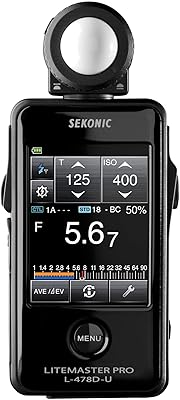
Sekonic LiteMaster Pro L-478D-U Light Meter
77%
93%
Metering Accuracy
78%
Touchscreen Usability
89%
Display Clarity
91%
Flash Metering
86%
Cine Mode Performance
More
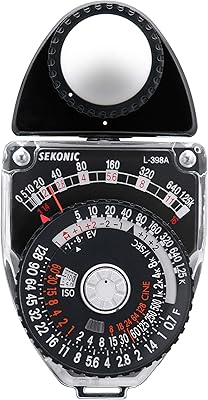
Sekonic L-398A Studio Deluxe III Light Meter
78%
93%
Build Quality
91%
Measurement Accuracy
96%
Battery Independence
67%
Ease of Use
48%
Feature Set
More
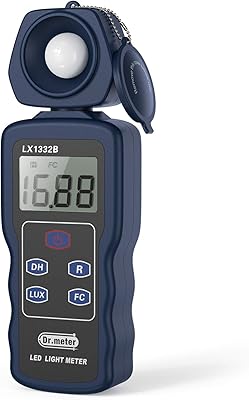
Dr.meter 1332B Digital Light Meter
81%
91%
Ease of Use
78%
Measurement Accuracy
93%
Rotating Sensor
89%
Measuring Range
67%
Build Quality
More
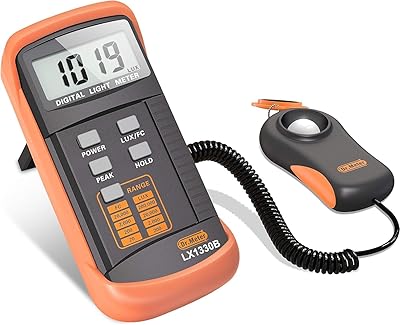
Dr.meter LX1330B Digital Lux Meter
82%
83%
Measurement Accuracy
91%
Ease of Use
67%
Build Quality
74%
Display Readability
92%
Measurement Range
More
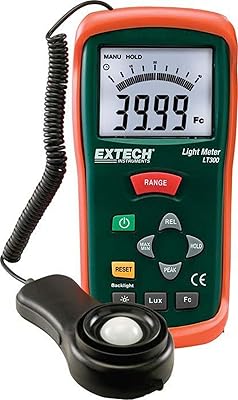
Extech LT300 Light Meter
75%
88%
Measurement Accuracy
91%
Sensor Design
86%
Display Readability
83%
Build Quality
74%
Ease of Use
More
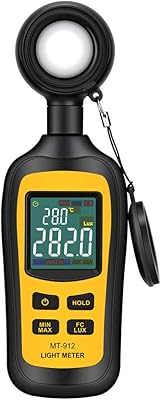
URCERI SMT912 Digital Lux Light Meter
77%
82%
Measurement Accuracy
91%
Value for Money
88%
Display & Readability
67%
Build Quality
93%
Ease of Use
More
Extech LT45 LED Light Meter
82%
93%
Measurement Accuracy
96%
Source Compatibility
91%
Remote Sensor Design
88%
Build Quality
74%
Data Logging & Recall
More
AOPUTTRIVER AP-881E Digital Lux Light Meter
78%
93%
Measurement Range
91%
Rotating Sensor Design
72%
Accuracy & Reliability
74%
Ease of Use
66%
Build Quality
More
Extech LT505 Pocket Light Meter
79%
88%
Measurement Accuracy
93%
Portability
86%
Ease of Use
67%
Build Quality
74%
Display Legibility
More

FAQ

The built-in radio triggering is specifically designed for Elinchrom Skyport and Phottix Strato II and Ares II systems. It does not natively trigger Profoto or Godox strobes wirelessly. That said, you can still use it as a standard corded or optical slave meter with other brands — you just won't get the wireless convenience.

Honestly, it's probably more meter than a beginner needs. The feature set is deep and the interface takes time to learn, even for photographers who are experienced but new to dedicated metering. If you're just getting started, a simpler and less expensive meter will serve you better until you're comfortable with the fundamentals.

Flash duration refers to how long a strobe actually emits light during a single burst — and it's often much shorter than the sync speed of your camera. When you're photographing fast-moving subjects like athletes, water splashes, or dancers, the flash duration is what actually freezes the motion, not the shutter speed. The L-858D-U can measure this directly, which helps you choose the right strobe power setting for sharp results.

Yes, and it's genuinely useful in that context. The meter reads illuminance down to 0.1 lx, which makes it reliable even in very low-light cinematography setups. It can measure continuous light sources accurately, which is the primary need for video work.

High Speed Sync lets your camera fire flash at shutter speeds faster than the standard sync speed — useful outdoors when you need a wide aperture in bright sunlight without overexposing. The tricky part is that HSS significantly reduces flash output, making it hard to know your actual exposure. The Speedmaster can measure HSS output directly, so you get an accurate reading rather than guessing.

Several users coming from the L-478D or L-758D report that the L-858D-U takes noticeably longer to get comfortable with, mostly because of the added flash duration and analyzing functions. If you read the manual and take time to work through the modes methodically, most photographers find their footing within a few sessions. Jumping in and expecting it to be intuitive out of the box will lead to frustration.

The radio triggering functionality for Elinchrom Skyport and Phottix systems is built into the meter itself — no additional purchase is required for those systems. Some older Sekonic models required a separately purchased module, so this is an improvement worth noting.

A small number of users have flagged questions about firmware updates and whether long-term software support will keep pace with evolving radio protocols. It hasn't been a widespread problem, but if you're buying with a 10-year horizon in mind, it's worth checking Sekonic's official support page for the latest firmware status before purchasing.

When you're shooting in a room with both flash and ambient light — say, a studio with large windows — the analyzing function takes a reading that captures both sources at once and tells you what percentage of the exposure comes from the flash. That percentage display makes it much faster to decide whether you need to adjust your flash power, close the blinds, or change your shutter speed to shift the ratio.

Most professional users who put real mileage on this meter report that it holds up well. The body feels solid without being heavy, and it doesn't have the plasticky feel of entry-level meters. For photographers who bill clients and depend on consistent results, the build quality appears to match the professional positioning. Casual users spending that much on a meter will likely feel differently about whether the durability justifies the cost.

Where to Buy