Overview

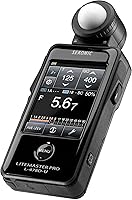
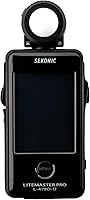
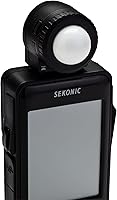
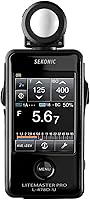
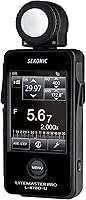
The Sekonic LiteMaster Pro L-478D-U Light Meter sits firmly in professional territory — it is not the meter you buy out of curiosity, but because you are already working with lights and need reliable, repeatable readings. What separates it from older Sekonic models and cheaper competitors is its color touchscreen interface, which replaces the rotating dials most photographers grew up with. That shift matters more than it sounds: on a busy shoot, tapping an icon or swiping between modes is far faster than fumbling with physical controls. It also measures ambient and flash simultaneously, which is rare at this price tier and genuinely useful when balancing mixed light sources in a single frame.
Features & Benefits

The simultaneous flash readout is where this light meter earns its keep day-to-day. Rather than toggling between modes, it captures both ambient and flash at once and automatically shows what percentage of the total exposure comes from flash — a detail that saves real time when dialing in ratios on a portrait session. The cine modes are equally thoughtful: standard frame rates and shutter angles for video work, or custom values punched in down to three decimal places for specialty applications. The ISO range stretches from 3 to 409600 in third-stop increments, and brightness measurement is available in Lux, FC, Cd/m2, or FL, covering most professional broadcast and film requirements without needing a separate tool.

Best For

The L-478D-U is built for working professionals, not hobbyists testing the water. Portrait and editorial photographers who regularly balance strobe with available light will get the most out of it, as will cinematographers and video directors who need dedicated cine metering without carrying a separate device. Studio pros looking for one meter that handles both controlled flash work and run-and-gun location shooting will find it slots naturally into their kit. Broadcast crews measuring panel or screen brightness in Cd/m2 or footlamberts also have solid reason to choose it over simpler alternatives. If you shoot casually or rarely use flash at all, this light meter is likely more meter than you actually need.

User Feedback

Users of Sekonic's touchscreen meter frequently highlight LCD clarity as a standout strength — the color display holds up well in bright outdoor conditions where older monochrome screens become hard to read. Accuracy across both flash and ambient readings earns consistent praise from experienced shooters, and the physical build feels solid enough for regular professional use. The main friction point, mentioned repeatedly by newcomers, is the touchscreen learning curve; the icon-driven layout takes time to internalize if you are coming from a traditional analog meter. A handful of buyers also note that wireless flash triggering is not included at this price, which some consider a missed opportunity given what competing meters offer.

Pros

  • Simultaneously measures ambient and flash, then automatically calculates the flash contribution percentage.
  • The color LCD remains easy to read in bright outdoor light, where cheaper screens typically wash out.
  • Cine modes covering frame rates and custom shutter angles make this a credible on-set tool for video work.
  • ISO sensitivity spans an exceptional range, handling everything from low-light film stocks to high-speed digital sensors.
  • The touchscreen interface is notably faster to navigate mid-shoot than traditional rotating-dial meters.
  • Brightness output in Lux, FC, Cd/m2, and FL covers nearly every professional measurement standard in one device.
  • Build quality is solid and handles the daily wear of professional studio and location use reliably.
  • Custom frame rate input to three decimal places gives specialty cinematography workflows a level of precision few meters offer.
  • Compact and light enough at 8 ounces to carry in a jacket pocket without adding noticeable bulk to a kit bag.

Cons

  • No built-in wireless flash triggering, which some competing meters at this price include as standard.
  • The touchscreen learning curve can slow down experienced users transitioning from analog dial-based meters.
  • Icon-driven menus require initial study time before the workflow feels truly intuitive under pressure.
  • The L-478D-U carries a premium price that is difficult to justify for photographers who rarely use flash.
  • No spot metering capability, which limits usefulness for photographers who also need reflective light readings.
  • Accessories like the radio module for wireless triggering are sold separately, adding to the total cost.
  • Some users report the touchscreen is less responsive when wearing thin shooting gloves in cold conditions.
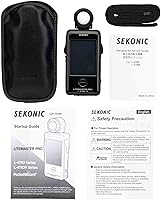
  • The accompanying documentation is dense and not particularly beginner-friendly for first-time meter users.

Ratings

The scores below reflect AI-driven analysis of verified global buyer reviews for the Sekonic LiteMaster Pro L-478D-U Light Meter, with spam, incentivized, and bot-generated feedback actively filtered out to ensure integrity. Each category captures both the genuine strengths professionals praise and the real frustrations that show up repeatedly across independent user accounts. Nothing is smoothed over — the ratings reflect the full picture, including where this meter falls short of expectations.

Metering Accuracy
93%
Across studio sessions and location shoots alike, users consistently report that readings align tightly with their camera's actual exposure output. Portrait photographers balancing strobe and window light say the simultaneous flash and ambient readout eliminates the back-and-forth trial that cheaper meters require.
A small number of users working in mixed-color-temperature environments noted occasional inconsistencies when extremely warm practical lights were combined with daylight-balanced flash, though this edge case is not unique to this meter and reflects inherent metering physics rather than a product flaw.
Touchscreen Usability
78%
22%
Photographers coming from dial-based meters often describe the icon-driven interface as a genuine time-saver once the layout clicks — switching between ambient and cine modes mid-shoot becomes quick and low-friction. The gesture-based controls feel modern compared to the tactile but slower rotary systems on older Sekonic units.
The learning curve is steeper than the marketing suggests, particularly for experienced users whose muscle memory is built around physical dials. Several reviewers noted the screen becomes sluggish or unresponsive when wearing even thin gloves, which is a real inconvenience for outdoor winter shoots.
Display Clarity
89%
The color LCD draws consistent praise for holding up in harsh outdoor light where older monochrome screens on competing meters become nearly unreadable. On sunny location shoots, users report being able to glance at readings without shading the screen or squinting, which adds up over a long shooting day.
At extreme viewing angles — such as when the meter is held low during a waist-level reading — the screen legibility drops noticeably. A handful of users also mentioned that the brightness level is not user-adjustable, which feels like a missed opportunity for a meter at this price point.
Flash Metering
91%
The ability to capture ambient and flash in a single trigger and automatically calculate the flash contribution percentage is the feature most praised by working portrait and editorial photographers. It removes the mental arithmetic from ratio balancing, which pays dividends during fast-paced commercial shoots with multiple light sources.
Without a built-in radio trigger, users must either rely on optical sync or manually fire the flash during the reading, which creates an extra logistical step on busy sets. Photographers used to meters with integrated PocketWizard or radio triggering found this workflow regression difficult to accept at this price tier.
Cine Mode Performance
86%
Cinematographers working on indie and commercial video productions highlight the frame rate and shutter angle inputs as genuinely useful on set, saving them from pulling out a separate metering device for motion work. The ability to enter non-standard frame rates to three decimal places is a niche but valued capability for specialty productions.
Users who work exclusively in photography find the cine section adds menu complexity they never actually use, making the overall interface feel slightly bloated for their needs. A cleaner mode separation or a simplified photography-only view would make the L-478D-U more approachable for non-video professionals.
Build Quality
82%
18%
The physical construction earns general approval from professionals who carry it daily — the housing feels solid without being heavy, and the light sphere dome assembly shows no premature wear even after repeated use across different shooting environments. Several studio photographers noted it has survived drops from waist height without damage.
A few users expressed that the premium build feel they expected at this price is partially undermined by the plastic-dominant construction, which does not convey the same reassurance as metal-bodied competitors. The protective case, if included, is considered by some to be inadequate for rugged location work.
ISO Range Coverage
88%
The ISO 3 to 409600 span in one-third stop steps means the L-478D-U covers every realistic shooting scenario from medium-format film to cutting-edge mirrorless sensors without any gaps. Photographers working across different camera systems appreciate not having to own multiple meters for different sensitivity ranges.
While the range itself is impressive, the practical benefit beyond ISO 51200 is limited for most working photographers, and some buyers feel the emphasis on extreme ISO support is partly marketing-driven rather than reflective of real-world professional needs in typical studio or location contexts.
Brightness Measurement
84%
The inclusion of Lux, FC, Cd/m2, and FL measurement units in a single handheld device is genuinely valuable for broadcast and film crews who need to match screen brightness or verify lighting consistency across a set. Users from the television production world specifically call out this multi-unit capability as a deciding factor in their purchase.
Photographers who have no connection to broadcast or film workflows will likely never engage with these measurement modes, and having them tucked into the menu adds navigation steps that pure photography users find unnecessary. Clearer mode separation would reduce the cognitive load for non-broadcast users.
Value for Money
71%
29%
For professionals who actively use flash metering on paid shoots, the simultaneous ambient-and-flash capability and cine modes make a credible case for the price, particularly when compared to owning two separate specialized devices. Frequent users in studio environments tend to feel the investment pays off within a few months of regular work.
Occasional or hobbyist users routinely report buyer's remorse, feeling they paid for capabilities they never deploy. The absence of wireless triggering at this price point — a feature some direct competitors include as standard — is the most commonly cited reason users feel the value equation does not quite balance.
Portability
87%
At 8 ounces and a slim 2 x 1 x 5-inch profile, this light meter fits comfortably in a jacket pocket or clips onto a camera bag strap without adding meaningful bulk to a working kit. Location photographers who walk long distances between setups specifically mention the size and weight as a practical advantage over bulkier competing meters.
The light sphere that extends from the top of the meter is a fragile point of concern for photographers who pack their gear tightly or travel frequently. Several users mentioned the sphere dome is the first thing to show damage and that replacement parts, while available, add to the long-term cost of ownership.
Documentation & Learning Resources
61%
39%
The included manual covers the full feature set in detail, and users who invest time reading it before their first shoot generally report a smoother onboarding experience. Sekonic's online support ecosystem, including tutorial videos, is considered adequate by most experienced photographers who know what they are looking for.
First-time light meter users consistently describe the documentation as dense, technically written, and poorly structured for self-teaching. The manual assumes a baseline level of exposure theory knowledge that newer photographers may not yet have, and the interface offers minimal in-device guidance or contextual help for unfamiliar modes.
Glove Compatibility
47%
53%
When used bare-handed or with touchscreen-compatible thin gloves, the screen responds adequately to common gestures, and users shooting in temperate conditions rarely encounter input issues during normal operation.
Cold-weather photographers are the most vocal critics of this light meter on this specific point — standard winter shooting gloves render the touchscreen nearly unusable, forcing bare-hand operation in freezing temperatures. This is a recurring complaint across outdoor wildlife, wedding, and event photographers who work in northern climates during winter months.
Wireless Integration
43%
57%
The meter's core measurement accuracy is unaffected by the absence of wireless triggering, and photographers who already own optical sync cables or use manual flash triggering during metering find the workflow acceptable for controlled studio environments.
The lack of built-in radio triggering is the single most divisive aspect of the L-478D-U at its price point. Competing meters offer integrated PocketWizard or proprietary radio modules, and many buyers specifically feel that requiring a separate trigger purchase is an unjustifiable omission for a professional-grade device in this category.

Suitable for:

The Sekonic LiteMaster Pro L-478D-U Light Meter is purpose-built for professionals who treat accurate exposure as a non-negotiable part of their workflow. Portrait and editorial photographers who routinely blend strobe with natural light will find the simultaneous ambient and flash metering invaluable — it removes guesswork and speeds up the lighting refinement process considerably. Cinematographers and video directors benefit just as much, particularly from the cine-specific modes that handle frame rates and shutter angles without requiring mental math or a separate device on set. Studio photographers upgrading from older analog meters will appreciate the color touchscreen, which makes switching between shooting modes significantly faster mid-session. Broadcast and film crews needing calibrated brightness readings in professional units like Cd/m2 or footlamberts will also find this light meter fits naturally into their existing toolkit without compromise.
Not suitable for:

The Sekonic LiteMaster Pro L-478D-U Light Meter is genuinely overkill for anyone who shoots casually or relies primarily on their camera's built-in metering. Hobbyists who only occasionally experiment with flash will find the depth of functionality more confusing than helpful, and the investment hard to justify against simpler, less expensive alternatives. Photographers coming strictly from a digital-only background with no interest in cine work or mixed-light scenarios will likely use only a fraction of what this meter offers. It is also worth noting that wireless flash triggering capability is not built in, which means users expecting integrated radio control at this price point may be disappointed. Those on a tight budget exploring light meters for the first time would be better served starting with a more entry-level Sekonic model and graduating to this one as their needs grow.
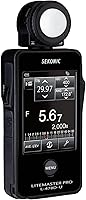
Specifications

  • Dimensions: The meter measures 2 x 1 x 5 inches, making it compact enough to slip into a jacket pocket or small camera bag pouch.
  • Weight: At 8 ounces, this light meter is light enough for extended handheld use without causing fatigue during long shoots.
  • Display: A full color LCD touchscreen provides clear, high-contrast readouts of exposure data across ambient, flash, and cine modes.
  • ISO Range: Supports ISO sensitivity from 3 to 409600 in 1/3-stop increments, covering the full spectrum from slow-speed film stocks to the most light-sensitive digital sensors.
  • Metering Modes: Measures ambient and flash light simultaneously, with an automatic readout showing the percentage of flash contribution to the total exposure.
  • Cine Modes: Includes dedicated cine metering with selectable standard frame rates, shutter angles, and custom values input to three decimal places for specialty productions.
  • Brightness Units: Brightness can be displayed in Lux, Foot-Candles (FC), Candela per square meter (Cd/m2), or Foot-Lamberts (FL) to meet professional broadcast and film standards.
  • Model Number: The official model number is 401-474, corresponding to the L-478D-U variant distributed in the United States.
  • Manufacturer: Distributed by MacGroup, the authorized Sekonic distributor for the North American market.
  • Availability: First made available in February 2016 and remains an active, non-discontinued product in Sekonic's professional meter lineup.
  • Market Rank: Holds a Best Sellers Rank of #23 in the Photographic Light Meters category on Amazon, reflecting consistent professional demand.
  • Input Method: All settings are navigated via touchscreen icons and swipe gestures, replacing the physical dials found on traditional incident meters.
  • Flash Readout: Automatically calculates and displays what percentage of the total exposure is contributed by flash versus ambient light after a single combined reading.
  • Custom Frame Rates: Allows entry of non-standard frame rates and shutter angles down to .000 precision for cinematographers working outside conventional broadcast specifications.
  • Product Type: The L-478D-U is an incident light meter designed to read the light falling on a subject, not the light reflected from it.

Related Reviews
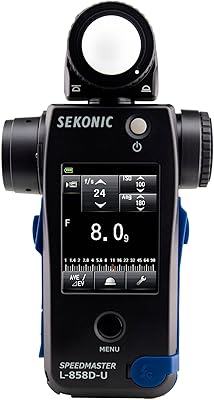
Sekonic L-308X Flashmate Light Meter
80%
93%
Measurement Accuracy
89%
Flash Metering Performance
76%
Ease of Use
81%
Build Quality
88%
Shooting Mode Versatility
More
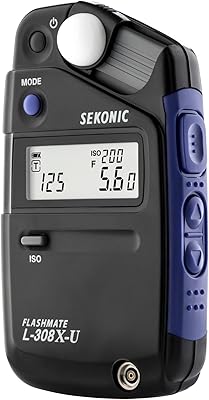
Sekonic Speedmaster L-858D-U Light Meter
85%
94%
Accuracy of Measurements
89%
Ease of Use
88%
Build Quality
91%
Flash Measurement Performance
90%
Low-Light Sensitivity
More
Sekonic L-398A Studio Deluxe III Light Meter
78%
93%
Build Quality
91%
Measurement Accuracy
96%
Battery Independence
67%
Ease of Use
48%
Feature Set
More
Dr.meter 1332B Digital Light Meter
81%
91%
Ease of Use
78%
Measurement Accuracy
93%
Rotating Sensor
89%
Measuring Range
67%
Build Quality
More
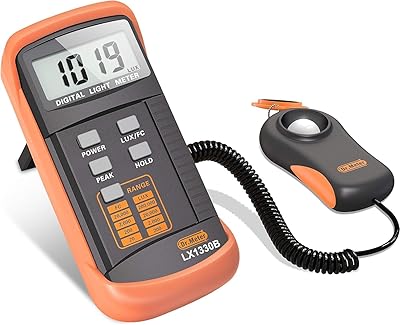
Dr.meter LX1330B Digital Lux Meter
82%
83%
Measurement Accuracy
91%
Ease of Use
67%
Build Quality
74%
Display Readability
92%
Measurement Range
More
URCERI SMT912 Digital Lux Light Meter
77%
82%
Measurement Accuracy
91%
Value for Money
88%
Display & Readability
67%
Build Quality
93%
Ease of Use
More
Extech LT300 Light Meter
75%
88%
Measurement Accuracy
91%
Sensor Design
86%
Display Readability
83%
Build Quality
74%
Ease of Use
More
Extech LT45 LED Light Meter
82%
93%
Measurement Accuracy
96%
Source Compatibility
91%
Remote Sensor Design
88%
Build Quality
74%
Data Logging & Recall
More
UNI-T UT383 Digital Lux Light Meter
80%
83%
Measurement Accuracy
92%
Ease of Use
74%
Build Quality
91%
Value for Money
86%
Display Readability
More
AquaHorti AH-300 Light Meter
75%
76%
Measurement Accuracy
68%
App Experience
83%
LUX Range & Versatility
58%
Spectrum Test Capability
79%
CSV Export & Data Logging
More

FAQ

The L-478D-U works with any flash system since it physically reads the light output rather than communicating with the flash electronically. You simply trigger your flash manually while the meter takes its reading, so brand compatibility is never an issue.

It handles video work well. The dedicated cine modes let you select standard frame rates and shutter angles, or enter custom values if you are working with non-standard frame rates. Cinematographers and directors who need reliable incident metering on set will find it fits naturally into that workflow.

Wireless triggering is not built into this model. Sekonic does offer optional radio modules for certain compatible units, but the L-478D-U itself does not include integrated radio control. If wireless triggering is a priority, you will either need to trigger flashes manually during readings or factor in the cost of a compatible add-on module.

Most users report that the basics are intuitive within a session or two, but the full menu structure takes longer to internalize. If you have used traditional dial meters for years, expect a short adjustment period. Reading through the manual before your first real shoot is genuinely worth the time.

Yes, and this is one of the areas where user feedback is consistently positive. The color display holds up better in direct sunlight than many older monochrome screens. It is not perfect at extreme angles, but for typical outdoor shooting conditions it performs well.

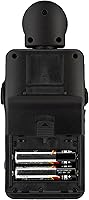
The L-478D-U runs on two AA batteries, which are easy to find and replace anywhere in the world. Battery life is generally strong for a device of this type, and many photographers report weeks of regular use before needing a change, though heavy use of the backlit touchscreen will drain them faster.

It reads both simultaneously in a single trigger, which is one of its most practical advantages on set. After the reading, it automatically displays what percentage of the total exposure came from flash, so you can fine-tune your lighting ratio without repeated individual measurements.

It can work for students, but the feature depth and price point make it better suited for people who already understand exposure fundamentals and actively use flash in their work. A beginner would likely find a simpler, less expensive meter easier to learn on and upgrade later once their needs justify it.

This is a recurring concern among users who shoot in cold environments. The touchscreen can be less responsive when wearing standard shooting gloves, particularly thicker ones. Thin touchscreen-compatible gloves help, but it is worth being aware of if you regularly work outdoors in winter conditions.

The L-478D-U is an incident meter and does not include a spot metering attachment or reflective metering capability in this configuration. If you need spot metering as well, you would want to look at other models in Sekonic's lineup that support optional spot attachments, or carry a second dedicated spot meter for that purpose.

Where to Buy