Overview

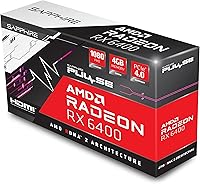
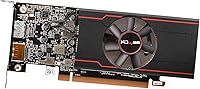
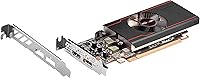
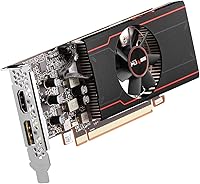
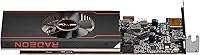
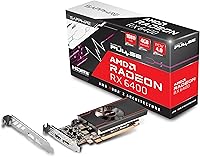
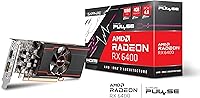
The Sapphire Pulse RX 6400 4GB Graphics Card is built for people who just need a reliable bump in performance without chasing flagship numbers. Sapphire slots this RX 6400 GPU into its Pulse lineup, a series known for keeping things simple and affordable rather than chasing benchmarks. With 4GB of GDDR6 memory on board, it's clearly tuned for 1080p gameplay and everyday tasks, not 4K ambitions. The card's small footprint is one of its more practical traits, fitting neatly into compact cases or media-center PCs where airflow and clearance are tight. Add in PCIe 4.0 support, and it plays nicely with both newer boards and older systems still running PCIe 3.0. This is squarely a budget-tier pick, not a high-end gaming card, and it doesn't pretend otherwise.

Features & Benefits

Cooling is where this Sapphire Pulse card quietly earns its keep. The dual-fan setup uses double ball-bearings instead of cheaper sleeve bearings, so it should run quieter and hold up longer under regular use. Sapphire also added fuse-protected circuitry around the external PCIe power connector, a small touch that adds a layer of safety most budget cards skip. On the performance side, boost clocks reach up to 2321 MHz, with a game clock hovering near 2039 MHz, giving it enough headroom for lighter workloads. Display options cover the basics well, with both DisplayPort and HDMI outputs handling typical monitor setups without fuss. GDDR6 memory ticking along at 2000 MHz keeps everyday data flow smooth, and the card's compact dimensions mean it slides into tighter cases without the usual clearance headaches.

Best For

This compact graphics card makes the most sense for buyers who know exactly what they need and aren't chasing maximum frame rates. If you play esports titles like CS2 or Valorant, or older AAA games at 1080p, it handles those without drama. It's also a smart pick for anyone upgrading a basic office or home PC that's leaning on integrated graphics for light gaming or media playback. Small form factor builds, mini-ITX rigs, and HTPC setups benefit most from its tight dimensions, since space is often the real constraint in those builds. People hoping for ray tracing or 4K-level performance should look elsewhere; that's simply not this card's job. Where it shines is as a low-power, low-heat option for a secondary machine or a backup rig that just needs to work.

User Feedback

Real-world impressions land this RX 6400 GPU at a respectable 4.2 out of 5 stars across 247 ratings, and its sales rank holds steady within a crowded graphics card category. That's a solid sign for a card competing against a flood of similar budget options. Owners tend to appreciate how quiet it runs during everyday use, and most seem satisfied with build quality for the price point. The more common gripes circle back to performance ceilings rather than defects; buyers expecting strong results in demanding titles or higher resolutions often come away disappointed, which is more a mismatch of expectations than a flaw in the card itself. Driver behavior gets occasional mention too, though that's true of most GPUs in this segment. Overall, feedback paints it as dependable rather than exciting.

Pros

  • Runs noticeably quieter than many budget cards thanks to its double ball-bearing dual-fan design.
  • Fuse-protected power circuitry adds a meaningful safety margin that some competitors skip entirely.
  • Compact dimensions make this RX 6400 GPU an easy fit for small cases and HTPC builds.
  • PCIe 4.0 support keeps it compatible with both modern and slightly older motherboards.
  • Handles 1080p esports titles and older AAA games smoothly without breaking a sweat.
  • Holds a solid 4.2-star average across nearly 250 verified customer ratings.
  • Low power draw and minimal heat output make it ideal for secondary or backup systems.
  • DisplayPort and HDMI outputs cover the vast majority of common monitor setups.
  • Boost clocks up to 2321 MHz give it decent headroom for lighter workloads.

Cons

  • 4GB of VRAM can become a bottleneck as newer games demand more memory over time.
  • No ray tracing support means certain modern visual effects simply aren't available.
  • Performance gains over integrated graphics, while real, are fairly modest compared to pricier cards.
  • Lacks a protective backplate, which some buyers expect even on budget-tier cards.
  • Driver updates occasionally draw mixed reactions, a recurring theme across this GPU tier.
  • Limited memory bandwidth can slow things down in memory-heavy creative or productivity software.
  • Resale value tends to drop quickly as newer entry-level cards reach the market.
  • Not a smart pick for anyone planning to upgrade their monitor to 1440p or higher soon.

Ratings

These scores for the Sapphire Pulse RX 6400 4GB Graphics Card were generated by AI after analyzing verified buyer reviews from around the world, with spam, bots, and incentivized feedback filtered out along the way. What's left is a transparent breakdown of where this RX 6400 GPU genuinely shines and where it falls short, based on real usage patterns rather than marketing claims. Both the praise and the pain points show up here exactly as buyers experienced them.

1080p Gaming Performance
68%
32%
Buyers playing esports titles like CS2 or Valorant at 1080p generally report smooth, playable frame rates without much fuss. For casual gaming sessions after work or light weekend play, it consistently gets the job done without drama or constant tweaking of settings.
Demanding modern titles or anything beyond 1080p quickly expose its limits, and ray tracing simply isn't part of the picture. Gamers used to higher frame rates in newer AAA releases will notice the ceiling fairly fast.
Build Quality
84%
The card feels solidly put together for its price tier, with a sturdy shroud and components that don't feel like an afterthought. Several owners mention it holds up well even after months of regular use in everyday builds.
It lacks the premium backplate and reinforced metal trim found on pricier cards, which some buyers notice when handling it directly. It's a fair trade-off for the price, but it's not built like a flagship product.
Cooling & Noise
86%
The dual-fan setup with double ball-bearings runs noticeably quieter than expected, which matters a lot for anyone using it in a quiet home office or living room HTPC setup. Temperatures stay reasonable even during longer sessions.
Fan noise can pick up under sustained heavier loads, and airflow in cramped cases without good ventilation can affect how quiet it stays. It's not silent, just quieter than most budget alternatives.
Value for Money
79%
21%
For buyers upgrading from integrated graphics or a much older card, this RX 6400 GPU delivers a real, noticeable jump in everyday usability without demanding a big budget. It hits a sensible middle ground between cost and capability.
Compared to mid-range cards that cost a bit more, the performance gap can feel significant once you factor in long-term gaming needs. Buyers expecting flagship-level results at a budget price will likely feel shortchanged.
Power Efficiency
88%
Running cool and pulling relatively little power makes it a comfortable fit for older power supplies and tighter thermal budgets. It's a sensible choice for anyone trying to avoid a costly PSU upgrade alongside their GPU swap.
Efficiency comes at the cost of raw horsepower, so anyone hoping for high-wattage performance gains alongside the low power draw will be disappointed. It's a trade-off rather than a free lunch.
Display Connectivity
81%
19%
DisplayPort and HDMI outputs cover the overwhelming majority of monitor setups people already own, so most buyers won't need extra adapters or cables. It just works straight out of the box for typical single or dual-monitor desks.
Buyers running unusual multi-monitor setups or older displays needing legacy connectors like VGA or DVI will need separate adapters to make it work. It's not the most flexible port selection on the market, especially for niche home theater configurations.
Motherboard Compatibility
89%
The PCIe 4.0 interface plays nicely with both newer boards and slightly older PCIe 3.0 systems, so compatibility headaches are rare. Most buyers report a smooth, plug-and-play installation regardless of how recent their motherboard is.
Very old systems with outdated BIOS firmware or limited PCIe lanes may need a quick update before the card is recognized properly. It's a minor hurdle, but it can catch unprepared buyers off guard.
Compact Form Factor
91%
Its small dimensions make it one of the easiest cards to slot into mini-ITX builds, cramped HTPC enclosures, or cases with limited clearance. Buyers consistently mention how painless installation feels compared to bulkier graphics cards.
There's little to complain about here, though a handful of buyers wish Sapphire offered an even shorter version for ultra-compact cases. It's a minor nitpick rather than a real shortcoming.
Driver Stability
71%
29%
Most buyers report stable performance after the initial driver setup, with reasonably smooth updates through Sapphire and AMD's software tools over time. Once everything is configured correctly, it tends to run reliably without much ongoing troubleshooting needed.
A subset of users mention occasional hiccups after major driver updates, requiring a clean reinstall to resolve glitches. This isn't unique to this card, but it's a recurring theme across this GPU tier.
VRAM Capacity
58%
42%
For its intended use, 4GB of GDDR6 memory comfortably handles 1080p gaming, web browsing, and everyday multitasking without stutter. It's enough headroom for older or less demanding titles to run smoothly.
Newer games are increasingly memory-hungry, and 4GB can become a real bottleneck sooner than buyers might expect, especially at higher texture settings. This is the clearest long-term limitation of this RX 6400 GPU.
Boost Clock Performance
76%
24%
Boost clocks up to 2321 MHz give the card a bit of extra headroom in lighter workloads and casual gaming sessions. It feels responsive enough for everyday tasks and doesn't bog down under normal use.
Clock speed alone can't compensate for the card's modest core count, so performance gains plateau quickly in more demanding scenarios. It's a respectable number on paper, but real-world gains are fairly limited.
Overall Reliability
83%
Long-term feedback suggests the card holds up well over months of daily use, with few reports of early failures or defects. It feels like a dependable workhorse rather than a fragile budget gamble.
As with any electronics purchase, a small percentage of buyers report units that arrived faulty or developed issues early on. It's not a widespread pattern, but it's worth keeping the return window in mind.
Ease of Installation
87%
Between its compact size, straightforward power connection, and broad motherboard compatibility, most buyers describe installation as quick and painless. It's a friendly option even for someone building their first PC.
A few buyers note that fitting the power cable in cramped cases takes a bit of careful routing and patience. It's a small annoyance rather than a genuine installation problem.

Suitable for:

The Sapphire Pulse RX 6400 4GB Graphics Card makes the most sense for someone building or upgrading a budget PC who just wants smoother visuals than integrated graphics can offer. It's a great fit for esports players who stick to titles like CS2, Valorant, or League of Legends at 1080p, where high frame rates matter more than maxed-out settings. Anyone working in a tight mini-ITX case or putting together a living-room HTPC will appreciate how easily it tucks into limited space. Home office users who occasionally game or stream media on the side, but don't need a powerhouse GPU, also land squarely in its target audience. Parents setting up a basic gaming PC for a teenager, or anyone refreshing an aging office machine, will get real, noticeable improvement without overspending on hardware they won't fully use.

Not suitable for:

The Sapphire Pulse RX 6400 4GB Graphics Card is not the right choice for serious gamers chasing high frame rates in demanding AAA titles or anyone planning to game at 1440p or 4K resolutions. Content creators doing heavy video editing, 3D rendering, or AI workloads will quickly hit a ceiling with only 4GB of memory and modest compute power on tap. Buyers wanting ray tracing effects or future-proofing for next-generation games should look toward a higher-tier card instead. It's also a poor match for anyone building a high-end rig where this card would feel like a bottleneck next to a powerful CPU. If your budget allows for more performance per dollar elsewhere in the current market, this entry-level option may not represent the smartest long-term investment.

Specifications

  • Graphics Processor: This card is built around an AMD Radeon RX 6400 graphics processor.
  • Video Memory: It includes 4GB of dedicated GDDR6 video memory.
  • Memory Speed: The GDDR6 memory operates at a speed of 2000 MHz.
  • Bus Interface: The card connects to the motherboard through a PCIe 4.0 interface.
  • Boost Clock: Boost clock speed reaches up to 2321 MHz under load.
  • Game Clock: The typical game clock runs at approximately 2039 MHz.
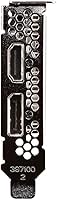
  • Video Outputs: Display connectivity includes both DisplayPort and HDMI outputs.
  • Max Resolution: The card supports a maximum output resolution of 7680x4320.
  • Cooling System: Cooling is handled by dual fans built with double ball-bearing construction for quieter operation.
  • Power Connector: The external PCIe power connector circuit includes built-in fuse protection.
  • Card Dimensions: Physical dimensions measure 6.69 x 2.2 x 0.67 inches.
  • Weight: The card weighs approximately 9.5 ounces.
  • Product Series: It is part of Sapphire's Pulse series of graphics cards.
  • Model Number: The official Sapphire model number for this card is 11315-01-20G.
  • Chipset Brand: The graphics chipset is manufactured by AMD.

Related Reviews
51RISC RX 550 4GB Graphics Card
74%
83%
Value for Money
88%
Installation Ease
86%
Multi-Monitor Support
84%
Media Playback Quality
31%
Gaming Performance
More
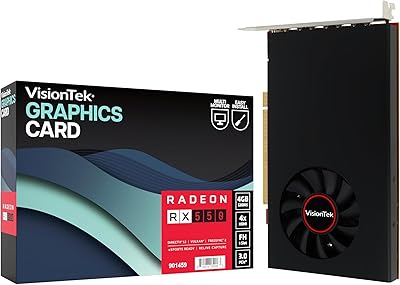
VisionTek Radeon RX 550 4GB Graphics Card
77%
91%
Multi-Monitor Output
93%
Installation Ease
44%
Gaming Performance
89%
Power Efficiency
82%
Build & Form Factor
More
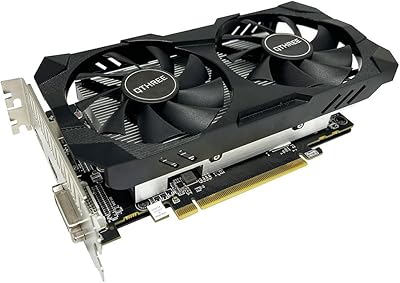
QTHREE Radeon RX 560 XT 8GB Graphics Card
68%
57%
Gaming Performance
61%
Value for Money
72%
VRAM & Memory Capacity
78%
Thermal Management & Cooling
67%
Build Quality & Physical Construction
More
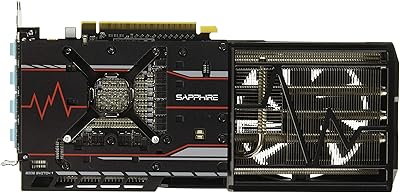
Sapphire Radeon RX Vega 56 8GB Graphics Card
76%
74%
Gaming Performance
81%
Thermal Management
78%
Noise Level
41%
Power Efficiency
89%
Build Quality
More
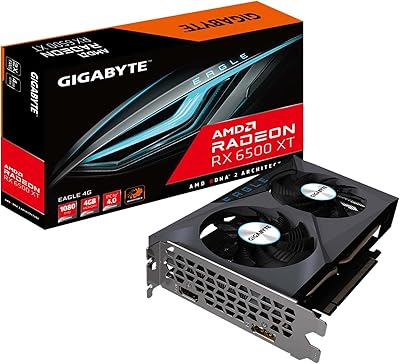
GIGABYTE Radeon RX 6500 XT Eagle 4GB Graphics Card
83%
92%
Value for Money
88%
Gaming Performance (1080p)
90%
Cooling System Efficiency
63%
4K Performance
84%
Build Quality
More
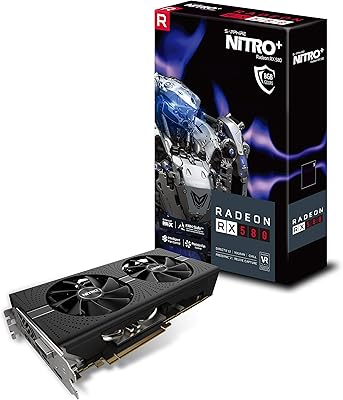
Sapphire NITRO+ RX 580 8GB Graphics Card
80%
84%
1080p Gaming Performance
88%
Thermal Management
91%
Build Quality
83%
Value for Money
57%
Power Efficiency
More
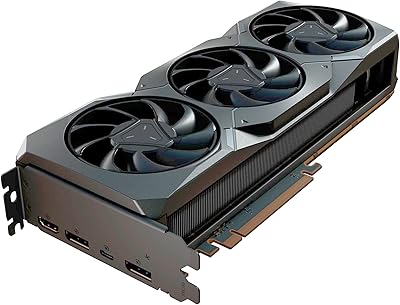
Sapphire Radeon RX 7900 XT Graphics Card
78%
91%
Rasterization Performance
63%
Ray Tracing Performance
93%
VRAM Capacity
88%
Build Quality
84%
Thermal Management
More
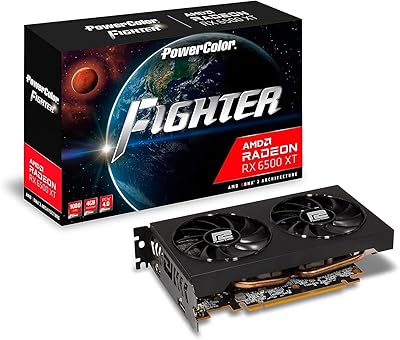
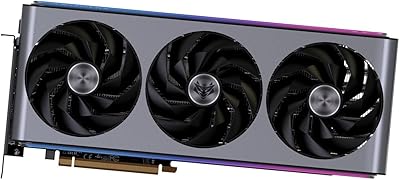
PowerColor Fighter RX 6500 XT Graphics Card
75%
74%
1080p Gaming Performance
47%
VRAM Adequacy
83%
Thermal Management
88%
Noise Level
91%
Power Efficiency
More
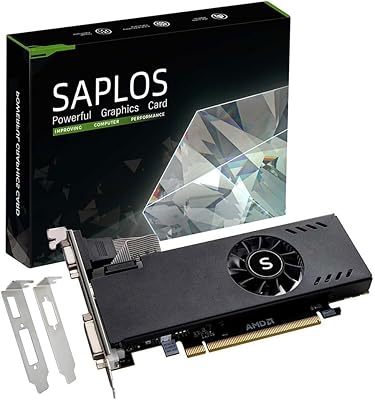
SAPLOS Radeon RX 550 4GB Graphics Card
81%
91%
Ease of Installation
88%
Compatibility
86%
Multi-Monitor Support
74%
Value for Money
58%
Gaming Performance
More
Sapphire Nitro+ AMD Radeon RX 7900 XTX 24GB GDDR6 Graphics Card
85%
94%
Performance
92%
Cooling Efficiency
89%
Noise Levels
91%
Graphics Quality (8K/4K)
87%
Build Quality/Durability
More

FAQ

Yes, it uses an external PCIe power connector, and Sapphire added fuse-protected circuitry around it as a safety measure. Check your power supply for a compatible connector before installing, since not every PSU is wired the same way.

The Sapphire Pulse RX 6400 4GB Graphics Card handles 1080p well in esports titles and older AAA games, but don't expect to max out settings in the most demanding modern releases. Think of it as a solid stepping stone above integrated graphics rather than a high-end gaming card.

Its compact dimensions, around 6.69 x 2.2 x 0.67 inches, make it a strong match for mini-ITX builds and HTPC setups where space is tight. It's one of the easier cards to install if you've struggled with bulkier graphics cards before.

The dual-fan cooling setup uses double ball-bearings, which tends to run quieter and last longer than cheaper sleeve-bearing fans. Buyer feedback generally points to quiet operation during everyday use, though fan noise can vary depending on your case airflow.

No, ray tracing isn't part of what this compact graphics card offers. If ray-traced visuals are a priority for you, you'll want to look at a higher tier card instead.

You get both DisplayPort and HDMI outputs, which covers the vast majority of monitors people already own. That should keep you covered whether you're connecting one screen or setting up a basic dual-monitor desk.

For 1080p gaming and everyday tasks, 4GB of GDDR6 memory is generally enough, especially in older or less demanding titles. It can become a limiting factor in newer, more memory-hungry games, so just keep your expectations realistic for the price tier.

It's a meaningful step up from integrated graphics, especially for gaming and smoother video playback. If you're currently relying on a CPU's built-in graphics, this Sapphire Pulse card should feel like a noticeable upgrade.

It uses a PCIe 4.0 interface, but it remains backward compatible with PCIe 3.0 slots found on slightly older motherboards. You don't need the newest platform to take advantage of it.

Feedback sits at a respectable 4.2 out of 5 stars from 247 ratings, with most buyers satisfied given its budget-tier positioning. As with any entry-level card, a few users note performance limits in heavier workloads, so it helps to go in with accurate expectations.