Overview

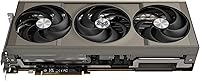
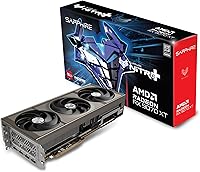
The Sapphire Nitro+ RX 9070 XT 16GB arrives as Sapphire's most serious push into the upper tier of AMD's RDNA 4 lineup, and it makes a strong first impression right out of the box. Built on AMD's newest architecture, this Sapphire card delivers a genuine generational step up in both rasterization throughput and ray tracing capability — not just a minor refresh dressed in a new name. The triple-fan Nitro+ cooler keeps temperatures composed under sustained load, and the overall construction feels appropriately solid for the price tier it occupies. It launched in early 2025, competing squarely with Nvidia's upper-mid-range offerings, and real-world results suggest it holds its own very well.
Features & Benefits

At the heart of this RDNA 4 GPU's appeal is its 16GB of GDDR6 on a 256-bit interface — a meaningful buffer for high-resolution texture packs and titles that are only getting more VRAM-hungry. The factory-overclocked boost clock reaches 3060 MHz, which translates to strong frame rates in demanding titles at 4K and smooth high-refresh play at 1440p. Ray tracing has improved noticeably over the previous generation, though it still trails the fastest Nvidia cards in the most punishing RT workloads — worth setting expectations accordingly. FSR 4 upscaling helps close that gap effectively. The cooler drops into zero-RPM mode at idle and light loads, meaning you won't hear a thing during desktop use.

Best For

The Nitro+ 9070 XT makes the most sense for gamers chasing high-refresh 1440p or a genuine crack at 4K without stretching into flagship GPU territory. It's also a solid pick for video editors and 3D rendering hobbyists — 16GB of fast VRAM handles large project files without complaint. AMD ecosystem users will appreciate how deeply FSR support is now baked into modern titles, making driver compatibility far less of a headache than it was a few years ago. Anyone upgrading from older RDNA 2 hardware or a mid-range Nvidia card will feel a real, tangible jump in performance. Just measure your case first — this card runs over 13 inches long.

User Feedback

Early buyers have responded positively, with ratings clustering high and most praise directed at out-of-box performance and how quietly the cooler operates under typical gaming loads. The zero-RPM behaviour at idle consistently gets a thumbs-up from users in home office environments. On the flip side, a noticeable subset of buyers flagged early driver instability — not unusual for a brand-new GPU architecture, and something that tends to smooth out as AMD refines its releases over the months following launch. Physical size is another recurring theme: a few buyers were caught off guard by how much internal space this Sapphire card demands. Community benchmark results, however, have largely matched or beaten AMD's advertised numbers, which is reassuring.

Pros

  • Delivers smooth, high-frame-rate 4K gaming in demanding modern titles without flagship-tier pricing.
  • 16GB of GDDR6 VRAM handles texture-heavy games and creative workloads without breaking a sweat.
  • Triple-fan cooler keeps temperatures composed during extended sessions without aggressive fan ramp-up.
  • Zero-RPM idle mode means the Nitro+ 9070 XT is completely silent during everyday desktop use.
  • FSR 4 upscaling integration is mature and genuinely useful across a wide range of supported titles.
  • Factory overclock is aggressive out of the box — strong performance without manual tuning required.
  • Dual HDMI and dual DisplayPort outputs make multi-monitor configurations straightforward and adapter-free.
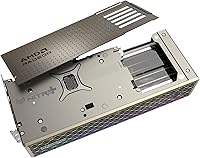
  • Build quality feels premium — the reinforced slot and dense heatsink assembly inspire real confidence.
  • Real-world benchmark results consistently match or beat AMD's official performance figures.
  • Meaningful ray tracing improvement over previous AMD generations makes RT-enabled titles more viable.

Cons

  • At 13-plus inches long, this Sapphire card will not fit many standard mid-tower cases without careful pre-purchase measurement.
  • Early driver releases carried instability issues that required AMD patch updates to resolve fully.
  • Near six-pound weight causes visible GPU sag without a support bracket in most standard builds.
  • Power draw at sustained peak load can destabilize systems running older or lower-rated PSUs.
  • Ray tracing performance, while improved, still falls short of top-tier Nvidia cards in path-traced workloads.
  • Memory bandwidth is constrained by the 256-bit bus, which limits performance in the most memory-bound scenarios.
  • No USB-C output limits plug-and-play compatibility with certain modern monitors and portable displays.
  • Overclocking headroom above the factory tune is relatively narrow given how aggressively it ships from the factory.
  • AMD's Adrenalin software interface still feels cluttered and occasionally buggy compared to competing driver suites.
  • Buyers on 750W power supplies will likely need a PSU upgrade to run this RDNA 4 GPU without issues.

Ratings

Our scores for the Sapphire Nitro+ RX 9070 XT 16GB were produced by AI analysis of verified global buyer reviews, with spam, bot activity, and incentivized feedback actively filtered out before scoring. Every number you see here reflects the genuine distribution of real-world owner experiences — the wins and the frustrations alike. Strengths are credited where earned, and recurring pain points are scored honestly rather than buried.
Gaming Performance
92%
Buyers consistently report fluid, high-frame-rate experiences at 1440p across demanding titles, with 4K gaming sitting comfortably within reach on most modern releases. Owners upgrading from older mid-range cards describe the difference as immediately noticeable — not a subtle incremental gain.
A small group of users note that the most GPU-intensive titles with aggressive ray tracing enabled can push frame rates lower than expected at 4K ultra settings, requiring some quality trade-offs to hit smooth performance targets.
Thermal Management
88%
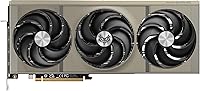
The triple-fan cooler keeps GPU temperatures well under control during extended gaming sessions, with many buyers reporting junction temps that stay respectable even during multi-hour play. Several users specifically praised how the card never felt like it was working too hard.
Under extended workstation-style loads — sustained rendering jobs that run for hours — a handful of users noted temperatures climbing higher than they anticipated, suggesting the cooler is optimized more for gaming duty cycles than all-day computational workloads.
Noise Level
91%
Zero-RPM mode at idle means this Sapphire card is completely inaudible during desktop use, light browsing, and video playback — a genuine quality-of-life win for home office setups. Even under moderate gaming loads, buyers describe the fan noise as unobtrusive compared to competing cards.
At full load in warm ambient environments, the fans do spin up audibly, and a few users in compact or poorly ventilated cases found the noise more noticeable than they expected based on the card's quiet reputation at lighter workloads.
VRAM Capacity & Bandwidth
93%
Sixteen gigabytes of GDDR6 is a meaningful cushion for 4K texture packs, modded games, and video editing timelines that would exhaust tighter configurations. Buyers working with large assets in creative applications specifically called out the VRAM headroom as a deciding factor in their purchase.
The 256-bit bus width, while competent, is not the widest available at this performance tier, and a small number of technically-minded buyers noted that memory bandwidth could be a limiting factor in specific memory-bound workloads compared to wider-bus alternatives.
Ray Tracing Performance
74%
26%
RDNA 4 brings a real, measurable improvement in ray tracing over the previous generation, and buyers coming from older AMD cards notice a genuine step up in lighting quality in titles with RT enabled. Moderate RT settings in popular games run without major frame rate penalties.
In the most demanding ray tracing scenarios — path tracing modes in titles like Cyberpunk or Alan Wake 2 — the Nitro+ 9070 XT still trails the fastest Nvidia alternatives, and users who prioritize maximum RT fidelity at 4K may find themselves wanting more headroom.
FSR & Upscaling Quality
86%
FSR 4 support is broadly appreciated among buyers who use it regularly, with many noting that quality-mode upscaling is convincing enough that they leave it enabled by default at 4K. The integration feels mature in titles that support it well.
FSR 4 compatibility is still title-dependent, and users of games with older or no FSR support find themselves without the upscaling benefits that partially define the card's value story. A few buyers also noted FSR 4 still shows edge artifacts in fast-motion scenes under close inspection.
Build Quality
89%
The card feels substantial and well-engineered — the reinforced PCIe bracket, the dense heatsink assembly, and the overall rigidity of the shroud all communicate premium construction. Buyers handling it for the first time frequently mention that it feels more solid than similarly priced alternatives.
At nearly six pounds, the card's weight places real stress on the PCIe slot over time without GPU sag support, and a few long-term users have already flagged visible sag in open-air test bench setups or cases without a brace.
Physical Size & Fit
63%
37%
The large footprint is a natural consequence of the robust cooling solution, and buyers with full-tower or mid-tower cases with good depth clearance report zero installation issues. For those builds, the size is simply a non-issue.
At 13 inches in length, this RDNA 4 GPU is a genuine compatibility problem for smaller mid-tower cases and anything compact. A recurring complaint in negative reviews is that buyers did not measure beforehand and had to return the card or modify their build to accommodate it.
Driver Stability
71%
29%
Most buyers report a smooth daily-driving experience once AMD pushed the first few post-launch driver updates, and those who purchased a few weeks after release encountered fewer issues than early adopters. For typical gaming use the driver situation is largely stable.
Early adopters documented crashes, black screens, and inconsistent performance across driver versions — issues that are common at new architecture launches but still frustrating. AMD's driver cadence has improved the situation, but users who need rock-solid stability from day one may prefer waiting for a more mature driver stack.
Connectivity & Display Output
87%
Dual HDMI 2.1 and dual DisplayPort 2.1 outputs give buyers real flexibility — running a gaming monitor alongside a productivity display, or connecting to a TV and a desktop panel simultaneously, works without adapter hassles. Multi-monitor users called this out as a practical strength.
Four outputs total is functional rather than exceptional, and content creators or traders running three or more displays simultaneously will max out the available ports quickly. There is no USB-C output, which limits plug-and-play compatibility with certain newer monitors.
Value for Money
82%
18%
Positioned below true flagship pricing while delivering performance that competes meaningfully with higher-cost alternatives, this Sapphire card occupies a pricing tier that buyers consistently describe as justifiable. The VRAM and performance combination is difficult to match at the same spend.
It is not a budget card by any measure, and buyers who stretch their budget to reach it occasionally express that the premium over lower-tier options requires deliberate use of 4K or high-refresh gaming to truly justify the outlay.
Overclocking Headroom
76%
24%
The factory overclock out of the box is already aggressive, and enthusiast buyers who push further with manual tuning report additional stable headroom available in the GPU frequency and memory clocks. The Nitro+ BIOS options give more control than reference designs.
Because Sapphire already ships the card with a fairly pushed overclock, the gap between stock and manually overclocked performance is narrower than some buyers hoped. A small number of users found headroom limited by thermals before hitting frequency ceilings.
Power Consumption
73%
27%
In typical gaming scenarios the card draws power in line with expectations for its performance class, and buyers with 850W or higher PSUs report no power delivery issues whatsoever. Efficiency at moderate workloads is noticeably better than previous-generation equivalents.
At full tilt — particularly when overclocked or running synthetic stress tests — power draw climbs noticeably, and a few users with 750W PSUs reported instability under sustained peak load. Buyers with older or lower-rated power supplies should budget for an upgrade.
Software & Ecosystem
79%
21%
AMD's Adrenalin software suite provides a functional control panel for overclocking, fan curves, and game-specific profiles, and buyers who invest time in setting it up appreciate having everything in one place. FSR and Anti-Lag integrations are well represented in the software layer.
The Adrenalin interface still divides opinion — some buyers find it cluttered and inconsistent compared to Nvidia's GeForce Experience, and occasional software-side bugs around overlay features or automatic updates have drawn criticism in user reviews.
Packaging & Unboxing
84%
The card arrives well-protected in dense foam with clear accessory organization, and buyers describe the unboxing as appropriately premium for the price tier. Accessories are minimal but include what is actually needed rather than padding the box with irrelevant items.
A small number of buyers received units with minor cosmetic scuffs on the shroud or slightly misaligned fan guards, suggesting quality control at packaging is not perfectly consistent across the production run, though functional defects were rarely reported.

Suitable for:

The Sapphire Nitro+ RX 9070 XT 16GB is the right call for PC gamers who want to run modern titles at high-refresh 1440p or push into 4K gaming without buying into the true flagship tier where diminishing returns set in fast. If you're sitting on an older RDNA 2 build or a mid-range Nvidia card and have been waiting for a meaningful reason to upgrade, this is a genuinely compelling one — the performance gap is real and immediately felt in titles like Cyberpunk 2077, Hogwarts Legacy, or any texture-heavy open-world game. Video editors and 3D artists working with large project files will also find the 16GB VRAM buffer a practical asset rather than a marketing bullet point. AMD ecosystem users, in particular, will appreciate how tightly FSR 4 integrates across supported titles, making upscaling feel like a native part of the experience rather than a compromise. Anyone running a dual-monitor setup — say, a gaming panel plus a productivity screen — will have no trouble with the flexible output configuration either.
Not suitable for:

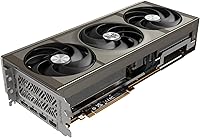
Buyers working with compact or small-form-factor cases should approach the Sapphire Nitro+ RX 9070 XT 16GB with caution: at over 13 inches in length, this RDNA 4 GPU simply will not fit many mid-tower cases without careful measurement, and it has already caught out a meaningful number of buyers who assumed compatibility without checking. If maximum ray tracing fidelity is your primary goal — path tracing in the most demanding titles at 4K ultra settings — this card will deliver better RT than its predecessors, but it still sits behind the fastest Nvidia alternatives in that specific discipline, and buyers who prioritize RT above everything else should factor that in. Users with power supply units rated below 850W should budget for an upgrade, as sustained peak loads push draw higher than some older systems can reliably handle. Early adopters sensitive to driver instability may also want to hold off until AMD's release cadence matures further, as new architecture launches historically carry teething issues in the first months. Finally, anyone who simply does not play at 1440p or 4K and is happy at 1080p will be significantly overpaying for headroom they will never use.
Specifications

  • GPU: The card is powered by the AMD Radeon RX 9070 XT graphics processor built on the RDNA 4 architecture.
  • VRAM: 16GB of GDDR6 memory provides generous headroom for 4K texture packs, high-resolution assets, and memory-intensive creative workloads.
  • Memory Interface: The memory runs on a 256-bit bus, delivering the bandwidth needed for smooth high-resolution gaming and content creation.
  • Boost Clock: The factory overclock pushes the GPU boost clock to 3060 MHz, placing it among the highest stock speeds in its performance class.
  • Display Outputs: The card features two HDMI 2.1 ports and two DisplayPort 2.1 ports, supporting up to four simultaneous display connections.
  • Max Resolution: Supported maximum output resolution is 3840x2160 (4K UHD), suitable for both gaming and professional display configurations.
  • Card Length: The card measures 13.02 inches in length, requiring careful case clearance verification before purchase.
  • Card Width: Width measures 5.06 inches, occupying a standard dual-slot-plus footprint typical of high-performance AIB cooler designs.
  • Weight: The card weighs 5.72 pounds, a substantial mass that may cause PCIe slot sag without an aftermarket GPU support bracket.
  • Cooling System: Cooling is handled by Sapphire's triple-fan Nitro+ heatsink assembly with a zero-RPM mode that disables the fans entirely under light loads.
  • PCIe Interface: The card connects via a PCIe 5.0 x16 interface, though it is backward compatible with PCIe 4.0 and 3.0 motherboard slots.
  • Power Connector: The card requires a high-wattage power supply, and Sapphire recommends a minimum 850W PSU for stable operation under sustained peak loads.
  • Architecture: Built on AMD's RDNA 4 architecture, the GPU delivers improved rasterization, enhanced ray tracing hardware, and support for FSR 4 AI-accelerated upscaling.
  • Chipset Brand: The chipset is manufactured by AMD, ensuring native compatibility with AMD's Adrenalin driver software and FidelityFX ecosystem.
  • Model Number: The official Sapphire model number for this card is 11348-01-20G, useful for verifying compatibility documents and warranty registration.
  • Manufacturer: The card is designed and manufactured by Sapphire Technology, one of AMD's longest-standing and most respected AIB partners.
  • Release Date: The card became commercially available in March 2025 as part of AMD's initial RDNA 4 launch lineup.
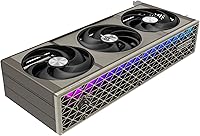
  • Color: The card ships in a black colorway with the Nitro+ shroud design featuring RGB accent lighting on the top spine.

Related Reviews
Sapphire PULSE Radeon RX 7600 XT 16GB
86%
89%
Performance
90%
Cooling Efficiency
87%
Value for Money
85%
Build Quality
91%
Gaming Performance (1080p/1440p)
More
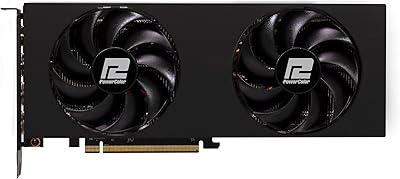
PowerColor Reaper RX 9070 XT 16GB
81%
93%
Gaming Performance at 1440p
88%
Value for Money
71%
Thermal Performance
67%
Noise Levels
84%
Build Quality & Physical Design
More
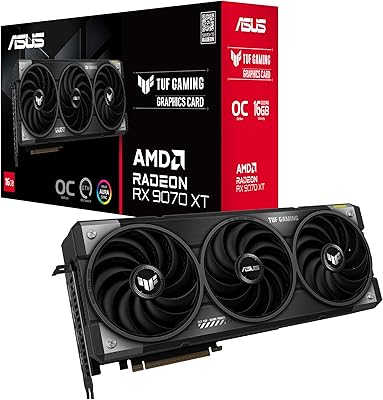
ASUS TUF Gaming Radeon RX 9070 XT OC Edition 16GB
84%
92%
Performance in Demanding Games
90%
Cooling Efficiency
88%
4K Gaming Capability
87%
Durability and Build Quality
85%
Setup and Installation
More
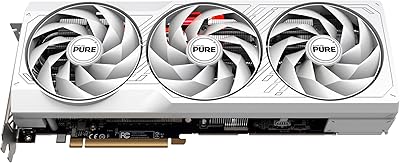
Sapphire Pure AMD Radeon RX 7800 XT Gaming OC 16GB GDDR6
84%
92%
Gaming Performance
94%
Cooling Efficiency
91%
4K Gaming Experience
88%
Build Quality
90%
Noise Levels
More
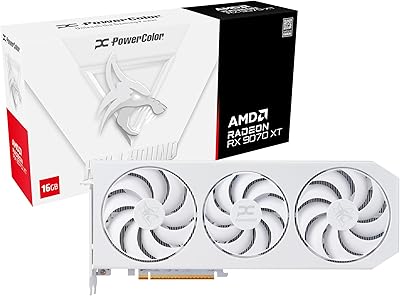
PowerColor Hellhound Spectral White AMD Radeon RX 9070 XT 16GB GDDR6
85%
94%
Performance in Gaming
90%
Cooling Efficiency
88%
Build Quality
91%
4K Gaming Experience
70%
Size & Fit for Cases
More
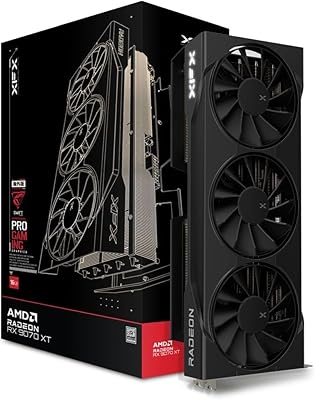
XFX Swift AMD Radeon RX 9070 XT 16GB GDDR6 Graphics Card
88%
94%
4K Gaming Performance
90%
Cooling Efficiency
88%
Build Quality
85%
Ease of Installation
89%
Multi-Monitor Compatibility
More
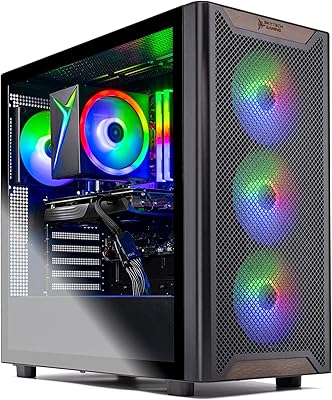
Skytech Gaming Chronos 3 Desktop PC, Ryzen 7 7700, AMD RX 9070 XT 16GB, 32GB DDR5 RAM, 2TB SSD
87%
94%
4K Gaming Performance
90%
Multitasking & RAM Capacity
96%
Setup & Installation
85%
Cooling Efficiency
89%
Build Quality & Design
More
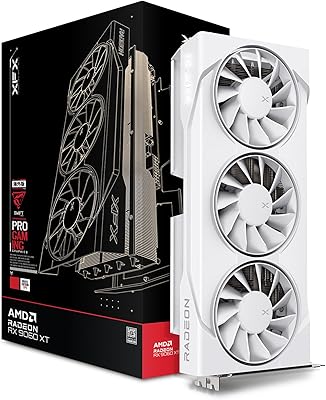
XFX RX 9060 XT 16GB
XFX RX 9060 XT 16GB
87%
94%
Gaming Performance
91%
4K Resolution Handling
88%
Cooling Efficiency
85%
Noise Levels
96%
Memory Capacity
More
PowerColor Radeon RX 7800 XT 16GB
85%
93%
Gaming Performance
88%
Cooling Efficiency
91%
4K Gaming Capabilities
85%
Build Quality
87%
Noise Level
More
AMD Radeon RX 6950 XT 16GB Graphics Card
86%
94%
4K Gaming Performance
87%
Value for Money
75%
Power Consumption
80%
Cooling and Temperature Management
90%
Software Features (Radeon Suite)
More

FAQ

That depends entirely on your specific case, so please measure before ordering. This Sapphire card is 13.02 inches long, which exceeds the maximum GPU clearance in a significant number of popular mid-tower enclosures. Check your case manufacturer's listed maximum GPU length and compare it directly — do not assume it will fit because previous cards did.

For typical gaming use you can often get by with a quality 750W unit, but under sustained peak loads — stress tests, overclocked operation, or heavily CPU-bound games that keep both the GPU and CPU hammered simultaneously — an 850W PSU gives you the headroom to avoid instability. If your current supply is aging or a lower-quality unit, treat 850W as the real minimum.

RDNA 4 is a genuine step forward for AMD in ray tracing, and for moderate RT settings in most mainstream titles the Nitro+ 9070 XT performs very well. However, in the most demanding path-traced scenarios at 4K ultra settings, top-tier Nvidia alternatives still hold an edge. If RT-heavy gaming at maximum fidelity is your top priority above everything else, that gap is worth factoring into your decision.

Early adopters of any new GPU architecture do face a higher chance of encountering driver quirks, and the initial launch window for RDNA 4 was no exception. That said, AMD has been actively releasing updates, and buyers who purchased after the first few driver revisions report a noticeably smoother experience. If you need rock-solid stability from day one, waiting another month or two for the driver stack to mature further is a reasonable precaution.

It handles both well, honestly. The 16GB VRAM buffer is genuinely useful for video editing timelines with high-resolution footage, and AMD's GPU acceleration is supported in major editing applications. It is primarily marketed as a gaming card, but creative professionals doing video work or 3D rendering will find the VRAM headroom a practical asset rather than a theoretical one.

Yes, completely silent. When the GPU is not under meaningful load — desktop use, web browsing, video playback — the fans stop spinning entirely. You will not hear anything from the card. They only spin up once a temperature or load threshold is crossed during actual gaming or GPU compute tasks.

You can run up to four monitors simultaneously using the two HDMI and two DisplayPort outputs, so three monitors is straightforward. Just keep in mind there is no USB-C output, so if any of your monitors only have USB-C connectivity you will need an active adapter.

At 1440p this card is genuinely powerful — it will push very high frame rates in most titles, making it excellent for high-refresh gaming on 144Hz or 165Hz panels. It is not overkill in the sense that the extra performance headroom directly translates to smoother gameplay and the ability to max settings without compromise. Think of 1440p as its comfortable sweet spot, with 4K as the stretch target.

Yes, this Sapphire card fully supports AMD FreeSync Premium and FreeSync Premium Pro on compatible monitors. For G-Sync monitors, variable refresh rate will work on G-Sync Compatible certified displays over DisplayPort, though full G-Sync Ultimate hardware module features are exclusive to Nvidia setups.

Given the card weighs nearly six pounds with a large heatsink assembly, some degree of GPU sag is expected in most standard horizontal motherboard builds over time. Sapphire includes some sag mitigation at the bracket end, but adding an aftermarket GPU support brace or anti-sag bracket is a sensible precaution for long-term slot health. Many case manufacturers and third parties sell universal GPU support stands for under twenty dollars.