Overview

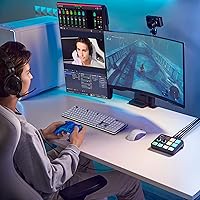
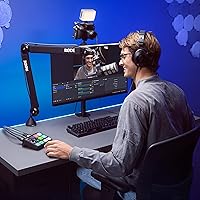
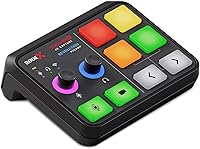
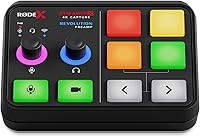
The RØDE Streamer X Audio Interface Capture Card arrived in May 2023 as RØDE's answer to a real problem: most streamers and content creators were juggling a separate audio interface and capture card, eating up desk space and USB ports. This streaming interface consolidates both into a single compact unit — something that makes immediate sense for anyone running a camera feed alongside a condenser mic. RØDE has built its reputation on broadcast-quality audio hardware, and that pedigree carries real weight here. The dual USB-C output design is particularly clever for two-PC streaming setups, letting one machine handle capture while another handles the live stream itself.
Features & Benefits

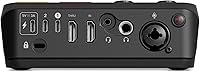
On the video side, the Streamer X captures at 4K/30fps or 1440p/60fps via HDMI — the 1440p/60 option is generally more practical for gaming content where frame rate matters more than raw resolution. The HDMI passthrough supports real-time monitoring up to 4K/60fps, so your display never takes a hit. Audio is where this capture and audio combo unit genuinely pulls ahead of budget alternatives. The Revolution Preamp behind the Neutrik combo input delivers noticeably cleaner gain than what you find on a typical capture card, and the onboard RØDE wireless receiver lets you connect a Wireless GO II or Wireless ME without any additional hardware. TRRS input also covers cameras and phones with standard headphone-style outputs.

Best For

This streaming interface makes the most sense for a specific kind of buyer, and being clear about that upfront matters. If you already own a Wireless GO II or another RØDE Series IV wireless mic, the built-in receiver alone justifies serious consideration — the RØDE wireless ecosystem integration is tight and genuinely useful. Console gamers running a two-PC setup will also appreciate having one box handle both the audio chain and the video capture feed. It is less compelling if you only need a capture card with no use for XLR or wireless inputs; standalone capture cards at a lower price may serve those users better. For minimalist content creators, though, the consolidation is hard to argue with.

User Feedback

With a 3.7 out of 5 rating across more than 200 reviews, the Streamer X sits in somewhat divided territory for a premium-priced device. Positive reviewers consistently praise the audio preamp quality and the clean, sturdy build — this is not a cheap-feeling piece of kit. Criticism tends to cluster around driver stability issues on certain Windows configurations and occasional complaints that software support has lagged behind the hardware's potential. A handful of users expected smoother out-of-the-box compatibility. The device ranks #60 in the capture card category, which reflects both strong brand recognition and the reality that this is a niche unit aimed at a specific creator workflow rather than the casual mainstream buyer.

Pros

  • Combines a professional-grade audio interface and 4K capture card into one compact unit, reducing desk clutter significantly.
  • The Revolution Preamp delivers noticeably cleaner, fuller vocal sound than what typical capture cards offer.
  • Built-in RØDE Series IV wireless receiver eliminates the need for a separate dongle when using Wireless GO II or Wireless ME.
  • Dual USB-C outputs enable a proper two-PC streaming workflow without additional hardware or adapters.
  • HDMI passthrough supports up to 4K/60fps, so your monitor signal remains unaffected during capture.
  • Sturdy, premium build quality feels appropriately durable for a device in this price tier.
  • TRRS input expands source compatibility to include smartphones and cameras with standard audio outputs.
  • Compact at just 380g and 5.6 x 4.8 x 2 inches, it fits easily into tight desk setups or travel bags.

Cons

  • Driver stability issues on certain Windows configurations have been a recurring complaint among verified buyers.
  • Software support has reportedly lagged behind the hardware, with some features feeling underdeveloped post-launch.
  • The onboard wireless receiver only works with RØDE Series IV products, making it useless for owners of other wireless brands.
  • 4K capture is capped at 30fps, which limits its appeal for fast-motion gaming content where higher frame rates matter.
  • At this price point, a 3.7 out of 5 average rating across 223 reviews raises legitimate questions about consistency.
  • No 1080p/120fps capture option, which some gaming-focused streamers will consider a meaningful gap.
  • Out-of-the-box setup can require firmware updates and troubleshooting that non-technical users may find frustrating.
  • Heavy investment in the RØDE ecosystem is effectively required to unlock the full value of this device.

Ratings

The scores below reflect an AI-driven analysis of verified global buyer reviews for the RØDE Streamer X Audio Interface Capture Card, with spam, bot activity, and incentivized feedback actively filtered out before scoring. Ratings cover the full range of real-world performance — from the aspects users consistently praise to the friction points that genuinely frustrated buyers. Both sides are represented honestly so you can make a clear-eyed purchase decision.

Audio Quality
91%
The Revolution Preamp is the standout strength nearly every satisfied reviewer mentions. Vocals come through with clarity and low-noise gain that you simply do not get from a standard capture card's audio input, and users upgrading from budget interfaces noticed the difference immediately in their stream recordings.
A small number of users reported occasional ground hum when mixing certain XLR mics with the TRRS input simultaneously, suggesting that complex multi-source setups can introduce noise if not configured carefully. This is an edge case, but worth knowing if you plan to run multiple inputs at once.
Video Capture Quality
74%
26%
The 1440p/60fps capture mode is where most users found genuine value, producing clean, smooth footage for gaming and camera content that holds up well in post. The HDMI passthrough at 4K/60fps ensures the source display is never compromised, which reviewers running high-refresh monitors specifically appreciated.
The 4K capture ceiling of 30fps disappoints users who expected more from a premium device, particularly gamers who wanted high-frame-rate 4K recording. Several reviewers noted that competing capture cards at a lower price offer 1080p/120fps, which is arguably more useful for fast-paced content than 4K/30fps.
Build Quality
88%
Reviewers consistently describe the Streamer X as feeling solid and purposefully constructed, with a weight and rigidity that reads as professional rather than plasticky. The Neutrik combo connector in particular draws praise for its robust, click-lock feel compared to cheaper alternatives.
A few users noted that the unit runs noticeably warm during extended streaming sessions, which raised some concern about long-term durability under heavy daily use. No widespread reports of physical failure, but the heat output is something to monitor in poorly ventilated desk setups.
Driver & Software Stability
52%
48%
Users who took the time to install the latest RØDE Connect software and update the firmware before first use generally reported a stable and functional experience. On macOS in particular, several reviewers found the setup straightforward and the device reliable once properly initialized.
This is the single biggest pain point in the review pool. A substantial number of Windows users encountered recognition failures, audio dropouts, and conflicts with existing USB audio drivers that required significant troubleshooting. The out-of-the-box experience is inconsistent enough that it clearly drove down overall satisfaction ratings.
Ecosystem Integration
86%
For streamers already using the Wireless GO II or Wireless ME, the onboard Series IV wireless receiver is a genuine quality-of-life upgrade — one fewer USB receiver on the desk and a cleaner signal chain. Reviewers in the RØDE ecosystem described the wireless pairing process as quick and reliable once the software was running.
The wireless receiver is completely useless to anyone outside the RØDE Series IV ecosystem, which narrows the appeal considerably. Users who came to the device hoping to use third-party wireless mics found this limitation frustrating, particularly given the premium pricing.
Ease of Setup
58%
42%
Users who followed the full RØDE setup documentation — software install, firmware update, then hardware connection — generally got up and running within 20 to 30 minutes. The physical connectivity is intuitive, and the port labeling is clear enough that the hardware side rarely caused confusion.
The software dependency makes the initial setup experience more fragile than buyers at this price point expect. Several reviewers expressed frustration that the device did not simply work when plugged in, and the firmware update requirement before first use felt like an unnecessary hurdle for a retail product.
Two-PC Workflow
83%
Reviewers running dedicated streaming rigs specifically praised the dual USB-C output design as one of the most practical implementations of the two-PC workflow they had used. Being able to route the video feed to one machine and the stream to another without splitters or additional hardware simplified a traditionally messy setup.
For single-PC users, the dual output offers no advantage and adds nothing to justify the price premium. A couple of reviewers also noted that getting both outputs recognized simultaneously on different operating systems required careful driver management that was not well-documented.
Value for Money
61%
39%
For a user who genuinely needs both a professional audio interface and a capable capture card, the consolidation into one device does offer real monetary and practical value compared to buying two separate units at equivalent quality levels. The Revolution Preamp alone would cost meaningfully more in a standalone interface.
For buyers who only need one of the two functions, the price is hard to justify relative to purpose-built alternatives. The 3.7 out of 5 average rating also signals that a significant portion of buyers felt the product did not deliver enough reliability to match its cost, which is a fair concern for a device in this tier.
Compatibility
63%
37%
The HDMI input accepts signals from a wide range of sources including consoles, cameras, and secondary computers, and the TRRS port expands connectivity to smartphones and compact cameras. Most OBS users reported clean device detection once drivers were properly installed.
Compatibility with certain Windows builds and USB controller chipsets has been an ongoing issue, with reviewers on older or non-standard systems reporting inconsistent recognition. The device also lacks USB-A outputs, which limits direct connection options for users whose computers or hubs do not have USB-C ports available.
Portability
79%
21%
At 380g and roughly the footprint of a large smartphone, the Streamer X is genuinely easy to pack into a camera bag or laptop sleeve for on-location streaming or event coverage. Several mobile content creators mentioned it as a rare capture device that does not feel burdensome to transport.
The lack of a protective case or carrying pouch in the box means the exposed ports and Neutrik input are vulnerable during travel. Users who move the device frequently between setups noted that the connector ports could benefit from dust covers, which are not included.
Latency Performance
77%
23%
The HDMI passthrough performs well enough that most reviewers did not notice any meaningful display lag during regular gaming or camera monitoring use. Audio monitoring latency through the interface was described as low and workable for live performance and streaming scenarios.
A handful of users reported occasional audio sync drift during longer continuous capture sessions, which required manual correction in editing. This was not a universal complaint, but it appeared often enough in reviews to flag as a potential issue for users doing long-form recording.
Software Feature Depth
66%
34%
RØDE Connect provides a functional mixing environment with per-channel controls, and reviewers appreciated the visual feedback it offers over a basic system-level driver. The software has received updates since launch, suggesting RØDE is actively maintaining it rather than abandoning post-sale development.
Several users felt the software is still catching up to the hardware's potential, with some expected routing and monitoring features either missing or underdeveloped compared to rival interfaces at a similar price. The overall impression is of software that works but has not yet reached the polish level the hardware deserves.

Suitable for:

The RØDE Streamer X Audio Interface Capture Card is built for a specific type of creator, and for that person it genuinely delivers. If you are already running RØDE wireless microphones — particularly the Wireless GO II or Wireless ME — the onboard receiver alone makes this a compelling consolidation piece, removing one more USB dongle and receiver box from your desk. Console gamers running a two-PC streaming setup will find real value in the dual USB-C outputs, which let one machine capture the game feed while the other handles the live broadcast without complicated workarounds. Content creators who have been splitting their budget between a basic capture card and a separate audio interface will appreciate getting broadcast-level preamp quality and clean HDMI capture from a single unit. Anyone prioritizing a clean, minimal desk setup with professional audio output will find the compact footprint hard to beat at this hardware tier.
Not suitable for:

Buyers who only need a straightforward capture card and have no interest in XLR microphones or the RØDE wireless ecosystem will likely find this overkill and overpriced relative to dedicated capture-only alternatives. The RØDE Streamer X Audio Interface Capture Card carries a premium price that is difficult to justify if you are not actively using the audio interface functionality. Users on Windows systems who are not comfortable troubleshooting driver issues or updating firmware should proceed with caution, as a meaningful portion of negative reviews point to compatibility headaches out of the box. If you are chasing the highest possible frame rate capture for fast-paced gaming content, the 4K/30fps ceiling may frustrate you — 1440p/60fps is the more practical ceiling here, and some competitors offer 1080p/120fps options that this unit does not. Buyers new to streaming who do not yet own RØDE gear are probably better served by starting with more purpose-specific, lower-cost entry points and expanding later.
Specifications

  • Brand: Manufactured by RØDE, an Australian audio company with a long track record in professional broadcast and studio microphone hardware.
  • Model: The unit carries the official model designation STREAMERX and was first made available in May 2023.
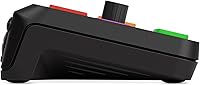
  • Dimensions: The device measures 5.6 x 4.8 x 2 inches, making it compact enough to sit beside a keyboard or mount on a small desk arm.
  • Weight: At 380g (13.4 oz), the Streamer X is light enough to reposition easily without feeling flimsy in hand.
  • Video Capture: Captures HDMI input at up to 4K at 30fps or 1440p at 60fps, offering a practical choice between resolution and frame rate depending on content type.
  • HDMI Passthrough: Supports real-time HDMI passthrough monitoring at up to 4K at 60fps, ensuring zero degradation to your connected display during active capture.
  • Audio Input: Features a Neutrik combo XLR/TRS input backed by RØDE's Revolution Preamp for broadcast-grade microphone and line-level signal capture.
  • TRRS Input: Includes a TRRS input port for connecting smartphones or cameras that output audio via a standard 3.5mm headphone-style connector.
  • Wireless Receiver: Houses an onboard receiver compatible exclusively with RØDE Series IV wireless products, including the Wireless GO II, Wireless ME, and M2-GO.
  • USB Outputs: Equipped with dual USB-C outputs, allowing simultaneous connection to two computers for split capture-and-stream workflows.
  • Audio Channels: Handles up to 4 audio channels, accommodating multiple simultaneous audio sources within a single streaming or recording session.
  • Connectivity: Connects via HDMI for video input, dual USB-C for computer output, and TRRS for secondary audio sources, covering the main interfaces used in modern streaming setups.
  • Power Source: The device is powered via USB connection to the host computer, requiring no separate power adapter under standard operating conditions.
  • Platform: Compatible with Windows and macOS computers, as well as consoles and cameras as video source devices via HDMI input.
  • Category Rank: Ranked #60 in the Internal TV Tuner and Video Capture Cards category on Amazon at the time of this review, reflecting solid but not dominant market positioning.

Related Reviews
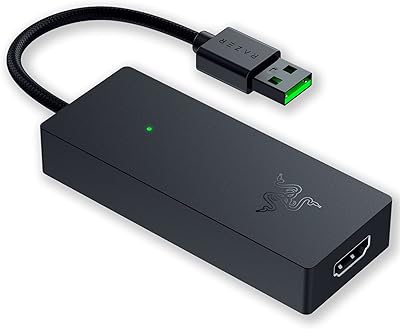
Razer Ripsaw X USB Capture Card

77%
92%
Ease of Setup
78%
Video Capture Quality
88%
Software Compatibility
83%
Latency Performance
74%
Build Quality
More
Roland UA-1010 OCTA-CAPTURE USB Audio Interface
74%
88%
Preamp Quality
93%
Channel Count & I/O
86%
Driver Stability on Windows
31%
macOS Compatibility
79%
AUTO-SENS Function
More
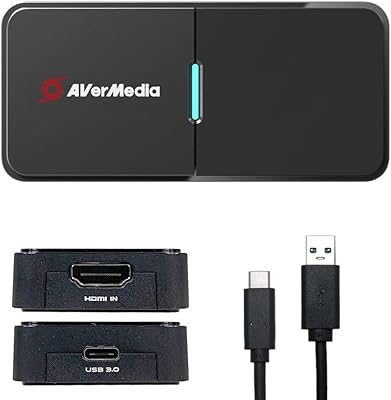
AVerMedia BU113 Live Streamer Cap 4K
87%
94%
Video Fidelity
91%
Build Quality
87%
Plug-and-Play Stability
92%
Latency Performance
78%
Software Utility
More
Roland UA-1610 USB Audio Interface
73%
88%
Preamp Quality
51%
Driver Stability
83%
Latency Performance
91%
Channel Count & I/O
79%
Build Quality
More
M-Audio AIR 192|4
M-Audio AIR 192|4
85%
93%
Build Durability
91%
Tactile Control Experience
88%
Preamplifier Transparency
87%
Recording Latency
86%
Software Bundle Value
More
Universal Audio Arrow Thunderbolt 3 Audio Interface
77%
93%
Audio Conversion Quality
91%
Unison Preamp Performance
88%
Real-Time UAD Processing
58%
Thunderbolt 3 Connectivity
61%
Windows Compatibility
More
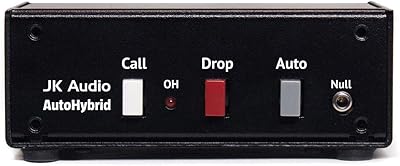
JK Audio Autohybrid Telephone Audio Interface
75%
88%
Audio Signal Clarity
84%
Sidetone Rejection
86%
Build Quality
61%
Ease of Setup
31%
VoIP Compatibility
More
M-Audio M-Track 2X2 USB Audio Interface
76%
84%
Build Quality
76%
Preamp Performance
82%
Ease of Setup
58%
Driver Stability
79%
Value for Money
More
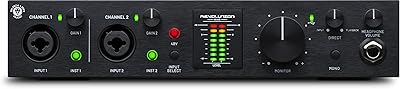
Black Lion Audio Revolution 2x2 Audio Interface
75%
88%
Preamp Quality
91%
Audio Transparency
86%
Clocking Performance
87%
Build Quality
73%
Value for Money
More
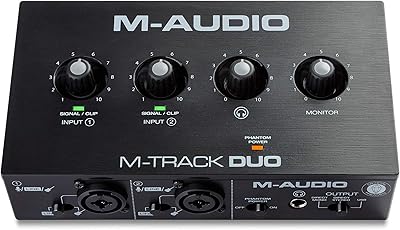
M-Audio M-Track Duo
M-Audio M-Track Duo
83%
88%
Preamp Clarity
93%
Value for Money
62%
Build Quality
91%
Ease of Installation
87%
Portability
More

FAQ

You will likely need to install RØDE's dedicated software and may need to update the firmware before everything runs properly. Out-of-the-box plug-and-play behavior is not guaranteed on all Windows configurations, and a portion of user complaints trace back to skipping this setup step. Taking 10 minutes to run through the official RØDE setup guide before your first session will save you a lot of frustration.

Any standard XLR microphone will work with the Neutrik combo input — it is not locked to RØDE-branded mics. The Revolution Preamp will clean up the signal regardless of which mic you plug in. The ecosystem lock-in only applies to the onboard wireless receiver, which exclusively supports RØDE Series IV wireless products.

A two-PC streaming setup involves one computer running your game or content source and a second dedicated computer handling the live stream encoding and broadcast. The Streamer X connects to both simultaneously via its dual USB-C outputs, so the capture card feeds footage to the stream PC without taxing the gaming PC at all. It is a workflow favored by serious streamers who want smooth game performance and high-quality stream output at the same time.

The HDMI passthrough on the Streamer X supports up to 4K/60fps monitoring and is designed to be essentially transparent to your display. In practice, any latency introduced is negligible for standard use, though competitive gamers who are hypersensitive to display latency may still prefer plugging directly into their monitor without the passthrough in the chain.

The onboard receiver is designed to work with RØDE Series IV wireless products including the Wireless GO II, but you will need to pair the transmitter to the built-in receiver rather than just assuming it carries over from your existing setup. The pairing process follows RØDE's standard procedure and is generally straightforward once you have the RØDE Connect software installed.

For live streaming, 4K/30fps is largely impractical because major platforms like Twitch and YouTube cap live streams well below that ceiling anyway. The 1440p/60fps mode is the more genuinely useful setting for most streaming scenarios, especially for gaming content where smooth motion matters more than pixel density. If you are recording locally for later upload, 4K/30fps becomes more relevant for documentary-style or camera-focused content.

Yes, the TRRS input lets you connect a smartphone or camera using a standard 3.5mm TRRS cable, which is the same connector type found on most phone headphone jacks. This is handy if you want to pull in a phone call, a remote guest audio feed, or a secondary audio source without needing extra hardware.

Yes, it works as a standard capture device and audio input within OBS Studio. Once your drivers are installed and the device is recognized by your operating system, OBS will detect it as a video capture source and audio input without any special plugins required.

The main advantages of the Streamer X over a separate pairing are desk consolidation, fewer cables, and the built-in wireless receiver for RØDE gear. However, if you buy dedicated devices separately you often get more flexibility — for example, a standalone audio interface may offer more inputs or routing options. The all-in-one approach makes the most sense if you specifically need both functions and want to keep the setup tight rather than maximize expandability.

It is worth taking seriously. For a device at this price tier, a 3.7 average across more than 200 reviews suggests that a meaningful number of buyers ran into real frustrations, particularly around driver compatibility and software polish. That said, the negative reviews tend to skew toward specific Windows setups, and users who took time to set it up properly and who were already in the RØDE ecosystem report much more positive experiences. Go in with realistic expectations, budget time for initial setup, and check whether your specific OS version has known issues before purchasing.

Where to Buy