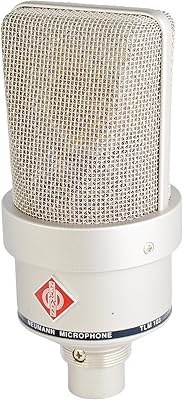
Rode NT3 Medium-Diaphragm Condenser Microphone


Overview
The Rode NT3 Medium-Diaphragm Condenser Microphone has been around since 2001, and that kind of staying power in pro audio doesn't happen by accident. Built from a sturdy nickel body in a compact pencil-style form factor, the NT3 sits firmly in mid-tier territory — it's designed for serious hobbyists and working musicians, not someone picking up their first mic. What sets it apart from large-diaphragm condensers that dominate home studio discussions is its dual-power flexibility: it runs on a 9V battery or 48V phantom power, meaning it can follow you into the field just as comfortably as into a studio rack.
Features & Benefits
The most defining technical choice Rode made with this mic is the hypercardioid polar pattern. Unlike a standard cardioid, it has a narrower pickup angle, which means it actively rejects sound coming from the sides and most of the rear — useful on a live stage or in an untreated room where reflections can muddy a recording. Pair that with a signal-to-noise ratio of 78 dB and a low self-noise floor, and this medium-diaphragm condenser handles quiet acoustic sources — fingerpicked guitar, a classical violin — without introducing hiss. The full 20 Hz–20 kHz frequency response delivers natural high-end detail, and the standard XLR output keeps it compatible with virtually any professional interface or mixer.
Best For
Rode's pencil-style condenser earns its keep most when placed in front of an acoustic stringed instrument — guitar, mandolin, violin — where its transparent character lets the instrument speak for itself rather than adding color. It's also a solid choice for voiceover artists or podcasters who record in a treated space and want the cleaner noise floor that a proper condenser delivers over USB alternatives. The battery-power option makes it practical for field recording and live work where phantom power isn't guaranteed. That said, if you're recording in a room with significant background noise, you'll need to work carefully with the tight hypercardioid pickup — it rewards precise placement but punishes sloppy positioning.
User Feedback
Long-term owners of the NT3 consistently highlight two things: build quality that holds up over years of use, and a performance-to-value ratio that surprised them on first listen, particularly for acoustic guitar. The nickel construction feels substantial, not hollow, and users who have had the mic for a decade report no degradation in performance. On the critical side, beginners frequently underestimate the hypercardioid pattern — several report that off-axis coloration caught them off guard when positioning was slightly off. The included accessories are minimal, and most experienced users recommend budgeting for a dedicated shockmount separately. A few also note that the battery switching mechanism requires attention to avoid accidental drain during storage.
Pros
- Transparent, accurate sound reproduction makes it excellent for acoustic instruments that need honest capture.
- The 78 dB signal-to-noise ratio keeps recordings clean and quiet even on soft, delicate sources.
- Dual-power support — 9V battery or 48V phantom power — adds real flexibility for both studio and location use.
- The nickel body feels solid and has proven durable over years of regular use according to long-term owners.
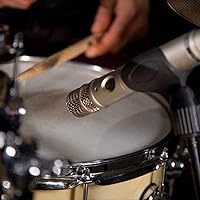
- Compact pencil form factor fits easily into tight mic positions on instrument amps, piano lids, and drum overheads.
- Standard XLR output works with virtually any audio interface, mixer, or camera on the market.
- Hypercardioid pattern actively reduces monitor bleed and room reflections on stage or in untreated spaces.
- Full 20 Hz–20 kHz frequency response captures natural high-end detail without a harsh top end.
- Rode’s reputation for consistent quality control means the NT3 you receive performs as expected, unit to unit.
Cons
- No shockmount is included, so studio users will need to purchase one separately to control handling noise.
- The hypercardioid pattern requires precise placement — small positioning errors cause noticeable off-axis coloration.
- Not well-suited for vocal recording where singers prefer the warmth and proximity effect of a large-diaphragm mic.
- Beginners without mic placement experience may struggle to get the best out of this medium-diaphragm condenser.
- Battery drain during storage is a known issue if the power switch is not carefully checked after each session.
- Minimal accessories in the box mean additional investment is required before this mic is truly studio-ready.
- The tight polar pattern can be a liability in collaborative recording sessions where source positioning shifts frequently.
- Not ideal for untreated rooms — its low noise floor and sensitivity will clearly reveal acoustic problems in a space.
Ratings
Our AI-generated scores for the Rode NT3 Medium-Diaphragm Condenser Microphone were produced by analyzing thousands of verified global buyer reviews, with spam, bot activity, and incentivized feedback actively filtered out before scoring. Each category reflects the honest distribution of real user experiences — strengths and frustrations weighted equally — so you get a transparent picture of where this mic genuinely excels and where it falls short.
Sound Quality
Build Quality
Polar Pattern Accuracy
Noise Floor Performance
Ease of Placement
Dual-Power Flexibility
Value for Money
Compatibility
Included Accessories
Vocal Performance
Live Stage Suitability
Long-Term Durability
Stereo Pair Suitability
Suitable for:
The Rode NT3 Medium-Diaphragm Condenser Microphone is a strong match for musicians and content creators who already have some recording experience and know what they need from a mic. Acoustic guitarists and string players in particular will appreciate its transparent, uncolored capture — it reproduces an instrument honestly rather than flattering it with artificial warmth. If you record in a treated room or a quiet space, the low noise floor pays off noticeably on delicate, dynamic sources. The battery-power option also makes it a practical choice for field recorders and live sound engineers who can't always count on phantom power being available at a venue or on location. Home studio owners looking to build a matched stereo pair for acoustic recording will find the pencil form factor and consistent character well-suited for that purpose.
Not suitable for:
The Rode NT3 Medium-Diaphragm Condenser Microphone is not the right tool for someone just starting out who hasn't yet learned basic mic placement technique. The hypercardioid polar pattern is unforgiving — place it even slightly off-axis and you will hear the coloration, which can frustrate beginners who expect cardioid-style flexibility. Singers who want the proximity warmth and forgiving pickup of a large-diaphragm condenser will likely find this mic too clinical and direct for vocal work. It also ships without a shockmount, meaning buyers who need one for studio use should factor in that additional cost from the start. If your recording environment has significant background noise or poor acoustic treatment, this mic will capture the room problems clearly rather than mask them.
Specifications
- Microphone Type: True condenser with a medium-diaphragm capsule, designed for studio, stage, and location recording.
- Polar Pattern: Hypercardioid, providing a tighter pickup angle than a standard cardioid to reject off-axis sound and reduce room bleed.
- Frequency Response: Covers the full audible spectrum from 20 Hz to 20 kHz with natural high-end extension.
- Signal-to-Noise Ratio: Rated at 78 dB, supporting clean capture of quiet and dynamically delicate sound sources.
- Audio Sensitivity: Sensitivity is specified at 77 dB, indicating how efficiently the mic converts acoustic energy into an electrical signal.
- Power Source: Operates on a single 9V battery or via 48V phantom power supplied by a compatible audio interface or mixer.
- Connector: Standard 3-pin XLR output, compatible with professional audio interfaces, mixers, cameras, and preamps.
- Body Material: Constructed from nickel, giving the mic a solid, durable feel suited for both studio and field environments.
- Form Factor: Pencil-style cylindrical body measuring 1.26 x 1.26 x 8.11 inches, enabling flexible positioning on stands and booms.
- Weight: Weighs 371 g (13.1 oz), substantial enough to feel well-built without being cumbersome to position.
- Channels: Mono microphone with a single output channel, designed for individual source capture or paired stereo setups.
- Included Items: Ships with a single battery; a shockmount is not included and must be purchased separately for studio use.
- Compatible Devices: Works with audio interfaces, mixers, cameras, amplifiers, laptops, and any device accepting a standard XLR input.
- Manufacturer: Made by Rode Microphones, an Australian pro-audio brand with a long track record in studio and broadcast equipment.
- Market Availability: First listed in October 2001, making it one of the longer-standing condenser mics in active production in its category.
Related Reviews
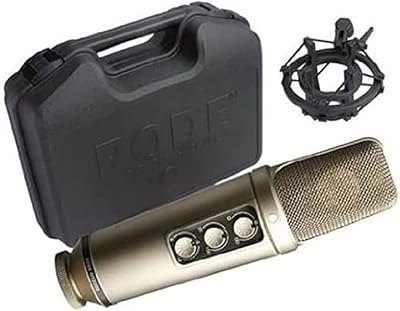
Rode NT2000 Large-Diaphragm Condenser Microphone

Rode NT5-S
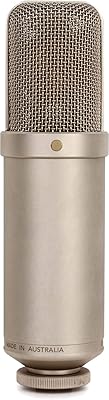
Rode NTK
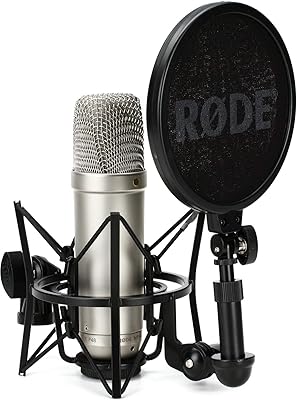
Rode NT1-A
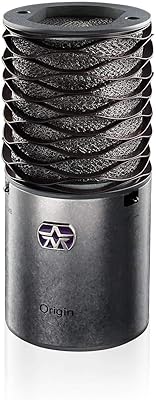
Aston Microphones Origin
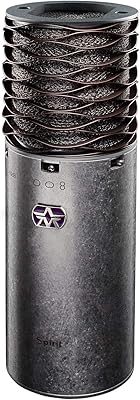
Aston Microphones Spirit Large-Diaphragm Condenser Microphone
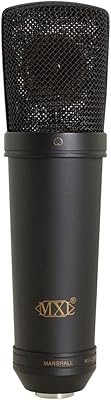
MXL 2003A Large-Diaphragm Condenser Microphone
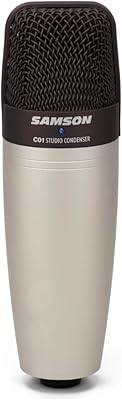
Samson C01

Rode NTG-1 Shotgun Condenser Microphone