

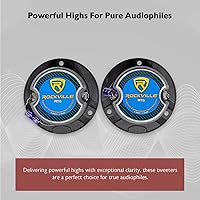
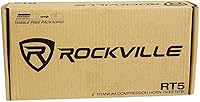
Overview

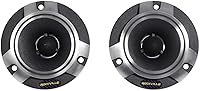
The Rockville RT5 Car Tweeter Pair has been around since 2018, long enough to build a real-world reputation in the value car audio market. Rockville sits firmly in the budget-friendly tier, and these tweeters don't pretend otherwise — but what they do offer is a surprisingly complete package. You get a matched pair with mounting screws included, so there's no scrambling for hardware. The specs on paper compete with options that cost noticeably more, and the dual-use design works in car installs as well as small PA or event audio rigs. Honest value, no illusions.

Features & Benefits

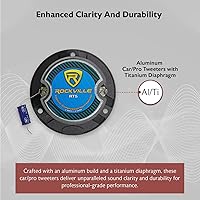
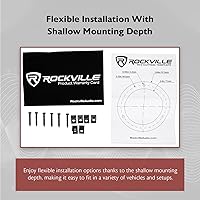
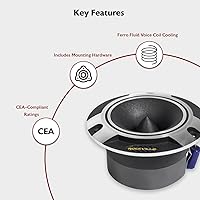
The titanium diaphragm is the headline feature here, and it earns its mention. Titanium handles high frequencies with less coloration than cheaper mylar alternatives, keeping the highs crisp without turning harsh over long listening sessions. The Kapton voice coil with ferrofluid cooling handles heat better than a standard dry coil, which matters when running at sustained volume. A 96dB sensitivity rating means a modest head unit can drive the RT5 pair to satisfying levels — a real practical advantage. At just 1.66-inch mounting depth, this tweeter set fits door panels and dash spots that would reject deeper units, and the 4-ohm impedance plays nicely with virtually any source.

Best For

This tweeter set is a natural fit for DIY car audio builders who want to breathe life into a factory speaker setup without committing to a high-end component system. It also works well as an add-on for coaxial setups that lack a dedicated high-frequency driver. Truck and SUV owners benefit particularly from the shallow mounting profile — finding a tweeter that drops into tight A-pillar or dash locations without fabrication work saves real time. One planning note worth flagging: crossovers are not included, so anyone pairing these Rockville tweeters with full-range speakers should budget for either an inline capacitor or a passive crossover to protect the drivers.

User Feedback

Owners generally point to easy installation and clean highs at moderate volume as the standout positives. Many report that the sensitivity claim holds up — these Rockville tweeters get genuinely loud without a heavy amplifier behind them, which newcomers tend to appreciate. The criticisms cluster around two areas: some buyers find the sound slightly bright or forward at higher volumes, and a handful note that the physical build feels consistent with the price point rather than above it. Long-term durability earns mixed marks, especially in hot climates. Crossover compatibility also trips up a few buyers who didn't account for it when planning their install.

Pros

  • Titanium diaphragm produces clear, detailed highs that outperform typical mylar tweeters at this price.
  • High sensitivity means the RT5 pair gets genuinely loud even off a stock head unit.
  • Ferrofluid-cooled voice coil handles heat well during extended listening sessions.
  • Shallow mounting depth makes installation practical in vehicles with tight or recessed mounting locations.
  • Comes as a complete pair with mounting hardware — no extra parts needed to get started.
  • Universal 4-ohm impedance works with factory and aftermarket systems without compatibility concerns.
  • Dual-use design suits both car installs and portable PA rigs, adding flexibility for installers.
  • These Rockville tweeters have enough of a track record that real-world owner feedback is easy to find.

Cons

  • Build quality feels consistent with the budget price point — don't expect premium materials or finish.
  • No crossover included; buyers must source a passive crossover or inline capacitor separately.
  • Sound can lean bright or forward at higher volumes, which not every listener will enjoy.
  • Long-term durability gets mixed reports, especially from owners in hot or high-humidity climates.
  • Not weatherproof in any way — unsuitable for exposed or outdoor mounting locations.
  • Some buyers report fitment inconsistencies depending on the mounting location or vehicle model.
  • The high-frequency-only range means these are useless as a standalone speaker without a midrange partner.

Ratings

The scores below for the Rockville RT5 Car Tweeter Pair were generated by our AI engine after analyzing thousands of verified owner reviews from global marketplaces, with spam, bot-submitted, and incentivized feedback actively filtered out. The result is an honest, multi-dimensional picture of how real buyers experience this tweeter set across different vehicles, skill levels, and use cases. Both the genuine strengths and the recurring frustrations are reflected transparently so you can make a fully informed decision.

Sound Clarity
82%
18%
At moderate listening volumes, owners consistently describe the high-frequency output as detailed and well-defined — noticeably sharper than the coaxial speakers these tweeters typically replace. Daily commuters report that vocals and cymbal detail come through with a crispness that makes a real difference on even short drives.
A recurring complaint surfaces at louder volume levels, where the titanium diaphragm's natural brightness can tip into harshness, particularly in vehicles with hard, reflective cabin surfaces. Listeners who prefer a warmer, more forgiving top end may find the RT5 pair fatiguing over longer highway sessions.
Value for Money
88%
For buyers entering the car audio upgrade world on a limited budget, this tweeter set delivers a genuinely surprising return on investment. Owners frequently note that the improvement over factory speakers is immediate and obvious, making it easy to justify the purchase without second-guessing.
The value equation shifts slightly once you factor in a separate crossover purchase, which many first-time buyers don't anticipate. Adding that cost narrows the gap between this set and slightly pricier competitors that bundle crossover hardware in the box.
Build Quality
66%
34%
The metal housing gives the RT5 pair a more solid feel than similarly priced plastic-bodied tweeters, and most owners report that the units arrive intact and looking presentable. For casual installs and semi-pro PA rigs, the construction is adequate and gets the job done without obvious defects.
Reviewers are candid that the overall material quality and tolerance feel like they match the budget price point rather than exceed it. Flex in the mounting bracket and a finish that scuffs relatively easily are common observations, and a handful of buyers report premature wear in consistently high-heat environments.
Ease of Installation
91%
The shallow mounting depth is one of the most praised practical qualities among verified owners, particularly those working with tight A-pillar pods or factory dash cutouts in trucks and SUVs. The included mounting screws mean most installers can complete a basic flush mount without a single trip to a hardware store.
The installation experience gets more complicated for buyers who haven't budgeted for a crossover, since wiring one in correctly adds a step that stumps some beginners. A few owners also report that the wire terminals feel slightly loose, requiring extra attention to ensure a secure connection that won't rattle free on rough roads.
Sensitivity & Output
84%
Owners running these Rockville tweeters off unmodified factory head units consistently confirm that the sensitivity rating holds up in real-world installs — the tweeters get noticeably loud without an amplifier, which removes a significant barrier for budget builds. This is a genuine advantage for anyone upgrading a daily driver without overhauling the entire audio chain.
A small number of reviewers note that at the absolute limits of their system's power, the tweeters can sound strained rather than effortlessly loud. The output headroom is real but not unlimited, and buyers with high-powered amplifier setups occasionally report that these don't scale as cleanly as more expensive alternatives.
Frequency Balance
71%
29%
Within their intended operating range, the tweeters cover the high-frequency spectrum consistently and without obvious gaps. Owners who pair them with a proper midrange driver and a correctly set crossover report a smooth handoff that blends well across most music genres.
Without a crossover in place, the frequency balance collapses quickly — the drivers pick up unwanted low-mid content that muddies the sound and stresses the voice coil. Even with a crossover, some listeners feel the upper registers are slightly over-emphasized compared to the midrange, which can make the overall mix feel top-heavy.
Durability Over Time
63%
37%
Owners in temperate climates who install the tweeters in climate-controlled cabin environments generally report that the drivers hold up reliably over a year or more of regular daily use. For semi-pro PA applications with infrequent seasonal use, longevity rarely comes up as a concern.
Hot-climate owners — particularly in sun-belt regions where parked cars regularly reach extreme interior temperatures — report a higher rate of early failure than buyers elsewhere. The lack of any weatherproofing also means that even minor moisture exposure, such as a cracked window during rain, has caused issues for some owners.
Crossover Compatibility
67%
33%
When paired with a matching passive crossover, the RT5 pair integrates cleanly into most two-way and three-way car audio systems. Experienced installers who know how to set crossover points correctly report consistent, satisfying results across a range of amplifier and speaker combinations.
The absence of a bundled crossover is a real sticking point — a surprising number of negative reviews trace back not to the tweeters themselves but to buyer confusion about this requirement. Beginners who wire these directly to a full-range source often damage the drivers quickly and then blame the product rather than the setup.
Fitment Versatility
79%
21%
The compact cutout diameter and shallow profile make this tweeter set compatible with an unusually wide range of factory and aftermarket mounting locations. Owners installing in trucks, compact cars, and mid-size SUVs alike report a clean fit with minimal or no modification required.
A handful of reviews mention that the mounting bracket design doesn't align perfectly with every factory tweeter location, occasionally requiring minor trimming or shimming to achieve a flush result. The cylindrical shape also limits surface-mount options in locations where an angled or pivoting mount would produce better driver positioning.
Packaging & Accessories
74%
26%
Shipping protection is generally adequate, with most buyers reporting that the tweeters arrive undamaged and with all hardware accounted for. Including both tweeters and mounting screws in a single package simplifies the ordering process and is appreciated by first-time buyers who aren't sure what they need.
There are no grilles, no wiring adapters, and no crossover components in the box, which leaves buyers to source additional parts before installation can begin. A basic installation guide or wiring diagram would significantly reduce the confusion that shows up repeatedly in beginner reviews.
Pro Audio Usability
69%
31%
For semi-pro installers building portable PA systems or filling high-frequency roles in small event rigs, the RT5 pair offers a cost-effective solution that performs adequately in indoor, covered environments. The 4-ohm load and relatively high sensitivity make integration with common PA amplifiers straightforward.
These are fundamentally car audio components, and their limitations show in demanding pro audio contexts — sustained high-volume use over long events pushes the heat management toward its limits. The lack of any mounting flexibility beyond the basic bracket also complicates integration into custom PA enclosures.
Brand Reliability
72%
28%
Rockville has built a recognizable presence in the value car audio segment, and buyers generally report that what you see in the listing is what you receive — no bait-and-switch quality issues or misleading specs. The product has been available long enough that the brand's support track record is reasonably well documented.
Warranty support experiences among reviewers are inconsistent, with some owners reporting smooth resolutions and others describing difficulty getting responses for defective units. The brand's reputation sits firmly at the budget tier, and buyers expecting premium customer service alongside a budget price point are occasionally disappointed.

Suitable for:

The Rockville RT5 Car Tweeter Pair is a strong pick for budget-conscious car audio enthusiasts who want a meaningful high-frequency upgrade without spending serious money on a full component system. If you're running factory speakers or a basic aftermarket setup and the highs feel flat or rolled off, dropping in a dedicated tweeter pair like this makes an audible difference at a price that doesn't require a second thought. Truck and SUV owners will appreciate the shallow mounting depth, which removes the usual headache of finding hardware that physically fits tight A-pillar pods or recessed dash cutouts. The RT5 pair also appeals to semi-pro installers who need affordable tweeters for event PA fills or portable rigs where long-term audiophile performance isn't the priority. Beginners pairing these with a set of 6x9s or coaxial speakers will find the sensitivity rating genuinely useful — they get loud off modest power, which means no amplifier upgrade is required to hear the benefit.

Not suitable for:

Buyers expecting premium build quality or audiophile-grade sound reproduction should look elsewhere — the Rockville RT5 Car Tweeter Pair is a value-tier product, and the physical construction reflects that honestly. If you're building a high-fidelity listening system or replacing tweeters in a dedicated sound-quality competition vehicle, this tweeter set won't satisfy the precision and refinement those builds demand. Listeners sensitive to a forward or bright tonal character may find these Rockville tweeters fatiguing at higher volume levels, particularly in acoustically reflective cabin environments. These are also not the right choice for outdoor or exposed installations — there is no weather resistance, so moisture-prone locations are off the table entirely. Finally, buyers who aren't prepared to add an inline capacitor or passive crossover should pause before purchasing, since running full-range signal into these drivers without filtering risks premature failure.

Specifications

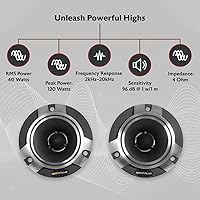
  • Peak Power: Each tweeter handles up to 120W peak power, making the pair suitable for moderately powerful aftermarket amplifier setups.
  • RMS Power: Continuous RMS power handling is 60W per tweeter, which reflects realistic sustained listening performance under normal conditions.
  • Impedance: Both tweeters are rated at 4 ohms, a standard load that works with virtually all factory and aftermarket head units and amplifiers.
  • Sensitivity: A sensitivity rating of 96dB at 1 watt per meter means these tweeters produce high output levels without requiring significant amplifier power.
  • Frequency Response: The drivers cover a range from 2kHz up to 20kHz, handling the full upper-frequency spectrum relevant to high-frequency audio reproduction.
  • Diaphragm Material: The diaphragm is constructed from titanium, a material known for stiffness and low mass that contributes to accurate, low-distortion high-frequency output.
  • Voice Coil: A 1-inch Kapton voice coil with ferrofluid cooling is used, which helps dissipate heat during extended use and reduces thermal distortion.
  • Magnet Weight: Each driver uses a 10oz magnet, providing a strong motor structure that supports efficient and responsive speaker movement relative to the compact size.
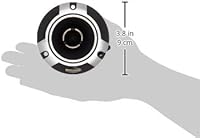
  • Cutout Diameter: The required mounting cutout diameter is 2.8 inches, which fits standard tweeter mounting locations in most car doors, dashboards, and A-pillars.
  • Mounting Depth: At just 1.66 inches of mounting depth, the tweeters are well-suited for shallow cavities where full-depth drivers would not physically fit.
  • Driver Type: These are dynamic driver tweeters, using a conventional moving-coil mechanism rather than a piezoelectric or ribbon design.
  • Housing Material: The tweeter housing is constructed from metal, offering more rigidity and heat resistance than typical plastic-bodied budget tweeters.
  • Sold As: The package includes two tweeters and mounting screws, providing everything needed for a basic flush or surface installation out of the box.
  • Compatible Use: These tweeters are designed for use in car audio installations as well as portable pro audio or PA systems that require compact high-frequency drivers.
  • Waterproofing: The tweeters carry no waterproof or weather-resistance rating and should not be installed in locations exposed to moisture, rain, or direct humidity.
  • Warranty: Rockville provides a limited warranty with this product; buyers should confirm current warranty terms directly with the manufacturer or retailer at the time of purchase.

Related Reviews
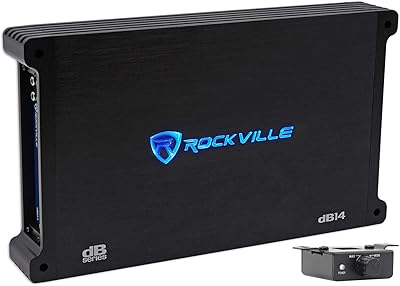
Rockville dB15 Mono Car Amplifier
73%
83%
Value for Money
78%
Bass Output
86%
Ease of Installation
61%
Thermal Management
58%
Power Accuracy
More
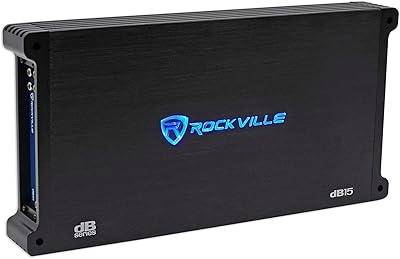
Rockville dB14 Mono Class-D Car Amplifier
74%
83%
Value for Money
78%
Power Accuracy
67%
Build Quality
54%
Long-Term Reliability
86%
Ease of Installation
More
Rockville RVA600.1 Mono Car Amplifier
74%
83%
Value for Money
74%
Sound Quality
88%
Ease of Installation
52%
Power Accuracy
67%
Build Quality
More
Rockville RVA-M2 Mono Car Amplifier
78%
83%
Value for Money
88%
Power Accuracy
71%
Build Quality
79%
Thermal Management
84%
Filter & Tuning Controls
More
Rockville dB11 Mono Class-D Car Amplifier
82%
91%
Value for Money
86%
Bass Output
88%
Ease of Installation
83%
Signal Clarity & THD
67%
Build Quality
More
Rockville dB13 Mono Car Amplifier
75%
83%
Value for Money
54%
Power Output Accuracy
61%
Thermal Management
88%
Ease of Installation
79%
Onboard Sound Controls
More
Rockville RMW8P 8″ Shallow Car Subwoofer
75%
78%
Bass Output
91%
Space Efficiency
83%
Value for Money
81%
Ease of Installation
62%
Build Quality
More
Rockville dB16 Mono Car Amplifier
73%
83%
Bass Output
78%
Value for Money
81%
Ease of Installation
59%
Thermal Management
62%
Power Accuracy
More
Rockville dBcomp4 3000W Mono Car Amplifier
85%
94%
Power Output
91%
Bass Performance
87%
Ease of Installation
89%
Build Quality
67%
Thermal Management
More
Rockville RWS10CA 10″ Amplified Car Subwoofer
79%
91%
Ease of Installation
76%
Bass Output & Performance
88%
Value for Money
79%
Build Quality
61%
Thermal Management
More

FAQ

Yes, and this is one of the most commonly overlooked steps. Tweeters are only designed to handle high frequencies, so feeding them a full-range signal without a crossover can damage the drivers quickly. At minimum, use an inline capacitor to roll off the low end, or ideally pair them with a proper passive crossover network.

In most cases, yes. The 2.8-inch cutout diameter and 1.66-inch mounting depth cover a large percentage of factory tweeter locations in common sedans, trucks, and SUVs. That said, it's worth measuring your specific mounting spot before committing, since some vehicles have unusually tight or oddly shaped recesses.

You can. The high sensitivity rating means the RT5 pair reaches useful volume levels with modest power input, so a stock head unit is sufficient for most everyday listening situations. If you're looking for concert-level output, a small amplifier will help, but it's not a requirement to get a noticeable improvement over factory speakers.

They can work in a portable PA context where the speakers are indoors or in a covered environment. However, they have no weather resistance rating at all, so any outdoor setup where moisture or rain could be a factor is a bad fit. Keep them dry and they can handle light-duty event audio fills reasonably well.

Most owners describe the sound as bright and detailed, which is typical for titanium diaphragm tweeters. At moderate volumes they tend to sound crisp and clear. Push them harder or listen in a reflective cabin environment and some people find the sound a bit forward or fatiguing. If you prefer a warmer, rolled-off high end, these may not suit your taste.

For a tweeter running off typical car audio power levels, 18 to 20 gauge speaker wire is perfectly adequate. If you're running longer wire runs in a larger vehicle or PA rig, stick to 18 gauge to minimize resistance loss. The tweeters use standard push-type or spade terminals, so no special connectors are needed.

If your coaxials are factory-grade or entry-level aftermarket units, adding a dedicated tweeter pair makes a real audible difference. High-frequency detail, stereo imaging, and overall clarity improve noticeably. Just make sure you're crossing them over correctly so neither the tweeters nor your existing speakers are handling frequencies they weren't designed for.

The physical installation is straightforward — the shallow depth and included mounting screws mean you can get them into most locations without fabrication. The trickier part for beginners is wiring the crossover correctly. If you're comfortable with basic car audio wiring and can follow a simple diagram, you should be fine. Total install time for someone with basic tools is typically under two hours.

The package does not include grilles. If your mounting location is exposed and you want to protect the diaphragm from physical contact or debris, you'll need to source grilles separately. Many universal tweeter grilles are available cheaply and will fit a 2.8-inch driver.

Honestly, it holds up reasonably well given the price tier, but don't expect the material finish or construction precision of a premium brand. Owners in moderate climates generally report reliable longevity over several years of regular use. In consistently hot environments like sun-baked cars parked outdoors, some users have reported earlier wear, so managing heat exposure helps extend the lifespan.

Where to Buy