
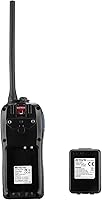
Overview

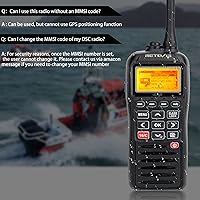
The Retevis RM40 GPS Marine Handheld Radio sits in the mid-range of handheld VHF options, built around safety features that matter when you are away from the dock. It floats if dropped overboard, earns an IP67 waterproof rating, and packs GPS alongside DSC distress calling into a compact, pocketable body. This is a radio aimed at recreational boaters, sailors, and anglers — not commercial fleet operators. One critical point before buying: features like GPS location sharing and DSC require you to first register an MMSI code through the FCC, which is free but easily overlooked. Skip that step, and half the radio never activates. With a 4.3-star average from roughly 60 buyers, early reception is quietly encouraging.

Features & Benefits

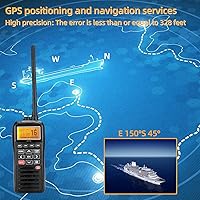
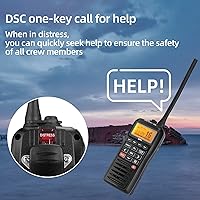
The RM40 packs a surprising amount of safety hardware into its frame. The built-in GPS updates your position in real time with an accuracy margin under 100 meters — handy not just for navigation but for emergencies where your exact location needs to be shared fast. Hit the DSC distress button and it automatically broadcasts your coordinates to the coast guard and nearby vessels. The Man Overboard alarm goes further, recording the precise position of anyone who goes over the side and transmitting it to other boats immediately. Dual and Tri-Watch modes keep channel 16 open at all times, the radio covers US, International, and Canadian channel groups, and USB charging paired with a 1500mAh battery gives you up to 15 hours of active use before you need to plug in.

Best For

This floating VHF radio is a strong fit for day sailors, weekend boaters, and kayakers who want real safety coverage without bolting a fixed radio to their console. If you fish in open coastal water or regularly cross between US and Canadian zones, the multi-region channel switching is genuinely useful rather than just a checkbox feature. NOAA weather alerts make it a sensible pick for anyone who spends time on water where conditions can shift fast. It also works well as a backup handheld on larger vessels, or as the primary communication tool on smaller boats and inflatables where a fixed-mount radio is not practical. Anyone who has ever dropped a radio overboard will appreciate the floating body more than the spec sheet lets on.

User Feedback

Buyers generally praise the audio clarity and the floatable design, with several noting it held up fine after going into the water. The GPS setup drew positive comments too — most found it straightforward once they understood the MMSI registration requirement upfront. On the flip side, that same step trips up a notable slice of new owners, likely inflating a handful of low-star reviews that are really about setup friction rather than product quality. A few users felt the button feel was acceptable but not premium — the kind of tactile tradeoff you sometimes encounter at this price tier. Battery life reports are sparse but align reasonably well with the active use estimate. No waterproofing failures have been widely reported, though the overall review count remains modest enough to warrant some caution.

Pros

  • Floats if dropped overboard and flashes red so you can actually spot and retrieve it quickly.
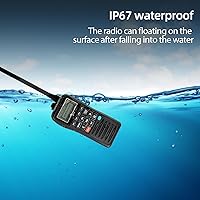
  • IP67 waterproof rating handles splashes, rain, and brief submersion reliably.
  • One-button DSC distress call automatically broadcasts your GPS coordinates to coast guard and nearby vessels.
  • Man Overboard alarm records and transmits the exact overboard location to other boats in real time.
  • Dual and Tri-Watch modes keep channel 16 monitored so you never miss an emergency transmission.
  • Covers US, International, and Canadian marine channels — practical if you regularly cross between jurisdictions.
  • USB charging is convenient, and the 1500mAh battery holds up well across a full day of typical use.
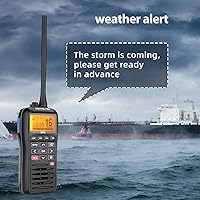
  • NOAA weather alerts are built in, adding solid practical value for coastal and open-water boaters.
  • GPS positioning updates in real time with an accuracy margin under 100 meters.
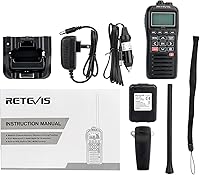
  • Included accessories — desktop charger, car charger, belt clip, and lanyard — give strong out-of-box value.

Cons

  • MMSI registration is required before DSC and GPS features work, and many buyers do not discover this until after purchase.
  • The setup process for DSC and GPS functions carries a noticeable learning curve compared to simpler VHF handhelds.
  • Button feel and overall chassis quality are functional but uninspiring — noticeable at close handling.
  • Real-world battery life during active transmission may fall short of the rated 15-hour figure depending on how the radio is used.
  • Handheld VHF range is inherently constrained by antenna height and terrain; do not expect fixed-mount transmission distances.
  • The review base remains relatively small, meaning long-term reliability data is thinner than for more established competing brands.
  • At 1.81 pounds, the RM40 is heavier than several competing handhelds, which can become noticeable during extended lanyard wear.
  • No substantial long-term user data yet exists to confirm whether the waterproof seal holds up after months of repeated submersion.

Ratings

Our scores for the Retevis RM40 GPS Marine Handheld Radio were generated by AI after analyzing verified global user reviews, with spam, incentivized feedback, and bot activity actively filtered out to surface genuine buyer sentiment. The analysis covers both what this floating VHF radio does well and where real-world use has exposed genuine frustrations. Strengths and pain points are weighted equally, so the scores you see reflect the full picture — not a polished highlight reel.

Safety Features
88%
The combination of one-button DSC distress calling, Man Overboard alarm, and real-time GPS coordinate broadcasting puts genuine rescue capability in the hands of recreational boaters who previously had none. Sailors using this marine handheld on coastal passages consistently highlight these features as the core reason they chose it over simpler options.
Every one of these safety features is gated behind a prior MMSI registration step, which many buyers only discover after unboxing. Until that code is entered and confirmed, the most important functions on the radio are completely inactive — a setup dependency that feels mismanaged given the safety stakes involved.
GPS Performance
79%
21%
Real-time positioning with a sub-100-meter error margin is more than adequate for coastal navigation and emergency rescue scenarios. Users report the GPS locks on reasonably quickly in open water conditions and the coordinates it transmits during distress calls are accurate enough to guide responders directly to your position.
In dense marina environments or near tall structures, GPS acquisition can be sluggish compared to dedicated chart plotters. The GPS is clearly functional rather than high-precision, and buyers expecting performance comparable to a dedicated navigation device will find it falls short of that bar.
Waterproofing
83%
The IP67 rating gives practical peace of mind for rain, splashes, and the kind of brief submersion that happens when a radio gets dropped over the gunwale. Most buyers who have tested it in wet conditions report it performed exactly as expected, with no water intrusion during typical on-the-water use.
A handful of users have raised questions about long-term seal integrity after repeated submersion over multiple seasons. The USB charging port cover is the most vulnerable point — if that gasket degrades or the cover is not fully seated, both the waterproofing and floatation reliability can be compromised.
Floating Design
86%
This is one of the standout practical features of the RM40, and buyers genuinely appreciate it. The radio floats face-up, and the red flashing LCD alert makes retrieval realistic even in choppy water or low light — something a sinking radio with no visual signal simply cannot offer.
The floating design depends on the chassis remaining fully sealed, meaning any compromise to the port cover or body seams changes the buoyancy equation. A very small number of users have noted their unit did not float as reliably after sustained use, suggesting seal maintenance matters more than the marketing implies.
Ease of Setup
61%
39%
Once the MMSI code is properly registered and entered, buyers generally report that the radio's core functions — channel selection, watch modes, NOAA alerts — are accessible and reasonably intuitive to navigate. The physical layout is straightforward enough for boaters who are not particularly tech-savvy.
The MMSI registration requirement is the single biggest friction point across all user feedback, generating a disproportionate share of low ratings from buyers who felt deceived rather than informed. The manual does not front-load this critical step with enough urgency, and the DSC and GPS features show zero useful behavior until it is completed — which is a frustrating first experience for a safety-focused product.
Battery Life
73%
27%
For a typical day of boating — monitoring channels, occasional transmissions, and periodic GPS checks — the 1500mAh battery holds up comfortably. USB charging is a genuine convenience, especially for boaters who can top up via a boat's 12V USB outlet between outings.
The stated 15-hour figure applies to continuous active use under controlled conditions, but real-world reports suggest heavy GPS and DSC usage brings that number down noticeably. Some users conflate the 5-day standby rating with actual use endurance, which sets an unrealistic expectation — distinguishing between the two claims would serve buyers better.
Audio Quality
81%
19%
Voice clarity during transmission and reception is one of the most consistently praised aspects of this floating VHF radio. Users report that coast guard traffic and marine operator communications come through cleanly, even in moderate ambient noise conditions like wind and engine rumble.
At high volume, a small number of users noted mild distortion on certain frequencies, though this appears to be an edge case rather than a widespread issue. In genuinely loud environments — high-speed powerboats or strong wind — holding the speaker close to the ear becomes necessary for comfortable reception.
Build Quality
69%
31%
The overall chassis is solid enough for regular marine use, and nothing about the construction feels fragile or likely to crack under normal handling. The rubberized body provides reasonable grip in wet hands, which matters more on a boat than most reviews acknowledge.
The button feel is the most commonly cited tactile complaint — they are functional but lack the positive, decisive click that users accustomed to Icom or Standard Horizon handhelds might expect at a similar price point. The general plastic quality reads mid-range, which is accurate to the product tier but worth knowing before purchase.
Channel Coverage
84%
Supporting US, International, and Canadian channel groups in a single unit is genuinely useful, and boaters who cross between jurisdictions — particularly on the Great Lakes, Puget Sound, or Atlantic coastal routes — consistently call it out as a practical differentiator over single-region alternatives.
Channel switching between regional groups requires navigating into the menu system rather than using a dedicated toggle, which can feel cumbersome when conditions demand quick adjustments. It is a minor workflow issue, but on a busy stretch of water it is noticeable.
Display & Interface
74%
26%
The 5.5-inch LCD is large enough to read clearly in most outdoor conditions, and the red distress alert flash is genuinely visible on the water surface — a thoughtful design choice that has practical retrieval value beyond just aesthetics.
Glare in direct sunlight can reduce legibility, and the menu navigation structure takes some time to learn if you are new to DSC-capable radios. Backlight brightness is adequate but not exceptional for dawn or dusk conditions when contrast is reduced.
Weather Alerts
77%
23%
NOAA weather reception works reliably and is a meaningful safety addition for coastal boaters who spend time in areas prone to sudden weather shifts. Users on Great Lakes passages and Southeast coastal routes specifically mention it as a feature they use regularly rather than just a checkbox item.
The weather alert function is fairly standard NOAA broadcast reception — nothing more sophisticated than scanning available weather channels. Boaters expecting any advanced weather interpretation or alert prioritization will find it performs identically to much cheaper radios in this specific regard.
Value for Money
82%
18%
Packing GPS, DSC, MOB alarm, NOAA alerts, and a floating IP67-rated body into a mid-range handheld represents genuinely strong feature density for the price bracket. Buyers comparing this against stripped-down alternatives at similar price points generally feel the safety-oriented spec list justifies the cost.
The value proposition weakens slightly if a buyer purchases without understanding the MMSI registration requirement — the radio then appears to underdeliver on its headline features through no fault of the hardware itself. Buyers who do complete setup correctly are notably more satisfied with their perceived value.
Accessories & Packaging
78%
22%
Including both a desktop charging cradle and a car charger alongside the belt clip and lanyard covers the practical charging scenarios most boaters actually encounter — marina power, car power en route to the ramp, and hands-free carry on deck.
The English manual, while included, does not provide the kind of step-by-step MMSI setup guidance that would meaningfully reduce new buyer frustration. A quick-start card covering the MMSI activation process specifically would eliminate a large share of the setup confusion currently generating negative reviews.
Portability & Ergonomics
67%
33%
The compact footprint at 5.56 x 2.4 x 1.7 inches fits comfortably in a jacket pocket or a PFD pouch, and the included lanyard makes it easy to keep the radio accessible without occupying a hand on deck.
At 1.81 pounds, the RM40 is on the heavier end for a handheld VHF, and extended lanyard or wrist wear becomes noticeably fatiguing over a long day. Kayakers and paddleboarders in particular may find that weight more consequential than powerboat users who can set it down on a console.

Suitable for:

The Retevis RM40 GPS Marine Handheld Radio is built squarely for recreational boaters, weekend sailors, anglers, and kayakers who want real safety hardware in a portable form without the installation complexity or cost of a fixed-mount unit. If you regularly head out on coastal waters, bays, or large inland lakes where weather can shift without much warning, the built-in GPS and one-touch DSC distress calling give you a meaningful safety net that basic handhelds simply cannot match. The Man Overboard alarm is especially valuable for smaller vessels or anyone sailing shorthanded, where every second counts after someone goes over the side. Boaters who cross between US and Canadian waters will find the multi-region channel support genuinely practical, and the NOAA weather alert capability makes it a sensible everyday carry for anyone who does not want to be caught off guard. It also works well as a capable backup radio on larger boats that already have a fixed-mount primary unit aboard.

Not suitable for:

The Retevis RM40 GPS Marine Handheld Radio is not the right fit for commercial mariners, professional charter operators, or anyone who needs a primary VHF unit capable of handling serious offshore conditions — its feature set and build tier are aimed at recreational use, not sustained professional deployment. Buyers who expect to skip setup steps should know before purchasing that DSC distress calling and GPS location sharing require prior MMSI registration with the FCC; skipping this step renders the most critical safety features completely non-functional. Anyone expecting the transmission range of a fixed-mount radio will be disappointed — handheld VHF range is governed by antenna height and line-of-sight, and no compact handheld can close that gap regardless of brand. If a premium tactile feel and solidly built physical controls matter to you, the button quality here may feel underwhelming. Buyers who want the simplest possible radio with zero setup friction would be better served by a more basic, entry-level option.

Specifications

  • Waterproof Rating: The radio carries an IP67 certification, meaning it can withstand submersion in up to 1 meter of fresh water for 30 minutes.
  • Buoyancy Design: The body is engineered to float face-up when dropped in water, and the LCD display flashes red to help you locate and retrieve it quickly.
  • Battery Capacity: A built-in 1500mAh rechargeable Li-ion battery is included and powers all onboard functions including GPS and DSC.
  • Active Battery Life: Retevis rates active continuous operation at up to 15 hours under typical transmit-receive cycling conditions.
  • Standby Life: With the radio powered on but not actively transmitting, the battery is rated to last up to 5 days in standby mode.
  • Charging Method: The radio charges via USB and comes bundled with a desktop charging cradle and a car charger for flexible recharging on or off the water.
  • GPS Accuracy: The built-in GPS module updates position in real time with a stated positioning error margin of under 100 meters.
  • Safety Features: The radio includes one-button DSC distress calling that automatically transmits GPS coordinates, plus a dedicated Man Overboard alarm that logs and shares the exact overboard position.
  • Watch Modes: Dual-Watch monitors channel 16 alongside one user-selected channel, while Tri-Watch adds the designated call channel for a three-channel scanning rotation.
  • Channel Coverage: Supports US, International, and Canadian marine VHF channel groups, with easy in-field switching when entering different jurisdictions.
  • Weather Alerts: NOAA weather broadcast reception is built in, providing real-time weather monitoring and alerts while on the water.
  • Display: A 5.5-inch LCD screen provides the primary readout and activates a red flashing alert mode when the radio enters water.
  • Dimensions: The radio body measures 5.56 x 2.4 x 1.7 inches, making it compact enough for a jacket pocket or belt clip carry.
  • Weight: The complete unit with battery weighs 1.81 pounds.
  • MMSI Requirement: DSC distress calling and GPS location-sharing require the user to register a free MMSI number and enter it into the radio before those features become operational.
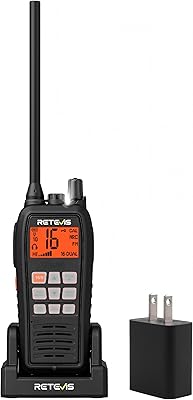
  • Included Accessories: The package contains a belt clip, desktop charger, car charger, lanyard, and an English user manual.
  • Warranty: Retevis covers the radio body for 2 years and included accessories for 1 year, with paid maintenance service available beyond those periods.
  • Model Number: The official item model number for this radio is FA9225A, manufactured by Retevis.

Related Reviews
Retevis RM21 Handheld Marine VHF Radio
81%
86%
Audio Clarity
83%
Waterproofing & Durability
91%
Floating & Overboard Detection
88%
Battery Life
82%
Noise Cancellation
More
Retevis RM01 Handheld Marine Two-Way Radio
74%
83%
Waterproofing & Water Resistance
91%
Floating Ability
58%
Battery Life & Power System
74%
Audio Clarity & Receive Quality
81%
NOAA Weather Alert Reception
More
Retevis RT55 Handheld Marine Radio
86%
91%
Waterproof Performance
88%
Ease of Use
84%
Sound Quality
92%
Build Quality
72%
Battery Life
More
Retevis RA27 Fixed Mount Marine Radio
77%
88%
Value for Money
83%
DSC & Emergency Performance
76%
GPS Accuracy
87%
Ease of Installation
67%
Audio Clarity
More
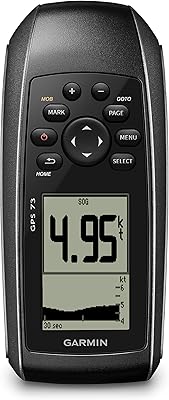
Garmin GPS 73
Garmin GPS 73
80%
93%
Battery Life
88%
SailAssist Features
91%
Build Quality & Durability
54%
Display Quality
82%
Ease of Use
More
Retevis RM15 Handheld VHF Marine Radio
79%
87%
Waterproof Protection
91%
Floating and Recovery
74%
Audio Clarity
88%
Battery Life
78%
Build Quality
More
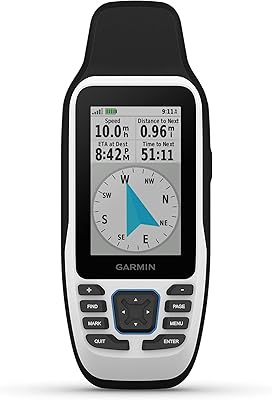
Garmin GPSMAP 79s Marine Handheld GPS
78%
93%
GPS Accuracy
91%
Floatation Design
74%
Battery Life
78%
Water Resistance
63%
Display Quality
More
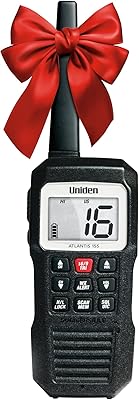
Uniden Atlantis 155 Handheld VHF Marine Radio
80%
91%
Waterproof Performance
88%
Buoyancy & Drop Safety
89%
Ease of Use
61%
Transmit Power & Range
86%
NOAA Weather Alerts
More
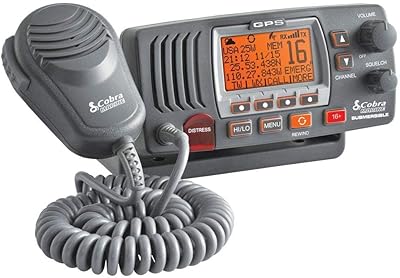
Cobra MR F77B GPS Fixed Mount VHF Radio
79%
88%
GPS Performance
91%
DSC Functionality
79%
Ease of Installation
67%
Audio Clarity
86%
Display Visibility
More
Uniden Atlantis 275 Handheld VHF Marine Radio
81%
93%
Waterproof Performance
88%
Display Quality
79%
Transmit Power & Range
82%
Battery Life
76%
Build Quality
More

FAQ

Yes, and this is the single most important thing to sort out before your first trip with the Retevis RM40 GPS Marine Handheld Radio. The DSC distress call and GPS location-sharing functions require a free MMSI number, which you register through the FCC or an organization like BoatUS. The process takes only a few minutes online, but until you enter that code into the radio, those safety features simply will not function. Do this at home before you launch, not on the water.

Yes, and buyers consistently confirm this works as described. The body is designed to stay face-up on the surface, and the screen flashes red to help you spot it against the water. The one thing to watch is keeping the USB charging port cover properly seated and sealed — an open port could compromise both the float and the waterproof performance.

The radio sends a digital emergency signal on channel 70 that automatically includes your current GPS coordinates, reaching every DSC-capable radio and coast guard station within VHF range. Nearby vessels can see your exact position and head directly to you rather than searching by sound or visual alone. It is a meaningful upgrade over simply calling for help verbally on channel 16, which provides no location data whatsoever.

The 15-hour figure covers continuous active use, while the 5-day number is standby only — two completely different use scenarios, and it is worth keeping them separate in your head. In normal boating use, where you are monitoring most of the time and transmitting only occasionally, the battery comfortably covers a full day for most users. Longer trips or heavy GPS use will draw it down faster, so bringing the USB cable or the included car charger as a backup is a sensible habit.

Yes, the RM40 covers US, International, and Canadian marine VHF channel groups, and switching between them is straightforward. This makes it a practical pick for Great Lakes cruisers, Pacific Northwest sailors, and anyone who moves between US and Canadian jurisdictions as part of their regular boating.

When you trigger the MOB function, the radio locks in your current GPS coordinates — the exact point where the person entered the water — and can transmit those coordinates to nearby vessels. On a small boat or when sailing short-handed, having that position fixed immediately is far more reliable than trying to circle back and estimate visually, especially in choppy water or low visibility.

Handheld VHF range is primarily a function of antenna height and line-of-sight, not just radio power — this is true of every handheld on the market, not just this one. On open water under good conditions, a few miles to another vessel at similar height is a reasonable expectation. A fixed-mount radio with a tall mast antenna will always outreach a handheld, and no compact unit in this category can close that gap. For coastal day trips, inland lakes, and harbor use, the range is entirely adequate.

Not simultaneously — Dual-Watch rapidly scans between channel 16 and your active channel, while Tri-Watch adds the call channel into that rotation. The switching happens fast enough that in practical use you will not miss critical traffic, and channel 16 monitoring is always prioritized. Think of it as very fast alternating rather than true parallel listening.

It is actually an excellent fit in that role. A floating, IP67-rated handheld with GPS and DSC capability is exactly the kind of backup you want in a grab bag if your main radio loses power or gets damaged. Many experienced boaters keep a charged handheld stored separately from their primary unit for precisely this reason, and the RM40 covers the features that matter most in an emergency scenario.

Retevis covers the radio body itself for 2 years and the included accessories — chargers, belt clip, lanyard — for 1 year. After those periods expire, Retevis states it still offers maintenance service, though costs become the buyer's responsibility at that point. For a mid-range handheld, a 2-year body warranty is a reasonable coverage term.