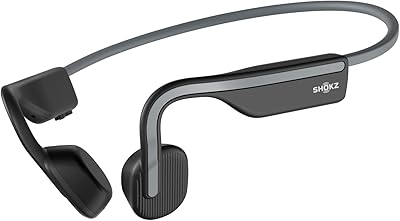
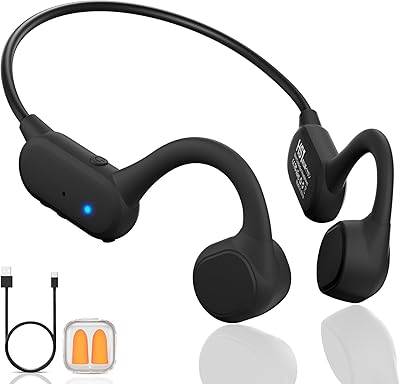
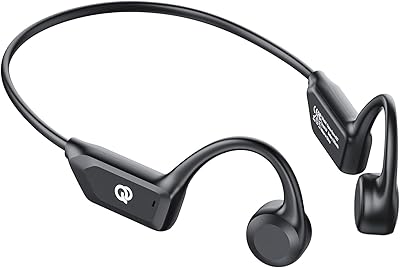
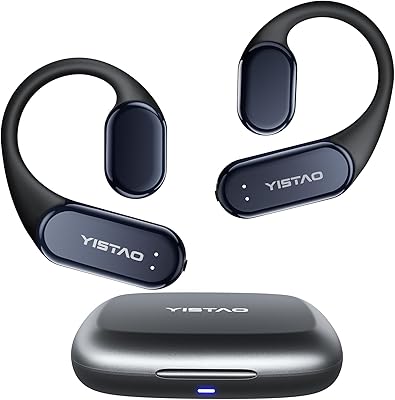
Overview

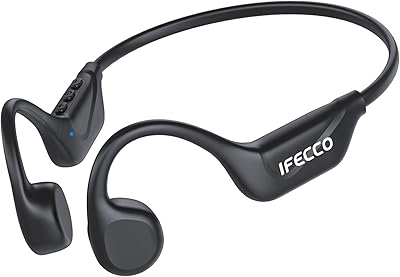
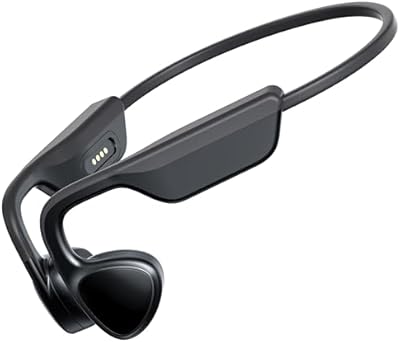
The Raycon Bone Conduction Headphones RBB842 arrived on the market in January 2025, stepping into a category that Shokz has dominated for years — and that context matters when setting expectations. Raycon built its reputation on affordable earbuds with heavy marketing, so this open-ear headset represents a genuine pivot worth examining closely. The core appeal is straightforward: audio delivered through your cheekbones, leaving your ear canals completely open. For outdoor athletes who need to hear approaching cars or trail hazards, that awareness is genuinely valuable. With Bluetooth 5.3 and a 13-hour battery, the headline specs are competitive for this price tier.
Features & Benefits

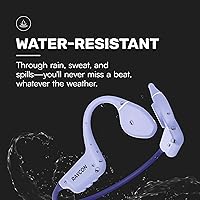
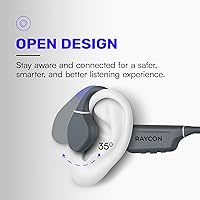
What separates this sports headset from cheaper bone conduction alternatives is the IP68 water resistance rating — that means actual submersion protection, not just sweat and rain tolerance. Most competitors cap out at IPX5 or IPX6, so this is a meaningful step up for swimmers or anyone training in wet conditions. The adjustable conduction buds are an interesting touch; sliding them closer to your ear boosts audio volume, while pulling them back lets in more ambient sound. The 16mm drivers handle the basics well, though bone conduction as a technology still struggles with bass response and can cause noticeable vibration at high volumes — that is not a Raycon flaw, it is inherent to the format.

Best For

These bone conduction headphones make the most sense for outdoor endurance athletes — runners, cyclists, and hikers who genuinely cannot afford to tune out their environment. If you swim regularly, the IP68 rating makes this a credible option where most earbuds simply fail. People who have struggled with ear fatigue from in-ear monitors or the pressure of over-ear headphones will find the open design refreshing. Commuters in high-traffic areas are another solid fit. One group that should think twice: anyone expecting rich, full-spectrum audio. Bone conduction will never compete with sealed in-ear options on sound quality, and that is simply the trade-off you accept.

User Feedback

Early buyers of the Raycon open-ear headset are largely satisfied with fit and comfort during long runs, and the IP68 protection has held up for swimmers without complaint. Call quality gets a more mixed reception — the microphone performs adequately in quiet settings but struggles noticeably in wind or busy outdoor environments. Some users find the adjustable bud mechanism clever; others describe it as fiddly when trying to make changes mid-run. A handful of reviewers note that sound leakage is real at higher volumes, which can feel awkward in quiet public spaces. Given the product launched just months ago, long-term durability data remains thin — worth monitoring before fully committing.

Pros

  • IP68 water resistance handles actual submersion, not just rain and sweat.
  • Thirteen hours of battery life comfortably covers multi-day use between charges.
  • Fully open-ear design keeps you aware of traffic, voices, and your environment.
  • Bluetooth 5.3 pairs fast and holds a stable connection throughout workouts.
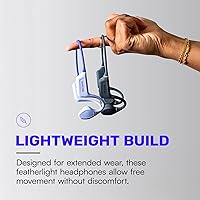
  • The lightweight frame makes all-day wear genuinely comfortable without ear fatigue.
  • Adjustable conduction buds offer real-time control over audio intensity versus ambient awareness.
  • Resolves ear discomfort issues that make traditional in-ear headphones unusable for some people.
  • Competitive water resistance rating outperforms most rivals at a comparable price point.

Cons

  • The proprietary magnetic charging cable means losing it leaves you completely stuck.
  • Microphone quality drops sharply in wind and outdoor noise — a real problem for frequent callers.
  • Touch controls trigger accidentally during sweaty or high-movement activities with frustrating regularity.
  • Sound leakage at higher volumes is significant enough to bother people nearby in quiet spaces.
  • No carrying case included, which feels like a notable omission at this price.
  • Long-term durability is an open question — the product has only been on the market a few months.
  • The adjustable bud slider feels loose after regular use and is impractical to operate mid-run.
  • Bass response is nearly absent, which limits the experience for music-first listeners.
  • Multi-device simultaneous connection is not supported, a frustration for anyone switching between phone and laptop.

Ratings

The Raycon Bone Conduction Headphones RBB842 have been scored by our AI system after analyzing verified global buyer reviews, with spam, bot-generated, and incentivized feedback actively filtered out before any scoring was applied. These ratings reflect the full picture — what real athletes, commuters, and everyday users consistently praised and where frustrations surfaced. Both the strengths and the legitimate shortcomings of this open-ear headset are represented transparently across every category below.
Water Resistance
91%
The IP68 rating earns genuine respect from users who have worn these bone conduction headphones through heavy rain, open-water swimming sessions, and intense sweat-soaked training. Swimmers in particular report that the headset holds up where IPX5 or IPX6 alternatives have failed them in the past.
A small number of buyers noted that the magnetic charging port area showed early signs of corrosion after extended pool use, suggesting the IP68 seal may degrade faster than expected with repeated submersion over months.
Situational Awareness
93%
For runners and cyclists navigating busy roads or unpredictable trails, the fully open-ear design delivers on its core promise — users consistently describe being able to hold full conversations and hear approaching vehicles without pausing audio. This is the single most praised aspect across buyer feedback.
At higher listening volumes, the open design offers less ambient awareness than expected, and some users feel the trade-off between audio loudness and environmental sound requires constant manual adjustment via the sliding buds.
Battery Life
87%
Thirteen hours of playback holds up well in real-world testing — long-distance runners and all-day commuters report making it through multi-day use between charges without anxiety. It outperforms several Shokz models at a comparable price point on raw endurance alone.
The proprietary magnetic charging cable is a recurring frustration; losing or forgetting it means the headset becomes useless until a replacement arrives, and USB-C would have been a far more practical choice in 2025.
Audio Quality
63%
37%
For podcasts, audiobooks, and vocal-heavy music, the 16mm bone conduction drivers deliver clear enough output that most users are satisfied during casual workouts. Voices and mid-range frequencies come through with reasonable definition at moderate volumes.
Bass is almost absent, and high-volume listening introduces noticeable facial vibration that some buyers find distracting or even uncomfortable during extended sessions. Anyone expecting the audio fidelity of sealed in-ear headphones will be disappointed — this is a fundamental bone conduction limitation, not just a Raycon issue.
Fit & Stability
82%
18%
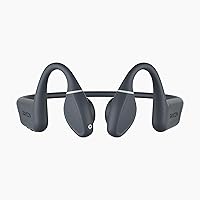
The wraparound hook design stays put during running, cycling, and gym sessions for the majority of users. The lightweight ABS and silicone frame means it barely registers during long wear, and several buyers specifically mention forgetting they have it on during multi-hour outdoor rides.
Users with larger or unusually shaped heads report that the fit becomes less secure during aggressive lateral movements, and the rigid frame does not offer enough adjustment range for all head sizes. A handful of buyers noted the hook pressure becomes uncomfortable after two-plus hours.
Microphone Performance
56%
44%
In quiet indoor environments — a home office, a calm commute — call quality is functional and clear enough that contacts on the other end rarely complain. For occasional hands-free calls during light activity, it gets the job done adequately.
Wind and outdoor ambient noise expose the microphone's real weaknesses. Callers on the other end frequently report difficulty understanding the speaker during outdoor runs or cycling, and the mic pickup in noisy public settings draws consistent criticism from buyers who prioritized call use.
Bluetooth Connectivity
84%
Bluetooth 5.3 delivers a stable, low-latency connection that pairs quickly and maintains a reliable signal within the 33-foot range. Users switching between a phone and laptop throughout the day note the reconnection process is fast and rarely drops mid-session.
Multi-device simultaneous connection is not supported, which frustrates users who regularly switch between a smartphone and a laptop or tablet. A few buyers also noted occasional audio stuttering when the connected device is across a room with physical obstructions.
Ease of Controls
67%
33%
The hybrid button-and-touch control layout covers the basics — volume, playback, and call management — without requiring the user to pull out their phone mid-run. Most buyers adapt to the button placement within a few sessions.
The touch controls have a meaningful false-trigger rate during high-movement activities, where sweat or incidental contact activates functions unintentionally. Several users specifically switched to button-only operation after repeated accidental track skips during runs.
Adjustable Conduction Buds
71%
29%
The sliding bud mechanism is a genuinely thoughtful feature — the ability to physically reposition the transducers closer to or further from the cheekbone gives users real-time control over the audio-to-awareness balance that most bone conduction headsets do not offer.
In practice, making adjustments mid-activity is awkward. The mechanism requires two hands and deliberate attention, making it impractical to use while running or cycling. Some buyers also report the slider feels loose after several weeks of regular use.
Build Quality & Durability
68%
32%
Out of the box, the materials feel solid enough for the price tier — the silicone is smooth and the ABS frame has no obvious flex points or sharp edges. First impressions from buyers are generally positive, and the overall construction looks purposeful rather than cheap.
Because this headset only launched in January 2025, long-term durability data is genuinely thin. Early adopters have flagged some paint wear at the contact points and minor cracking near the charging port after a few months of daily use, which is worth monitoring.
Comfort During Extended Wear
79%
21%
The lightweight frame makes these bone conduction headphones a realistic option for all-day wear — delivery workers, teachers, and remote employees mention using them across full work shifts without significant discomfort. The open-ear design removes the ear fatigue that plagues traditional in-ear monitors.
The bone conduction vibration itself becomes noticeable and mildly irritating for some users at volumes above 70 percent, particularly over long listening sessions. Users new to bone conduction technology sometimes need a break-in period to acclimatize to the cheekbone sensation.
Value for Money
72%
28%
Relative to the feature set — IP68, 13-hour battery, Bluetooth 5.3, adjustable buds — the pricing sits at a reasonable position in the mid-range bone conduction market. Buyers coming from budget bone conduction options under 40 dollars generally consider this a meaningful upgrade.
Against the Shokz OpenRun, which has years of reliability data and arguably better audio tuning, the value proposition is less clear. Buyers paying close to this price point are getting an unproven product from a brand without a track record in this specific category.
Packaging & Unboxing
74%
26%
The paper box with hook packaging feels more considered than the brand's typical product packaging, and buyers appreciate that the presentation matches the mid-range positioning. The included accessories are minimal but sufficient for basic setup.
The lack of a carrying case or pouch is a notable omission at this price — competing products at similar price points include protective storage, and buyers who travel with their headset have to improvise their own solution.
Sound Leakage
51%
49%
At low to moderate listening volumes, sound leakage is manageable enough for shared spaces like offices or public transit, which aligns with the expectations most bone conduction buyers already have coming into the category.
At higher volumes — which some users require to compensate for the format's inherent audio limitations — leakage becomes significant and socially disruptive. Multiple buyers report noticeable reactions from people sitting nearby on trains or in open-plan offices, which is a persistent bone conduction trade-off this headset does not meaningfully improve upon.

Suitable for:

The Raycon Bone Conduction Headphones RBB842 are genuinely well-matched for outdoor endurance athletes who treat situational awareness as a non-negotiable safety requirement — road runners, cyclists, and trail hikers who need to hear their environment as clearly as their playlist. The IP68 water resistance rating makes these a credible choice for lap swimmers and open-water athletes who have burned through lesser headsets, and for heavy sweaters who want real waterproofing rather than a marketing checkbox. If you have struggled with ear fatigue, pressure pain, or infection risk from prolonged in-ear monitor use, the open-ear format solves that problem entirely. Commuters and outdoor workers who want ambient audio without the isolation of traditional headphones will also find the experience practical rather than compromising. Finally, individuals with certain conductive hearing conditions who have been recommended bone conduction technology by a specialist will find the feature set here solid for the price tier.
Not suitable for:

The Raycon Bone Conduction Headphones RBB842 are the wrong choice for anyone who values audio fidelity above situational awareness — bass response is minimal, sound leakage at higher volumes is real, and no amount of adjusting the sliding buds changes the fundamental physics of bone conduction technology. If you primarily listen to music in quiet indoor spaces, on public transit, or in shared office environments, the sound leakage will draw attention and the audio quality will feel underwhelming compared to what sealed in-ear options deliver at a similar price. Buyers who rely heavily on hands-free calling during outdoor activities should think twice, as the microphone performance deteriorates noticeably in wind and ambient noise. The proprietary magnetic charging cable is a genuine logistical liability for frequent travelers, and the absence of a carrying case means protecting these headphones on the road falls entirely on you. Those who have used Shokz OpenRun or similar category leaders and expect comparable long-term reliability data should acknowledge that this is a brand-new product from a company still unproven in this space.
Specifications

  • Driver Type: 16mm bone conduction drivers transmit audio through the cheekbones directly to the inner ear, leaving the ear canal fully unobstructed.
  • Bluetooth Version: Bluetooth 5.3 provides fast pairing, stable connectivity, and low-latency audio transmission across compatible devices.
  • Wireless Range: The headset maintains a reliable wireless connection up to 33 feet from the paired source device under typical conditions.
  • Battery Life: A single full charge delivers up to 13 hours of continuous playback at moderate volume levels.
  • Water Resistance: IP68-rated water resistance means the headset can withstand submersion in water, exceeding the protection offered by standard IPX5 or IPX6 ratings.
  • Weight: The headset weighs 5.3 ounces, keeping it light enough for extended wear during long training sessions or workday use.
  • Impedance: The 8-ohm impedance is optimized for direct pairing with smartphones and portable devices without requiring a dedicated amplifier.
  • Frequency Response: Audio frequency response extends up to 20 kHz, covering the standard range of human hearing for voice and music reproduction.
  • Sensitivity: Driver sensitivity is rated at 91 dB, which is adequate for moderate listening volumes in outdoor and semi-noisy environments.
  • Materials: The frame is constructed from ABS plastic and silicone, balancing structural rigidity with skin-contact comfort during prolonged wear.
  • Charging: The headset charges via a proprietary magnetic ping cable, which attaches securely to the charging port on the frame.
  • Controls: Playback, volume, and call management are handled through a hybrid system of physical buttons and touch-sensitive controls on the frame.
  • Earpiece Shape: The wraparound hook design anchors the headset behind the ears and over the back of the head for stability during movement.
  • Bluetooth Range: Wireless audio remains stable up to approximately 33 feet with a clear line of sight between headset and source device.
  • Audio Driver Size: Each bone conduction transducer measures 16 millimeters, which is a standard driver size for this category of open-ear headset.
  • Compatible Devices: These headphones pair with any Bluetooth-enabled device, including smartphones, tablets, laptops, and desktop computers.
  • Package Contents: The retail box includes the headset and a proprietary magnetic charging cable; no carrying case or ear tips are included.
  • Release Date: This model first became available for purchase in January 2025, making it a relatively recent addition to the bone conduction headphone market.

Related Reviews
Nanajorwa X7 Bone Conduction Headphones
85%
78%
Sound Quality
88%
Comfort and Fit
81%
Battery Life
85%
Durability
89%
Ease of Use
More
Qyzue Bone Conduction Headphones S27
83%
89%
Comfort & Fit
77%
Sound Quality (Bone Conduction)
86%
Battery Life
90%
Waterproof Durability
74%
Connectivity Stability
More
Hitarah X3 Bone Conduction Headphones
86%
84%
Sound Quality
90%
Comfort for Extended Wear
88%
Battery Life
92%
Waterproof Durability
86%
Bluetooth Connection Stability
More
Shokz OpenMove
Shokz OpenMove
84%
96%
Situational Awareness
92%
Long-Term Comfort
88%
Build Quality & Durability
84%
Value for Money
91%
Charging Convenience
More
PSIER X11 Bone Conduction Headphones
86%
82%
Sound Quality
89%
Comfort and Fit
85%
Water Resistance
88%
Battery Life
91%
Connectivity and Bluetooth Stability
More
Enerair A20 Bone Conduction Headphones
87%
89%
Battery Life
92%
Comfort & Fit
78%
Sound Quality
90%
Waterproofing
84%
Call Quality
More
Ogogrs K08 Bone Conduction Headphones
84%
83%
Sound Quality
89%
Comfort & Fit
87%
Battery Life
80%
Waterproof Performance
86%
Build Quality & Durability
More
Yistao B8 Bone Conduction Headphones
87%
94%
Battery Life
88%
Sound Quality
90%
Comfort & Fit
91%
Waterproof Rating
85%
Ease of Use
More
Shokz OpenRun
Shokz OpenRun
82%
97%
Situational Awareness
93%
Fit and Comfort
88%
Water and Sweat Resistance
84%
Battery Life
92%
Quick Charging Capability
More
Hitarah X19 Bone Conduction Headphones
83%
90%
Comfort and Fit
72%
Sound Quality
85%
Battery Life
88%
Build Quality
93%
Waterproof Rating (IPX7)
More

FAQ

The IP68 rating does cover genuine submersion, so lap swimming is within the intended use case. That said, bone conduction headsets do not seal the ear canal, which means you will hear a fair amount of water noise while swimming. Audio quality underwater is noticeably reduced compared to on land, but the hardware itself should hold up to regular pool use.

Bone conduction audio is a fundamentally different listening experience — not a better or worse version of traditional earbuds, but a different trade-off. Bass is minimal, and the overall sound profile is thinner than what a sealed in-ear monitor delivers. Where these headphones shine is clarity in the mid-range for voices and podcasts. If music fidelity is your top priority, traditional earbuds at this price will outperform them on audio quality alone.

For most users, the wraparound hook design is stable enough for running and moderate gym work. High-intensity lateral movements or very aggressive training can loosen the fit if your head falls outside average sizing. The majority of runners and cyclists report no issues with stability, but it is worth being aware that the frame does not offer much in the way of size adjustment.

Unfortunately, it is a proprietary magnetic charging cable, not USB-C. This is one of the more commonly cited frustrations among buyers. Losing the cable means the headset cannot charge until you source a replacement, so keeping a spare is a smart precaution if you travel frequently.

The buds slide along a small track — pushing them closer to your cheekbone increases audio volume, while pulling them back lets in more ambient sound. The concept is genuinely useful for finding your preferred balance. In practice, though, adjusting them while running requires two hands and some deliberate attention, so most users set them before heading out rather than making changes on the go.

In calm indoor environments, call quality is acceptable — your voice comes through clearly enough for standard conversations. Outdoors is a different story. Wind and background noise noticeably degrade microphone performance, and callers on the other end frequently report difficulty hearing you during outdoor workouts. If hands-free calling is a primary use case for you, these bone conduction headphones are not the strongest option in this price range.

Yes, these headphones pair with laptops over Bluetooth just like any other device. For quiet home office environments, the audio and microphone quality is workable for video calls. Just keep in mind that multi-device simultaneous connection is not supported, so you will need to manually switch pairing if you move between your phone and laptop throughout the day.

At low to moderate volumes, sound leakage is manageable and unlikely to disturb people nearby. At higher volumes — which some users turn to in order to compensate for the format's naturally thinner sound — leakage becomes noticeable to those around you. On a quiet train carriage, keeping volume below around 60 to 70 percent should keep things socially acceptable.

Exact charge time is not officially confirmed, but based on battery capacity and the charging method, most users report a full charge taking roughly 1.5 to 2 hours via the magnetic cable. There is no wireless charging support on this model — that feature is absent at this tier.

Yes, and it is worth knowing about before you buy. New users often describe a strange tickling or vibration sensation against their cheekbones, especially at higher volumes. Most people adapt within a few sessions and stop noticing it. A smaller subset of users find the vibration sensation persistently uncomfortable at higher listening levels and never fully adjust — so if possible, trying bone conduction headphones before committing is worthwhile.