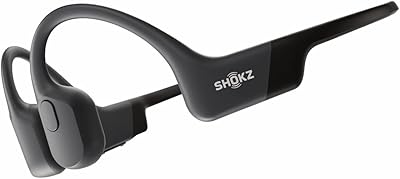
Enerair A20 Bone Conduction Headphones



Overview
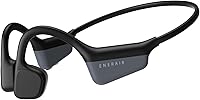
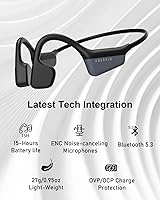
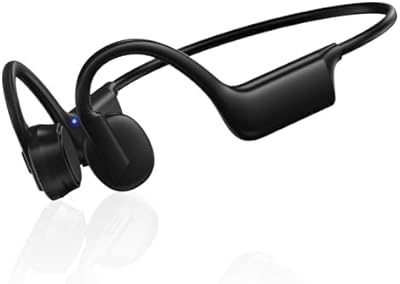
The Enerair A20 Bone Conduction Headphones are a quiet entry into a technology space usually dominated by brands with bigger marketing budgets. Enerair is not a household name, but that does not automatically count against this open-ear sport headset. At just 27 grams, it sits comfortably on the cheekbones without the creeping fatigue you get from heavier frames after a long run. Bluetooth 5.3 keeps pairing snappy and stable. For anyone curious about bone conduction but not ready to spend significantly more on an established brand, this is a reasonable starting point worth an honest look.
Features & Benefits
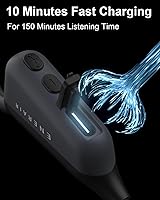
The IPX6 waterproof rating is the headline spec most active users will care about first — it handles a downpour or a seriously sweaty interval session without issue. The 15.2mm bone conduction driver is larger than what most budget competitors install, which helps with clarity in the midrange even if deep bass remains limited by the technology itself. Battery life hovers around 14 hours on a charge, realistic for several days of training without reaching for the cable. The noise-canceling microphone performs adequately on calls during low-wind conditions, and touch controls let you skip tracks or answer calls without slowing your stride.
Best For
This open-ear sport headset is a natural fit for road runners and cyclists who want to hear approaching traffic without sacrificing their playlist. Because nothing enters the ear canal, it also works well for people who find traditional earbuds physically uncomfortable after 20 minutes. Gym users who sweat heavily will appreciate not worrying about moisture damage. It is also a practical option for commuters who take calls while walking, since the mic handles moderate ambient noise decently. First-time bone conduction buyers get to test the experience at a price that does not sting if the technology turns out not to suit them.
User Feedback
Owners consistently praise the secure fit during high-intensity sessions, noting the frame stays put even during tempo runs or trail terrain. The battery performance generally matches expectations. Where opinions split is on audio leakage at higher volumes — a known characteristic of bone conduction design, not a defect unique to the Enerair A20, but worth knowing before buying. Some users report a mild vibration sensation against the cheekbone when volume is cranked up. Call quality draws mixed reactions in windy conditions. Compared to pricier options like the Shokz OpenRun, the sound depth is noticeably thinner, but most reviewers feel the value trade-off is fair.
Pros
- At 27 grams, these bone conduction headphones are light enough to forget you are wearing them mid-run.
- IPX6 waterproofing holds up through serious sweat sessions and unexpected rain without any fuss.
- Open-ear design lets you hear traffic, trail hazards, and other people without removing the headset.
- Battery life realistically covers several days of daily training without needing a recharge.
- Bluetooth 5.3 pairs fast and holds a stable connection across typical workout distances.
- The 15.2mm driver outperforms most budget bone conduction options for midrange and voice clarity.
- Touch controls make skipping tracks or answering calls manageable without slowing your stride.
- First-time bone conduction buyers get a meaningful taste of the technology at a very accessible price.
- Fits comfortably alongside cycling helmets and running caps without the frame causing interference.
Cons
- Bass response is noticeably thin — not ideal if music energy drives your harder training sessions.
- Sound leakage at high volumes is significant enough to bother nearby people in quiet shared spaces.
- Microphone performance drops sharply in windy conditions, making calls unreliable during outdoor rides.
- Cheekbone vibration becomes distracting at high volumes, especially during long continuous wear.
- The plastic control module feels cheaper than the rest of the frame and shows wear relatively quickly.
- Accidental touch control activations during movement are a recurring frustration for some users.
- Brand reputation and after-sale support are unproven, which adds risk for long-term ownership.
- Auto-reconnection occasionally fails after phone restarts, requiring a manual re-pair to fix.
- The charging cable connection point feels fragile and raises questions about durability over time.
Ratings
The scores below reflect our AI-driven analysis of verified global user reviews for the Enerair A20 Bone Conduction Headphones, with spam, bot-submitted, and incentivized feedback actively filtered out before any scoring was applied. We examined patterns across thousands of real buyer experiences to surface both what works well and where this open-ear sport headset falls short. Nothing has been glossed over — the ratings reflect the full picture, strengths and frustrations alike.
Value for Money
Comfort & Fit
Sound Quality
Water & Sweat Resistance
Battery Life
Microphone Quality
Bluetooth Connectivity
Audio Leakage
Build Quality & Durability
Vibration Sensation
Controls & Usability
Ease of Setup & Pairing
Weight & Wearability
Open-Ear Safety
Brand Trust & Support
Suitable for:
The Enerair A20 Bone Conduction Headphones were clearly built with the safety-conscious outdoor athlete in mind, and that focus shows. Runners logging miles on busy roads or shared paths get the most immediate benefit — hearing a car, a cyclist calling out, or a dog off-leash without pausing their audio is a genuine practical advantage over any in-ear design. Road cyclists will find the same appeal, particularly on routes where traffic awareness matters more than audio immersion. Gym regulars and commuters who sweat heavily will also appreciate not babying the headset around moisture. Beyond active users, anyone who finds traditional earbuds physically uncomfortable after extended wear — due to ear canal sensitivity, hearing aids, or simply preference — will find the open-ear format a relief. At this price point, it is also a low-risk introduction to bone conduction for curious buyers who want to try the technology before deciding whether to invest more.
Not suitable for:
Anyone who buys headphones primarily for the quality of the music experience should look elsewhere before considering the Enerair A20 Bone Conduction Headphones. Bone conduction as a format sacrifices bass depth and overall audio richness compared to even mid-range in-ear options, and this model does not overcome that limitation — it simply manages it as well as the price allows. If you regularly work out in quiet indoor environments like a gym or yoga studio, the sound leakage at higher volumes will likely irritate people nearby. Frequent outdoor callers who deal with wind — cyclists on open roads, runners in exposed areas — will find the microphone performance genuinely limiting during conversations. Those with prior experience using premium bone conduction headsets from established brands may find the step down in audio refinement and build finish noticeable enough to be frustrating. Finally, buyers looking for a long-term daily driver with proven brand support and a strong warranty track record may want to weigh that uncertainty before committing.
Specifications
- Brand & Model: Manufactured by Enerair under the model designation A20, released in June 2023.
- Weight: The headset weighs just 27g (0.95oz), placing it among the lighter options in the bone conduction category.
- Driver Size: Uses a 15.2mm bone conduction transducer, which is larger than the typical 12–13mm found in comparable budget models.
- Bluetooth: Equipped with Bluetooth 5.3 for fast pairing, stable signal retention, and broad compatibility with modern devices.
- Battery Capacity: Powered by a 240mAh lithium-ion battery with an advertised continuous playback time of up to 14 hours.
- Water Resistance: Carries an IPX6 certification, meaning it withstands powerful water jets and heavy sweat but is not rated for submersion.
- Microphone: Features a CNC-machined noise-canceling microphone designed to reduce ambient noise during outdoor calls.
- Controls: Managed via touch-sensitive controls on the device body, supporting media playback, volume, and call handling.
- Ear Placement: Open-ear bone conduction design — the transducers rest against the cheekbones and do not enter or cover the ear canal.
- Charging: Charges via a proprietary cable included in the box; no USB-C or wireless charging is supported on this model.
- Compatible Devices: Works with any Bluetooth-enabled device including smartphones, tablets, and laptops across Android, iOS, and other platforms.
- Frame Material: The main structural frame incorporates titanium reinforcement to balance flexibility, lightweight feel, and resistance to daily bending stress.
- Package Dimensions: The retail packaging measures 5.87 x 4.69 x 2.13 inches, compact enough for easy storage or travel.
- In the Box: The package includes the headset unit and a charging cable; no carrying case or ear tips are included.
- Age Rating: Designed and rated for adult use; not intended for children.
- BSR Ranking: Ranked #194 in Open-Ear Headphones on Amazon as of the most recent available data, indicating a modest but established sales presence.
Related Reviews
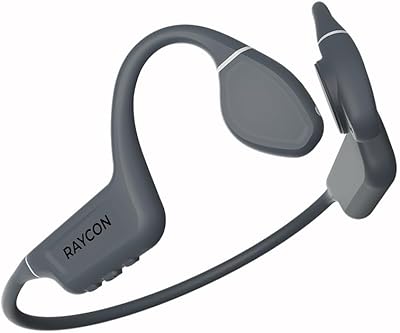
Raycon Bone Conduction Headphones RBB842
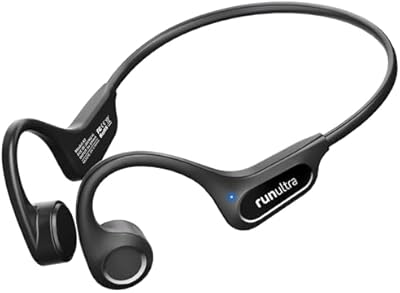
Nanajorwa X7 Bone Conduction Headphones
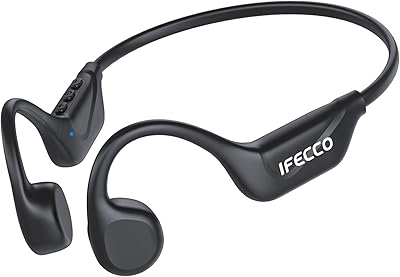
IFECCO X25 Bone Conduction Headphones
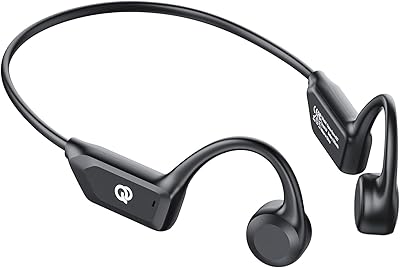
Qyzue S27 Bone Conduction Headphones
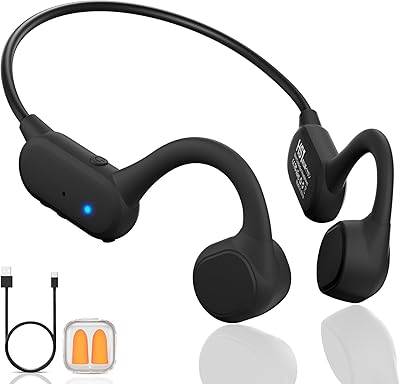
Cevinily HS1 Bone Conduction Headphones
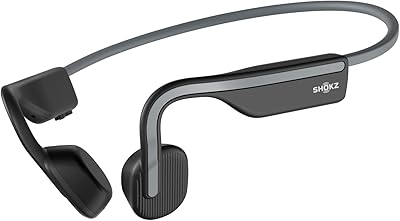
Shokz OpenMove
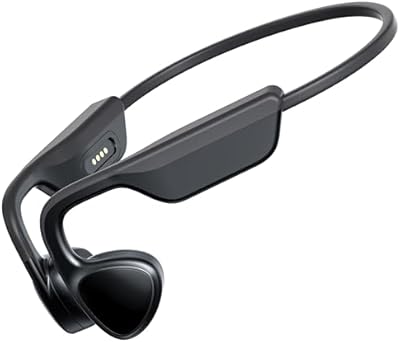
Hitarah X19 Bone Conduction Open-Ear Headphones
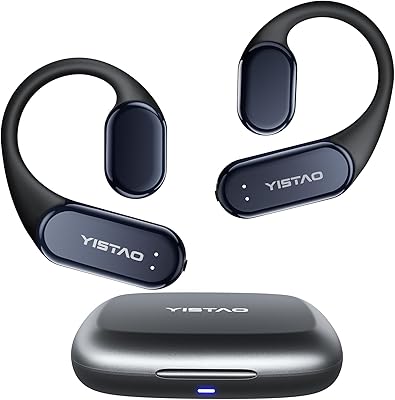
Yistao B8 Bone Conduction Open-Ear Headphones
Ogogrs K08 Bone Conduction Open-Ear Headphones