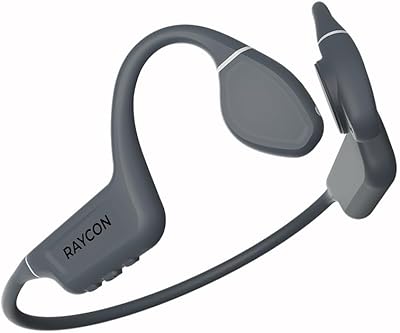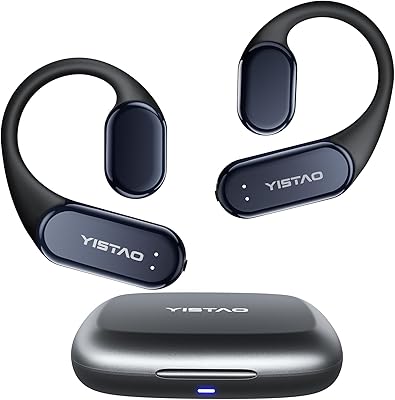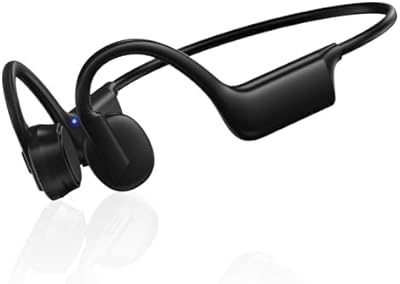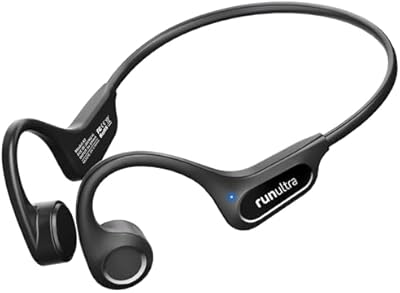

Overview

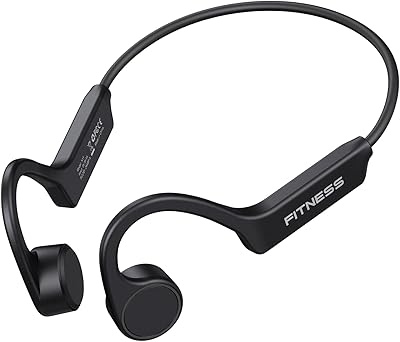
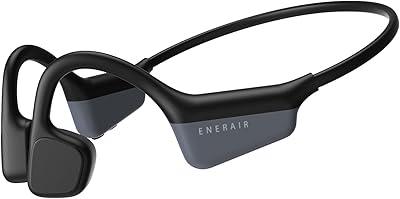
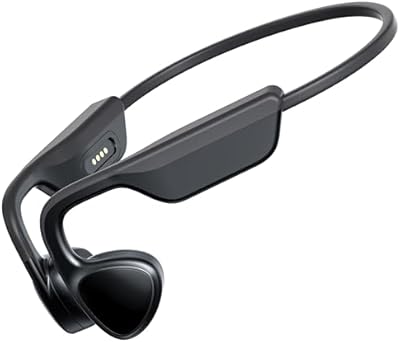
The Hitarah X3 Bone Conduction Headphones represent one of the more affordable ways to try a technology that still feels a little novel to most buyers. Rather than sitting inside the ear canal, bone conduction drivers rest against your cheekbones and transmit audio as vibrations through the skull — your ears stay completely open. Hitarah has clearly aimed this at fitness-focused users who want music without sacrificing awareness of their surroundings. That is a real and practical appeal. Just set expectations accordingly: these are a budget-tier device, not a challenger to premium options from Shokz or Sanag, and the audio reflects that honestly.

Features & Benefits

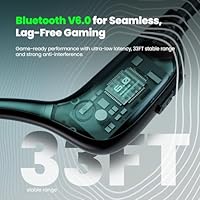
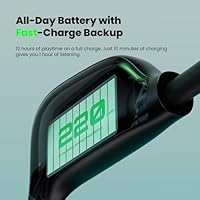
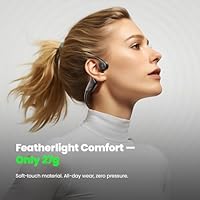
Connectivity runs on Bluetooth 6.0, which pairs quickly and holds a stable signal even when your phone is tucked into a back pocket mid-run. The claimed 12-hour battery is one of the stronger specs here, and the 10-minute quick charge topping up roughly an hour of playback is genuinely useful before a workout. At just 29 grams, the titanium alloy memory wire frame barely registers on your head, and the silicone contact points stay comfortable over extended sessions. IPX5 water resistance means sweat and light rain are not a concern. The built-in mic works for calls, though do not expect studio clarity.

Best For

This open-ear headset suits a specific type of buyer well. Runners and cyclists who share roads with traffic get the most practical value here — keeping both ears open to hear approaching cars or warning shouts is not a minor thing, it is a genuine safety consideration. Gym users who find in-ear buds uncomfortable after an hour will appreciate the no-canal design. If you have never tried bone conduction before, the low entry cost makes this a sensible first experiment. Commuters navigating busy stations or streets are also a natural fit for the always-aware listening experience these earphones provide.

User Feedback

Buyers consistently praise long-wear comfort, with many noting they forget the headset is on during hour-long runs — that lightweight frame earns its mentions. Sound quality feedback is more measured: most agree the audio is acceptable for workouts but noticeably thin compared to sealed headphones, with bass being the clearest limitation. Fit tends to work well for average head sizes, though a handful of users with smaller heads report the frame feeling slightly loose. Mic performance draws mixed reactions — fine for a quick call outdoors, but background noise bleeds through on windy days. Battery life generally matches the advertised figure, which is a pleasant surprise at this price.

Pros

  • Featherlight 29g frame makes these bone conduction headphones easy to forget you are wearing them on long runs.
  • Open-ear design keeps you aware of traffic, trail hazards, and surrounding voices without removing the headset.
  • Bluetooth 6.0 pairs fast and holds a reliable connection when your phone is on your body.
  • Battery life consistently delivers close to the advertised 12 hours at moderate volume.
  • Ten-minute quick charge provides roughly an hour of playback — genuinely useful before unplanned workouts.
  • IPX5 water resistance handles heavy sweat sessions and unexpected rain without issue.
  • Titanium alloy memory wire holds its shape reliably even after being bent and stored repeatedly.
  • No ear canal contact eliminates the pressure and fatigue that in-ear buds cause during extended wear.
  • A sensible low-risk entry point for anyone curious about bone conduction without a steep financial commitment.
  • Compatible with smartphones, tablets, and laptops — versatile enough for multiple daily scenarios.

Cons

  • Bass response is noticeably thin, making hip-hop, EDM, and bass-heavy playlists feel flat and underwhelming.
  • Mic performance deteriorates sharply outdoors in wind, leaving callers struggling to hear you clearly.
  • No companion app means zero EQ customization or firmware update options.
  • Proprietary charging cable is an inconvenience — losing it requires a specific replacement, not any USB-C cable.
  • Fit can feel slightly loose on smaller head sizes, shifting transducer pads away from optimal contact during intense movement.
  • No battery percentage display makes it hard to gauge remaining charge until the low-battery alert triggers.
  • Multi-device simultaneous pairing is not supported, which frustrates users who switch between phone and laptop frequently.
  • The plastic housing around the battery module feels noticeably cheaper than the quality of the wire frame suggests.
  • Very loud gym environments can compete with the open-ear audio output, making it harder to follow what you are listening to.
  • High-impact lateral movements during HIIT or box-jump routines can cause minor headset shifting mid-session.

Ratings

The Hitarah X3 Bone Conduction Headphones have been evaluated by our AI system after processing verified global buyer reviews, with spam, bot-generated, and incentivized submissions actively filtered out. Scores reflect what real users consistently experienced across daily workouts, commutes, and extended wear sessions — strengths and frustrations included. Nothing has been smoothed over to flatter the product.

Wearing Comfort
88%
Most users are genuinely surprised by how little they notice these earphones after the first few minutes. The 29g weight and flexible titanium wire distribute pressure evenly, and the absence of anything inserted into the ear canal removes the fatigue that plagues even well-fitting in-ear buds during hour-long runs.
A small portion of buyers with narrower heads report that the frame sits slightly loose, occasionally shifting during sharp movements or aggressive sprint intervals. The silicone contact pads can feel mildly warm against the skin on hot days during very long sessions.
Sound Quality
63%
37%
For casual listening during exercise, the audio is functional and clear enough in the midrange — vocals in podcasts and guitar-forward tracks come through reasonably well. At this price tier, that is a fair and honest result for bone conduction technology.
Bass is thin and lacks real body, which makes bass-heavy genres like hip-hop or EDM feel flat and unsatisfying. Bone conduction physics impose a ceiling on audio depth regardless of price, and this open-ear headset sits well below that ceiling compared to pricier alternatives like Shokz OpenRun.
Battery Life
84%
The majority of buyers confirm the 12-hour figure holds up under real-world conditions at moderate volume, which is notably reliable for this category. The 10-minute quick charge delivering roughly one hour of playback is a practical perk that several users called out specifically before morning runs.
A handful of reviewers note that battery life drops noticeably at higher volume settings, falling closer to 9 hours than 12. There is no battery percentage indicator, so knowing when to charge requires some guesswork until the low-battery alert sounds.
Fit Stability During Exercise
79%
21%
The wraparound titanium memory wire holds its shape reliably and keeps the headset anchored through most workout types, including cycling, interval training, and trail running. Users report no significant bouncing or slippage on moderate-intensity activities.
High-impact activities involving repeated lateral head movements — think box jumps or intense HIIT circuits — can cause minor shifting of the transducer pads away from optimal cheekbone contact. This affects audio quality more than physical comfort, but it is worth noting for crossfit-style users.
Situational Awareness
93%
The open-ear design delivers exactly what safety-conscious outdoor athletes need. Road runners can hear approaching traffic, cyclists pick up audible signals from other riders, and hikers stay attuned to trail conditions — all without removing the headset or pausing audio.
In very loud environments like crowded gyms with pumping music, the incoming ambient noise can actually compete with the audio output and make it harder to follow what you are listening to. This is a physics limitation of open-ear design, not a product defect.
Bluetooth Connectivity
82%
18%
Bluetooth 6.0 pairing is fast and the connection stays solid when the paired phone is carried on the body during runs. Most users report no dropout issues on standard urban routes or indoor gym sessions.
A few buyers note the connection weakens when the phone is left behind — in a locker or on a gym machine — beyond roughly 8 to 10 meters in real environments. Multi-device simultaneous connection is not supported, which is a minor inconvenience for users switching between a phone and a laptop.
Water and Sweat Resistance
81%
19%
IPX5 holds up well in typical workout conditions — heavy sweating, light rain, and even getting caught in a drizzle during an outdoor run did not cause any performance issues based on user reports. Most buyers feel confident wearing these in unpredictable weather.
IPX5 is not submersion-proof, so swimmers and anyone who showers with their earphones are going to have a bad time. The rating is appropriate for the sport use case, but buyers expecting more protection than sweat and splash resistance should adjust expectations.
Microphone Quality
61%
39%
For quick hands-free calls in relatively calm environments — answering a call mid-commute or checking in with someone before a workout — the mic performs adequately and voices are intelligible on both ends.
Wind noise is a real problem outdoors, and callers frequently report struggling to hear clearly when the user is running or cycling in any kind of breeze. Indoor call quality is acceptable, but the mic is clearly not engineered for frequent or professional use.
Build Quality
74%
26%
The titanium alloy memory wire feels durable and resilient, bending back into shape after being stuffed into a gym bag repeatedly. The overall construction feels more solid than the price tag might suggest.
The plastic housing around the transducer units and battery module is noticeably lightweight and feels less premium than the wire frame. A few long-term users question how the charging port area will hold up after months of repeated plugging and unplugging.
Value for Money
86%
For buyers who are curious about bone conduction technology but unwilling to spend significantly more on established brands, this open-ear headset represents a genuinely reasonable entry point. The battery life and comfort level in particular punch above the typical expectation for this price tier.
Users who upgrade from these to higher-end bone conduction headphones consistently describe the audio quality gap as substantial. If sound fidelity matters to you alongside fitness functionality, the extra investment in a premium model is worth considering.
Ease of Use
89%
Controls are minimal and intuitive — no learning curve, and the headset powers on and connects automatically when worn. Most buyers had it working out of the box within two minutes, including first-time bone conduction users.
The button placement can be tricky to locate by feel during a workout, occasionally leading to accidental skips or volume changes. There is no companion app, so EQ customization or firmware updates are not an option.
Weight and Portability
91%
At 29 grams, this is genuinely featherlight even by sport headphone standards. Tossing it into a running vest pocket or gym bag adds virtually no bulk, and the flexible frame means it survives being folded without any special case.
The wraparound form factor is less pocketable than truly wireless earbuds. Users who prefer ultra-compact carry — in a small running waistband, for instance — may find the headband design slightly awkward to store on the go.
Charging Experience
76%
24%
The 1.5-hour full charge time is practical and the quick-charge feature is a genuine convenience for forgetful users who plug in ten minutes before heading out. Most buyers find the charging experience straightforward.
The charging cable is proprietary, which means losing it requires tracking down a replacement rather than grabbing any nearby USB-C cable. The charging port cover, while protective, can be fiddly to open when your hands are damp after a workout.

Suitable for:

The Hitarah X3 Bone Conduction Headphones are a strong match for outdoor athletes who treat situational awareness as a non-negotiable — road runners who need to hear oncoming traffic, cyclists navigating shared paths, and hikers moving through terrain where ambient sound matters for safety. Gym-goers who struggle with in-ear buds slipping out mid-set or causing ear fatigue after an hour will find the open-ear wraparound design a practical alternative that stays put without discomfort. Commuters who want music or podcasts while remaining alert to announcements and surrounding activity are also well served here. This open-ear headset is particularly well suited to first-time bone conduction buyers who want to test the technology without committing to the significantly higher price of premium alternatives. The 12-hour battery and quick-charge feature make it a reliable companion for long training days or all-day light use without constant recharging anxiety.

Not suitable for:

The Hitarah X3 Bone Conduction Headphones are not the right tool for anyone who prioritizes audio fidelity above all else — bass-heavy music genres will sound noticeably thin, and the open-ear format cannot compete with even mid-range sealed headphones when it comes to sound immersion and depth. Buyers who frequently take calls in windy or noisy outdoor environments will find the built-in mic frustrating, as background noise bleeds through readily and callers often struggle to hear clearly. Anyone hoping to use these for swimming or water sports should look elsewhere, since IPX5 covers sweat and splash but not submersion. Users with smaller head sizes may experience a looser fit that causes the transducer pads to drift from optimal cheekbone contact during intense movement, which affects audio output quality. If you are already committed to bone conduction and know you want the best sound and build available, spending more on an established premium brand will deliver a noticeably better experience than these earphones can offer at their price tier.

Specifications

  • Model: The model designation for this headset is X3, manufactured by Hitarah.
  • Driver Type: Audio is delivered via bone conduction drivers that transmit sound vibrations through the cheekbones rather than the ear canal.
  • Bluetooth Version: The headset uses Bluetooth 6.0 for fast pairing and a stable wireless connection during physical activity.
  • Battery Life: A full charge provides up to 12 hours of continuous playback at moderate volume levels.
  • Quick Charge: A 10-minute charge delivers approximately one hour of additional playback, reducing downtime before workouts.
  • Full Charge Time: The battery reaches full capacity in approximately 1.5 hours from a fully depleted state.
  • Water Resistance: The headset carries an IPX5 rating, making it resistant to sweat and light rain but not suitable for submersion.
  • Weight: The complete headset weighs 29g, placing it among the lighter options in the sport headphone category.
  • Frame Material: The wraparound frame is constructed from titanium alloy memory wire, which flexes to fit and returns to its original shape.
  • Contact Material: The transducer pads that rest against the cheekbones are covered in skin-friendly silicone to reduce irritation during extended wear.
  • Ear Placement: The open-ear design places the drivers outside the ear canal entirely, leaving both ears unobstructed.
  • Microphone: A built-in microphone supports hands-free calls, positioned to capture voice during outdoor and indoor use.
  • Charging Port: The headset uses a proprietary charging connector rather than a universal USB-C port.
  • Audio Jack: There is no 3.5mm headphone jack; the headset is wireless only with no wired fallback option.
  • Compatible Devices: The headset pairs wirelessly with smartphones, tablets, and laptops running standard Bluetooth profiles.
  • Form Factor: The X3 uses a wraparound behind-the-head sport headset design that secures the frame around the back of the skull.
  • Included Items: The package includes the headset and a user manual; no carrying case or extra accessories are included.
  • Date Available: This model became available for purchase in August 2025.

Related Reviews
Hitarah X19 Bone Conduction Headphones
83%
90%
Comfort and Fit
72%
Sound Quality
85%
Battery Life
88%
Build Quality
93%
Waterproof Rating (IPX7)
More
Raycon Bone Conduction Headphones RBB842
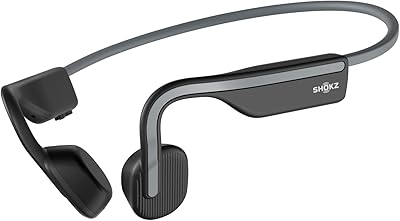
74%
91%
Water Resistance
93%
Situational Awareness
87%
Battery Life
63%
Audio Quality
82%
Fit & Stability
More
Yistao B8 Bone Conduction Open-Ear Headphones
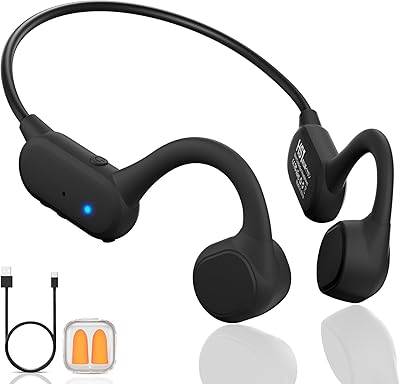
77%
91%
Comfort & Fit
88%
Battery Life
86%
Waterproofing
63%
Audio Quality
51%
Sound Leakage
More
Ogogrs K08 Bone Conduction Open-Ear Headphones
70%
81%
Comfort & Fit
58%
Sound Quality
83%
Battery Life
88%
Situational Awareness
52%
Microphone Quality
More
PSIER X11 Bone Conduction Headphones
77%
88%
Comfort & Wearability
84%
Secure Fit During Activity
61%
Sound Quality
93%
Open-Ear Situational Awareness
52%
Sound Leakage
More
Enerair A20 Bone Conduction Headphones
73%
84%
Value for Money
81%
Comfort & Fit
63%
Sound Quality
88%
Water & Sweat Resistance
76%
Battery Life
More
Qyzue S27 Bone Conduction Headphones
79%
91%
Comfort & Wearability
88%
Fit & Stability
86%
Battery Life
67%
Sound Quality
83%
Bluetooth Connectivity
More
Shokz OpenMove
Shokz OpenMove
84%
96%
Situational Awareness
92%
Long-Term Comfort
88%
Build Quality & Durability
84%
Value for Money
91%
Charging Convenience
More
Cevinily HS1 Bone Conduction Headphones
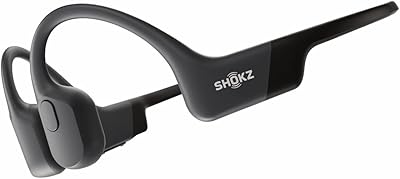
78%
91%
Wearing Comfort
89%
Situational Awareness
86%
Battery Life
84%
Water Resistance
61%
Sound Quality
More
IFECCO X25 Bone Conduction Headphones
78%
91%
Value for Money
84%
Comfort & Fit
58%
Sound Quality
86%
Battery Life
79%
Bluetooth Connectivity
More

FAQ

Bone conduction can be beneficial for some types of hearing loss, particularly conductive hearing loss, because it bypasses the outer ear entirely. However, results vary significantly depending on the nature and severity of the hearing condition. It is worth consulting an audiologist before assuming this open-ear headset will address your specific situation.

No — the IPX5 rating covers sweat and splash protection but not submersion. Taking them into a pool would likely cause water damage. If swimming is your main activity, you will need a headset rated at IPX8 or higher.

Honestly, bone conduction at this price tier is not going to replace a good pair of in-ear buds for pure audio quality. Midrange frequencies like vocals and acoustic instruments come through clearly enough, but bass is noticeably thin. If music quality is your top priority, temper expectations accordingly — these earphones are designed for awareness and comfort, not audiophile listening.

For most activities — running, cycling, gym circuits — the titanium memory wire holds the headset firmly in place. During very high-impact lateral movements like box jumps, some users experience minor shifting of the transducer pads. It is not a major issue for the majority of buyers, but worth knowing if your training style involves aggressive multi-directional movement.

In a quiet indoor environment, the built-in mic is adequate for casual calls and video meetings. It picks up voice clearly enough that most people on the other end will have no complaints. Outdoors in any kind of wind, though, it struggles noticeably — background noise bleeds through and callers may ask you to repeat yourself.

No, simultaneous multi-device pairing is not supported. You can pair the X3 earphones to multiple devices, but you will need to manually switch the active connection between them. It is a minor inconvenience if you frequently jump between a phone and a computer during the day.

The headset gives an audio alert when the battery is getting low, but there is no real-time battery percentage readout since there is no companion app or display. Most users develop a habit of charging after every session to avoid being caught short mid-workout.

The charging cable is proprietary, meaning it is not a standard USB-C cable you can grab at any electronics store. If you lose it, you will need to find a compatible replacement, ideally through the same seller or Hitarah directly. It is a good idea to keep the included cable somewhere consistent so it does not go missing.

Most glasses wearers find bone conduction headsets compatible with their frames since the driver pads sit on the cheekbones rather than over or around the ears. The titanium wire wraps behind the head and typically does not conflict with standard eyeglass temples. That said, larger or thicker frames may feel slightly cramped depending on head shape — trying the headset on with your glasses before committing is advisable if possible.

A damp cloth wiped over the silicone contact pads and frame is the safest approach after heavy sweat sessions. Avoid submerging the headset or spraying liquid directly onto the charging port area. The IPX5 rating means a light rinse under running water is technically survivable, but keeping moisture away from the port and seams as much as possible will extend the headset's lifespan.