


Overview

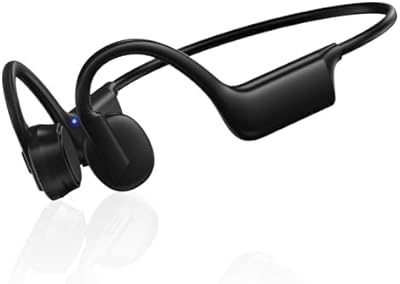
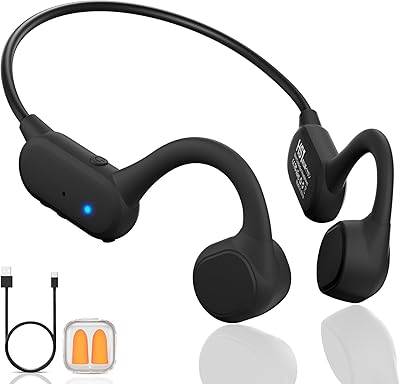
The IFECCO X25 Bone Conduction Headphones arrived in early 2025 as one of the more accessible entry points into bone conduction audio. At under thirty dollars, they target active users who need to hear their surroundings — traffic, trail hazards, other people — without pulling out an earbud every few minutes. The 28-gram frame is genuinely light, and the flexible silicone-wrapped band fits a range of head sizes without digging in. Because these sit against your cheekbones rather than plugging your ear canal, there is no pressure buildup and no sweat collecting inside your ears during long workouts — a real comfort advantage over traditional in-ear designs.

Features & Benefits

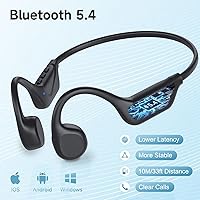
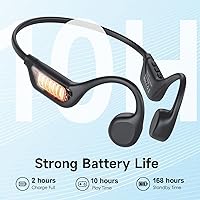
The IFECCO X25 runs on Bluetooth 5.4, which brings multipoint pairing — meaning you can stay connected to your phone and laptop at the same time without manually switching. Battery life hits a solid 10 hours on a full charge, and a two-hour Type-C charge gets you back there quickly. There is also a low-latency game mode tucked behind four quick presses of the power button, which cuts audio delay noticeably — a small but genuine touch you rarely find at this price. The built-in mic handles calls acceptably in calm environments. Just know that the IPX5 rating covers sweat and rain; it does not mean these are safe for swimming.

Best For

This open-ear headset is a natural fit for cyclists and runners who need traffic awareness baked into their listening experience — that is the core appeal of open-ear design, and it delivers on it reliably. It also works well for gym sessions and hiking where heavy sweating rules out in-ear options for comfort or hygiene reasons. Dual-device pairing makes it genuinely useful for anyone who bounces between a phone and a work laptop throughout the day. And if you have had persistent ear discomfort with traditional buds, these sidestep that issue entirely. First-time buyers curious about bone conduction will find this a low-risk way to try the technology without a significant financial commitment.

User Feedback

With a 4.3-star average across 172 reviews, these bone conduction headphones have landed well for a product that only launched in early 2025. Buyers consistently mention fit and comfort as highlights — the light frame and flexible band seem to suit a wide range of head shapes. Value for the price comes up often too. Where the criticism clusters is around sound quality, which is fair: bone conduction at any price has inherent low-end limitations, and budget models feel that constraint more acutely. Call quality via the mic gets mixed marks, performing reasonably in quiet settings but struggling in wind or background noise. No one is comparing this favorably to Shokz — but at this price, most buyers seem satisfied with what they got.

Pros

  • At under thirty dollars, these bone conduction headphones offer genuine value for first-time open-ear buyers.
  • The 28-gram weight is barely noticeable during long runs or extended wear.
  • Bluetooth 5.4 multipoint pairing lets you stay connected to two devices without manual switching.
  • A full 10 hours of battery life covers even the longest training sessions without a mid-day recharge.
  • Type-C charging is a welcome modern touch — no proprietary cables to lose.
  • The open-ear design keeps you aware of traffic, trail sounds, and other people without removing the headset.
  • IPX5 protection handles sweat and light rain without any special precautions during workouts.
  • The low-latency game mode is a rare and useful feature at this price point for mobile gamers.
  • The flexible silicone frame fits a range of head sizes and does not dig in over time.
  • No ear canal contact means no pressure buildup or sweat accumulation during sweaty workouts.

Cons

  • Bass response is thin and limited — this is a known constraint of bone conduction, but budget models feel it most.
  • The built-in mic struggles noticeably in windy or noisy outdoor environments.
  • Bluetooth range tops out at around 10 meters, which is shorter than many competing headsets.
  • Sound can leak to people nearby in quiet environments, which limits use in offices or libraries.
  • The brand has minimal track record and limited long-term durability data compared to established names.
  • IPX5 is not swim-proof — the waterproof label can mislead buyers expecting full submersion protection.
  • With only 172 reviews since early 2025, there is limited real-world feedback on how these hold up over months of use.
  • Call quality is mediocre at best, making these a poor primary headset for frequent phone or video call users.
  • Volume levels may feel low outdoors where ambient noise competes with the open-ear audio output.

Ratings

The scores below reflect an AI-driven analysis of verified global buyer reviews for the IFECCO X25 Bone Conduction Headphones, with spam, bot activity, and incentivized feedback actively filtered out before scoring. Each category is assessed against real-world usage patterns reported by confirmed purchasers, not marketing claims. Both standout strengths and recurring frustrations are weighted transparently into every score.

Value for Money
91%
At this price point, buyers consistently express genuine surprise at how much functionality they receive — dual-device pairing, game mode, and Type-C charging are features that cost significantly more on competing open-ear brands. For first-time bone conduction users, the low financial risk makes trying the technology feel like a no-brainer rather than a gamble.
A handful of buyers who came in expecting performance comparable to Shokz or other mid-range brands felt let down, suggesting that value perception drops sharply when expectations are not properly set before purchase. The trade-offs in sound and mic quality are real, and they become more noticeable the longer you own these.
Comfort & Fit
84%
The 28-gram frame is light enough that many users report forgetting they are wearing it during long runs or extended work-from-home sessions. The flexible silicone-wrapped band accommodates a range of head sizes without the pinching or pressure points that rigid headbands often create over time.
Users with smaller heads occasionally report the band sitting loosely, causing the transducers to drift slightly off the cheekbone contact point during high-intensity movement. A few buyers also noted minor vibration tickling at higher volumes, which is a physical characteristic of bone conduction rather than a defect.
Sound Quality
58%
42%
For podcasts, audiobooks, and casual background music during outdoor activity, the audio is perfectly adequate — clear enough to follow a conversation or track without frustration. Users who understand what bone conduction does and does not do tend to rate this aspect more generously than those expecting traditional earbud output.
Bass is thin and flat, and music that relies on low-frequency richness sounds noticeably hollow. At this budget tier, the bone conduction drivers lack the precision of more expensive models, making genre-dependent listening — anything from hip-hop to orchestral — a noticeably reduced experience compared to even mid-range earbuds.
Battery Life
86%
Ten hours of continuous playback covers the overwhelming majority of real-world use cases — full workday background listening, multi-hour trail runs, or a week of daily gym sessions without needing to recharge in between. The two-hour Type-C charge cycle means a short break is all it takes to top up if you do run it down.
Battery performance can dip below the advertised 10 hours when game mode is active or when calls are taken frequently, which a handful of buyers discovered after expecting the full estimate. There is no companion app or battery indicator beyond a basic voice prompt, so tracking remaining charge relies entirely on memory.
Bluetooth Connectivity
79%
21%
Bluetooth 5.4 delivers a noticeably stable connection during everyday use — walking around the house, commuting, or cycling on open roads without frequent dropouts. Multipoint pairing to two devices simultaneously works reliably and is a genuinely useful feature for anyone bouncing between a work laptop and personal phone.
The 10-meter range is shorter than many competing headsets, and buyers in denser environments — crowded gyms, urban commutes — occasionally report brief stuttering when the source device is at the edge of range or obstructed by walls. Reconnection after powering off and back on is not always instantaneous.
Microphone Quality
53%
47%
In quiet indoor settings — home offices, stationary video calls — the built-in mic picks up voice clearly enough that callers on the other end rarely complain. For occasional check-in calls during a walk in calm conditions, it handles the basics without embarrassing either party.
Wind is the microphone's biggest enemy, and since these are marketed for outdoor cycling and running, the mismatch is significant — call quality degrades quickly once you are moving at speed outdoors. The mic also has no noise-cancellation capability, so background sounds like traffic or gym equipment bleed through noticeably during calls.
Water & Sweat Resistance
74%
26%
IPX5 protection holds up well during intense gym sessions and light rain — multiple buyers report using these through sweaty workouts regularly without any degradation in function over weeks of use. The silicone frame wipes clean easily after heavy perspiration, which keeps maintenance minimal.
A meaningful portion of buyers initially misread IPX5 as full waterproofing, leading to disappointment when the units showed moisture damage after pool use or heavy rain exposure. The product listing could do more to clarify the distinction upfront, and this continues to generate low ratings from buyers who expected swimming-level protection.
Build Quality
67%
33%
The combination of ABS, polycarbonate, and silicone holds together better than the price might suggest — the flexible band survives being bent, stuffed into bags, and general active-use handling without cracking or warping. Short-term durability feedback from buyers who have used these for one to three months is mostly positive.
Long-term durability data is limited given the product only launched in early 2025, and the brand has minimal track record in the category. The plastic construction feels budget-grade when handled alongside premium alternatives, and a few buyers noted that the finish began to show wear marks from daily use faster than expected.
Ease of Use
83%
Button controls are straightforward — power, volume, and call management are all accessible without pulling out a manual after the first day. The game mode activation sequence (four quick presses) is intuitive once you know it exists, and pairing to a new device for the first time takes under a minute.
There is no companion app, which means no EQ customization, no battery percentage readout, and no firmware update path — everything is locked to the hardware defaults. Buyers used to more feature-rich headset ecosystems will find the control set minimal, even if it is reliable.
Situational Awareness
93%
This is where open-ear bone conduction genuinely outperforms any sealed earbud design, and buyers who purchased specifically for outdoor safety consistently give high marks here. Cyclists navigating traffic and trail runners monitoring terrain behind them report the awareness benefit as immediately practical rather than just theoretical.
Audio leakage is the unavoidable flip side of the open-ear design — sound radiates outward to some degree, which limits use in quiet shared environments. This is not a flaw specific to this headset but an inherent property of the technology that buyers should account for before purchasing.
Charging Experience
81%
19%
Type-C charging is a practical modern standard that means no hunting for proprietary cables — most buyers already have a compatible cable at home or in their bag. The two-hour charge time is fast enough that plugging in during a lunch break or evening easily restores a full day of battery.
The charging port cover, where present, can feel fiddly to open and reseat properly, and a few buyers raised concerns about long-term port seal integrity after repeated plugging cycles. There is no wireless charging option, which is not unexpected at this price but worth noting for buyers who have come to rely on it.
Game Mode Performance
72%
28%
The low-latency game mode is a genuine differentiator at this price — mobile gamers who tried it noticed a meaningful reduction in audio-to-visual lag during fast-paced gameplay, making it a more usable option for casual gaming than most budget wireless headsets. Activation is quick and switching back to music mode is equally simple.
The improvement is noticeable but not transformative — serious mobile gamers accustomed to dedicated gaming audio gear will still find the overall sound profile lacking depth and positional precision. Battery consumption is also slightly higher in game mode, which reduces total playtime from the headline figure.
Hygiene & Maintenance
88%
Not inserting anything into the ear canal eliminates one of the most common complaints about in-ear buds — the buildup of earwax, moisture, and bacteria after heavy workouts. Buyers with a history of ear infections or sensitivity praise this aspect specifically, and the silicone surface wipes down quickly with a damp cloth.
The transducer pads that rest against the cheekbones can accumulate sunscreen, sweat residue, and skin oils over time, requiring more deliberate cleaning than the outer frame alone. Users who skip regular wiping have noted minor skin irritation developing at the contact points after extended daily wear in warm climates.

Suitable for:

The IFECCO X25 Bone Conduction Headphones are a strong match for outdoor athletes who prioritize safety over sound quality — cyclists navigating busy roads, trail runners who need to hear what is coming up behind them, and hikers who want music without losing touch with their environment. If you sweat heavily during workouts, the open-ear design removes the discomfort and hygiene issues that come with traditional in-ear buds sitting in a warm, moist ear canal for an hour. At under thirty dollars, this is also a genuinely low-risk way for curious buyers to try bone conduction for the first time without committing to a premium price. People who regularly switch between a phone and a laptop will appreciate the dual-device pairing, which works without fussing with settings each time. Anyone who finds in-ear headphones physically uncomfortable — due to ear sensitivity, canal size, or prolonged pressure — will find the cheekbone-mounted fit a real relief.

Not suitable for:

Anyone chasing audio quality should look elsewhere before considering the IFECCO X25 Bone Conduction Headphones. Bone conduction technology has an inherent ceiling on bass response and overall richness that no budget-tier model overcomes, and this one is no exception — it is adequate for podcasts and spoken audio, but music lovers who care about depth and clarity will likely be underwhelmed. The built-in microphone works in calm indoor environments but degrades quickly in wind or ambient noise, making it a poor choice for people who rely heavily on call quality during commutes or outdoor rides. The IPX5 rating is frequently misread as full waterproofing — it is not; swimmers or anyone planning to use these in rain heavier than a light drizzle should be aware of that distinction. If you already own a pair of Shokz or another established bone conduction brand, there is little here that represents a meaningful upgrade, and the sound and build quality gap between budget and mid-range in this category is noticeable.

Specifications

  • Model: This headset is designated as the X25, manufactured under the IFECCO (I love e iFecco) brand.
  • Bluetooth Version: It uses Bluetooth 5.4, one of the more current chipset versions available in consumer audio as of 2025.
  • Bluetooth Range: Wireless connectivity is rated for up to 10 meters in open, unobstructed conditions.
  • Multipoint Pairing: The headset can maintain simultaneous connections to two separate Bluetooth devices at once.
  • Driver Type: Audio is delivered via bone conduction drivers that transmit vibrations through the cheekbones rather than through the ear canal.
  • Impedance: The drivers are rated at 32 Ohm, which is standard for portable consumer-grade audio devices.
  • Sensitivity: Sensitivity is rated at 90 dB, sufficient for ambient-aware listening but not optimized for high-volume output.
  • Battery Life: A full charge provides up to 10 hours of continuous music playback or call use.
  • Charging Time: The battery charges from empty to full in approximately 2 hours via the onboard Type-C port.
  • Charging Port: Charging is handled by a USB Type-C connection, compatible with modern universal cables.
  • Water Resistance: The headset carries an IPX5 rating, meaning it is protected against sweat and low-pressure water spray but is not safe for submersion.
  • Weight: The entire unit weighs just 28 grams, making it one of the lighter options in the open-ear headphone category.
  • Frame Materials: The headset body is constructed from ABS plastic and polycarbonate, with the contact surfaces wrapped in skin-friendly silicone.
  • Earpiece Shape: The open-ear form factor leaves the ear canal completely unobstructed during use.
  • Microphone: A built-in microphone is included for hands-free calling, though it is not a noise-cancelling design.
  • Playback Modes: Two audio modes are available: a default music mode and a low-latency game mode activated by pressing the power button four times.
  • Compatible Devices: The headset pairs with smartphones, tablets, and laptops that support Bluetooth connectivity.
  • Included Items: The package includes the headset, a USB Type-C charging cable, and a printed user manual.
  • Package Dimensions: The retail box measures approximately 5.47 x 4.57 x 2.13 inches, compact enough for easy storage or gifting.
  • Date Available: The X25 was first made available for purchase in February 2025.

Related Reviews
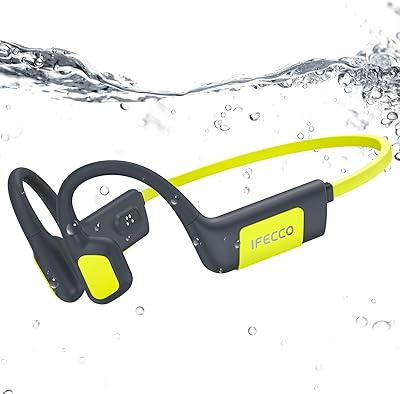
iFecco X7 32GB Bone Conduction Headphones
76%
84%
Waterproof Performance
79%
Onboard MP3 Functionality
58%
Audio Quality
81%
Comfort & Fit
77%
Bluetooth Stability
More
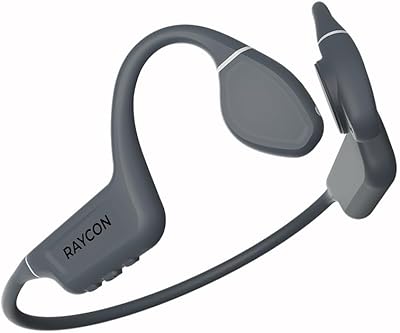
Raycon Bone Conduction Headphones RBB842
74%
91%
Water Resistance
93%
Situational Awareness
87%
Battery Life
63%
Audio Quality
82%
Fit & Stability
More
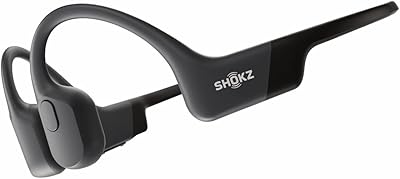
Shokz OpenRun
Shokz OpenRun
82%
97%
Situational Awareness
93%
Fit and Comfort
88%
Water and Sweat Resistance
84%
Battery Life
92%
Quick Charging Capability
More
Qyzue S27 Bone Conduction Headphones
79%
91%
Comfort & Wearability
88%
Fit & Stability
86%
Battery Life
67%
Sound Quality
83%
Bluetooth Connectivity
More
Cevinily HS1 Bone Conduction Headphones
78%
91%
Wearing Comfort
89%
Situational Awareness
86%
Battery Life
84%
Water Resistance
61%
Sound Quality
More
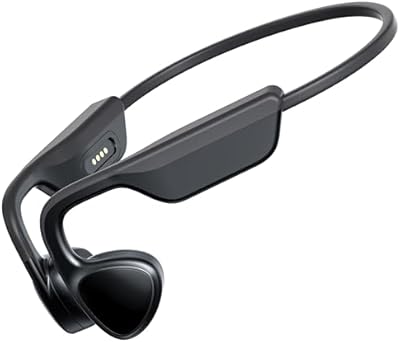
Hitarah X3 Bone Conduction Headphones
81%
88%
Wearing Comfort
63%
Sound Quality
84%
Battery Life
79%
Fit Stability During Exercise
93%
Situational Awareness
More
Nanajorwa X7 Bone Conduction Headphones
78%
83%
Comfort & Fit
61%
Sound Quality
72%
Battery Life
91%
Ambient Awareness
69%
Build Quality
More
Ogogrs K08 Bone Conduction Open-Ear Headphones
70%
81%
Comfort & Fit
58%
Sound Quality
83%
Battery Life
88%
Situational Awareness
52%
Microphone Quality
More
Enerair A20 Bone Conduction Headphones
73%
84%
Value for Money
81%
Comfort & Fit
63%
Sound Quality
88%
Water & Sweat Resistance
76%
Battery Life
More
PSIER X11 Bone Conduction Headphones
77%
88%
Comfort & Wearability
84%
Secure Fit During Activity
61%
Sound Quality
93%
Open-Ear Situational Awareness
52%
Sound Leakage
More

FAQ

The IPX5 rating means they handle sweat and light rain without issue, but they are not designed for water submersion. Do not take them into the pool or wear them in a heavy downpour — water pressure from swimming or direct spray can damage the internals.

The IFECCO X25 Bone Conduction Headphones support multipoint pairing, so you can keep both devices connected simultaneously. In practice, audio priority usually shifts automatically to whichever device is actively playing or receiving a call, though this can vary slightly depending on the phone and laptop combination you are using.

Game mode reduces the audio transmission delay between your device and the headset, which helps keep sound in sync with fast-moving visuals in mobile games. You activate it by pressing the power button four times in quick succession. If you are only using these for music or calls, you can ignore it entirely — the default music mode works fine for those purposes.

Yes, to some degree. Open-ear bone conduction headsets do allow some audio to leak outward since the sound is transmitted through vibration rather than sealed inside your ear. It is generally not loud enough to bother someone across a room, but in a quiet library or open-plan office, the person sitting directly next to you may be able to faintly hear what you are listening to.

The wraparound band sits behind your head and the transducers rest just in front of your ears on your cheekbones. It is designed to stay secure during running and cycling, and the flexible frame adjusts to different head shapes. That said, fit experiences can vary — people with smaller heads occasionally find open-ear headsets shift more than expected during vigorous movement.

Not really, and that is worth being upfront about. Bone conduction technology has inherent limitations with bass and overall audio richness that even premium models share — budget versions feel those constraints more. These work well for podcasts, audiobooks, and casual music listening, but if sound quality is your top priority, a standard earbud at a similar price will outperform them on that metric alone.

It performs reasonably well in quiet indoor settings — the person on the other end should hear you clearly enough for a normal conversation. Outdoors, wind noise becomes a real issue, and the mic does not have noise cancellation to compensate. For occasional calls it is fine, but if you spend a lot of time on calls while commuting or cycling, you may find the audio pickup inconsistent.

Yes, as long as your TV or iPad supports Bluetooth. Most modern smart TVs and all recent iPads do. Just put the headset in pairing mode and find it in your device's Bluetooth settings. Keep in mind the 10-meter range limit, so sitting far from the TV in a large room might cause occasional dropouts.

Wipe them down with a slightly damp cloth after use — the silicone-covered contact points and frame are easy to clean without special products. Avoid soaking them or running them under a tap, since the IPX5 rating does not protect against that level of water exposure. Let them air dry before charging or storing them.

Yes, this open-ear headset is one of the more sensible entry points if you are bone-conduction-curious but not ready to spend significantly more on an established brand. You get a practical, functional experience that lets you understand how the technology works and whether it suits your lifestyle — without a large financial commitment. If you end up loving it, you will then have a much clearer sense of which premium features matter to you before upgrading.