Hitarah X19 Bone Conduction Open-Ear Headphones

Hitarah X19 Bone Conduction Open-Ear Headphones — image 1

Hitarah X19 Bone Conduction Open-Ear Headphones — image 2

Hitarah X19 Bone Conduction Open-Ear Headphones — image 3

Hitarah X19 Bone Conduction Open-Ear Headphones — image 4

Hitarah X19 Bone Conduction Open-Ear Headphones — image 5
Hitarah X19 Bone Conduction Open-Ear Headphones — image 6
76%
24%

Overview

The Hitarah X19 Bone Conduction Open-Ear Headphones are a budget-conscious way to try open-ear audio technology without committing to a premium price tag. Hitarah isn't a household name, so temper expectations accordingly — this isn't a Shokz competitor gunning for audiophile approval. What it is, though, is a lightweight wraparound headset built for people who spend real time outdoors. At just 29g, the titanium alloy memory wire frame sits comfortably against your head without the pressure buildup you often feel after an hour with traditional in-ear buds. Despite being a relatively new listing, it has carved out a solid ranking in the open-ear category, suggesting genuine buyer interest rather than inflated hype.

Features & Benefits

On the spec sheet, the X19 earphones hold up reasonably well for their price tier. Bluetooth 5.3 keeps the connection stable and responsive — pairing is quick, and there's no noticeable lag during audio playback. The IPX7 waterproof rating means you can wear them in a downpour or a sweaty gym session without worry; the nano-coating handles that protection without adding bulk. Battery life is rated at 12 continuous hours, and the fast-charge function is genuinely useful — a short 10-minute top-up reportedly nets another hour of listening. The built-in microphone handles calls, though wind noise outdoors can be an issue. One spec worth flagging: the listing mentions active noise cancellation, which is physically incompatible with an open-ear design — treat that as a data entry error, not a real feature.

Best For

These bone conduction headphones hit their sweet spot with outdoor athletes — runners who need to hear oncoming traffic, cyclists sharing the road, or hikers who want music without losing track of their surroundings. Gym users who find silicone ear tips uncomfortable after 20 minutes will also appreciate the completely non-insertive fit. They're worth considering for commuters who walk or ride in areas where being fully tuned out feels unsafe. And if you've been curious about bone conduction technology but couldn't justify spending more, this open-ear headset is a low-risk way to find out whether the format suits your lifestyle. People with ear canal sensitivity or those who wear hearing aids may find this style of headphone uniquely practical.

User Feedback

Buyers tend to praise the lightweight comfort most — wearing something this light through a long run without ear fatigue is a genuine selling point, and fit stability during high-movement activities draws consistent positive mentions. On the flip side, audio leakage is a real trade-off; people nearby can hear what you're listening to at moderate-to-high volumes, which matters in quiet shared spaces. Bass response is thin, as it is with virtually all bone conduction devices — don't expect rich low-end from the X19 earphones. Call quality is functional but unremarkable, especially in windy conditions. Battery life appears to broadly match the claimed 12 hours under normal use, which is one area where the product seems to deliver without overpromising.

Pros

  • At just 29g, these bone conduction headphones are light enough to wear through a full workout without fatigue.
  • The open-ear design lets you stay aware of traffic, people, and surroundings during outdoor activities.
  • IPX7 waterproofing handles heavy sweat, rain, and humid gym conditions without issue.
  • Bluetooth 5.3 pairs quickly and maintains a stable connection across typical daily-use distances.
  • Fast-charge support means a short 10-minute charge buys roughly another hour of listening time.
  • The titanium alloy memory wire frame adapts to different head shapes and holds its position during high-movement activities.
  • Skin-friendly silicone contact points minimize irritation during long sessions, even on sensitive skin.
  • Rated 12 hours of continuous battery life, which broadly holds up under real-world moderate-volume use.
  • A strong value entry point for first-time bone conduction buyers who want to try the format affordably.
  • Non-insertive fit makes the X19 earphones a hygienic choice for people who find in-ear buds uncomfortable.

Cons

  • Bass response is noticeably thin — this is a format-wide limitation, but buyers expecting full sound will be let down.
  • Audio leaks to people nearby at moderate to high volumes, making these headphones unsuitable for quiet shared spaces.
  • Hitarah is a newer, lesser-known brand with limited long-term track record for durability or customer support.
  • The built-in microphone struggles with wind noise, reducing call clarity during outdoor use.
  • The product listing incorrectly references active noise cancellation, which is physically impossible in an open-ear design — a red flag for listing accuracy.
  • Sound quality at this price tier falls noticeably short of established bone conduction brands in the same category.
  • No water submersion use — IPX7 covers splashing and sweat, but these are not swimming headphones.
  • Wireless-only connectivity means no fallback wired option if Bluetooth connectivity fails or battery dies mid-use.

Ratings

The scores below reflect our AI-driven analysis of verified global buyer reviews for the Hitarah X19 Bone Conduction Open-Ear Headphones, with spam, bot-generated, and incentivized feedback actively filtered out before scoring. We've weighted both the praise and the frustrations equally, so what you see here is an honest picture of where these earphones deliver and where they fall short across real-world use cases.

Wearing Comfort
88%
The 29g weight is a genuine standout — most users report forgetting they're wearing the X19 earphones mid-run, which says a lot. The titanium memory wire conforms without clamping, and the silicone contact pads don't create the pressure hot spots that stiffer frames often cause during hour-long sessions.
A small number of buyers with narrower or asymmetrical head shapes found the wraparound frame sat slightly off-center after extended movement. Those coming from softer over-ear headphones may also need a brief break-in period before the fit feels truly natural.
Audio Quality
58%
42%
For spoken content like podcasts, audiobooks, and call audio, these bone conduction headphones are clear and intelligible at moderate volumes. Mids come through with enough presence to follow conversations or narrative content without straining, which is exactly what most outdoor users need.
Bass is genuinely thin — this is a format-wide limitation rather than a brand-specific failure, but buyers expecting even modest low-end from their workout music will be let down. High-volume listening also introduces a mild vibration sensation on the cheekbones that some users find distracting over time.
Situational Awareness
93%
This is the core reason to choose an open-ear design, and the X19 earphones deliver it reliably. Runners and cyclists praised how naturally ambient sound blends with their audio — hearing an approaching car or a cyclist's bell without fumbling to pause anything felt like a genuine safety upgrade compared to in-ear buds.
The trade-off is that noisy environments like busy gyms or windy trails can partially overwhelm the audio output, since there's no passive isolation at all. Users who wanted a quiet, immersive listening experience in chaotic settings found the open design worked against them.
Battery Life
81%
19%
Real-world feedback broadly supports the 12-hour claim at moderate volume, making this open-ear headset a reliable companion for long training days or back-to-back commutes without a midday charge. The fast-charge feature earned repeated praise — a 10-minute top-up before heading out removes most range anxiety.
Pushing volume above 70 percent noticeably trims the runtime, with some users reporting closer to 8 to 9 hours under heavy use. There is also no battery percentage readout reported by users, making it harder to judge exactly how much charge remains mid-activity.
Water & Sweat Resistance
84%
The IPX7 rating earns consistent trust from gym users and outdoor runners who put these through genuine sweat sessions repeatedly. Multiple buyers noted wearing them through rainy runs without any performance degradation, and post-workout rinses under the tap became a normal part of their routine.
A handful of users tested the submersion rating more aggressively than intended and reported issues, reinforcing that IPX7 is not a swimming rating. The charging port area warrants extra care — letting it dry fully before plugging in is a step some buyers skipped to their regret.
Bluetooth Stability
79%
21%
Bluetooth 5.3 delivers fast initial pairing and a stable connection throughout typical workouts and commutes within normal phone-pocket distance. Reconnection on power-up is quick, and most users reported no meaningful dropouts during standard use indoors or on open-ground runs.
Signal reliability dropped in crowded wireless environments like busy gyms with many competing Bluetooth devices, which is a common limitation across budget Bluetooth audio. A few buyers also noted occasional lag during video playback, though audio-only use was largely unaffected.
Microphone Quality
61%
39%
For still or low-movement call scenarios — sitting at a desk, walking slowly, or taking a quick call at rest — the built-in mic handles voice pickup acceptably. Callers on the other end generally report understanding speech without asking for repeats in calm conditions.
Wind is this microphone's clear weakness. Outdoor use above a walking pace introduces enough wind noise to make calls frustrating for both parties. Users who regularly take hands-free calls while cycling or running found the mic unreliable enough to be a real disappointment.
Audio Leakage
54%
46%
At low to moderate volume levels, leakage is contained enough that nearby people in normal conversation distance are unlikely to hear anything. For solo outdoor use, this is essentially a non-issue, and most target users — runners, cyclists — are rarely in close quarters anyway.
Volume above 60 percent makes leakage clearly audible to people within arm's reach, which limits usability on public transport, in offices, or any shared quiet environment. This is an inherent open-ear format issue, but it catches buyers off-guard who didn't fully anticipate the trade-off.
Build Quality
67%
33%
The titanium wire frame feels more premium than the price point suggests, and the overall assembly is tidy enough to not feel disposable. Most buyers were pleasantly surprised by the rigidity of the frame given the budget positioning, and the silicone pads show reasonable early durability.
Hitarah is a newer brand with limited long-term track record, and some buyers noted that the plastic housing around the transducers felt slightly less refined under close inspection. Long-term durability beyond six to twelve months of daily use remains an open question with this brand.
Fit Stability
82%
18%
The wraparound titanium frame grips securely enough that most runners report zero adjustment stops during a 5K or longer effort. The lightweight construction helps significantly — there simply isn't enough mass to create bounce or shift momentum during normal running cadence.
Intense lateral movements in HIIT or court sports caused minor slipping for some users, and the frame's fixed sizing means people at the extremes of head size may struggle to achieve the same stability that average-sized users report consistently.
Ease of Use
83%
Pairing is quick and button placement is intuitive enough that most buyers didn't consult the manual past day one. Volume and playback controls are accessible mid-run without removing the headset, which outdoor users specifically flagged as a welcome convenience.
The included user manual is basic and apparently brief, leaving some buyers uncertain about multi-function button combinations for features like call answering or track skipping. A more detailed quick-start guide would reduce the initial learning curve meaningfully.
Value for Money
76%
24%
As a budget entry into bone conduction technology, these earphones offer a spec sheet that genuinely competes above their price tier on paper. For first-time buyers testing whether the open-ear format suits their lifestyle, the low financial risk makes the X19 earphones a sensible starting point.
Buyers who pay more for established bone conduction brands get meaningfully better audio quality, brand support, and long-term durability confidence. If you already know you like bone conduction and plan to use them daily for years, spending more elsewhere is the smarter investment.

Suitable for:

The Hitarah X19 Bone Conduction Open-Ear Headphones are genuinely well-matched to active outdoor users who prioritize safety and comfort over audio quality. Runners logging long miles on public roads, cyclists sharing lanes with traffic, and urban commuters who walk or ride through busy areas will all benefit from a design that keeps their ears open to the environment. At just 29g, the wraparound fit is light enough to forget during extended sessions, making it a solid pick for anyone who has ditched in-ear buds due to discomfort, pressure buildup, or hygiene concerns during heavy sweating. People with ear canal sensitivity, chronic ear irritation, or those who use hearing aids alongside audio devices will find the non-insertive format uniquely practical. It also makes a sensible first purchase for anyone curious about bone conduction technology but unwilling to spend significantly more to test whether the format suits them.

Not suitable for:

Anyone who values deep, rich audio quality should look elsewhere — the Hitarah X19 Bone Conduction Open-Ear Headphones, like all bone conduction devices at this price tier, produce thin sound with noticeably weak bass response, and that is simply a format limitation rather than a fixable flaw. Music lovers who listen critically, podcast listeners who need voice clarity in loud environments, or people expecting anything close to traditional headphone sound will likely be disappointed. The open-ear design also means audio leaks to people nearby at moderate or high volume, making these a poor choice for offices, libraries, or any shared quiet space. Those who need reliable call quality in windy or outdoor conditions may find the built-in microphone underwhelming for professional use. Finally, buyers looking for a premium, name-brand build with long-term warranty backing should consider established players in the category rather than a newer, lesser-known brand.

Specifications

  • Driver Type: Uses bone conduction drivers that transmit sound vibrations through the cheekbones directly to the inner ear, bypassing the ear canal entirely.
  • Bluetooth Version: Equipped with Bluetooth 5.3 for fast device pairing, stable signal transmission, and low-latency audio performance.
  • Battery Life: Rated for up to 12 hours of continuous playback at moderate volume under standard operating conditions.
  • Charge Time: Reaches a full charge in approximately 1.5 hours, with a fast-charge mode that delivers roughly 1 hour of playback from just 10 minutes of charging.
  • Water Resistance: Rated IPX7 with a nano-coating, meaning the headset can withstand immersion in up to 1 meter of water for 30 minutes, and handles sweat and rain reliably.
  • Weight: The headset weighs approximately 29g, making it one of the lighter options in the open-ear headphone category.
  • Frame Material: Built around a titanium alloy memory wire frame that flexes to fit different head sizes and returns to its original shape after bending.
  • Contact Material: Transducer pads and contact points use skin-friendly silicone to minimize irritation during extended wear against the face and temples.
  • Microphone: Features a built-in microphone for hands-free calls, positioned on the frame near the ear for voice pickup during workouts or commutes.
  • Impedance: Rated at 1 Ohm impedance, which is characteristic of bone conduction driver configurations rather than traditional dynamic or balanced armature drivers.
  • Form Factor: Open-ear wraparound design with transducers that rest against the cheekbones, leaving the ear canal fully unobstructed.
  • Connectivity: Wireless Bluetooth only — there is no wired or auxiliary input option available on this model.
  • Compatible Devices: Pairs with smartphones, tablets, and computers running standard Bluetooth profiles, compatible with both iOS and Android platforms.
  • Package Dimensions: The retail package measures approximately 5.47 x 4.45 x 2.24 inches and includes the headset and a user manual.
  • Model: Manufactured by Hitarah under the model designation X19, first listed for sale in August 2025.

Related Reviews
Xmenha xx288 Open-Ear Bluetooth Headphones
79%
88%
Wearing Comfort
81%
Fit Stability During Activity
93%
Ambient Sound Awareness
63%
Sound Quality
79%
Battery Life
More
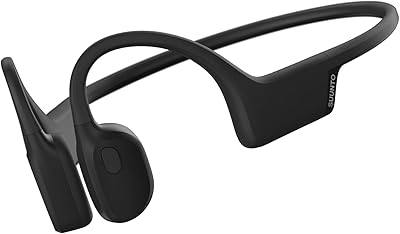
SUUNTO Sonic Open-Ear Bone Conduction Headphones
77%
88%
Comfort & Wearability
93%
Situational Awareness
67%
Sound Quality
86%
Battery Life
71%
Call Quality
More
STAR4EVER X19S Open-Ear Bluetooth Bone Conduction Headphones
85%
91%
Comfort & Fit
72%
Sound Quality
88%
Battery Life
65%
Bluetooth Connectivity
85%
Build Quality & Durability
More
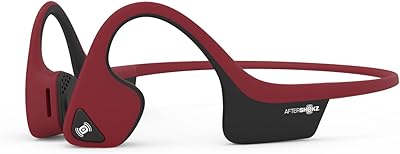
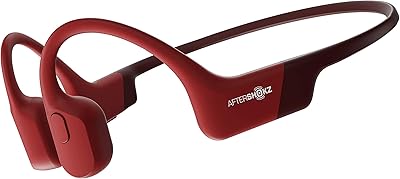
AfterShokz Aeropex Open-Ear Bone Conduction Headphones
78%
93%
Comfort & Wearability
96%
Situational Awareness
61%
Sound Quality
54%
Sound Leakage
84%
Build Quality & Durability
More
AfterShokz Air AS650 Bone Conduction Headphones
75%
91%
Wearing Comfort
94%
Situational Awareness
54%
Audio Quality
88%
Secure Fit During Activity
58%
Sound Leakage
More
Aurotlu Q16-H3 Open Ear Wireless Earbuds
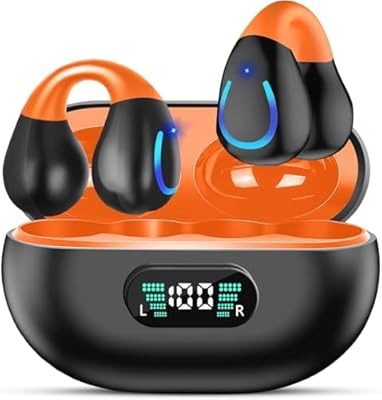
82%
93%
Wearing Comfort
84%
Secure Fit During Activity
88%
Battery Life
67%
Sound Quality
86%
Bluetooth Connectivity
More
NUPLEA Q71 Open-Ear Clip-On Earbuds
71%
83%
Wearing Comfort
79%
Stability During Exercise
62%
Sound Quality
44%
Sound Leakage
57%
Microphone & Call Quality
More
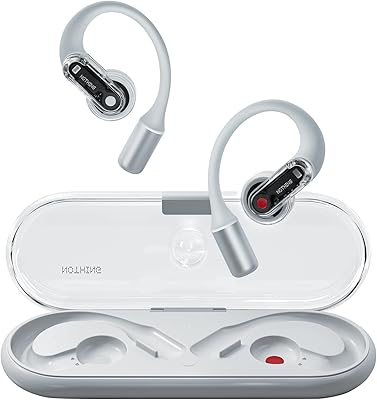
Nothing Ear (Open) Open-Ear Earbuds
79%
91%
Wearing Comfort
83%
Workout Stability
74%
Sound Quality
77%
Call Quality
49%
Sound Leakage
More
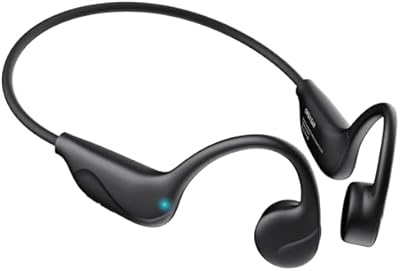
Hitarah X3 Bone Conduction Headphones
81%
88%
Wearing Comfort
63%
Sound Quality
84%
Battery Life
79%
Fit Stability During Exercise
93%
Situational Awareness
More
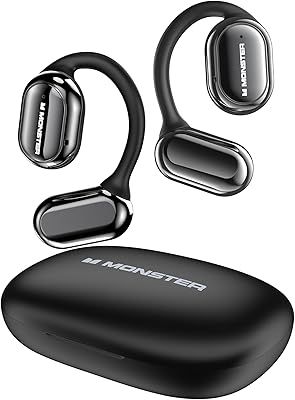
Monster AC100 Open-Ear Bluetooth Headphones
76%
88%
Battery Life
79%
Comfort & Fit
67%
Sound Quality
83%
Bluetooth Stability
71%
Call Quality
More

FAQ

Yes, that's the core idea. Instead of pushing sound waves into your ear canal, bone conduction headsets rest small transducer pads against your cheekbones. Those pads vibrate and send sound directly to your cochlea through the bone, bypassing the outer ear entirely. It feels unusual at first, but most people adapt quickly.

The IPX7 rating means these bone conduction headphones can technically survive brief submersion up to about 1 meter, but they are not marketed or designed as swimming headphones. For pool use, you'd want a model specifically built for underwater audio. For running in rain or heavy gym sweat sessions, the protection is more than adequate.

At lower volumes, audio leakage is minimal and unlikely to bother anyone. Turn the volume up past about 60 to 70 percent, though, and people close to you will start to hear your music or podcast. This is a format-wide characteristic of open-ear bone conduction designs, not a flaw specific to this model. It makes them a poor choice for quiet offices or libraries.

It doesn't, and that's not really the point. The X19 earphones produce clear enough mids and highs for speech, podcasts, and casual music listening, but bass is noticeably thin across all bone conduction devices at this price. If audio fidelity is your top priority, a standard pair of in-ear buds will outperform these handily. These headphones prioritize safety and comfort, not audiophile sound.

Functional, but with caveats. The built-in microphone handles calls well enough in calm conditions, but wind noise is a real problem when you're moving outdoors. Callers may struggle to hear you clearly on a breezy day. For occasional calls during low-intensity activity, it works. For regular professional calls, you might find it frustrating.

The titanium memory wire frame wraps around the back of the head and grips with a fair amount of stability. Most users report the headset staying put during running and cycling. The 29g weight helps too — there's simply not much mass to shift during movement. High-impact activities like jumping or HIIT circuits may cause minor movement, but they're unlikely to fall off.

No, and this one needs to be called out directly. Active noise cancellation is physically incompatible with an open-ear bone conduction design — the whole format is built to let ambient sound in, which is the opposite of what ANC does. That entry in the product metadata appears to be a listing error. Do not purchase the Hitarah X19 Bone Conduction Open-Ear Headphones expecting any form of noise cancellation.

User reports broadly support the 12-hour claim at moderate volume, though pushing the volume higher will trim that down. The fast-charge feature is genuinely practical — plugging in for 10 minutes before a workout and gaining an hour of playback is a real convenience when you forget to charge overnight. A full charge in 1.5 hours is also reasonable compared to older bone conduction models.

Potentially yes, which is one of the more compelling reasons to consider bone conduction headphones. Because the ear canal stays fully open, some hearing aid users can wear this open-ear headset simultaneously. That said, compatibility depends heavily on the type and placement of the hearing aid. It's worth testing carefully before committing, and consulting with an audiologist if you have any doubts.

The IPX7 rating makes cleaning straightforward. A quick rinse under running water removes most sweat residue, and wiping the silicone contact pads with a damp cloth keeps things fresh. Avoid soaking the charging port area or using cleaning sprays with harsh chemicals. Let them air dry fully before storing. Regular post-workout rinses will help preserve the silicone material over time.