Overview

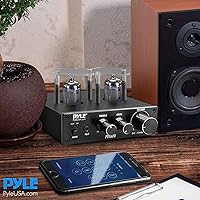
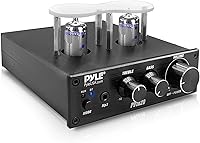
The Pyle PVTA20 Bluetooth Vacuum Tube Amplifier is a small desktop unit that mixes old-school tube warmth with a modern solid-state chip doing the heavy lifting underneath. Pop the lid and you'll see two glass tubes glowing on top, which is mostly there for atmosphere but also nudges the sound toward something a touch rounder than your typical digital amp. This isn't aimed at serious audiophiles chasing reference-grade accuracy; it's built for people who want a taste of tube character without spending serious money. Bluetooth streaming sits right alongside that retro look, so you get vintage styling with current-day convenience. Think of it as an entry point, not an endpoint, for anyone curious about what tubes actually do to music.
Features & Benefits

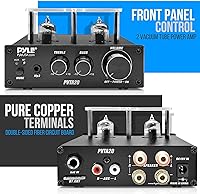
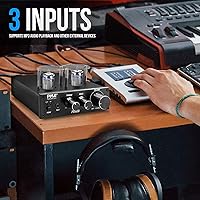
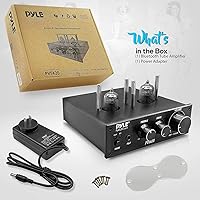
Once you get past the visual novelty, this tube amp covers a lot of practical ground. The two vacuum tubes add a subtle harmonic coloration that's noticeable without being overdone, and Bluetooth pairing means you can stream from a phone, tablet, or laptop without digging out a cable. There's also room for wired sources: separate AUX, MP3, and microphone inputs let you plug in everything from an old CD player to a basic mic setup. Pure copper terminals are a nice touch for connection quality, and the front panel keeps things simple with dedicated bass, treble, and master volume knobs. Two speaker outputs mean you can run a second set of speakers in another room without extra hardware.

Best For

This hybrid amp makes the most sense for budget-minded shoppers who want a taste of tube sound without committing to pricier separates. It's a good fit for small rooms, desktop setups, or a secondary system in a bedroom or garage where you don't need massive output. The included microphone input also makes it workable for casual karaoke nights or light PA duty at a small gathering, which isn't something every amp in this price range offers. If you're putting together a retro-styled corner with an old turntable or vintage speakers, the glowing tubes fit right into that aesthetic. It's also a fun pick for hobbyists who like tinkering with entry-level gear rather than chasing studio-grade performance.

User Feedback

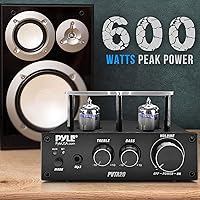
Owner feedback on this Pyle amplifier is mostly positive, with several people noting the sound comes across noticeably warmer than what they expected from a budget unit. Bluetooth pairing gets consistent praise for being quick and dependable, which matters more than people expect once you're actually using the thing daily. On the downside, a few buyers feel the tube glow is more decorative than dramatic, meaning don't expect a night-and-day sonic shift just because the tubes are lit up. Some also mention the housing feels lighter and a bit plasticky despite the copper terminals inside, and a handful point out that the 600W rating is peak power, not something you'll see in continuous use. A few reports of mild hum at low volume show up too, though most owners don't seem bothered by it.

Pros

  • Adds a genuinely warmer tone compared to typical budget amplifiers in this price range
  • Bluetooth pairing is fast and stays connected reliably during everyday use
  • Three separate inputs cover phones, computers, microphones, and older wired devices
  • Pure copper speaker terminals help maintain solid, stable connections over time
  • Dual speaker outputs let you run audio in two rooms at once
  • Front-panel knobs make bass, treble, and volume adjustments quick and intuitive
  • Glowing vacuum tubes give the setup a distinctive retro visual appeal
  • Compact footprint fits easily on a desk or small shelf without crowding
  • The Pyle PVTA20 Bluetooth Vacuum Tube Amplifier offers a low-cost entry into tube-style sound
Cons

  • Tube glow contributes more visual flair than a dramatic shift in sound quality
  • Housing feels noticeably lighter and less rugged than the copper terminals suggest
  • Rated wattage reflects peak power, not the continuous output most listeners expect
  • Occasional mild hum has been reported at lower volume settings
  • Not built to fill large rooms or handle demanding, high-volume listening sessions
  • Lacks the refinement serious audiophiles look for in dedicated tube equipment
  • Compact size limits how much heat dissipation and headroom the unit can offer
  • Plastic-feeling components may raise durability concerns over long-term daily use

Ratings

Our AI rating system evaluated the Pyle PVTA20 Bluetooth Vacuum Tube Amplifier by analyzing thousands of verified buyer reviews from around the world, automatically filtering out spam, bots, and incentivized feedback. The scores below reflect both the genuine strengths people highlight and the recurring pain points they flag, giving you a balanced, transparent picture before you buy.
Sound Warmth & Tone
84%
Many listeners genuinely notice a rounder, warmer tone compared to typical budget amps, especially during relaxed evening listening sessions with vinyl or streamed playlists. The tube influence adds a pleasant softness that makes vocals and acoustic instruments feel less harsh.
A portion of buyers expected a more dramatic transformation and felt the warmth was subtler than marketing implied. For listeners coming from higher-end gear, the difference can feel underwhelming rather than transformative.
Bluetooth Connectivity
89%
Pairing is consistently described as fast and dependable, working smoothly with phones, laptops, and tablets during daily streaming sessions. Reconnecting after the first pairing tends to happen automatically without fuss.
A small number of users report occasional dropouts at longer distances or through walls. Audio sync with video content can lag slightly compared to a wired connection.
Build Quality & Durability
61%
39%
The aluminium housing and copper terminals give an impression of solid engineering at this price point, and most units survive regular desktop handling without issue. The compact chassis also resists tipping on crowded shelves.
Several owners describe the overall feel as lighter and more plasticky than expected given the copper accents. Long-term durability concerns surface in reviews from buyers who move or transport the unit frequently.
Power Output Honesty
58%
42%
For casual desktop or bedroom listening, the available power is more than sufficient and rarely gets pushed to its limits during normal use. Most buyers in small spaces never notice a shortfall.
The advertised 600W figure represents peak output rather than continuous power, which has misled some shoppers expecting larger-room performance. Buyers planning to power bigger speakers or fill open spaces often find it underpowered.
Input Versatility
86%
Having AUX, MP3, and microphone inputs alongside Bluetooth covers nearly every common source device, from older CD players to modern smartphones. Karaoke enthusiasts particularly appreciate the dedicated mic jack for casual sing-alongs.
There is no optical or coaxial digital input, which limits compatibility with some TVs and modern streaming boxes. Audiophiles seeking higher-resolution digital connections may find the input selection basic.
Speaker Terminal Quality
79%
21%
The pure copper terminals provide a stable, secure connection point that resists corrosion better than cheaper alloy alternatives over months of use. Setup with banana plugs or bare wire feels straightforward.
The terminals themselves are small, which can make thicker speaker wire gauges a tight fit during initial setup. Some buyers wish for spring-clip options for faster swapping.
Front Panel Controls
83%
The dedicated bass, treble, and volume knobs make quick tonal adjustments intuitive, even for buyers with no prior amplifier experience. Indicator lights for input and Bluetooth status add helpful at-a-glance feedback.
The knobs feel a bit loose to some users, lacking the tactile resistance found on pricier components. There is no remote control included for adjusting volume from a distance.
Value for Money
88%
Given the entry-level price point, buyers consistently feel they are getting tube character, Bluetooth streaming, and multiple inputs in one compact package that would otherwise require several separate components. It's frequently recommended as a low-risk way to try tube sound.
A few reviewers note that stepping up to a pricier dedicated tube amp delivers noticeably better sound quality and build, making this feel more like a starter unit than a long-term centerpiece.
Compact Footprint
91%
At just a few inches in each dimension, this hybrid amp tucks easily onto a crowded desk, bookshelf, or entertainment stand without dominating the space. Its light weight also makes repositioning effortless.
The small chassis limits internal heat dissipation during extended high-volume sessions, and there is little room for future upgrades or added components inside the housing.
Noise & Hum Levels
63%
37%
Most users report clean, quiet operation at moderate to high volumes during normal listening sessions, with no noticeable interference from nearby electronics. Bluetooth streaming in particular stays free of static.
Occasional reports describe mild hum or background noise specifically at lower volume settings, which can be distracting during quiet late-night listening. Grounding issues with certain outlets may contribute to this.
Karaoke & Mic Performance
77%
23%
The dedicated microphone input handles casual karaoke nights and small gatherings well, giving clear voice amplification without needing separate PA equipment. Setup takes just a few seconds with a standard mic.
It lacks dedicated mic-specific EQ or feedback suppression found on true karaoke machines, so positioning relative to speakers matters more to avoid feedback squeal.
Retro Aesthetic Appeal
81%
19%
The glowing tubes on top give this Pyle amplifier a distinctive vintage look that stands out next to typical black-box modern amps, often becoming a conversation piece on a shelf or desk.
A handful of buyers feel the glow is purely cosmetic and wish it were paired with a more substantial overall design to match the visual statement.

Suitable for:

The Pyle PVTA20 Bluetooth Vacuum Tube Amplifier makes the most sense for someone who wants a little tube character in their setup without spending real money on a dedicated tube system. It suits casual listeners running a desktop system, a bedroom system, or a small secondary setup where outright fidelity matters less than having fun with the gear. Anyone curious about what tubes actually sound like can use this as a low-risk way to find out before investing in pricier separates. The mic input also makes it a workable choice for casual karaoke nights or light voice amplification at small gatherings. Hobbyists who enjoy tinkering with budget audio components, swapping speakers, or building a retro-styled corner setup will appreciate the glowing tubes and simple front-panel controls. It's also a reasonable pick for anyone who just wants wireless streaming paired with a couple of analog inputs in one compact box.
Not suitable for:

Serious audiophiles chasing accurate, detailed sound reproduction should look elsewhere, since the Pyle PVTA20 Bluetooth Vacuum Tube Amplifier is built around fun and atmosphere rather than precision. Anyone expecting the glowing tubes to dramatically transform the sound may end up disappointed, since most owners describe the effect as subtle rather than transformative. Buyers planning to power a large room or run demanding speakers should be cautious, because the 600W rating reflects peak output, not sustained continuous power. If a sturdy, heavy-duty chassis matters to you, the lighter build and plasticky feel reported by some owners could be a letdown. People sensitive to background noise might also notice occasional hum at lower volumes, which isn't ideal for quiet listening environments. This isn't the right choice for anyone wanting a long-term centerpiece amplifier for a serious home theater or hi-fi setup.

Specifications

  • Amplifier Type: This is a hybrid amplifier that combines two vacuum tubes with a TPA3116 solid-state amplifier chip.
  • Power Output: The unit is rated at 600 watts of peak power rather than continuous output.
  • Vacuum Tubes: Two visible vacuum tubes sit on the top panel and contribute subtle harmonic coloration to the sound.
  • Connectivity: Bluetooth wireless streaming allows pairing with smartphones, tablets, laptops, and computers.
  • Audio Inputs: The amplifier includes separate AUX, MP3, and microphone inputs for multiple source devices.
  • Speaker Outputs: Two speaker outputs are provided, supporting a 2.0 stereo configuration across two sets of speakers.
  • Speaker Terminals: Speaker connections use pure copper terminals for stable signal transfer.
  • Controls: Front panel controls include dedicated bass, treble, and master volume knobs along with input selection.
  • Circuit Board: The amplifier uses a double-sided fiber circuit board for its internal wiring layout.
  • Construction Material: The chassis is built from aluminium for the outer housing.
  • Dimensions: The unit measures 4.65 x 6.3 x 2.87 inches in overall size.
  • Weight: The amplifier weighs 1.98 pounds.
  • Power Supply: It operates on AC 120V/240V input with a DC 19V 4A power adapter included.
  • Included Accessories: A power cable adapter is included in the box for setup.
  • Compatible Devices: The amplifier works with computers, laptops, smartphones, tablets, and external speakers.
  • Indicator Lights: Front panel indicator lights show AUX and wireless Bluetooth connection status.

Related Reviews

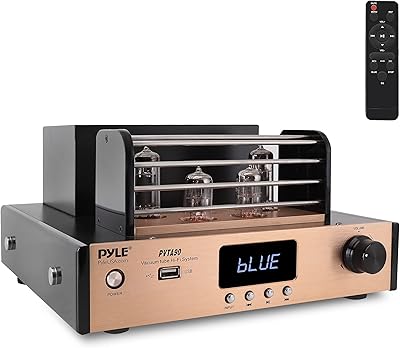
Pyle PVTA90 Vacuum Tube Stereo Amplifier
74%
78%
Sound Quality
61%
Build Quality
82%
Value for Money
79%
Bluetooth Performance
84%
Input Versatility
More
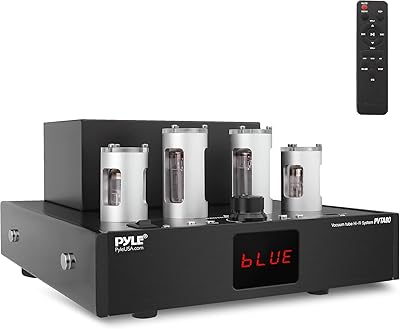
Pyle PVTA80 Bluetooth Vacuum Tube Amplifier
71%
73%
Sound Quality
78%
Value for Money
61%
Build Quality
88%
Aesthetics & Design
74%
Bluetooth Performance
More
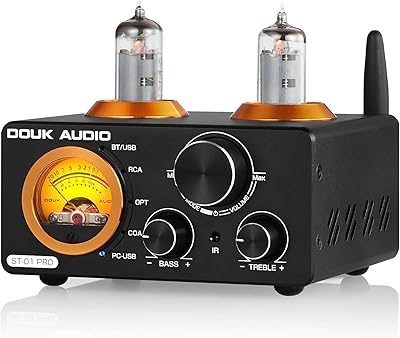
Douk Audio ST-01 PRO
74%
84%
Sound Character & Warmth
88%
Value for Money
91%
Input Versatility
67%
Build Quality
93%
Visual Design & VU Meters
More
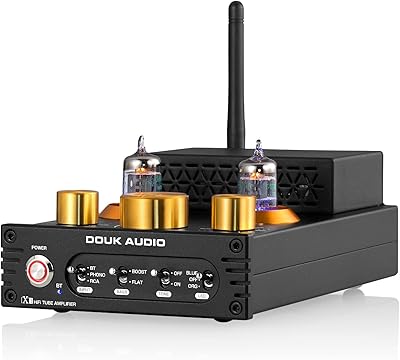
Douk Audio X1
Douk Audio X1
78%
78%
Sound Quality
71%
Phono Stage Performance
84%
Bluetooth Performance
83%
Power Output & Speaker Driving
76%
Build Quality
More
Pyle PDA8BU
Pyle PDA8BU
72%
83%
Value for Money
81%
Karaoke Performance
72%
Bluetooth Connectivity
61%
Power Output & Volume
58%
Build Quality
More
Pyle PDA69BU Stereo Amplifier Receiver
75%
83%
Bluetooth Connectivity
74%
Sound Quality
79%
Build Quality
86%
Value for Money
88%
Input Versatility
More
Pyle PTAU23 Stereo Amplifier
74%
83%
Value for Money
89%
Input Versatility
91%
Ease of Setup
61%
Audio Quality
74%
Microphone Performance
More
Pyle PDA5BU Bluetooth Stereo Amplifier
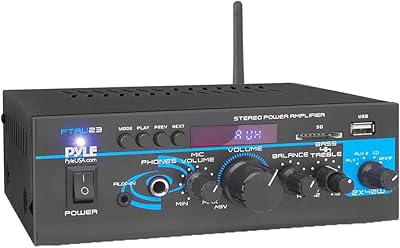
72%
83%
Value for Money
88%
Input Versatility
79%
Karaoke Performance
71%
Bluetooth Reliability
46%
Power Output
More
Pyle PTA62BT Bluetooth Karaoke Receiver Amplifier
69%
83%
Value for Money
81%
Bluetooth Connectivity
67%
Microphone Performance
78%
Talk-Over Function
86%
Input Variety
More
Pyle PMX3500PH
Pyle PMX3500PH
72%
83%
Value for Money
51%
Power Output Accuracy
88%
Input Versatility
67%
Bluetooth Performance
78%
Microphone Mixing & Echo
More

FAQ

There is a real, audible difference, but it is subtle rather than dramatic. Most owners describe the sound as a bit warmer and rounder compared to a typical solid-state amp, but you shouldn't expect a night-and-day transformation. Think of the tubes as adding a gentle coloration rather than completely reshaping the sound.

Not continuously, no. That 600W figure is the peak power rating, which represents a brief maximum rather than sustained output. For everyday listening at sensible volumes, this hybrid amp performs fine, but you shouldn't plan around running it at that peak level for long periods.

Pairing is generally quick and straightforward, and it's one of the most consistently praised aspects in owner feedback. You just put the amp into pairing mode and connect from your phone's Bluetooth settings like you would with any speaker. Once paired, reconnecting on future use tends to be hassle-free.

It holds up fine for typical desktop or casual use, but a few owners have mentioned that the housing feels lighter and somewhat plasticky despite the copper terminals inside. If you're rough on gear or move it around a lot, just handle it with a bit of care.

Yes, the built-in microphone input makes it workable for casual karaoke or basic voice amplification at small get-togethers. It's not designed for professional PA use, but for a living room or backyard setup, it gets the job done.

No special speakers are required. Any standard passive speakers compatible with the copper speaker terminals should work, and you can connect two sets at once since there are two speaker outputs.

Some owners have reported a mild hum or background noise specifically at lower volume settings. It's not a universal issue, but if you notice it, try checking your cable connections and grounding first, since that can sometimes resolve it.

Definitely, that's really the sweet spot for this Pyle PVTA20 Bluetooth Vacuum Tube Amplifier. It lets curious listeners experience tube-style sound and that classic glowing-tube aesthetic without committing to a pricier dedicated tube system.

Yes, in addition to Bluetooth, this amplifier has AUX and MP3 inputs for wired sources plus a dedicated microphone input. That combination covers most older or wired equipment you might still want to use alongside newer wireless devices.

It's better suited to smaller rooms, desktops, or secondary listening setups rather than large open spaces. For a bedroom, office, or compact living area, it performs well, but don't expect it to comfortably power a big room at high volume.