Overview

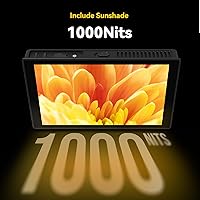
The Portkeys HD7T 7″ Field Monitor enters a crowded market with a clear pitch: give indie filmmakers and DSLR shooters a bright, tool-rich monitor without the broadcast price tag. Portkeys has carved a niche in cinema accessories by focusing on practical features at accessible price points, and this field monitor follows that pattern. The headline spec is its 1000-nit brightness, which genuinely matters when you are shooting in direct sunlight and your camera's built-in screen becomes useless. There are a few honest trade-offs to discuss, but for the target buyer, the value proposition is hard to dismiss.
Features & Benefits

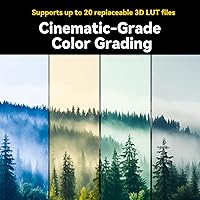
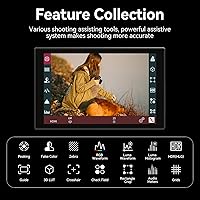
The HD7T packs a surprisingly capable toolset into a monitor at this price tier. Focus peaking, false color, a luma histogram, and zoom assist are all on board — the kind of tools you would expect to pay considerably more for. Anamorphic shooters get built-in de-squeeze at 1.33×, 1.5×, and 2.0× ratios, plus a custom option — genuinely useful for budget anamorphic rigs. You can import your own 3D LUTs for on-set color preview, though it is worth being clear: LUT output is not supported, so the preview stays on-monitor only. Physical shortcut keys along the top speed up workflow, and the touchscreen keeps menu navigation intuitive. The panel is 1280×800 HD — perfectly readable for monitoring, but not a substitute for a calibrated grading display.

Best For

Portkeys' 7-inch monitor earns its place on the kit list of solo shooters, documentary crews, and event videographers who spend a lot of time outdoors. If you are running a mirrorless or DSLR setup and your camera's rear screen is not cutting it in bright conditions, the outdoor brightness here solves that problem outright. Anamorphic lens users on a tighter budget will find the de-squeeze options especially handy. The NP-F battery compatibility also makes it a natural choice for shooters who already rely on that ecosystem for other accessories. It is less suited for colorists or anyone who needs a panel accurate enough to make grading decisions on set.

User Feedback

Buyers with hands-on time with this field monitor are largely satisfied, with outdoor brightness drawing consistent praise from run-and-gun shooters. The feature density for the price also gets regular mention as a genuine strength. Where opinions split is on the touchscreen — some find it responsive enough, while others wish it were snappier when adjusting settings mid-shoot. A few users raise questions about color accuracy for critical work, which is not surprising given the panel spec. Build quality lands in acceptable territory for this price tier — sturdy enough for location work, though nobody is calling it broadcast-grade. The included sun hood appears functional rather than exceptional in real-world use.

Pros

  • Remains clearly readable in harsh midday sunlight where most compact monitors fail completely.
  • Includes focus peaking, false color, and luma histogram — pro assist tools rarely found at this price tier.
  • Built-in anamorphic de-squeeze at multiple ratios is a genuine budget win for widescreen lens users.
  • User-importable 3D LUTs allow on-set color preview without any additional hardware.
  • At under 250 grams, the HD7T barely registers on a gimbal or lightweight rig.
  • Three-sided 1/4-inch-20 threading gives real mounting flexibility across different rig configurations.
  • NP-F battery compatibility integrates cleanly into kit bags already running that ecosystem.
  • Physical shortcut keys along the top reduce menu-diving during fast-paced shooting situations.
  • The included sun hood adds genuine value that competing monitors often charge extra for.
  • Wide DC voltage input range makes it adaptable to varied power setups on larger productions.

Cons

  • LUT output to a downstream signal is not supported — a limitation that surprises many buyers post-purchase.
  • Touchscreen responsiveness under pressure or in cold conditions draws consistent criticism from active users.
  • The included sun hood feels flimsy and loses its tight fit over repeated attachment cycles.
  • No battery is included in the box, adding unexpected upfront cost for shooters new to NP-F systems.
  • Menu navigation has a steeper learning curve than the hardware complexity justifies.
  • ABS and polycarbonate housing shows cosmetic wear sooner than expected with regular location use.
  • Some users report intermittent HDMI handshake issues with specific camera bodies during resolution switches.
  • The headphone output volume range feels limited for users doing any serious audio monitoring work.

Ratings

The Portkeys HD7T 7″ Field Monitor was evaluated by our AI engine after analyzing verified buyer reviews from multiple global markets, with spam, bot-submitted, and incentivized feedback actively filtered out. Scores reflect the honest consensus of real-world shooters — from solo documentary crews to indie filmmakers — and are calibrated to surface both where this field monitor genuinely delivers and where it falls short of expectations. Nothing is sugar-coated here.
Outdoor Brightness
91%
Shooting in midday sun is where this monitor earns its reputation. Users consistently report that the display remains clearly readable in harsh daylight conditions where cheaper monitors wash out completely, making it a reliable tool for outdoor event work, weddings, and documentary shoots.
A handful of users note that even at maximum brightness, the screen can develop a slight haze in extreme direct sunlight without the hood attached. The included sun hood helps significantly, but its build quality draws mixed opinions on durability over repeated use.
Value for Money
88%
The breadth of professional monitoring tools packed into this price tier is the most frequently cited reason buyers feel good about their purchase. Focus peaking, false color, anamorphic de-squeeze, and LUT preview together represent features that cost considerably more on competing monitors.
Buyers who purchase without fully reading the specs sometimes feel let down when they discover the panel is HD rather than 4K, or that LUT output is not supported. Expectation management is a real issue, and a few reviewers feel the marketing implies more than the hardware strictly delivers.
Monitoring Tool Set
89%
The assist tools are where the HD7T punches above its weight. Anamorphic de-squeeze with multiple ratio options is a standout for budget anamorphic lens users, and the combination of false color and luma histogram gives exposure-conscious shooters solid on-set feedback without reaching for a separate device.
Some users find the menu system for accessing and configuring tools less intuitive than expected, especially when switching modes quickly during a live shoot. The touchscreen helps, but responsiveness complaints mean menu-heavy workflows occasionally cause frustration in fast-paced environments.
Touchscreen Responsiveness
67%
33%
For navigating menus in a relaxed setup environment, the touchscreen works well enough and adds a layer of convenience that purely button-driven monitors lack. Users appreciate being able to tap through settings when the monitor is mounted at a comfortable angle.
Under pressure — quick adjustments mid-shoot, cold fingers, or when wearing gloves — the touchscreen registers missed taps often enough that several buyers mention it as a recurring annoyance. A few describe it as sluggish compared to consumer-grade touchscreens, which shapes expectations poorly for first-time buyers.
Panel Resolution & Clarity
72%
28%
For its core purpose of exposure monitoring, focus checking, and composition framing, the 1280×800 HD panel is crisp enough. Text overlays from assist tools are readable, and the overall image is sharp at a normal monitoring distance during handheld or tripod shooting.
Buyers comparing this directly to 4K field monitors at higher price points will notice the resolution gap. It is not a panel for making fine color grading decisions or pixel-peeping detailed footage — those expecting broadcast-level image fidelity from this monitor will come away disappointed.
Build Quality & Durability
71%
29%
The ABS and polycarbonate housing feels solid enough for location work, and the overall fit and finish is better than some buyers expect at this price tier. Nothing flexes or rattles in normal handling, and the form factor feels intentional rather than cheap.
Long-term durability under punishing field conditions remains a question mark for some users. The housing does not inspire the same confidence as metal-bodied competitors, and a few reviewers report minor cosmetic wear appearing sooner than expected with regular bag-and-rig cycling.
Portability & Weight
87%
At under 250 grams, the HD7T is one of the lighter options in the 7-inch category. Run-and-gun shooters and one-person crews specifically mention appreciating that it does not unbalance a gimbal or top-heavy rig the way heavier monitors do.
The physical footprint, while compact, is not the smallest in its class. Users building ultra-minimalist travel rigs occasionally note that competing 5-inch monitors better suit their size requirements, even if the larger screen is objectively more useful.
Mounting Versatility
84%
Three-sided 1/4-inch-20 thread placement gets consistent praise from users who run non-standard rig configurations. Being able to orient the monitor in multiple positions without an adapter arm is a practical advantage that gets noticed in the field.
The threads themselves are functional but not confidence-inspiring for heavy accessory loads. A minority of users with larger cage setups report preferring ARRI-style mounting options, which are absent here and require an additional adapter for more complex builds.
LUT Preview Functionality
63%
37%
The ability to import and preview custom 3D LUTs on-monitor is a legitimate asset for shooters who want a rough idea of how their LOG footage will look graded. Colorists using it as a quick creative reference on set find it useful within its limitations.
The most common point of frustration is discovering that LUT output — applying the LUT to the outgoing HDMI signal — is not supported. Users who assumed this was a standard feature feel misled, and this single limitation pushes the HD7T out of consideration for some wireless monitoring workflows entirely.
Power Flexibility
83%
NP-F battery compatibility is a meaningful practical win for shooters already running that battery format across their lighting or audio gear. The wide DC voltage input range also means users can adapt it to different power distribution systems on larger sets without a separate converter.
No battery is included in the box, which catches some buyers off guard. For shooters new to NP-F systems, the additional cost of batteries and a charger adds up, and a few reviewers feel this should be communicated more prominently before purchase.
HDMI Connectivity & Signal Handling
74%
26%
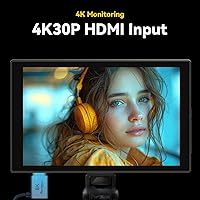
4K signal input via HDMI covers the vast majority of modern DSLR and mirrorless cameras without issue, and users report a clean, stable image in standard shooting configurations. The connection locks reliably for most rigs with a standard HDMI cable.
A subset of users reports occasional signal dropout or handshake delays with certain camera bodies, particularly when switching resolution modes or waking the camera from sleep. It is not a widespread complaint, but it surfaces often enough to warrant mention for shooters using HDMI-dependent workflows.
Audio Monitoring
76%
24%
Having a 3.5mm headphone output for real-time audio monitoring is a feature many solo shooters value, particularly when their camera body lacks a convenient headphone jack position. It removes the need for a separate audio monitor in simpler setups.
The audio implementation is described as functional rather than exceptional. Users doing critical sound work note it is no substitute for a dedicated audio recorder with proper monitoring controls, and the output volume range leaves some users wanting just a bit more headroom.
Sun Hood Quality
61%
39%
The fact that a sun hood is included at all is appreciated, given that many competing monitors sell it separately. It does improve visibility in bright conditions and attaches without tools, which suits fast setup workflows.
The hood itself draws consistent criticism for feeling flimsy and lightweight. Several buyers report that the attachment mechanism loosens over time or that the hood does not seal tightly enough around the screen edges to fully block lateral light, reducing its effectiveness in certain sun angles.
Menu & UI Navigation
69%
31%
The top shortcut keys meaningfully reduce the time spent navigating menus for commonly used tools, and users who spend time learning the layout report that the UI becomes faster to work with after a short learning curve.
First-time users consistently describe the menu structure as non-obvious, and the learning curve is steeper than the hardware complexity would suggest. A few reviewers compare it unfavorably to competing brands with more logically organized interfaces, particularly when trying to access nested settings under time pressure on a shoot.

Suitable for:

The Portkeys HD7T 7″ Field Monitor is squarely aimed at independent filmmakers, documentary shooters, and videographers who spend meaningful time working outdoors or in unpredictable lighting conditions. If your camera's rear screen becomes a useless mirror the moment you step into direct sunlight, the brightness here solves that problem in a way that most entry-level monitors simply cannot. Solo operators and small event crews will appreciate the combination of useful assist tools — false color, focus peaking, anamorphic de-squeeze — packed into a monitor that does not require a dedicated assistant just to carry. Budget anamorphic lens users in particular will find the built-in de-squeeze ratios a legitimate convenience that removes the need for a separate workaround in post. Anyone already running NP-F batteries across their lighting or audio kit will also find the power compatibility genuinely useful rather than an afterthought.
Not suitable for:

The Portkeys HD7T 7″ Field Monitor is the wrong tool for anyone who needs a panel accurate enough to make confident color grading or critical exposure decisions on set. The HD resolution is perfectly adequate for composition and focus monitoring, but shooters comparing it side-by-side with higher-end 4K monitors will notice the gap immediately, especially with fine detail in complex scenes. Colorists who plan to output a LUT signal downstream through the monitor will hit a hard wall — that functionality is simply not supported, and discovering this after purchase is a recurring frustration in user feedback. Broadcasters, commercial production crews, or anyone working to a professional delivery standard will likely find this field monitor underpowered for their workflow requirements. If touchscreen reliability is critical to how you operate on a fast-moving shoot, the HD7T's inconsistent touch response may also disrupt your rhythm more than anticipated.
Specifications

  • Screen Size: The display measures 7 inches diagonally, providing a practical monitoring surface for handheld rigs and tripod-mounted setups alike.
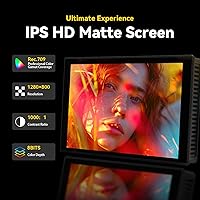
  • Resolution: The panel renders at 1280×800 pixels in a 16:9 aspect ratio, delivering a clear HD image suitable for focus and exposure monitoring.
  • Brightness: Peak brightness reaches 1000 nits, which is sufficient for maintaining a readable image during outdoor shoots in direct sunlight.
  • Contrast Ratio: A 1000:1 contrast ratio provides reasonable tonal separation for on-set monitoring, though it is not calibrated for critical color grading work.
  • Screen Coating: The panel features a matte anti-glare coating that reduces surface reflections in bright ambient environments.
  • HDMI Input: Accepts video signals via HDMI at resolutions up to 4K at 30 frames per second from connected camera bodies.
  • Audio Output: A 3.5mm headphone jack enables real-time audio monitoring directly from the connected camera or AV source.
  • AV Input: An additional AV input port is included, expanding compatibility beyond HDMI-only camera setups.
  • Monitoring Tools: Onboard assist tools include focus peaking, false color, luma histogram, digital zoom, and anamorphic de-squeeze at 1.33×, 1.5×, 2.0×, and custom ratios.
  • LUT Support: Users can import custom 3D LUTs for on-monitor color preview; LUT output to a downstream signal is not supported.
  • Touchscreen: The 7-inch panel is touch-enabled, allowing direct menu navigation and tool selection via tap input.
  • Shortcut Keys: A row of physical shortcut keys along the top edge of the monitor provides direct access to frequently used monitoring functions.
  • Weight: The monitor body weighs approximately 245 grams (8.64 oz), keeping it practical for gimbal and lightweight rig use.
  • Mounting: Standard 1/4-inch-20 threaded mounting points are located on three sides of the housing for versatile arm, cage, or tripod attachment.
  • Power Input: Compatible with NP-F series batteries and accepts DC input across a 7.4V to 24V range; no battery is included in the box.
  • Housing Material: The outer shell is constructed from ABS and polycarbonate composite, balancing lightweight construction with reasonable impact resistance.
  • Included Accessories: A sun hood is included in the box to further reduce glare and improve screen visibility in bright outdoor conditions.
  • Package Dimensions: The packaged unit measures approximately 8.19 × 8.11 × 1.93 inches and weighs 1.34 pounds including packaging materials.
  • Brand & Model: Manufactured by Portkeys under the model designation HD7T, a brand focused on cinema monitoring accessories at accessible price points.

Related Reviews

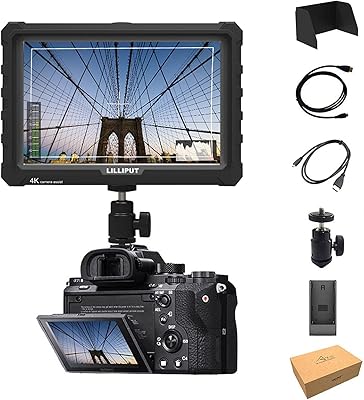
LILLIPUT A7S 7″ Camera Field Monitor
84%
88%
Display Quality
91%
Portability & Weight
86%
Brightness in Outdoor Conditions
80%
Customizability of Buttons
83%
Durability & Build Quality
More
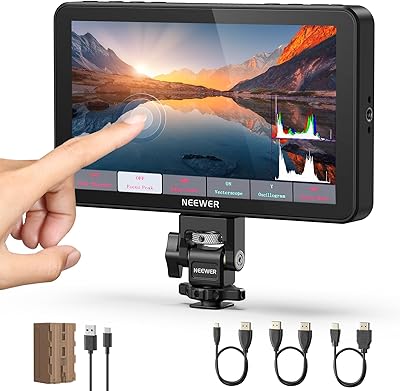
NEEWER F700 7″ Field Monitor
78%
91%
Outdoor Visibility
86%
Touch Screen Responsiveness
54%
Fan Noise
88%
3D LUT Support
89%
Battery & Power Versatility
More
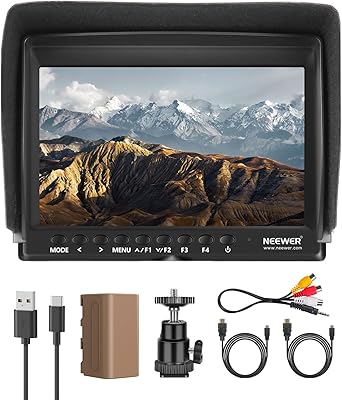
NEEWER F100 7-inch Field Monitor
78%
83%
Image Quality
66%
Outdoor Visibility
71%
Build Quality
68%
Ball Head & Mounting
78%
Battery Life
More
Portkeys PT6 5.2″ Field Monitor
78%
91%
Value for Money
67%
Screen Brightness & Outdoor Visibility
63%
Build Quality & Durability
84%
Touchscreen Responsiveness
89%
Monitoring Tools (Waveform, False Color, LUT)
More
VILTROX DC-A1 7-inch Field Monitor
86%
94%
Brightness Performance
90%
Display Clarity
85%
Touchscreen Responsiveness
88%
Portability
75%
Build Quality
More
Portkeys BM7 II DS 7-inch Camera Monitor
87%
94%
Display Brightness
88%
Portability
85%
Ease of Use
90%
Durability
80%
Wireless Camera Control
More
VILTROX DC-L2 7″ 4K Camera Field Monitor
86%
93%
Display Quality
89%
Portability
70%
Battery Life
85%
Ease of Use
88%
Build Quality
More
Feelworld FW759 7″ Field Monitor
72%
83%
Image Clarity
58%
Brightness & Outdoor Usability
81%
Focus Peaking Performance
89%
Portability & Form Factor
54%
Build Quality & Durability
More
VILTROX DC-L1 7-Inch Touchscreen Camera Field Monitor
87%
93%
Display Quality
89%
Portability
85%
Power Options
91%
Sunshade Effectiveness
88%
Ease of Use
More
Portkeys BM5 IV 5.5″ Camera Control Field Monitor
84%
94%
Brightness & Display Quality
89%
Build Quality & Durability
92%
Color Accuracy & Image Quality
85%
Portability & Size
65%
Touchscreen Responsiveness
More

FAQ

Yes, the HD7T is compatible with virtually any camera that outputs a standard HDMI signal, including Sony mirrorless bodies. Just connect via a full-size or micro HDMI cable depending on your camera port, and the monitor will pick up the signal. If you experience any handshake delays, toggling the HDMI output on your camera usually resolves it.

No, and this is worth being clear about before you buy. The Portkeys HD7T 7″ Field Monitor supports LUT preview only — meaning the LUT is displayed on the monitor screen for your reference, but it is not applied to the outgoing HDMI signal. If your workflow depends on passing a LUT-baked signal to a recorder or wireless transmitter, this monitor will not do that.
It runs on NP-F series batteries, which are widely available and used across many field lights, recorders, and monitors. Runtime depends on battery capacity — a standard NP-F550 will give you roughly 1.5 to 2 hours, while a larger NP-F970 can push that to 4 hours or more. No battery is included in the box, so factor that into your initial cost.

It genuinely holds up outdoors better than most monitors in this category. Direct overhead sunlight is the hardest test, and the combination of the 1000-nit panel and the included sun hood makes the image usable in conditions where lower-brightness monitors wash out completely. That said, extreme angle sunlight without the hood can still create some glare — keep the hood attached whenever possible.

When shooting with an anamorphic lens, the HD7T can stretch the squeezed image back to its intended widescreen look in real time on the monitor. It supports 1.33×, 1.5×, and 2.0× ratios, plus a custom ratio option for less common lenses. This is purely a monitoring aid — it does not affect the recorded footage, which will still need to be de-squeezed in post.

It works well enough for menu navigation during setup or between takes, but it has earned mixed reviews from users who need to make quick adjustments mid-shoot. Cold conditions or working with gloves make it noticeably less responsive. The physical shortcut keys along the top of the unit are the more dependable option when speed matters, so think of the touchscreen as a convenience rather than a primary control method.

The monitor has 1/4-inch-20 threaded holes on three sides — top, bottom, and one lateral side — which gives you good flexibility for attaching it to a cheese plate, magic arm, articulating arm, or directly to a cage rail. Most standard monitor mounts will work without an adapter. If you need ARRI-style 3/8-inch mounting, you will need a thread adapter.

The ABS and polycarbonate housing is light but reasonably sturdy for its price tier — it does not feel like it will shatter if placed down firmly, but it is also not the kind of thing you want to drop repeatedly onto hard surfaces. For bag-packed location work and studio use it holds up fine. Expect some cosmetic wear over time with daily use, which is consistent with monitors in this category.

Yes. The DC input accepts a wide voltage range, so you can run it from a V-mount or Anton Bauer battery plate with a D-tap to barrel cable, or from a 12V DC power distribution system on a larger rig. This makes it practical for more complex setups beyond just a simple NP-F battery on the back.

It does its job in terms of reducing glare, but the hood itself is one of the weaker parts of the package. Several users note that it feels lightweight and the attachment mechanism can loosen over time. For casual outdoor use it is fine, but if you are in and out of the sun frequently throughout the day, you may want to look at a third-party replacement hood down the line for a more secure fit.