Overview

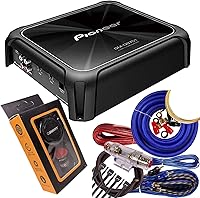
The Pioneer GM-D8701 Class D Mono Amplifier sits in Pioneer's well-regarded GM series as a practical mid-range pick for anyone chasing serious bass without gutting their trunk space. Unlike older Class A/B designs that waste energy as heat, the Class D topology converts power far more efficiently — meaning less drain on your alternator and a cooler-running unit overall. What makes the package stand out is what ships in the box: a wired bass boost remote and a 4-gauge wiring kit, both included. Just set honest expectations upfront — 300W RMS at 4 ohms is the number that matters in real use, not the headline 1,600W peak figure.
Features & Benefits

The GM-D8701's Class D design is its biggest practical advantage. Running at higher efficiency than traditional Class A/B amps, it generates noticeably less heat and puts less strain on your car's electrical system — an important factor if you're not running an upgraded alternator. The wired bass boost remote mounts near the driver's seat, letting you dial the low end up or down without ever touching the trunk. On-board variable crossover and gain controls give you real flexibility to match the amp to your specific subwoofer box type. The compact chassis — just 4 x 9 x 14 inches — opens up installation locations that a bulkier amp simply wouldn't fit.

Best For

This Pioneer mono amp is a natural fit for the daily driver crowd — people who want a meaningful bass improvement over stock audio without committing to a full custom build. It's particularly well suited for first-time installers: the included wiring kit removes one of the most common roadblocks, and the gain structure is approachable without a professional tuning session. Vehicles with tight installation spaces, like compact cars or hatchbacks, benefit from the small footprint. If you're running a single 4-ohm subwoofer and 300W RMS is enough for your listening habits, this Class D amplifier hits a solid balance between brand trust and value.

User Feedback

Owners who have lived with the GM-D8701 for an extended period tend to highlight two things: clean output at everyday volumes and a surprisingly painless installation experience. The bass boost remote earns consistent praise — it's one of those features that sounds like a gimmick until you actually use it on a commute. On the critical side, buyers occasionally flag the amp entering protection mode at sustained high volume in hot climates, so ventilation placement matters. The bundled wiring kit is adequate for most street installs, though experienced builders tend to swap it out for heavier-gauge wire. Long-term reliability feedback since 2019 is generally positive, with few reports of early failure.

Pros

  • Ships with a 4-gauge wiring kit and a wired bass boost remote, covering the two most common first-install extras.
  • Class D efficiency means less heat output and lower current draw compared to older Class A/B designs.
  • The compact 4 x 9 x 14-inch footprint fits under seats or in tight enclosures where space is genuinely limited.
  • 300W RMS at 4 ohms is a realistic, usable power figure for a single subwoofer in a daily driver context.
  • Variable crossover and gain controls let you tune the output to match your specific subwoofer and enclosure combination.
  • Pioneer's brand track record and years on the market provide reasonable confidence in long-term build reliability.
  • The wired bass boost remote proves to be a practical convenience that most owners actually use on a regular basis.
  • Single-channel mono output is purpose-built for subwoofers, so no power is wasted on unused channels.

Cons

  • The 1,600W peak figure on the packaging can mislead buyers who confuse it with real-world RMS output.
  • The bundled wiring kit is functional but basic — experienced installers will likely swap it out for better-grade components.
  • Sustained high-volume use in warm climates has triggered protection mode for some users, making ventilation planning critical.
  • At 300W RMS, the GM-D8701 is underpowered for larger or more demanding subwoofer builds that need serious headroom.
  • No app-based or digital tuning means all adjustments require physical access to the amp controls or the remote.
  • Weighing over 10 pounds, it is not ultralight, which can complicate mounting in very tight or elevated install positions.
  • The included phone magnet holder feels like a filler accessory that adds little practical value to the core audio package.
  • Buyers upgrading from a higher-wattage aftermarket amp may find the 300W RMS ceiling a noticeable step down in output.

Ratings

The scores below for the Pioneer GM-D8701 Class D Mono Amplifier were generated by our AI engine after analyzing thousands of verified owner reviews across global markets, with spam, bot submissions, and incentivized feedback actively filtered out before any score was assigned. The result is a balanced, unvarnished scorecard that reflects both the aspects buyers consistently praise and the friction points that affect real-world satisfaction. Nothing has been softened — every number tells the honest story.

Sound Quality
83%
At moderate to high listening volumes, owners consistently report clean, punchy bass that outperforms the GM-D8701's price expectation. Daily commuters running a single sealed or ported box find the low end feels controlled and defined rather than loose or one-note, which is the real test for a mono amp used every day.
At sustained high volume — especially in summer heat — some users notice mild compression in the low end as the amp approaches its thermal ceiling. Buyers stepping up from a more powerful aftermarket amp may find 300W RMS delivers adequate but not remarkable output in comparison.
Power Accuracy
61%
39%
When buyers go in understanding that 300W RMS at 4 ohms is the real working figure, satisfaction levels rise considerably — the amp genuinely and consistently delivers that power cleanly. For a daily driver paired with a single mid-sized subwoofer, 300W RMS covers most real-world street listening scenarios without issue.
The 1,600W peak figure on the packaging is the single biggest source of buyer disappointment, with many reviewers feeling misled once they research what peak wattage actually means in practice. This inflated headline number contributes directly to a trust gap that affects review scores more than any hardware flaw.
Build Quality
77%
23%
The chassis feels appropriately solid for a mid-range amplifier, with a well-organized terminal layout and binding posts that grip wiring firmly without loosening over time. Owners who have kept the GM-D8701 installed across multiple years generally report no degradation in housing integrity or connector reliability.
The unit is not built to the standard of premium or competition-grade amps — the internal heatsink is adequate but modest for an amplifier in this power class. Those who push it regularly may find the thermal mass feels thin compared to higher-cost alternatives, which connects directly to protection-mode complaints.
Ease of Installation
84%
First-time installers consistently highlight how approachable the setup process is — the labeled terminal layout is intuitive, and having a wiring kit included means most buyers complete a basic install in an afternoon without professional help. The compact form factor also reduces the usual frustration of finding a viable mounting location.
The instruction manual is functional but sparse, and buyers with no prior car audio experience may still need supplementary video guidance to confidently dial in gain levels and crossover points. Longer cable runs in larger vehicles can also push the included kit to its practical limits, making the install less tidy.
Bundle Value
82%
18%
Including a 4-gauge wiring kit and a wired bass boost remote alongside the amplifier is a meaningful saving for anyone starting from scratch — purchasing those two accessories separately adds a noticeable cost to the total build. The overall package feels considered rather than arbitrary, which buyers notice when unpacking.
Experienced installers almost universally bypass the bundled wiring kit in favor of higher-grade cable, which reduces the bundle's value for that segment of buyers. Those who already own quality wiring components will find the included accessories add little to justify paying a bundle premium over an amplifier-only option.
Thermal Management
66%
34%
Under normal daily driving conditions — moderate volume, reasonable ambient temperature, and adequate airflow around the unit — the Class D design keeps operating temperatures comfortably within safe limits and runs noticeably cooler than comparable Class A/B amps at the same output level.
Several owners in warmer climates or vehicles with restricted airflow report the amp tripping into protection mode during extended high-volume sessions. Mounting location matters significantly — anyone planning to tuck the unit into a sealed space or run it hard through a hot summer should treat ventilation as a primary install concern, not an afterthought.
Bass Tuning Controls
78%
22%
The variable low-pass crossover and onboard bass boost give owners a useful tuning range to match output to different subwoofer enclosures and personal preferences. Users who take the time to dial in gain and crossover settings properly report noticeably better performance than those who leave the controls at factory defaults.
The controls are functional but not particularly fine-grained — experienced tuners used to multi-band parametric options will find the feature set basic by comparison. There is no settings memory, so any change to the onboard controls resets if the amp loses power, a minor but recurring annoyance noted by multiple long-term owners.
Compact Design
89%
The 4 x 9 x 14-inch footprint is one of this Pioneer mono amp's most consistently praised physical qualities, opening up install locations that a traditional full-size amp cannot occupy. Owners of compact cars, hatchbacks, and vehicles with shallow trunk floors report that the small chassis made an otherwise impractical build achievable.
The compact chassis limits heatsink surface area, which directly contributes to the thermal management concerns flagged by users in warmer environments. A smaller form factor is a real advantage for placement flexibility, but it represents a deliberate design trade-off that surfaces during extended high-volume listening sessions.
Long-Term Reliability
81%
19%
With the amp on the market since May 2019, there is now a meaningful multi-year feedback trail to draw from, and the overall picture is encouraging — owners who installed the unit correctly and provided adequate ventilation report sustained performance with no signs of degradation. Pioneer's brand support network also adds a layer of post-purchase confidence.
A consistent subset of reviews documents early protection mode issues or unit failures within the first year, most often linked to improper gain settings or poor airflow at the install location. These cases are not the majority, but the pattern is real enough to confirm that setup quality directly determines how long this amp performs.
Value for Money
86%
Factoring in the included accessories and Pioneer's established brand standing, this Class D amplifier lands at a price point most buyers consider fair for what they receive. Daily driver builds needing a reliable mono amp from a recognized name find it difficult to identify a competing package that matches it dollar for dollar.
Buyers who go in expecting peak wattage performance tend to walk away feeling the value equation does not add up, which skews overall perception negatively in a meaningful share of reviews. The value holds up well for buyers with accurate power expectations — but the expectation gap caused by the peak wattage figure is a recurring drag on this score.
Wiring Kit Quality
62%
38%
For first-time installers completing a basic single-subwoofer setup with a short cable run, the bundled 4-gauge kit is entirely serviceable and gets the amp operational without extra spending. Most buyers in this situation find it performs adequately for everyday street-level listening without any immediate issues.
Experienced installers almost universally replace the included cable with higher-quality wire, citing concerns about conductor purity and insulation durability over long runs. The connectors and fuse holder are mid-grade at best, and anyone running the amp toward its rated output should consider upgrading the kit to ensure safe and efficient power delivery.
Bass Remote Usability
76%
24%
The wired bass boost remote earns consistent praise from owners who use it regularly during commutes — being able to adjust low-frequency output from the driver seat while switching between music styles or compensating for road noise is a practical convenience that most owners come to rely on quickly.
The remote itself feels lightweight and basic, and a handful of users report the control knob becoming scratchy or inconsistent after extended daily use. Routing the cable cleanly through the cabin to a convenient location can also be fiddly during install, particularly in vehicles with limited access behind the trim panels.
Electrical Efficiency
88%
Class D technology gives this amp a meaningful efficiency edge over older designs, and owners with factory-grade or lightly upgraded electrical systems report running it without alternator strain or noticeable voltage drop at idle. This makes it a practical choice for daily drivers not yet ready to invest in a dedicated electrical upgrade.
At sustained high output, current draw does increase, and vehicles with aging batteries or weak alternators may still experience voltage sag during heavy bass transients. The efficiency advantage is real but not a substitute for a healthy electrical system — owners running multiple high-draw accessories simultaneously should assess their total current budget before install.
Subwoofer Compatibility
73%
27%
The GM-D8701 pairs well with a broad range of single 4-ohm subwoofers, which covers the majority of entry-to-mid-level drivers on the market and gives buyers meaningful flexibility in choosing a compatible sub without worrying about impedance mismatches in a standard setup.
Buyers who own 2-ohm subwoofers or plan non-standard dual voice coil wiring configurations may find the amp's optimal load range somewhat limiting. Those who later upgrade to a more power-hungry subwoofer will likely need a different amplifier entirely, since 300W RMS leaves little headroom for future expansion in the same build.

Suitable for:

The Pioneer GM-D8701 Class D Mono Amplifier is a well-matched choice for everyday commuters and casual car audio enthusiasts who want a genuine bass upgrade without tearing apart their interior for a complex install. If you're running a single subwoofer on a 4-ohm load and 300W RMS covers your listening level, this amp delivers that power reliably and without the thermal baggage of an older Class A/B unit. First-time installers in particular stand to benefit — the included 4-gauge wiring kit and straightforward gain controls mean you can get up and running without a professional shop visit. It's also a practical pick for compact vehicles like hatchbacks or smaller sedans, where trunk or under-seat real estate is limited and a full-size amplifier simply isn't an option. Budget-conscious buyers who want a recognizable brand name with a track record stretching back to 2019 will find the overall package sits at a price point that's hard to argue with for what's included.

Not suitable for:

The Pioneer GM-D8701 Class D Mono Amplifier is not the right call for anyone building a competition-grade or high-SPL system where serious power headroom is non-negotiable. The 300W RMS output is honest and usable for a daily driver, but it won't satisfy listeners running large, power-hungry subwoofers that need 600W or more to perform properly. Experienced installers who already have quality wiring components on hand will find the bundled kit redundant and below the standard they typically work with — it's adequate for street use but not premium-grade hardware. Anyone planning to push the amp hard for extended periods in hot ambient conditions should also be cautious, as ventilation during mounting becomes a real concern rather than an afterthought. Audiophiles chasing precise low-frequency accuracy with granular tuning control will find this amp's feature set too basic for their expectations.

Specifications

  • RMS Power: Delivers 300W RMS at 4 ohms, representing the sustained, real-world output available during normal continuous use.
  • Peak Power: Rated at 1,600W maximum, a burst figure reflecting momentary headroom rather than the amp's continuous operating output.
  • Amplifier Class: Uses Class D topology, which converts power more efficiently than Class A/B designs, reducing heat generation and electrical draw on the vehicle.
  • Channels: Single-channel (mono) configuration, purpose-built for driving one subwoofer or a parallel subwoofer pair from a single output.
  • Min Voltage: Requires a minimum supply voltage of 11V DC, making it fully compatible with standard 12V automotive electrical systems.
  • Dimensions: Measures 4 x 9 x 14 inches, a compact footprint suited to under-seat placements or installations in smaller enclosures.
  • Weight: Weighs 10.49 pounds, manageable for a solo installer during most standard mount positions but worth noting for overhead or elevated placements.
  • Mounting Type: Designed for surface mounting, compatible with flat vertical or horizontal surfaces in a vehicle trunk or cabin area.
  • Wiring Kit: Includes a 4-gauge amplifier wiring kit, providing the core power, ground, and signal cables needed for a basic installation.
  • Bass Remote: Ships with a wired bass boost remote that allows real-time low-frequency level adjustment from the driver seat without accessing the amp directly.
  • Low-Pass Filter: Features a variable low-pass crossover that can be tuned to direct the appropriate frequency range to the connected subwoofer.
  • Bass Boost: Onboard variable bass boost control provides additional low-frequency emphasis independently of the head unit's built-in EQ settings.
  • In the Box: Package includes the amplifier unit, a 4-gauge wiring kit, a wired bass boost remote, and a phone magnet holder.
  • Model Number: Pioneer model GM-D8701, part of the GM amplifier series positioned at the mid-range tier of Pioneer's car audio lineup.
  • Market Position: Holds a top-100 ranking in Car Mono Amplifiers on Amazon, reflecting consistent buyer demand since its May 2019 launch.

Related Reviews
Pioneer GM-D9701 Mono Class D Car Amplifier
83%
93%
Bass Output Quality
88%
Power Delivery Consistency
84%
Installation Experience
91%
1-Ohm Stability
86%
Thermal Management
More
Pioneer GM-DX871
Pioneer GM-DX871
78%
78%
Power Output & Performance
83%
Build Quality
91%
Compact Form Factor
69%
Installation Experience
86%
Low-Pass Filter Range
More
MTX Thunder1000.1 Class D 1000W Mono Amplifier
87%
91%
Performance & Power Output
88%
Bass Enhancement
85%
Compact Design & Installation
89%
Heat Dissipation & Durability
87%
Bass Boost Functionality
More
Recoil RED1200-1 Mono Subwoofer Amplifier
75%
88%
Value for Money
83%
Bass Output
61%
Power Accuracy
91%
1-Ohm Stability
63%
Thermal Management
More
Alpine S-A60M
Alpine S-A60M
82%
91%
Power Accuracy & Honesty
88%
Thermal Performance
87%
Ease of Installation
79%
Signal-to-Noise Ratio
74%
Bass Boost Quality
More
Stinger MT-1500.1 Monoblock Car Amplifier
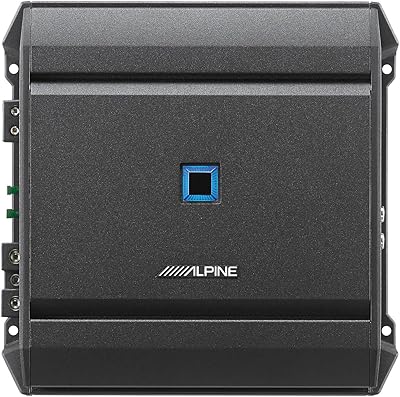
74%
83%
Bass Output Performance
57%
Rated vs Real-World Power
74%
Build Quality
62%
Heat Management
88%
Ease of Installation
More
Kicker CXA400.1 Mono Car Amplifier
79%
86%
Sound Clarity
71%
Power Output Accuracy
91%
Installation Ease
67%
Build Quality
78%
Thermal Performance
More
Hifonics ZRX1216.1DV2 V2 Mono Car Amplifier
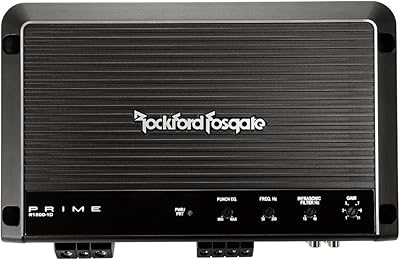
74%
84%
Value for Money
81%
Bass Output & Performance
88%
Ease of Installation
91%
Compact Footprint
63%
Thermal Management
More
Rockford Fosgate R1200-1D Mono Amplifier
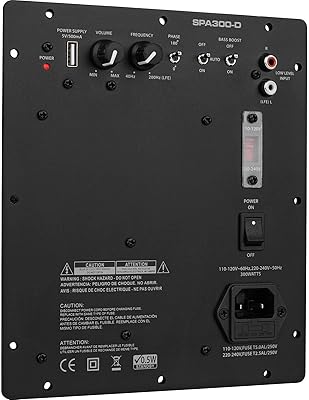
78%
91%
Power Output Accuracy
83%
Value for Money
76%
Thermal Management
78%
Build Quality
58%
Gain Control Usability
More
Dayton Audio SPA300-D
80%
88%
Power Output & Headroom
83%
Bass Quality & Low-End Extension
86%
Signal Clarity & Noise Floor
79%
Build Quality & Durability
91%
Ease of Installation
More

FAQ

The 1,600W rating is a peak burst figure, not something the amp sustains in continuous use. The number that actually matters day to day is 300W RMS at 4 ohms, which is the real working power output. This distinction matters because pairing the amp with a subwoofer rated for much higher continuous power will leave it underdriven.

For a basic street install, yes — the 4-gauge kit covers the main power, ground, and signal connections. That said, it is mid-grade quality, and experienced builders often swap it for heavier-gauge or oxygen-free copper wire, particularly when the battery run is long. If you are a first-timer, the included kit will get you up and running without an extra purchase.

It is optimized for a 4-ohm load, where it delivers its rated 300W RMS. If your subwoofer has a different impedance rating, the output will shift accordingly, so check your sub's specs before committing. Single subwoofer setups at 4 ohms are the straightforward sweet spot for this amp.

In many vehicles, yes. The 4 x 9 x 14-inch footprint is compact enough to fit under a passenger seat in a lot of sedans and SUVs, though you will want to measure your clearance first. Also make sure airflow is not completely blocked — even an efficient Class D amp needs some ventilation to avoid heat buildup over long listening sessions.

Most owners find it genuinely useful in practice. Being able to nudge the bass level up or down from the driver seat — without climbing into the trunk — is handy when you switch between music genres or when road noise changes at highway speeds. It is a simple feature, but one that gets used regularly once it is installed.

For subwoofer frequencies, the difference is negligible in a real car listening environment. Class D technology has matured considerably, and low-frequency reproduction is not where you would notice any sonic disadvantage. Where Class D wins outright is in running cooler and pulling less current from your vehicle's electrical system, both of which are meaningful advantages in a car install.

Protection mode on the GM-D8701 is most commonly triggered by overheating, particularly when the amp is pushed hard in warm weather or mounted with restricted airflow. Make sure the unit has breathing room on all sides and is not lying flat against carpet with no gap. If you regularly run high volume for long periods, consider adding a small cooling fan near the amp.

It is one of the more approachable options at this power level. The included wiring kit removes a common hurdle for first-timers, and the gain and crossover controls are clearly labeled without an overwhelming array of inputs. Reading the manual before you start is still strongly recommended — even a relatively simple install benefits from understanding the signal chain before you start running wire.

You can, as long as the combined impedance stays within the amp's supported load range. The GM-D8701 is optimized for a single 4-ohm sub, so if you are planning a dual subwoofer setup, calculate the final wiring impedance carefully before connecting. Running a load that is too low can trigger protection mode repeatedly and reduce the amp's lifespan.

Having been on the market since May 2019, it has accumulated a longer real-world feedback trail than many rivals at a similar price point. Owners who installed it correctly with adequate ventilation report few reliability issues over extended periods. Pioneer's support network also adds a reasonable layer of reassurance if something goes wrong within the warranty window.

Where to Buy