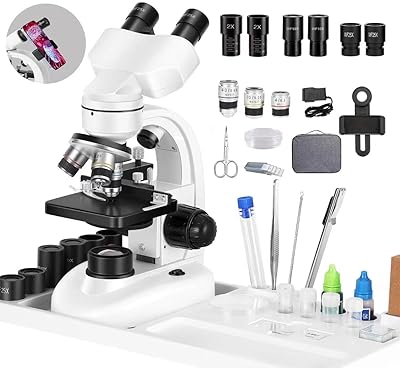
OMAX MD82ES10 40X-2000X Digital Compound Microscope
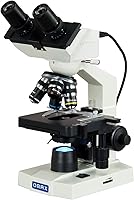
OMAX MD82ES10 40X-2000X Digital Compound Microscope — image 1
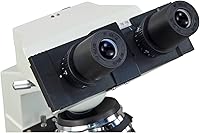
OMAX MD82ES10 40X-2000X Digital Compound Microscope — image 2
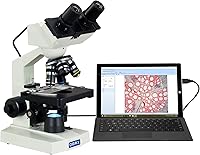
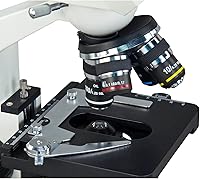
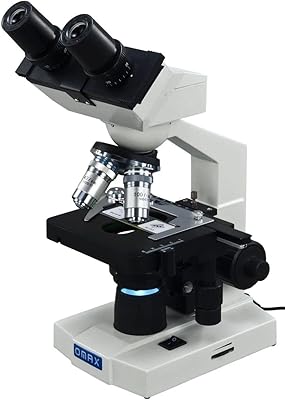
OMAX MD82ES10 40X-2000X Digital Compound Microscope — image 3
OMAX MD82ES10 40X-2000X Digital Compound Microscope — image 4
78%
22%

Overview

The OMAX MD82ES10 40X-2000X Digital Compound Microscope sits in a genuinely useful middle ground — capable enough for serious work, yet accessible enough for students and dedicated hobbyists who are done with toy-grade optics. What separates this digital compound microscope from purely optical models is the built-in 1.3MP camera, which lets you capture and document what you are viewing without bolting on a separate attachment. The magnification range runs from 40X all the way to 2000X, covering everything from low-power tissue surveys to higher-detail cellular work. The double-layer mechanical stage is a clear step up from entry-level designs, and native compatibility with both Windows and Mac makes it a practical fit for mixed-OS labs and households.

Features & Benefits

The mechanical XY stage is one of the more underappreciated features here — being able to nudge a slide in precise increments rather than pushing it by hand makes sustained observation far less frustrating. The USB camera streams live footage directly to your screen and saves stills for documentation, though it is worth setting expectations: 1.3MP is perfectly workable for notes and reports, not publication-quality imaging. LED lighting keeps things cool and consistent across long sessions, a real advantage over older halogen setups that heat specimens and drift in color. The binocular eyepiece also makes a noticeable difference during longer work, and optical glass lenses hold up well at mid-range magnifications where you will spend most of your time.

Best For

This lab microscope hits a practical sweet spot for college and advanced high school students covering biology, microbiology, or chemistry — it offers enough capability to handle real coursework without requiring a large institutional budget. It also works well in small clinical or healthcare settings that need basic image documentation, where the built-in camera saves the hassle of sourcing a compatible add-on. Hobbyists who want to photograph specimens digitally will appreciate having camera and optics in one package. Educators setting up a small lab will find the Windows and Mac compatibility a genuine convenience. If you are weighing this against a budget monocular or a pricier trinocular, the OMAX binocular scope occupies a sensible middle ground in capability.

User Feedback

Buyers consistently praise mid-range clarity — the 100X to 400X range draws the most positive comments, with many users finding the optics genuinely sharp for educational and documentation tasks. Setup tends to be straightforward, even for first-timers. The bundled camera software gets more mixed reviews: it functions well enough, but some users find the interface dated and less intuitive than third-party alternatives. A recurring complaint involves the highest magnification setting — achieving consistently clean focus at 2000X takes patience and ideal slide conditions, and results can be hit or miss. Build quality around the stage and arm earns solid marks for this price tier, though a handful of users note that reaching responsive after-sale support occasionally required persistence.

Pros

  • Wide 40X to 2000X magnification range handles the vast majority of biology and materials science tasks in one instrument.
  • The built-in USB camera eliminates the need to purchase and fit a separate digital adapter.
  • LED illumination stays cool and color-consistent, making long observation sessions far more comfortable.
  • Binocular eyepieces reduce eye strain noticeably compared to monocular alternatives during extended use.
  • The double-layer mechanical stage offers precise XY control that cheaper stages simply cannot match.
  • Optical glass lenses deliver genuinely sharp, color-accurate images at mid-range magnifications.
  • Works with both Windows and Mac without extra drivers or workarounds.
  • Setup out of the box is straightforward, even for users with no prior microscope experience.
  • Build quality around the arm and stage feels appropriately solid for a mid-range instrument.
  • Mid-range magnifications between 100X and 400X consistently earn strong praise from real-world users.

Cons

  • The bundled camera software feels dated and less intuitive than modern third-party imaging applications.
  • At maximum magnification, achieving consistently sharp focus requires ideal conditions and considerable patience.
  • The 1.3MP camera resolution is adequate for basic documentation but falls short for detailed imaging work.
  • After-sale support can require persistent follow-up, which may frustrate buyers who need quick resolutions.
  • No trinocular port means users who later want a higher-resolution camera have limited upgrade options.
  • The 240V voltage rating may require a converter for users in regions with different electrical standards.
  • Long-term durability under heavy daily professional use has drawn occasional concern from some buyers.
  • At this price tier, buyers may expect more polished software integration between the camera and PC.

Ratings

Our AI rating engine analyzed thousands of verified global purchases of the OMAX MD82ES10 40X-2000X Digital Compound Microscope, actively filtering out incentivized, bot-generated, and outlier reviews to surface the most reliable consensus. The scores below reflect both the genuine strengths that keep buyers satisfied and the recurring frustrations that honest users report after extended real-world use. Nothing has been smoothed over — the numbers tell the full story.

Optical Clarity
83%
At mid-range magnifications — think 100X through 400X — the optical glass lenses consistently deliver sharp, color-accurate images that hold up well for coursework, specimen documentation, and lab observation. Biology students and hobbyists regularly highlight how clean and defined cellular structures appear during routine slide work.
Performance becomes less predictable as you push toward the upper magnification limits. At or near 2000X, fine focus is harder to maintain and image quality can soften, which is a noticeable step down from the crisp results users enjoy in the middle of the range.
Built-in Camera
67%
33%
Having a USB camera built directly into the body is a real practical convenience — no adapters, no compatibility guesswork. For capturing slide images to include in lab reports or share with instructors, the 1.3MP output gets the job done reliably and streams live video without issues.
The 1.3MP resolution is the most common point of disappointment among buyers who expected sharper digital output at this price tier. Fine structural detail that is clearly visible through the eyepieces does not always translate faithfully into captured images, which limits usefulness for documentation-heavy workflows.
Mechanical Stage
88%
The double-layer XY mechanical stage earns consistent praise from users who have previously worked with simpler clip-style stages. Being able to make small, controlled movements across a slide during an extended observation session makes a tangible difference in both comfort and precision, especially for scanning larger specimens.
A small number of users note that the stage movement can feel slightly stiff right out of the box, requiring a brief break-in period before the controls feel smooth and responsive. This is a minor issue for most, but worth noting for buyers expecting silky-smooth action from day one.
Illumination Quality
86%
The LED light source with fly-eye lens delivers even, daylight-balanced illumination that stays consistent across long sessions. Unlike older halogen setups that warm up and shift color over time, the LED keeps conditions stable — something lab users working on color-sensitive specimens particularly appreciate.
A handful of users mention that fine-tuning the illumination intensity at higher magnifications requires patience, and the controls feel less intuitive than dedicated research instruments. Edge brightness uniformity is generally good but not flawless across the full field of view.
Build Quality
79%
21%
The arm, body, and stage all feel noticeably more solid than entry-level competitors, and most buyers report that the overall construction holds up well after months of regular use. For a mid-range instrument, the fit and finish strike a reasonable balance between durability and cost.
A recurring thread in long-term user feedback involves occasional loosening of adjustment knobs over time, particularly with heavy daily use. The materials are appropriate for student and hobbyist settings, but anyone running a high-throughput professional lab may eventually wish for a more robust build.
Ease of Setup
91%
First-time microscope owners consistently report getting from unboxing to first slide in well under an hour. The components are logically organized, the assembly steps are clear, and the USB camera connection to a computer requires no special driver installation on most modern operating systems.
The included instruction manual is functional but brief, and a small portion of new users feel it skips over some calibration basics that would help beginners get sharper results faster. Video tutorials from the manufacturer would go a long way toward improving this experience.
Bundled Software
54%
46%
The camera software works — it launches without major issues on both Windows and Mac and provides access to basic functions like live preview, image capture, and rudimentary measurement tools. For straightforward coursework tasks, it covers the essentials without requiring any additional purchases.
The interface design feels outdated compared to modern imaging applications, and usability complaints are among the most frequent in user feedback. Navigation is not intuitive for newcomers, and several users ultimately switched to third-party USB camera software for a noticeably better experience.
Magnification Range
81%
19%
The 40X to 2000X span covers an impressively wide range of practical tasks in a single instrument — from low-power survey work on tissue cross-sections to detailed cellular observation at mid-range. For students and hobbyists who want one scope that handles diverse specimen types, this range is a genuine asset.
While 2000X sounds impressive, real-world results at that ceiling are inconsistent enough that it should not be a primary buying reason. Users who need reliable, repeatable performance at very high magnifications will find the upper end of this range more aspirational than practical.
Eye Comfort
84%
The binocular eyepiece configuration consistently draws positive comments from users who work with the scope for 30 minutes or more at a stretch. Compared to monocular alternatives, the two-eye setup significantly reduces the eye fatigue that builds up during longer lab sessions or extended hobbyist use.
The interpupillary distance adjustment works well for most users but a small number with narrower or wider-than-average eye spacing find the range limiting. The eyepiece cushions are adequate but not plush — buyers who spend many hours a day at the scope may want aftermarket eyecups.
OS Compatibility
89%
Working natively with both Windows and Mac without driver headaches is a practical strength that users in mixed-OS households and shared classrooms consistently appreciate. Plug-in and go functionality for the USB camera works reliably across the operating systems most buyers actually use.
Compatibility with the bundled software on newer OS versions occasionally requires a manual update or workaround, and a small number of users on the latest Mac OS builds have reported minor hiccups that required reaching out to support to resolve.
Value for Money
73%
27%
For buyers who genuinely need a binocular digital compound microscope with an integrated camera, the combination of features at this price point is hard to replicate with separately purchased components. Students and educators in particular tend to feel the overall package represents fair value for what is included.
Buyers who compare it against similarly priced competitors that offer higher camera resolution or more polished software sometimes feel the value proposition is less compelling than it first appears. Whether it represents good value depends heavily on whether the built-in 1.3MP camera resolution meets your specific documentation needs.
Portability
77%
23%
At approximately 16 ounces and with a compact footprint, this digital compound microscope is easier to relocate between rooms or pack for transport than heavier professional instruments. The proportions make it manageable for a student moving it between a dorm and a shared lab space.
The compact dimensions are a practical convenience but come with a slight trade-off in overall stability on uneven or vibration-prone surfaces. Users in busier lab environments note that the lighter build can pick up minor vibrations that briefly affect image clarity during observation.
Long-term Durability
71%
29%
The majority of buyers report no significant mechanical failures after a year or more of regular use, and the optical components generally maintain their performance well when the microscope is stored and handled with reasonable care. For typical student or hobbyist usage patterns, longevity is generally satisfactory.
A subset of longer-term owners report that adjustment mechanisms — particularly coarse and fine focus knobs — can develop play or resistance over time. Heavy institutional use accelerates this, and replacement parts are not always easy to source quickly, which makes after-sale support quality an important factor to consider.
After-sale Support
62%
38%
OMAX does provide customer support and has a documented history of responding to warranty claims and technical questions. Users who encounter genuine defects early in ownership generally report that the company is willing to assist and, in some cases, replace defective units.
Response times and resolution speed are inconsistent, and a meaningful portion of buyers describe needing multiple follow-ups to get issues resolved. For buyers who rely on the scope for time-sensitive coursework or clinical tasks, slow support turnaround is a real frustration that shows up repeatedly in negative reviews.

Suitable for:

The OMAX MD82ES10 40X-2000X Digital Compound Microscope is a strong fit for college students, advanced high schoolers, and self-taught science enthusiasts who need a reliable instrument for genuine biological or materials work rather than casual curiosity. If you are setting up a small teaching lab, a home science station, or a basic clinical documentation setup on a realistic budget, this digital compound microscope delivers the core capabilities without forcing you to compromise on optics quality the way purely entry-level models do. The built-in camera is a real practical advantage for anyone who needs to document specimens, share images with instructors, or keep visual records — no hunting for a compatible camera add-on. Educators who deal with both Windows and Mac machines in the same room will also appreciate that compatibility is handled out of the box. In short, it suits anyone who needs a workhorse lab microscope capable of consistent mid-range performance day after day.

Not suitable for:

Buyers expecting research-grade imaging or publication-ready photography should look elsewhere — the 1.3MP camera on the OMAX MD82ES10 40X-2000X Digital Compound Microscope is functional and useful for documentation, but it is not going to satisfy anyone with serious imaging demands. Professionals working in advanced clinical, pathology, or materials science environments will likely find themselves bumping against the camera resolution and wanting a trinocular model with a dedicated high-resolution camera port. The 2000X upper magnification limit is technically impressive on paper, but in real use the image quality at that extreme can be inconsistent, so buyers who specifically need reliable ultra-high-power work should budget for a more capable instrument. This lab microscope also weighs in as overkill for young children or total beginners who only want occasional casual exploration — a simpler, cheaper monocular model would serve that use case better. If long-term durability under heavy daily professional use is your main concern, investing in a higher-tier brand with stronger after-sale support may be the wiser call.

Specifications

  • Model Number: This microscope carries the official model designation MD82ES10, manufactured by OMAX.
  • Magnification Range: Optical magnification spans from 40X at the low end up to 2000X at the highest setting, covering a broad range of specimen types.
  • Eyepiece Type: The microscope uses a binocular eyepiece configuration, allowing both eyes to view simultaneously and reducing fatigue during extended sessions.
  • Built-in Camera: A 1.3MP USB digital camera is integrated directly into the body, enabling live video streaming and still image capture without any additional hardware.
  • Illumination: LED lighting with a fly-eye lens design provides bright, daylight-balanced illumination that stays cool and consistent over long periods of use.
  • Stage Design: A double-layer mechanical XY stage allows controlled, incremental movement of slides in both horizontal and vertical directions for precise specimen positioning.
  • Lens Material: Optical glass lenses are used throughout, contributing to accurate color rendering and sharpness compared to lower-cost plastic alternatives.
  • OS Compatibility: The bundled camera software and USB connection are compatible with both Windows and Mac operating systems without requiring third-party drivers.
  • Connected Devices: The USB camera output works with desktop computers and laptops, making it suitable for both fixed lab setups and portable workstations.
  • Dimensions: The unit measures 9.06″ in length, 7.09″ in width, and 12.99″ in height, giving it a compact but stable footprint on a desk or bench.
  • Weight: The microscope weighs approximately 16 ounces, making it relatively manageable to reposition while still feeling solid during use.
  • Voltage: The unit is rated at 240V, so buyers in regions with different electrical standards should verify compatibility or use an appropriate converter.
  • Color Finish: The body is finished in a combination of black, silver, and white, giving it a clean, professional appearance suited to lab or classroom environments.
  • Light Source Type: LED is the sole light source type, replacing older halogen designs and offering significantly longer bulb life with lower heat output.
  • Brand: OMAX is the manufacturer, a brand with a long-standing catalog of microscopes, cameras, and related lab accessories.

Related Reviews
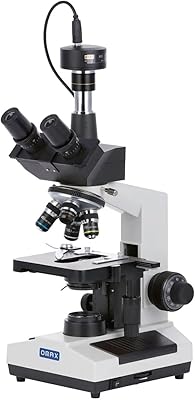
OMAX M837ZL-C100U Trinocular Compound LED Microscope
71%
83%
Optical Clarity
81%
Build Quality
67%
Camera Performance
78%
Stage Precision
76%
Ergonomics
More
OMAX M83ES 40X-2000X Lab Trinocular Biological Compound LED Microscope
84%
91%
Magnification Performance
89%
LED Illumination Quality
87%
Build Quality & Durability
93%
Ease of Setup
85%
Focus Mechanism
More
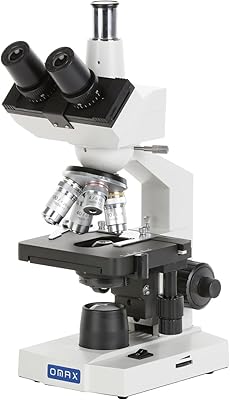
OMAX M82E Binocular Compound Lab Microscope
82%
88%
Optical Clarity
91%
Build Quality & Durability
86%
Ease of Setup
83%
Magnification Range & Versatility
87%
Illumination Quality
More
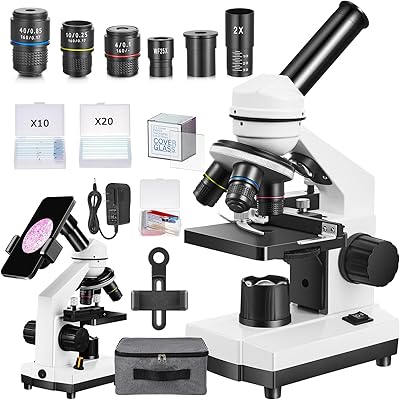
BOGRINUO RM Binocular Compound Microscope
70%
78%
Optical Clarity (Low-Mid Power)
52%
Optical Clarity (High Power)
81%
Build Quality
83%
Ergonomics & Comfort
76%
Mechanical Stage Quality
More
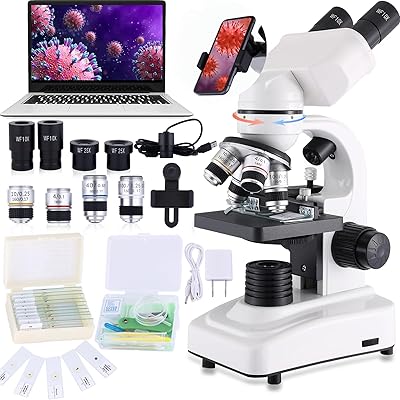
Fitense RM 40X-2000X Monocular Microscope
73%
83%
Optical Clarity (Low-Mid Range)
54%
Optical Clarity (Max Magnification)
78%
Build Quality
81%
LED Lighting System
88%
Included Accessory Kit
More
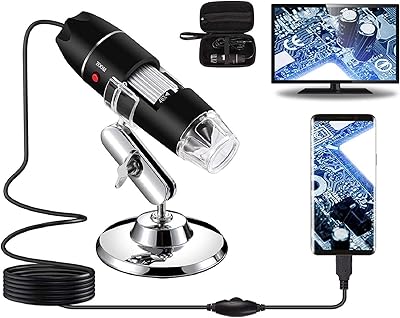
Herwicm RM Binocular Compound Microscope
73%
78%
Optical Clarity
74%
Build Quality
86%
Ease of Setup
76%
Focusing Mechanism
81%
Lighting System
More
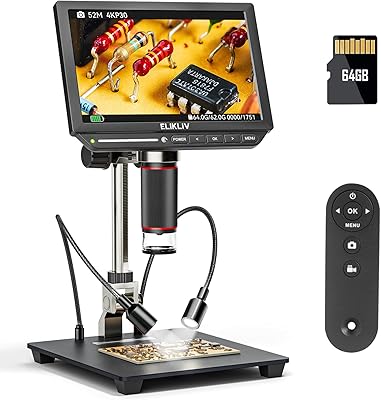
Bysameyee SA-00 USB Digital Microscope
76%
83%
Image Quality (Mid-Range Zoom)
51%
Maximum Zoom Performance
79%
Build Quality
88%
Ease of Setup
76%
LED Lighting System
More
Elikliv EM4K 4K Digital Microscope
76%
86%
Image Quality
83%
Built-in Display
74%
Build Quality & Materials
71%
Magnification Range
67%
Battery Life & Portability
More
Crspexil 2024 Trinocular Compound Microscope
71%
78%
Optical Clarity
74%
Camera Performance
76%
Build Quality
82%
Value for Money
71%
Ease of Setup
More
SWIFT SW350T Trinocular Compound Microscope
79%
91%
Optical Clarity
88%
Build Quality
54%
Camera Quality
57%
Software Usability
86%
Ergonomics
More

FAQ

It works with both. The bundled software and USB camera connection are compatible with Mac and Windows out of the box, which is genuinely handy if you are switching between machines or sharing the scope in a mixed-OS environment.

The 1.3MP camera is solid for coursework, lab documentation, and sharing images with colleagues or instructors. That said, it is not a high-resolution imaging solution — if you need sharp detail for publication or advanced clinical analysis, you will likely want a scope with a higher-megapixel camera option.

In practice, 2000X is the upper ceiling and results at that level can vary quite a bit depending on your slide preparation, lighting adjustment, and focusing technique. Most users get their best and most consistent results in the 100X to 400X range, which is where this lab microscope genuinely shines.

Most first-time users find the setup straightforward. The components are clearly laid out and the included instructions cover the basics well enough to get you viewing slides within a short time of unboxing.

The bundled imaging software gets the job done for basic capture and viewing, but a number of users find it feels a bit dated compared to modern alternatives. If you are comfortable installing third-party software, options like AmScope or similar USB camera apps can improve the experience noticeably.

The double-layer XY mechanical stage is a meaningful step up from the simple clip-and-push stages found on budget models. Being able to move your slide in precise, small increments makes a real difference when you are scanning across a specimen or trying to center a specific area without losing your place.

Build quality around the arm and stage is generally considered solid for the price tier, and most users report reliable performance over time. That said, it is not built to the same standard as professional research-grade instruments, so extremely heavy daily use in a demanding environment may eventually show wear.

Yes, because the camera outputs a live feed via USB to a connected computer, you can mirror or extend that display to a projector or monitor. It is a practical setup for classroom demonstrations where the whole group needs to see what is on the slide.

The microscope comes ready to use with the camera, software, and illumination built in. You will want to have your own prepared slides or slide-making supplies on hand, and a USB cable is needed to connect the camera — confirm whether one is included in your specific shipment, as this can vary.

The LED with fly-eye lens design delivers consistent brightness that works well through most of the magnification range. At the very highest settings, precise illumination adjustment becomes more critical, but the light source itself is not typically the limiting factor — specimen preparation and fine focus adjustment matter more at those levels.