Overview

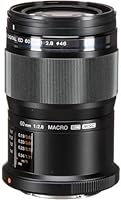
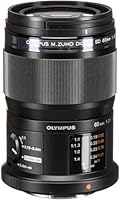
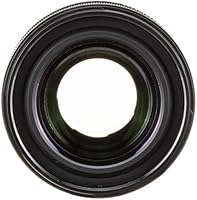
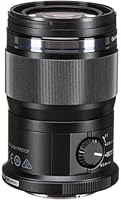
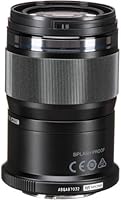
The Olympus M.Zuiko 60mm F2.8 Macro Lens has been a go-to choice for Micro Four Thirds shooters since its introduction in 2012, and its continued production says a lot about how well it holds up. The 60mm focal length gives you true macro capability while doubling reasonably well as a short telephoto for portraits or detailed close-ups. What sets it apart at this price point is the weather-sealed construction — not a common feature among dedicated macro lenses in this range. As OM System has carried on the Olympus lens lineup, this optic remains a core part of the MFT ecosystem, still earning its place for serious shooters.
Features & Benefits

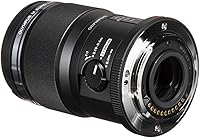
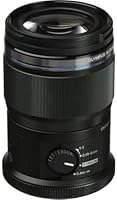
The headline spec is 1:1 maximum magnification, meaning your subject appears life-size on the sensor — essential for genuine macro work. The 13-element optical formula keeps fine detail crisp and minimizes color fringing even at close focus distances. The focus limit switch is one of those practical touches you don't appreciate until you're in the field: it restricts the autofocus search range so the lens doesn't hunt endlessly when shooting at normal distances. The built-in distance window on the barrel lets you confirm working distance at a glance without checking a screen. At 6.6 ounces, it balances comfortably on any MFT body without front-heavy fatigue.

Best For

This macro lens is a natural fit for nature and insect photographers who work outdoors in unpredictable conditions — the weather sealing means a passing rain shower doesn't have to end a shoot. Product and food photographers will appreciate the consistent close-focus sharpness and reliable autofocus behavior for static subjects. The 60mm F2.8 also pulls duty as a capable short telephoto, making it worthwhile for travel photographers who want one versatile lens rather than packing separate macro and portrait options. It's not aimed at casual users — this is a tool for photographers who already know exactly what they want from a dedicated macro optic.

User Feedback

Owners consistently praise edge-to-edge sharpness at macro distances and smooth background blur as genuine standout qualities. The focus limiter switch draws regular appreciation from field photographers who rely on it daily to prevent the lens from hunting across its full focus range. Where feedback gets more measured is autofocus during continuous shooting or video — it's functional, but noticeably slower than a standard prime, and not the right choice if fast-moving subjects are your priority. On overall build, most users rate this MFT macro optic above similarly priced alternatives. Outdoor photographers specifically mention the weather sealing holding up reliably through rain and dusty conditions over long-term use.

Pros

  • True 1:1 magnification delivers life-size subject reproduction that genuinely sets this macro lens apart.
  • Weather sealing holds up reliably in rain and dusty outdoor conditions — a rare perk at this price tier.
  • Optical sharpness at close-focus distances is outstanding and consistently praised by real users.
  • The focus limiter switch meaningfully speeds up autofocus when you are not shooting at macro distances.
  • At just 6.6 ounces, the 60mm F2.8 travels light and balances well on compact MFT bodies.
  • The built-in distance window on the barrel lets you confirm working range with a quick glance, no screen needed.
  • Background rendering at macro distances is smooth and undistracting, benefiting portrait and product shots alike.
  • Full native MFT mount communication means seamless in-body stabilization coordination on compatible bodies.
  • Chromatic aberration is well controlled for a macro lens, reducing correction time in post-processing.
  • The lens has remained in production for well over a decade — a reliable indicator of sustained real-world value.

Cons

  • Continuous autofocus on moving subjects hunts noticeably and is not reliable for action or wildlife in motion.
  • No lens hood is included in the box, leaving outdoor shooters exposed to flare without an extra purchase.
  • Video autofocus performance draws regular criticism — hunting is visible and disruptive during recording.
  • The short focus ring travel makes fine manual adjustments at 1:1 magnification more demanding than expected.
  • Longitudinal chromatic aberration appears in out-of-focus highlights when shooting at F2.8 against bright backgrounds.
  • Panasonic body users may experience slightly slower or less confident autofocus compared to native Panasonic lenses.
  • The 7.4-inch working distance can be tight enough to spook live insects or cast a shadow on very small subjects.
  • As a short telephoto portrait lens, F2.8 on MFT produces less background separation than faster full-frame alternatives.
  • The barrel distance window markings are small and difficult to read quickly in low-light field conditions.
  • Price has increased over the years without a corresponding optical redesign, which gives some buyers pause.

Ratings

The Olympus M.Zuiko 60mm F2.8 Macro Lens has been put through its paces by photographers worldwide, and our AI-driven scoring reflects that breadth — drawing from thousands of verified buyer reviews while actively filtering out incentivized, duplicate, and bot-generated submissions. The scores below capture both where this MFT macro optic genuinely excels and where real users have run into limitations, giving you an honest picture before you buy.
Optical Sharpness
93%
Users shooting insects, flowers, and product details consistently describe the center sharpness as outstanding, even wide open at F2.8. Corner performance at macro distances holds up well, and very few reviewers reported any meaningful softness during real close-up work.
A small number of users noted slight softness when shooting flat subjects at an angle, which is more a technique issue than an optical flaw. Some felt sharpness at infinity focus — when used as a short telephoto — doesn't quite match dedicated portrait primes.
Autofocus Performance
71%
29%
For static or slow-moving subjects like flowers, small collectibles, or plated food, autofocus is described as accurate and confident. The focus limiter switch makes a real difference in everyday shooting — when set to the non-macro range, the lens locks focus noticeably faster without hunting.
Continuous autofocus for moving subjects — insects in flight, children, or handheld video — draws the most criticism. Users report that the lens can hunt visibly in these scenarios, and it lags behind faster native MFT primes when tracking any subject that isn't staying still.
Build Quality & Weather Sealing
89%
The physical construction earns strong marks across the board. Outdoor and nature photographers specifically mention shooting through light rain and dusty trail conditions without any issues, and the barrel feels solid without being heavy. This level of sealing is not common at this price tier.
The lens lacks a built-in hood in the box, which a few users found frustrating given the price. Some noted the plastic feel of certain external parts doesn't fully match the premium impression the weather sealing implies, though no durability failures were reported.
Macro Magnification & Working Distance
91%
True 1:1 magnification on a Micro Four Thirds sensor effectively doubles the subject size compared to full-frame equivalents, and photographers shooting small insects or jewelry notice the difference immediately. The 7.4-inch minimum working distance gives just enough room to avoid casting a shadow on subjects.
For subjects that are easily spooked — like live insects in the field — some users wish the working distance were a bit longer to avoid disturbing them before the shot. Those coming from longer telephoto macros may find 7.4 inches a tighter margin than they prefer.
Bokeh & Background Rendering
86%
At macro distances, the out-of-focus areas are consistently described as smooth and undistracting. Portraits shot at F2.8 show pleasingly soft backgrounds, and reviewers using this lens for food photography appreciate how it separates a subject from a cluttered tabletop setup.
Bokeh at mid-range distances is considered decent but not particularly distinctive. Users who compared it directly to full-frame macro lenses noted the shallower depth of field inherent to MFT limits how dramatic the separation can look in non-macro situations.
Size & Portability
88%
At 6.6 ounces and compact dimensions, this macro lens is genuinely travel-friendly. Reviewers packing for hiking or wildlife trips mention it fits easily alongside a second body lens without dominating bag space, which matters more on long days in the field than specs suggest.
A handful of users with larger hands found the barrel slightly short to grip comfortably, especially when manually fine-tuning focus. It's a minor ergonomic note, but worth knowing if you shoot extensively handheld at slow shutter speeds.
Manual Focus Usability
79%
21%
The focus ring has a smooth, well-damped action that experienced macro photographers appreciate for fine adjustments when autofocus isn't precise enough. Studio and product photographers who default to manual focus reported the ring behavior as predictable and easy to control.
The focus ring travel is fairly short, which makes achieving exact focus at 1:1 magnification more demanding than some users expected. A few reviewers noted they needed to rely heavily on focus stacking in post rather than nailing the plane of focus in a single shot.
Versatility Beyond Macro
74%
26%
The 60mm focal length translates to a 120mm equivalent field of view on MFT, which works reasonably well for compressed portraits and detail shots. Travel photographers who bring only one or two lenses have reported using this as a short telephoto with satisfying results.
Its F2.8 aperture, while solid for macro, feels less competitive as a portrait or street lens when compared to dedicated faster primes. Users who bought it expecting full portrait-lens performance alongside macro capability were occasionally left wanting a wider maximum aperture.
Focus Limiter Switch
87%
Nature and street photographers who switch between macro and general shooting in the same outing find this switch genuinely useful. Restricting the focus search range to a closer or farther band prevents the lens from endlessly hunting across its full travel, saving both time and missed shots.
New users unfamiliar with macro lenses occasionally overlooked the switch and were puzzled by slow autofocus before realizing it was set to the wrong range. Better labeling on the barrel or a more tactile switch feel would reduce this learning curve.
Working Distance Window
81%
19%
The physical distance scale window on the barrel is a detail that macro shooters genuinely appreciate once they start using it. Rather than guessing or constantly checking a display, you can glance at the barrel to confirm you are in the right focus zone — useful when shooting on a tripod in tight spaces.
The window markings are small, and in low light or fast-paced field situations, some users found them hard to read quickly. A few reviewers also noted they rarely consulted it after an initial learning period, preferring to rely on focus peaking on their camera body instead.
Chromatic Aberration Control
83%
Lateral chromatic aberration is well controlled for a macro lens, and most users shooting high-contrast macro subjects — like backlit flower petals or metallic product details — reported minimal fringing that needed correction in post. The 13-element construction earns its keep here.
Some longitudinal chromatic aberration shows up in out-of-focus highlights, particularly when shooting at F2.8 against bright backgrounds. It's not severe, but photographers who shoot RAW and do their own processing mentioned it as a minor but recurring correction task.
Value for Money
82%
18%
Compared to weather-sealed macro lenses in other systems at similar or higher price points, buyers generally feel this MFT macro optic offers a strong return. The combination of weather sealing, true 1:1 magnification, and a useful secondary telephoto role is difficult to match within the MFT ecosystem at this price.
Users on a tighter budget note that third-party macro alternatives exist at lower cost, even if they lack the sealing and polish. A small segment of reviewers felt the price has crept up over the years without a corresponding optical update, which creates some hesitation.
Compatibility & Ecosystem Fit
91%
Native Micro Four Thirds mount means full electronic communication with OM System and Panasonic bodies, including in-body stabilization coordination. Users with Olympus OM-D and PEN bodies report the lens integrates without any quirks — firmware updates and compatibility have been maintained reliably over the years.
Panasonic body users occasionally report slightly less responsive autofocus compared to native Panasonic lenses, which is a known characteristic of cross-brand MFT combinations rather than a fault of the lens itself. It remains a minor point for most, but Panasonic shooters should be aware.
Flare & Contrast Resistance
77%
23%
Under controlled or diffused lighting — which covers the majority of macro shooting scenarios — contrast is punchy and color rendering is neutral. Product photographers working in studio conditions rarely flagged flare as a concern, and the lens handles artificial light sources cleanly.
Shooting toward natural light sources or in bright backlit outdoor conditions without a lens hood produces noticeable flare and a contrast drop. Since the lens does not ship with a hood, users who shoot outdoors frequently recommend budgeting for the optional accessory hood separately.

Suitable for:

The Olympus M.Zuiko 60mm F2.8 Macro Lens is an excellent match for Micro Four Thirds photographers who want a single, well-built lens that handles dedicated macro work without forcing them to leave weatherproofing behind. Nature and insect photographers will get the most out of it — the sealed body means a sudden drizzle on a trail doesn't cut a shoot short, and the 7.4-inch working distance gives just enough breathing room to frame small subjects without crowding them. Product and food photographers will appreciate the consistent close-focus sharpness and the ability to trust autofocus on static or slow-moving subjects. It also earns its keep for travel shooters who want to pack light: the compact build and dual usefulness as a short telephoto portrait lens mean one lens can cover two roles on a trip. Serious hobbyists and semi-pros already invested in the OM System or Olympus ecosystem will find this macro optic integrates cleanly with their existing bodies and stabilization systems.
Not suitable for:

The Olympus M.Zuiko 60mm F2.8 Macro Lens is not the right call for photographers whose primary need is tracking fast or erratic subjects — wildlife in motion, sporting events, or children running around will expose the lens's autofocus limitations in continuous mode. Video shooters should also approach with caution, as autofocus hunting during clips is a recurring complaint and the lens was not designed with smooth video AF as a priority. If you shoot primarily on a Panasonic body, be aware that cross-brand MFT autofocus performance tends to lag slightly behind what Olympus and OM System bodies deliver. Casual photographers or beginners who don't already know they need macro capability are likely to find the dedicated nature of this lens too limiting for general everyday use. And if you're hoping to use it as your main portrait prime, the F2.8 aperture — combined with the smaller MFT sensor — won't produce the same level of background separation that a faster full-frame lens achieves.
Specifications

  • Focal Length: Fixed 60mm focal length, equivalent to approximately 120mm on a full-frame camera due to the Micro Four Thirds 2x crop factor.
  • Maximum Aperture: F2.8 maximum aperture provides adequate light gathering for close-up work and produces pleasing background separation at macro distances.
  • Lens Mount: Native Micro Four Thirds mount with full electronic communication for autofocus, exposure control, and in-body image stabilization coordination.
  • Magnification: Maximum magnification of 1:1 on the MFT sensor, which is equivalent to capturing subjects at true life size.
  • Working Distance: Minimum working distance of 7.4 inches (approximately 18.8 cm) from the subject to the front of the lens at maximum magnification.
  • Optical Formula: 13 lens elements arranged in 10 groups, designed to suppress chromatic aberration and maintain resolution consistency across close focus distances.
  • Weather Sealing: Sealed construction provides resistance to dust and moisture splashes, making the lens suitable for use in light rain and challenging outdoor environments.
  • Focus Limiter: A physical focus limit switch on the barrel restricts autofocus search range, reducing hunting and improving acquisition speed when shooting beyond macro distances.
  • Distance Window: Built-in working distance window on the lens barrel displays subject distance mechanically, allowing quick visual confirmation without consulting the camera display.
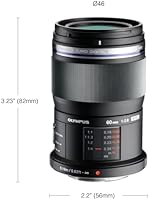
  • Dimensions: The lens measures 3.23 inches in length with a diameter of 2.2 inches, keeping it compact enough to pair comfortably with smaller MFT bodies.
  • Weight: 6.6 ounces (approximately 187 grams), making it one of the lighter weather-sealed macro options available for any mirrorless system.
  • Aperture Blades: Seven rounded aperture blades contribute to smooth, circular out-of-focus highlights across a range of stopped-down apertures.
  • Filter Thread: 46mm front filter thread allows standard circular polarizer, UV, and ND filters to be attached without requiring an adapter.
  • Autofocus System: Internal focusing design means the front element does not rotate or extend during focus, which simplifies the use of polarizing filters and lens hoods.
  • Manufacturer: Designed and manufactured by Olympus, now marketed and supported under the OM System brand following the corporate restructuring in 2021.
  • Model Number: Official model number is V312010BU000, which can be used to verify authenticity and locate compatible accessories from authorized retailers.
  • Compatibility: Compatible with all Micro Four Thirds camera bodies from OM System, Olympus, and Panasonic, with full functionality on electronically compatible bodies.
  • Release Date: Originally introduced in September 2012 and has remained in continuous production, reflecting sustained demand within the MFT ecosystem.

Related Reviews
7artisans 60mm F2.8 Mark II Macro Lens
77%
84%
Optical Sharpness
88%
Bokeh Quality
81%
Build Quality
91%
Value for Money
79%
Focus Ring Feel
More
Canon RF 100mm F2.8 L Macro Lens
84%
96%
Image Sharpness
93%
Macro Magnification
89%
Bokeh & Rendering
88%
Image Stabilization
71%
Autofocus Performance
More
Sigma 105mm F2.8 EX DG OS HSM Macro Lens for Canon
85%
88%
Autofocus Performance
92%
Sharpness and Image Quality
89%
Optical Stabilization (OS)
87%
Build Quality
85%
Ease of Use
More
Olympus M.Zuiko 14-42mm F3.5-5.6 2R Zoom Lens
74%
93%
Portability
76%
Image Sharpness
81%
Autofocus Performance
58%
Build Quality
78%
Value for Money
More
OM System OM-1 Mark II with M.Zuiko 12-40mm f/2.8 PRO II
81%
93%
Autofocus Performance
91%
Weather Sealing & Durability
84%
Image Quality
71%
Autofocus in Low Light
92%
Lens Quality (M.Zuiko 12-40mm f/2.8 PRO II)
More
Brightin Star 7.5mm F2.8 III Fisheye Lens
75%
78%
Image Sharpness
88%
Value for Money
71%
Low-Light & Astrophotography Performance
82%
Build Quality & Construction
61%
Manual Focus Usability
More
Panasonic LUMIX 8-18mm F2.8-4.0 Lens
89%
91%
Image Quality
88%
Autofocus Performance
89%
Build Quality & Durability
84%
Ease of Use
90%
Video Performance
More
Fujifilm X-S20 XF16-50mm Mirrorless Camera Kit
80%
91%
Image Quality
94%
Film Simulations & Color Science
88%
In-Body Image Stabilization
86%
Video Capability
67%
Autofocus Performance
More
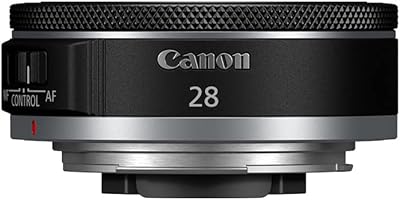
Canon RF 28mm F2.8 STM Wide-Angle Lens
79%
96%
Portability & Form Factor
78%
Image Sharpness
82%
Autofocus Performance
91%
Video Usability
58%
Build Quality
More
Canon RF 16mm F2.8 STM Lens
78%
78%
Image Sharpness
83%
Autofocus Performance
61%
Build Quality
82%
Value for Money
94%
Portability & Size
More

FAQ

Yes, the Micro Four Thirds mount is a shared standard, so the lens mounts and communicates electronically with Panasonic bodies. That said, autofocus performance tends to be a step slower on Panasonic bodies compared to Olympus and OM System bodies, which is a known cross-brand characteristic rather than a defect.

The focus limiter restricts how far the autofocus system searches for a subject. In the macro range, it limits focus to close distances; in the normal range, it skips the very close end. When you are not shooting macro — say, using this lens for portraits or general subjects — switching to the normal range stops the lens from hunting all the way down to minimum focus distance, which speeds things up noticeably. Most photographers set it based on what they are shooting that day rather than leaving it in one position permanently.

Real-world feedback from outdoor photographers suggests it handles light to moderate rain without issues. It is worth noting that the sealing on the lens works best when paired with a weather-sealed camera body — the protection is only as complete as the weakest point in the system. It is not designed for submersion or heavy downpours, but it gives meaningful peace of mind on overcast or drizzly shooting days.

At maximum 1:1 magnification, the front of the lens needs to be about 7.4 inches from the subject. That is close enough that you need to be mindful of casting a shadow, and for easily startled insects or animals, it may require patience. For controlled subjects like jewelry or flowers in a garden, it is a workable distance.

It works for portraits, but with some trade-offs to keep in mind. The 60mm focal length gives you a 120mm equivalent field of view, which is a flattering compression for headshots. The F2.8 aperture produces soft backgrounds, though not as dramatically blurred as faster full-frame portrait lenses. Many photographers use it as a secondary portrait option when they already have it in the bag, rather than as a dedicated portrait prime.

No, a lens hood is not included in the standard box. For outdoor shooting where backlit scenes or bright light sources are common, purchasing the compatible hood separately is a worthwhile addition. The 46mm filter thread also means standard screw-on filters are easy to attach in the meantime.

For insects that are resting or moving slowly, autofocus is accurate and reliable. For insects in flight or any subject moving unpredictably, continuous autofocus struggles — it can hunt and miss focus more often than a sports-oriented or phase-detect-heavy system would. Most experienced insect photographers using this lens rely on manual focus or focus bracketing for the most critical shots.

It is a small scale window built into the barrel that shows you the approximate distance to your subject based on where the lens is focused. In practice, many photographers find it most useful when setting up a shot on a tripod or when they want a quick sanity check without looking at the screen. It is not essential, but it is a thoughtful detail that macro shooters tend to appreciate more over time.

It can be used for video, but it is not optimized for it. The autofocus during continuous video recording can hunt visibly, which is distracting in finished footage. Manual focus pull for video is possible but requires a steady hand given the relatively short focus ring travel. Photographers who do occasional video alongside photo work find it acceptable; dedicated videographers would likely want a lens better suited to smooth continuous AF.

Longevity in a competitive lens market usually means a design that held up, and this macro optic is a good example of that. The optical formula, weather sealing, and practical features like the focus limiter remain genuinely competitive against newer alternatives. The main thing it lacks is a more modern autofocus motor, which faster and more complex designs have improved on. For photographers whose priority is image quality and durability over AF speed, it absolutely holds its own in today's market.

Where to Buy