NooElec RTL-SDR TV28Tv2
Overview
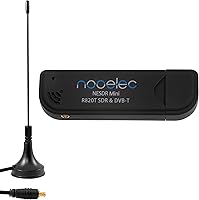
The NooElec RTL-SDR TV28Tv2 started life as a humble DVB-T television tuner, but the SDR hobbyist community quickly discovered its potential as a surprisingly capable software-defined radio tool. Built around the RTL2832U demodulator and R820T tuner, this SDR dongle covers roughly 27 MHz to 1700 MHz, opening up a genuinely broad slice of the radio spectrum. What sets Nooelec apart from the flood of generic resellers is that they actually specialize in SDR hardware — quality control matters here. That said, manage your expectations: this is a solid entry-level device, not a laboratory receiver, and it performs best when you understand what that means before buying.
Features & Benefits
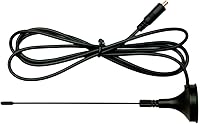
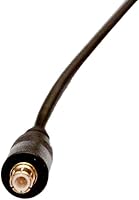
The RTL2832U and R820T pairing is well-regarded in the hobbyist community for good reason — sensitivity is respectable across most of the tuning range, and frequency stability is noticeably better than bargain-bin clones. One hardware detail worth calling out is the ESD protection diode on the RF input, a small but meaningful addition that unbranded alternatives routinely skip. The MCX connector ships with a basic whip antenna so you can be up and running immediately. Driver setup works across Windows, Linux, and macOS, though newcomers should expect a short learning curve getting Zadig or equivalent drivers configured. Software compatibility is broad: SDR#, HDSDR, GNU Radio, and CubicSDR all work without fuss.
Best For
This RTL-SDR unit punches well above its price class for anyone just getting into radio monitoring. It is a natural fit for first-time SDR hobbyists who want to explore aircraft ADS-B tracking, decode NOAA weather satellite images, or listen in on local trunked systems without spending serious money. Students experimenting with GNU Radio signal processing projects will find the hardware cooperative and well-documented. FM listeners wanting flexibility beyond a conventional receiver will appreciate the wide tuning window. It is also compact enough to toss in a bag, making it practical for anyone who wants a portable scanning setup while traveling or at a field site.
User Feedback
Owners consistently highlight how quickly this SDR dongle gets running with SDR# right out of the box, which matters a lot for beginners who just want results. Compared to unbranded clones, sensitivity and stability earn genuine praise. The bundled antenna is functional for strong local signals, but serious users typically upgrade it fairly quickly — this is expected at the entry level, not a flaw. A small frequency offset on initial tuning is occasionally reported, but this is inherent to the RTL chipset class and easily corrected in software. Nooelec's customer support draws favorable mentions, which is a real differentiator over anonymous imports when something goes wrong.
Pros
- Covers a genuinely wide frequency range from roughly 27 MHz to 1700 MHz in one small device.
- ESD protection diode on the RF input is a meaningful hardware safeguard that many cheaper clones skip entirely.
- Works with all major SDR software including SDR#, HDSDR, GNU Radio, and CubicSDR without special configuration.
- Compatible with Windows, Linux, and macOS, making it flexible across most hobbyist setups.
- ADS-B aircraft tracking at 1090 MHz performs reliably well, even in suburban environments with a modest antenna upgrade.
- Nooelec backs this SDR dongle with a full one-year warranty and responsive customer support.
- Frequency stability is noticeably better than unbranded RTL clones at comparable price points.
- Compact and lightweight enough to carry in a pocket for portable scanning or field experiments.
- Large, active community means tutorials, plugins, and troubleshooting help are widely available for free.
- Solid entry point for NOAA weather satellite decoding when paired with an appropriate DIY antenna.
Cons
- The bundled whip antenna is functionally limiting and most serious users replace it within the first few weeks.
- HF coverage below 27 MHz requires purchasing a separate upconverter, adding cost and setup complexity.
- Windows driver installation via Zadig is a non-obvious step that regularly trips up first-time users.
- Unit-to-unit frequency offset means some buyers need to manually calibrate PPM correction in software before use.
- The dongle runs noticeably warm during extended decoding sessions, which can be a concern in enclosed setups.
- Sensitivity ceiling becomes apparent on weak or distant signals, particularly above 1 GHz.
- The MCX antenna connector is fragile enough that careless handling during portable use risks damage.
- No HF coverage out of the box limits the device for users interested in shortwave or lower ham bands.
- Thermal drift during long sessions is an inherent RTL chipset characteristic that occasional users may find frustrating.
- Setup learning curve, while manageable, is steeper than most consumer USB peripherals and can frustrate non-technical buyers.
Ratings
The NooElec RTL-SDR TV28Tv2 has been evaluated by our AI system after analyzing thousands of verified global user reviews, with spam, bot activity, and incentivized feedback actively filtered out. The scores below reflect the honest consensus of real hobbyists, students, and amateur radio operators — strengths and frustrations alike are represented without sugar-coating.
Out-of-Box Setup Experience
Frequency Range & Coverage
Signal Sensitivity
Frequency Stability & Drift
Build Quality & Hardware Protection
Bundled Antenna Quality
Software Compatibility
Value for Money
Cross-Platform Driver Support
Portability & Form Factor
Manufacturer Support & Warranty
ADS-B Aircraft Tracking Performance
Weather Satellite Reception
Community & Learning Resources
Suitable for:
The NooElec RTL-SDR TV28Tv2 is an ideal starting point for anyone who has been curious about software-defined radio but was not ready to commit to expensive purpose-built hardware. Hobbyists who want to track aircraft on ADS-B, decode NOAA weather satellite images, or monitor local trunked radio systems will find this SDR dongle covers all those use cases within a single compact device. Students and makers working through GNU Radio tutorials or signal processing coursework will appreciate how well-documented and community-supported the RTL2832U chipset is — finding guides, sample code, and troubleshooting help is rarely more than a quick search away. Amateur radio operators who want a cheap second receiver for monitoring while their main rig transmits will also get solid utility out of this RTL-SDR unit. It suits FM listeners who want to explore digital modes and wide spectrum scanning without investing in a dedicated scanner radio, and the pocketable form factor makes it genuinely practical for portable or field use.
Not suitable for:
Buyers expecting professional or lab-grade performance should understand clearly that the NooElec RTL-SDR TV28Tv2 operates in a different tier entirely — it is an entry-level device built on a repurposed television chipset, not a calibrated measurement receiver. Users with serious HF shortwave or ham band monitoring goals will hit a hard wall below 27 MHz without purchasing a separate upconverter, which adds cost and complexity. Anyone hoping to do meaningful weak-signal work, long-range reception, or sensitive spectrum analysis will find the R820T tuner reaches its ceiling fairly quickly under demanding conditions. People who are not willing to spend an afternoon working through driver installation and software configuration should also reconsider — while setup is very manageable for tech-comfortable users, it is not a plug-and-play experience in the consumer electronics sense. Finally, buyers looking for a polished, antenna-included solution that works brilliantly right out of the box will likely be disappointed by the bundled whip antenna, which functions as little more than a proof-of-concept accessory.
Specifications
- Chipset: The device uses an RTL2832U demodulator IC, the industry-standard chip that underpins the majority of hobbyist SDR dongles worldwide.
- Tuner IC: An R820T tuner is paired with the demodulator, providing broad frequency coverage and reasonable sensitivity across the operating range.
- Frequency Range: The tuner covers approximately 27 MHz to 1700 MHz, encompassing FM broadcast, VHF, UHF, aircraft ADS-B, and a wide range of other bands.
- Interface: The device connects via USB 2.0, drawing power directly from the host computer without requiring an external power supply.
- Antenna Connector: The RF input uses an MCX connector, and a basic whip antenna terminated in MCX is included in the box.
- ESD Protection: A protection diode is installed on the RF input to guard against electrostatic discharge damage, a hardware safeguard absent on many unbranded clones.
- Dimensions: The dongle body measures 3.7 x 3.3 x 2.5 inches, making it compact enough to carry in a pocket or small equipment bag.
- Weight: The complete unit weighs 0.32 ounces, adding negligible load to any laptop bag or portable kit.
- Color: The housing is finished in black, with a matte plastic enclosure that covers the PCB and connectors.
- Model Number: The official model designation is TV28Tv2, which distinguishes this revision from earlier Nooelec hardware generations.
- OS Compatibility: The dongle is compatible with Windows, Linux, and macOS using community-maintained driver packages such as Zadig on Windows and native librtlsdr on Unix-based systems.
- Software Support: Verified compatible software includes SDR#, HDSDR, GNU Radio, CubicSDR, dump1090 for ADS-B, and a wide range of community-developed decoders and plugins.
- Warranty: Nooelec provides a full one-year manufacturer warranty covering defects in materials and workmanship from the date of purchase.
- Included Accessories: The package includes the USB SDR dongle and one MCX whip antenna; no additional adapters or cables are bundled.
- Manufacturer: The device is designed and sold by Nooelec Inc., a vendor specializing in SDR hardware rather than a generic electronics importer.
Related Reviews
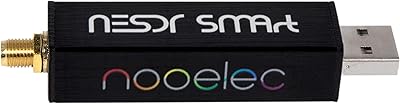
Nooelec NESDR SMArt v5 SDR Receiver
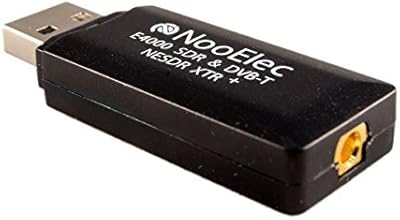
NooElec NESDR XTR+ RTL-SDR USB Stick
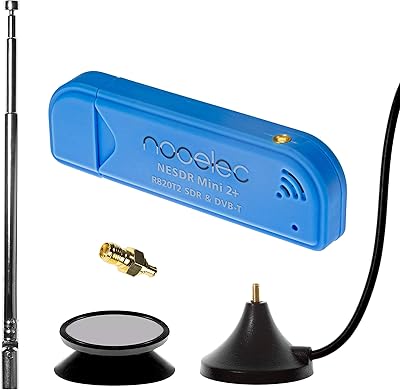
NooElec NESDR Mini 2+
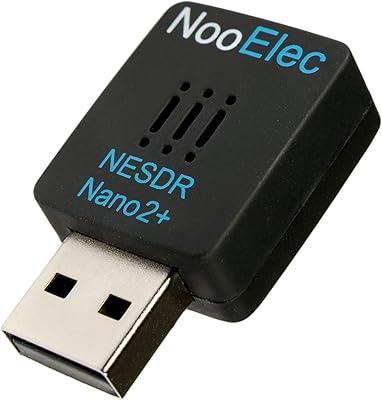
NooElec NESDR Nano 2 Plus
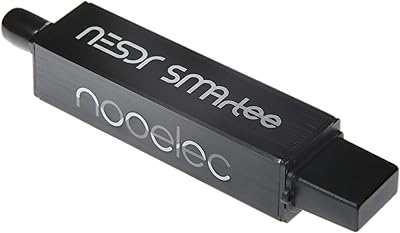
NooElec NESDR SMArTee v2 Software Defined Radio
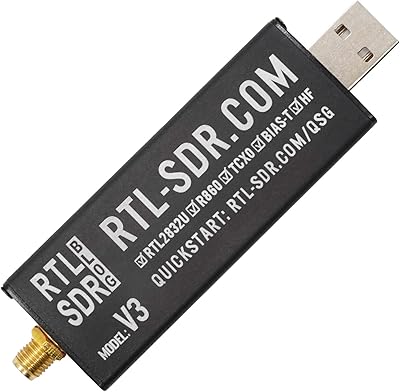
RTL-SDR Blog V3 R860 RTL2832U 1PPM TCXO SMA Software Defined Radio Dongle
DJI SDR Transmission Wireless Video System
NooElec AD9850 DDS Signal Generator Module