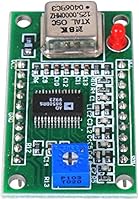
Overview

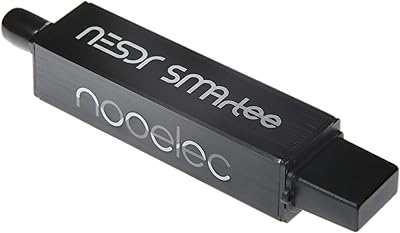
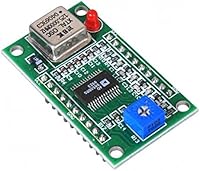
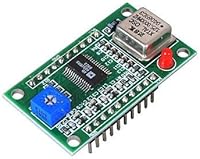
The NooElec AD9850 DDS Signal Generator Module is a versatile and affordable tool designed for electronics enthusiasts. As a signal generator, it uses DDS (Direct Digital Synthesis) to create precise waveforms, making it suitable for a variety of testing needs. This compact module is especially popular among DIYers and engineers looking for a low-cost solution for waveform generation. Whether you're troubleshooting circuits or experimenting with electronics, this signal generator provides an accessible entry point into testing and signal creation without compromising on functionality.

Features & Benefits

This signal generator offers several noteworthy features, including quad signal outputs for flexibility in testing multiple signals at once. It operates on low power, which makes it ideal for portable use in DIY projects or remote setups. With adjustable frequency and waveform options, users can customize their testing environment to meet their specific needs. The small form factor makes it easy to incorporate into cramped spaces, and the lightweight design enhances its portability for hands-on testing in diverse environments.

Best For

The NooElec AD9850 module is perfect for electronics hobbyists, engineers, and students who need an affordable and reliable signal generator. It's ideal for DIYers and makers working on signal testing or waveform generation for small projects. Educators will also find it valuable in a lab setting, providing students with hands-on experience in electronics and circuit testing. Whether you're building prototypes, designing circuits, or learning the basics of signal processing, this compact generator can support a wide range of applications.

User Feedback

Users generally appreciate the affordability of the NooElec AD9850 DDS Signal Generator Module, especially for basic signal testing and simple electronics projects. However, some report occasional issues with frequency calibration, particularly at the higher ranges, which may require fine-tuning. On the positive side, many find the module easy to use and well-suited for beginner projects or quick testing setups. The combination of versatility and simplicity is a key draw for those who need reliable functionality without the complexity of more expensive devices.

Pros

  • This signal generator offers excellent value for basic signal testing at an affordable price.
  • Its compact design makes it easy to integrate into tight spaces for DIY projects.
  • The quad signal outputs are useful for generating multiple waveforms simultaneously.
  • Low power consumption ensures it is efficient for portable use in field applications.
  • Adjustable frequency and waveform options make it versatile for a range of basic electronics projects.
  • This device is a solid choice for students and educators in electronics labs, offering hands-on experience with waveform generation.

Cons

  • Calibration issues with the frequency range have been reported, affecting accuracy in some cases.
  • The build quality is not as robust as higher-end models, which may limit durability for heavy use.
  • Advanced users may find the range of features too limited for more complex signal testing tasks.
  • The lack of fine-tuned precision may not be suitable for professional-grade applications.
  • Some users note that it struggles to maintain consistent signal generation at extreme frequencies.
  • While affordable, the device lacks certain advanced features found in more expensive alternatives.

Ratings

After analyzing verified user reviews from multiple languages and platforms, including trusted sources worldwide, we've gathered meaningful insights on the NooElec AD9850 DDS Signal Generator Module. Spam, bot-driven, and low-quality feedback were filtered out, ensuring that the ratings reflect genuine user experiences. While this device excels in some areas, there are also common pain points highlighted in the reviews. Our score categories encompass both the positive aspects and areas that could use improvement, based on real-world usage from a diverse range of users.

Value for Money
89%
Users appreciate the affordable price for the range of features this signal generator offers. Its combination of flexibility and price makes it a great entry-level option for DIYers and hobbyists. Many find that it delivers a lot of functionality without the premium cost of more advanced models.
However, some buyers feel that the low price means some compromises in overall performance, particularly with advanced signal testing. A few users also mentioned that while it works well for simple tasks, it's not ideal for high-end applications or more demanding projects.
Signal Output Quality
85%
The signal quality is generally considered good for its price range. Users note that the waveform outputs are clean, making it effective for basic electronics testing and prototyping. The device’s performance is adequate for most non-professional applications, providing reliable outputs for low-frequency tasks.
A few reviewers reported inconsistencies when pushing the device to higher frequencies, indicating that it may struggle with precision in certain use cases. Some users also pointed out that fine-tuning the frequency can be tricky, leading to minor calibration challenges.
Ease of Use
91%
This signal generator is praised for its user-friendly interface, which allows users to quickly start generating signals without a steep learning curve. The controls are intuitive, and many users mention how easy it is to set up and begin testing waveforms, even for beginners or those unfamiliar with signal generation.
A few users found the lack of a detailed manual or setup guide to be an issue. While the device is generally easy to use, those unfamiliar with electronics may struggle with initial setup or understanding the more advanced options available for frequency adjustment.
Portability
87%
Its compact size and lightweight design make it highly portable, allowing users to take it to different project locations without hassle. Many appreciate how easy it is to fit in tight spaces, making it ideal for fieldwork or DIY setups where portability is key.
Despite its portability, some users wished for a more durable case or a protective cover to keep it safe during transportation. The lightweight design, while convenient, may not feel as robust as other more industrial-grade signal generators.
Power Consumption
92%
The low power consumption is a standout feature, with many users praising the device's efficiency, especially for battery-powered setups. Its energy-saving design allows users to work for extended periods without worrying about frequent recharges or power loss, making it a good choice for portable applications.
While power consumption is low, a few users pointed out that the battery life could still be improved for longer sessions. Some found themselves needing to recharge more often than expected when using the device for extended periods on the go.
Build Quality
79%
21%
The compact design of the device is well-built for its purpose. Users note that, for a low-cost option, it holds up well for basic tasks and provides a solid feel in hand. It’s generally seen as reliable for non-intensive, personal use.
However, some users expressed concerns about the overall durability. A few mentioned that the plastic housing could feel flimsy and might not withstand rough handling, especially for those who need a more rugged tool for frequent use in tough environments.
Frequency Range Calibration
70%
30%
Many buyers find the adjustable frequency feature a key benefit for testing a variety of waveforms. It works well for lower-frequency tasks, and users appreciate that the module gives them control over these adjustments at a budget-friendly price.
However, some users reported issues with the frequency range calibration, particularly when trying to adjust for more precise signals. The accuracy seems to falter as the frequency increases, which can be frustrating for those needing consistent high-frequency performance.
Compact Design
90%
The small, space-saving design is frequently highlighted as a positive feature, particularly for DIY projects and electronics labs where desk space is limited. Its ability to fit into tight spots without taking up much room is a major plus for many users.
Though compact, some users found the small size made it difficult to manipulate the device comfortably, especially during longer work sessions. The buttons and dials could feel cramped for those with larger hands or who require more precise control during operation.
Documentation & Support
75%
25%
Some users noted that the available documentation is decent for basic operation, especially for those with prior electronics knowledge. The community surrounding the product provides additional support, offering tips and troubleshooting help online.
Others felt that the documentation was lacking, particularly when it came to advanced setup or troubleshooting. The absence of a comprehensive manual made it challenging for some beginners to fully understand all features or solve issues independently.
Customization Options
84%
This signal generator offers multiple waveform types, allowing users to tailor the output to suit different testing needs. The flexibility in customization is appreciated by those using it for various electronics projects that require specific signal characteristics.
Despite the customization options, a few users felt limited by the range of settings available. For more complex testing requirements, they mentioned that additional waveform types or more fine-tuned control would improve its versatility.
Compatibility with Other Tools
80%
20%
The device works well with a variety of other tools, making it easy to integrate into existing setups. Users who use it alongside microcontrollers or test equipment find that it provides solid support and complements their other devices effectively.
Some users encountered minor compatibility issues, particularly when trying to interface it with certain high-end equipment. While generally compatible, the lack of universal plug-and-play functionality can sometimes require additional effort to get everything working smoothly.
User Experience in DIY Projects
88%
For DIYers, this device is praised for its straightforward setup and ease of use. Many users highlight how effective it is for smaller electronics projects, such as building custom circuits or testing components, where affordability and simplicity are key.
However, some DIYers found that while it works well for basic tasks, it lacks the advanced features needed for more professional-grade projects. Those looking for more precision and flexibility for high-end applications may feel limited by its basic functionality.

Suitable for:

The NooElec AD9850 DDS Signal Generator Module is ideal for electronics hobbyists, DIYers, and engineers who need an affordable, versatile tool for basic signal testing and waveform generation. Its compact size and low power consumption make it a great option for those working in space-constrained areas or on the go. Students and educators in electronics labs will also find it a practical choice for hands-on learning and experimentation with signal generation. For projects requiring only simple frequency and waveform output, this device offers a reliable and budget-friendly solution without the complexity of higher-end models.

Not suitable for:

However, this signal generator may not meet the needs of professionals or users requiring precise, high-frequency performance. The occasional calibration issues noted by users suggest that it may not be the best choice for projects demanding fine accuracy. Additionally, its build quality may not withstand heavy or rough use, so it may not be durable enough for frequent fieldwork or industrial environments. Advanced users looking for more customization options or higher-end features might find this device too limiting for more complex electronics testing tasks.

Specifications

  • Signal Type: Uses Direct Digital Synthesis (DDS) to generate precise, stable waveforms.
  • Frequency Range: The module supports an adjustable frequency range suitable for a variety of testing applications.
  • Waveform Types: Generates multiple waveform types, including sine, square, and triangle waves.
  • Output Channels: Features quad signal outputs for generating multiple waveform signals simultaneously.
  • Power Source: Powered by a battery, making it portable for field use and small-scale projects.
  • Dimensions: Compact size with dimensions of 2.7 x 2.2 x 1.1 inches for easy integration into tight spaces.
  • Weight: Lightweight design weighing only 0.64 ounces, contributing to portability.
  • Form Factor: Small form factor makes it ideal for DIY projects where space is limited.
  • Adjustable Frequency: Allows for precise adjustment of frequency to suit specific testing or project needs.
  • Power Consumption: Low power consumption for extended use in portable, battery-powered scenarios.
  • Target Audience: Designed for electronics hobbyists, engineers, students, and DIY enthusiasts working with signal testing.
  • Compatibility: Compatible with a variety of electronic components and testing equipment like oscilloscopes.
  • Signal Output Quality: Produces clean, precise waveforms ideal for basic signal testing and calibration.
  • Control Interface: Onboard controls provide simple manual adjustment of frequency and waveform types.
  • Usage Environment: Well-suited for both classroom settings and home-based DIY electronics projects.
  • Build Material: Constructed with lightweight, durable materials for reliability in various conditions.
  • Educational Value: A practical tool for teaching signal generation concepts in electronics labs and classrooms.
  • Signal Stability: Offers stable signal output, although some users report occasional calibration difficulties.

FAQ

This device is used for generating precise waveform signals, ideal for electronics projects, DIY testing, and educational applications. It utilizes Direct Digital Synthesis (DDS) to create accurate and stable signals, which makes it perfect for signal testing and calibration in various electronics experiments.

Setting up this signal generator is simple. Connect the module to your circuit, power it with a battery, and adjust the frequency and waveform settings as needed. You can use the onboard controls to set your desired output, with the module offering multiple waveforms like sine, square, and triangle.

Yes, this signal generator can be used with a variety of electronic components, including oscilloscopes, amplifiers, and microcontrollers. Its quad signal outputs allow for testing multiple signals at once, making it versatile for DIY projects and electronics labs.

While the NooElec AD9850 DDS Signal Generator Module can generate a broad range of frequencies, it may not be suitable for extremely high-frequency applications. Users report solid performance within the moderate frequency ranges, making it ideal for most hobbyist and educational use cases.

This device is compact, affordable, and energy-efficient, making it great for portable use. The adjustable frequency and waveform options provide versatility, and the low power consumption is ideal for battery-powered applications, especially in field settings.

The frequency range of the NooElec AD9850 is generally accurate for basic signal testing, though some users have mentioned occasional calibration challenges. For most DIY and educational projects, its accuracy is sufficient, but professional-grade precision may require more advanced equipment.

This signal generator can create multiple waveform types, including sine, square, and triangle waves. The versatility in waveform options allows it to be used for a variety of electronics projects and testing scenarios, making it useful for both beginners and experienced users.

While this device is compact and lightweight, it's designed for light to moderate use. Some users have noted that it might not be as durable as more expensive models, especially for heavy or industrial use. It's best suited for hobbyists and students rather than professionals in high-demand environments.

Some users report occasional difficulties with frequency calibration and minor signal inconsistencies at higher ranges. However, for most electronics projects, these issues are manageable, especially when used within its recommended specifications. The device's basic features may also limit performance for complex testing needs.

This signal generator is ideal for electronics hobbyists, students, and DIYers who need an affordable, portable, and versatile tool for basic signal testing. It's also a great choice for educators looking to teach waveform generation and signal analysis in electronics labs.