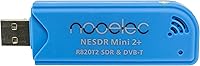
NooElec NESDR Mini 2+
Overview
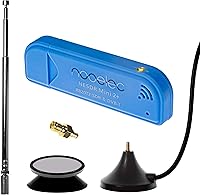
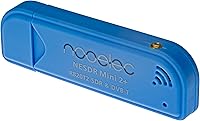
The NooElec NESDR Mini 2+ is a compact USB dongle that opens up the world of software defined radio for hobbyists, students, and anyone curious about what is floating around in the radio spectrum. RTL-SDR, for the uninitiated, means your computer takes over the signal processing work that once required dedicated hardware — plug this into a USB port, fire up free software, and you can tune into everything from FM stations to aircraft transponders. The key differentiator here is the TCXO oscillator, which locks frequencies with far greater precision than the cheap crystals found in no-name alternatives. The kit includes an antenna, magnetic mount, and adapter, so you can get started without hunting for parts — though expect a genuine learning curve before anything meaningful comes through.
Features & Benefits
At the heart of this RTL-SDR dongle is the R820T2 tuner chip, a meaningful step up from the older R820T in sensitivity and noise performance. Paired with the RTL2832U demodulator and a redesigned power supply featuring a shielded inductor, it produces a noticeably cleaner signal than similarly priced competitors. The 0.5 PPM TCXO keeps your frequency locked accurately even as temperature shifts — something that matters when decoding narrow-band transmissions. An included MCX-to-SMA adapter means you can swap in a better antenna immediately, and the magnetic mount is a genuinely practical addition. The whole thing runs bus-powered over USB with no proprietary drivers required, working reliably across Windows, macOS, and Linux.
Best For
This SDR receiver earns its strongest marks from aviation hobbyists using it for ADS-B tracking — pulling live aircraft positions off 1090 MHz is genuinely satisfying once configured, and the Mini 2+ handles it reliably. Amateur radio operators and shortwave enthusiasts exploring software-based scanning for the first time will find the entry cost reasonable for what they get. Weather satellite fans decoding NOAA or Meteor-M passes benefit noticeably from the improved frequency stability. Developers building RF-aware projects on a tight budget have widely adopted it too. That said, if you are expecting a consumer-grade plug-and-go device, look elsewhere. This rewards curiosity and patience, not impatience.
User Feedback
Users consistently praise the Linux compatibility and out-of-the-box frequency accuracy, with value-for-money sentiment running high across the board. Nooelec's reputation for actually responding to support questions — something that genuinely sets them apart from faceless resellers — comes up often in positive reviews. The recurring criticism is the stock antenna: it functions, but most buyers replace it within weeks, typically upgrading to a purpose-built ADS-B or discone antenna. Some users note the dongle runs warm during extended sessions, though this rarely causes real problems. The consistent sticking point for newcomers is software configuration — getting SDR# or GQRX running smoothly takes patience, so going in with realistic expectations makes the whole experience considerably less frustrating.
Pros
- TCXO oscillator delivers genuine frequency stability that noticeably outperforms cheaper crystal-based alternatives
- R820T2 tuner chip provides cleaner, more sensitive signal reception than its older R820T predecessor
- Included magnetic antenna mount and SMA adapter mean you can start experimenting immediately after unboxing
- Works reliably across Windows, macOS, and Linux with strong community support on all three platforms
- Nooelec offers real, technically informed customer support — a meaningful advantage over anonymous budget resellers
- Excellent value for ADS-B aircraft tracking when paired with a dedicated external antenna
- Low-noise power supply design reduces interference that would otherwise compromise weak signal reception
- Compact USB form factor makes it easy to use with laptops or single-board computers like the Raspberry Pi
- Large, mature open-source software ecosystem means tutorials and troubleshooting resources are widely available
- Versatile frequency coverage supports FM radio, aviation bands, weather satellites, and general scanning from one device
Cons
- Stock antenna is widely considered inadequate for serious use — budget for an upgrade from the start
- SDR software configuration has a steep learning curve that catches many first-time buyers off guard
- Runs noticeably hot during extended continuous operation, which matters for always-on ADS-B feeder setups
- No guided setup experience included — new users must rely entirely on community forums and third-party documentation
- macOS users, particularly on newer Apple Silicon hardware, may face extra driver configuration hurdles
- HF and shortwave reception below 24 MHz requires additional software workarounds and delivers limited performance
- Short USB form factor can result in awkward positioning depending on available port placement on your machine
- Beginners who underestimate the software side often leave negative reviews that reflect unmet expectations, not hardware failure
Ratings
The NooElec NESDR Mini 2+ has been put through its paces by a wide range of buyers — from first-time SDR hobbyists to seasoned amateur radio operators — and our AI-driven scoring system has analyzed thousands of verified global reviews, actively filtering out incentivized, bot-generated, and duplicate submissions to surface what real users actually experience. Scores reflect an honest synthesis of both enthusiastic praise and recurring frustrations, so you get the full picture before committing.
Frequency Accuracy & Stability
Value for Money
Signal Reception Quality
Stock Antenna Quality
Ease of Setup
Build Quality & Durability
Thermal Performance
Cross-Platform Compatibility
Driver & Software Ecosystem
Included Accessories
ADS-B Performance
Brand Trust & Customer Support
Portability & Form Factor
Frequency Range Coverage
Suitable for:
The NooElec NESDR Mini 2+ is a natural fit for anyone who wants to explore the radio frequency spectrum without spending serious money on dedicated hardware. Aviation hobbyists will get the most immediate satisfaction — plug it into a Raspberry Pi or laptop, pair it with a proper ADS-B antenna, and you are tracking live aircraft overhead within an afternoon. Weather satellite enthusiasts decoding NOAA or Meteor-M imagery will appreciate the TCXO stability, since those signals demand accurate frequency lock that cheaper dongles simply cannot maintain. Amateur radio operators curious about software-defined radio as a complement to their existing setup will find the Mini 2+ a low-risk entry point that punches well above its price. Students, educators, and makers building RF-aware projects also land squarely in the sweet spot — the cross-platform support and mature open-source software ecosystem mean you spend time learning radio, not fighting compatibility problems.
Not suitable for:
If you are expecting to unbox this, plug it in, and immediately have a polished consumer experience, this SDR receiver will frustrate you. The hardware is only half the equation — getting software like SDR#, GQRX, or SDR++ configured correctly requires patience, some willingness to read documentation, and tolerance for occasional troubleshooting. Buyers who want dedicated shortwave or HF reception below 24 MHz will also find the experience underwhelming without additional setup steps, and even then the performance in that range is limited compared to purpose-built HF receivers. Anyone expecting the stock antenna to deliver serious range for ADS-B or satellite work will likely be disappointed quickly — it is a starting point, not a long-term solution. Users who need a rock-solid 24/7 always-on deployment in a warm environment should also factor in thermal management, as extended continuous operation can push this RTL-SDR dongle into uncomfortable temperature territory without some passive cooling consideration.
Specifications
- Tuner Chip: Uses the R820T2 tuner, an improved revision over the original R820T with better sensitivity and lower noise characteristics across its supported frequency range.
- Demodulator: Built around the RTL2832U demodulator chip, the industry-standard component that makes RTL-SDR receivers compatible with the broad open-source SDR software ecosystem.
- Frequency Stability: Equipped with a 0.5 PPM temperature-compensated crystal oscillator (TCXO), providing significantly more accurate and stable frequency reference than standard crystal oscillators found in cheaper alternatives.
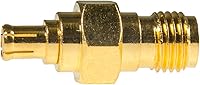
- Connector Type: The dongle uses an MCX RF connector, and a male MCX to female SMA adapter is included in the box for compatibility with the wider range of SMA-threaded antennas.
- Dimensions: The unit measures 5.51″ x 1.97″ x 1.18″, making it a compact form-factor device comparable in size to a standard USB flash drive.
- Weight: The complete unit weighs 2.46 ounces, light enough to use directly in a USB port without putting strain on the connector.
- Power Source: Powered entirely over USB bus power with no external power supply required, drawing current directly from the host device's USB port.
- RF Power Supply: Features a redesigned 3.3V RF power supply circuit with approximately one-tenth the noise of standard SDR designs, along with a shielded power inductor for improved EMI rejection.
- OS Compatibility: Fully compatible with Windows, macOS, and Linux, and works with popular single-board computers including the Raspberry Pi running Linux-based operating systems.
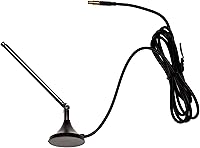
- Antenna Mount: A magnetic base antenna mount is included as standard, designed to attach securely to any ferrous metal surface such as a PC case or metal shelf bracket.
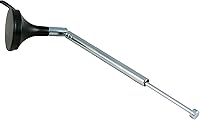
- Included Accessories: The kit includes the RTL-SDR dongle, a small whip antenna, a magnetic antenna mount, and a male MCX to female SMA adapter.
- Use Cases: Designed for ADS-B aircraft tracking, FM and AM broadcast reception, weather satellite decoding (NOAA, Meteor-M), general spectrum scanning, and amateur RF development projects.
- Frequency Range: The R820T2 tuner supports reception approximately from 24 MHz up to 1766 MHz, covering a wide swath of the usable radio spectrum in a single device.
- Form Factor: Compact USB dongle design intended for direct connection to a standard Type-A USB port on a laptop, desktop, or compatible single-board computer.
- Manufacturer: Designed and sold by Nooelec, a Canadian electronics company specializing in software-defined radio hardware with a long-standing presence in the RTL-SDR hobbyist community.
- Model Number: The official model designation is NESDR Mini 2+, distinguishing it from earlier NESDR Mini variants with the upgraded TCXO and revised power supply design.
Related Reviews
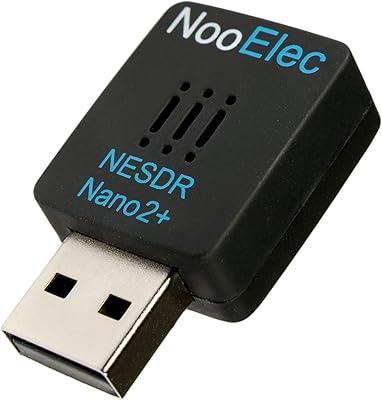
NooElec NESDR Nano 2 Plus
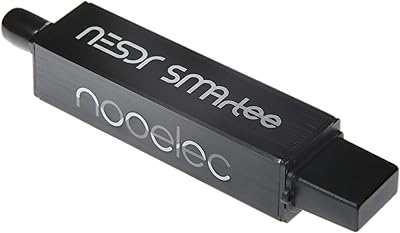
NooElec NESDR SMArTee v2 Software Defined Radio
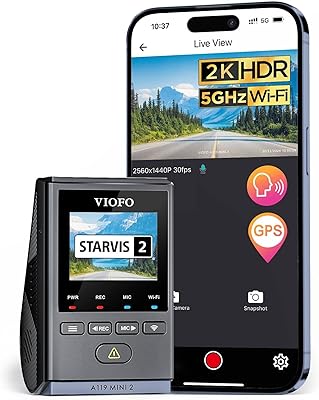
VIOFO A119 Mini 2
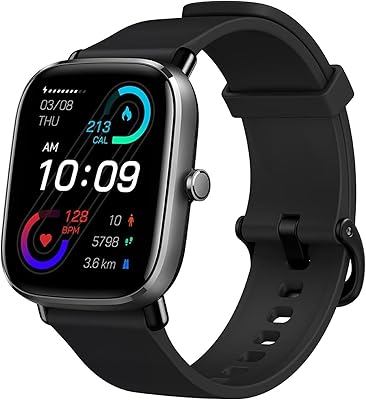
Amazfit GTS 2 Mini Smartwatch
ClearClick Video to Digital Converter 2.0 Mini
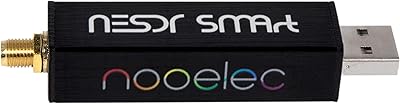
Nooelec NESDR SMArt v5 SDR Receiver
Harman Kardon Go+Play Mini 2 Bluetooth Speaker
Canon IVY 2 Mini Photo Printer
Fujifilm Instax Mini Link 2 Smartphone Printer