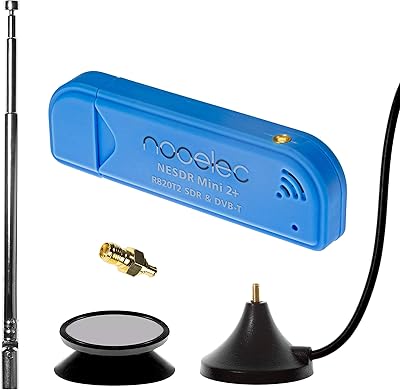
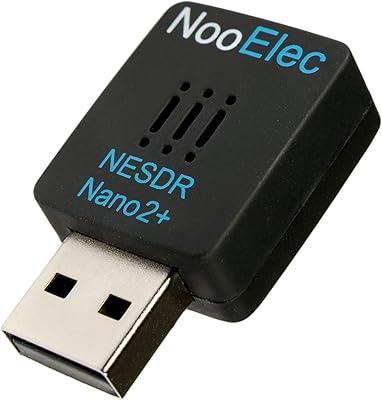
RTL-SDR Blog V3 R860 RTL2832U 1PPM TCXO SMA Software Defined Radio Dongle
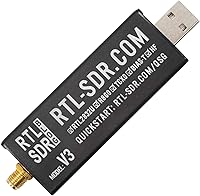
RTL-SDR Blog V3 R860 RTL2832U 1PPM TCXO SMA Software Defined Radio Dongle — image 1
RTL-SDR Blog V3 R860 RTL2832U 1PPM TCXO SMA Software Defined Radio Dongle — image 2
RTL-SDR Blog V3 R860 RTL2832U 1PPM TCXO SMA Software Defined Radio Dongle — image 3
RTL-SDR Blog V3 R860 RTL2832U 1PPM TCXO SMA Software Defined Radio Dongle — image 4
RTL-SDR Blog V3 R860 RTL2832U 1PPM TCXO SMA Software Defined Radio Dongle — image 5
RTL-SDR Blog V3 R860 RTL2832U 1PPM TCXO SMA Software Defined Radio Dongle — image 6
RTL-SDR Blog V3 R860 RTL2832U 1PPM TCXO SMA Software Defined Radio Dongle — image 7
85%

Overview

The RTL-SDR Blog V3 R860 RTL2832U 1PPM TCXO SMA Software Defined Radio Dongle is a compact and versatile tool designed for those looking to explore the world of software-defined radio. This SDR dongle offers a wide frequency range from 500 kHz to 1.7 GHz, making it suitable for both low and high-frequency reception. With its RTL2832U chipset and R860 tuner, it ensures high-quality signal processing. As a result, this SDR device serves as an accessible option for anyone seeking to experiment with radio technology without needing bulky, expensive equipment.

Features & Benefits

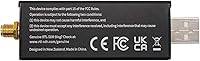
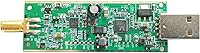
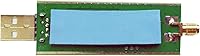
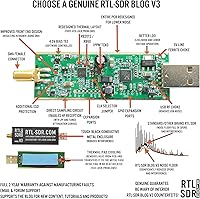
This SDR dongle comes with a range of features that enhance its performance and usability. The 1 PPM TCXO oscillator improves accuracy, ensuring reliable signal reception even in challenging conditions. Additionally, the SMA F connector offers better compatibility with a wide variety of antennas, allowing for optimal signal strength. The aluminum shielded case provides passive cooling and helps protect the device from potential interference, ensuring durability and stability. Whether you’re listening to FM radio or experimenting with shortwave bands, this SDR device delivers great results.

Best For

This RTL-SDR device is ideal for a broad range of users. It’s perfect for amateur radio enthusiasts and hobbyists who are exploring the possibilities of software-defined radio (SDR) technology. Additionally, it serves those who need a reliable tool for shortwave, FM, and broadcast radio listening. Tech-savvy individuals or tinkerers will appreciate the device’s flexibility, as it allows users to experiment with various SDR software and fine-tune their setups. It’s also a good fit for anyone seeking an affordable entry point into the world of SDR.

User Feedback

Users consistently praise this SDR dongle for its affordability and ease of setup. Many find it straightforward to get started with the included software, making it a great choice for beginners. The reception quality across its wide frequency range has also earned positive feedback, with users reporting strong signal clarity. However, some users note that performance can drop below 24 MHz in direct sampling mode, so those looking to explore very low frequencies may encounter limitations. Overall, the device is well-regarded for its versatility and value.

Pros

  • This SDR dongle offers an excellent balance of performance and affordability, making it accessible for beginners.
  • Setup is quick and easy, with user-friendly software that helps even those with minimal experience get started.
  • Wide frequency range (500 kHz to 1.7 GHz) is perfect for exploring both low and high-frequency radio bands.
  • The 1 PPM TCXO oscillator significantly improves accuracy, making this device reliable for most SDR applications.
  • The compact design makes it portable and ideal for on-the-go experimentation and field use.
  • The SMA F connector provides better antenna compatibility, ensuring solid signal reception and range.

Cons

  • Performance can drop below 24 MHz when using direct sampling mode, limiting its use for certain low-frequency applications.
  • The aluminum case, while providing cooling, may not offer the durability some users expect for heavy-duty use.
  • Some users noted that signal quality might degrade under poor antenna conditions or in challenging environments.
  • It may not be powerful enough for professional-grade radio setups or advanced SDR tasks that demand high precision.
  • The compact form factor can make it prone to cosmetic damage if not handled carefully, especially in tight spaces.
  • Users with limited technical experience may face challenges in optimizing the software for specific radio signals.

Ratings

The RTL-SDR Blog V3 R860 RTL2832U 1PPM TCXO SMA Software Defined Radio Dongle has received mixed yet generally positive feedback from users across various platforms and languages worldwide. After analyzing verified reviews, we considered factors such as performance, setup ease, and overall value. Both strengths and pain points have been reflected in these ratings, with feedback from real users, excluding spam, bot, or incentivized reviews, ensuring an authentic overview of this SDR device's performance.

Performance
85%
Users are generally pleased with the solid performance of this SDR dongle, especially when it comes to receiving signals across a wide frequency range. Many find that it handles both low and high-frequency bands well, offering flexibility for various uses like radio listening and experimentation with SDR software.
However, some users report that performance can degrade below 24 MHz when using the direct sampling mode. While this isn't a major issue for most, it may limit its usefulness for certain applications, especially those focused on very low frequencies.
Signal Quality
88%
The signal quality is widely praised, with users consistently mentioning the device's ability to provide clear, stable reception across a broad spectrum. Thanks to its RTL2832U chipset and R860 tuner, it delivers impressive signal processing, making it a reliable tool for radio hobbyists.
A few users note that the signal can occasionally be impacted by interference, especially when using lower-cost antennas. While it works well in many conditions, some feel the need to invest in higher-quality antennas for optimal reception.
Ease of Setup
90%
Many users highlight how easy it is to set up this SDR dongle, particularly for beginners. The installation process is straightforward, and with user-friendly software, even those new to SDR technology can get started quickly and without frustration.
Despite the ease of setup, a few users have encountered compatibility issues with certain operating systems or SDR software versions. Although these issues are not widespread, they can create initial hurdles for some users trying to get the device up and running.
Build Quality
84%
The build quality of this SDR device is generally solid, with many users appreciating its compact, sturdy design. The aluminum shielded case helps with passive cooling, keeping the device functional even during long hours of use.
However, some users report that the compact form factor can make the device feel a bit flimsy under certain conditions, particularly when handling or connecting to external components like antennas. While it's durable enough for most casual users, it's not immune to wear and tear over time.
Accuracy (TCXO)
92%
The 1 PPM temperature-compensated oscillator (TCXO) stands out as a major strength of this SDR dongle, providing exceptional accuracy for signal reception. Many users commend the improved performance this brings, especially for those involved in more precise SDR applications.
A few users feel that the TCXO might not make a significant difference for basic SDR uses, such as casual radio listening. While it enhances accuracy for specific tasks, its impact may be less noticeable for newcomers or casual users.
Durability
80%
20%
The aluminum shielded case contributes to the durability of this device, helping it resist wear and tear over time. It also prevents overheating during extended use, which is a common concern with smaller electronic devices.
However, some buyers have reported that the device's compact nature can make it prone to scratches and minor cosmetic damage, especially if not handled carefully. While functional, it may not be the most rugged option for users expecting heavy-duty durability.
Antenna Compatibility
87%
Users appreciate the versatile SMA F connector, which ensures better compatibility with a wide range of antennas. This feature makes it easier to enhance the device's signal quality by connecting it to high-performance antennas.
However, a few users have noted that some antennas, particularly lower-quality ones, may not provide optimal signal strength. Upgrading the antenna may be necessary for users seeking the best possible performance, adding an extra cost for some.
Software Installation
89%
The software installation process is simple, with many users highlighting how intuitive and user-friendly the included SDR software is. It works well with a variety of platforms, making it an accessible choice for those new to SDR technology.
A small number of users have mentioned that certain software packages may not immediately work with specific operating systems or configurations. This can lead to a bit of trial and error, especially if you're using less common setups.
Versatility (Frequency Range)
86%
The broad frequency range of 500 kHz to 1.7 GHz offers great versatility, allowing users to explore a wide variety of radio bands. This flexibility is appreciated by hobbyists and experimenters alike who want to explore both low and high-frequency signals.
Despite the wide frequency range, some users feel that performance can be less than ideal at the extremes of the frequency range, particularly at lower frequencies below 24 MHz. This can limit the device's effectiveness for certain niche applications.
Direct Sampling Mode
70%
30%
Direct sampling mode offers an interesting feature for SDR enthusiasts who want to explore more technical aspects of signal reception. It's a unique option that adds a layer of flexibility to the device for advanced users.
Unfortunately, performance in direct sampling mode has been reported as less than stellar, particularly below 24 MHz. This mode can lead to degraded signal quality, which is a significant drawback for users who require reliable low-frequency reception.
Customer Support
77%
23%
Customer support has been noted as generally helpful, with many users stating that the support team is responsive and knowledgeable. For those needing assistance, the support team is a valuable resource.
However, a few users have found the response time to be slower than expected, particularly when troubleshooting more complex issues. While most inquiries are handled well, some users have expressed frustration with delays in receiving support.
Price to Value Ratio
91%
At its price point, this SDR dongle offers excellent value, with a solid set of features and reliable performance. Many users find it to be a cost-effective solution for those looking to experiment with SDR technology without breaking the bank.
A few users feel that the low price comes at the expense of certain premium features. While the device is great for casual use, it may lack some of the higher-end features found in more expensive SDR devices, which may be a concern for professionals or serious hobbyists.

Suitable for:

The RTL-SDR Blog V3 R860 RTL2832U 1PPM TCXO SMA Software Defined Radio Dongle is ideal for amateur radio enthusiasts and hobbyists who want an affordable and versatile way to explore radio signals. Its broad frequency range of 500 kHz to 1.7 GHz makes it a great choice for those interested in both low and high-frequency bands, including shortwave and FM radio. Beginners will appreciate its easy setup and user-friendly software, which helps them get started quickly without technical headaches. Additionally, tech-savvy users looking to experiment with software-defined radio (SDR) will find this device useful for hands-on learning and tinkering with radio signals in a wide array of applications.

Not suitable for:

While this SDR dongle is great for many users, it may not be the best choice for professionals or those needing high-performance low-frequency reception. Some users have reported that performance drops below 24 MHz when using direct sampling mode, which can limit its utility for more specialized applications. Additionally, those who require rugged, heavy-duty equipment may find this device's build quality less durable for long-term, frequent use, as the compact form factor can make it prone to scratches and cosmetic damage. Users expecting flawless, top-tier accuracy in all conditions may also be disappointed, as the device’s TCXO oscillator, while effective, might not meet the demands of the most precise radio operations.

Specifications

  • Frequency Range: Supports reception from 500 kHz to 1.7 GHz, covering a broad spectrum for various radio signals.
  • Chipset: Equipped with the RTL2832U chipset for effective signal processing and decoding.
  • Tuner: Uses the R860 tuner for high-quality tuning across its wide frequency range.
  • Oscillator: 1 PPM temperature-compensated crystal oscillator (TCXO) for enhanced frequency accuracy and stability.
  • Connector Type: Features an SMA F connector for better antenna compatibility and improved signal reception.
  • Cooling: Constructed with an aluminum shielded case that provides passive cooling and improves durability.
  • Bias Tee: Includes an activatable bias tee for powering active antennas, ensuring versatility in antenna use.
  • Bandwidth: Supports a bandwidth of up to 3.2 MHz, with stable performance up to 2.4 MHz for reliable signal capture.
  • Size: Compact dongle form factor, making it highly portable and easy to carry.
  • Weight: Weighs only 1.13 oz, contributing to its lightweight design, ideal for mobile or portable use.
  • Compatibility: Compatible with major SDR software packages like SDR#, HDSDR, and GQRX on Windows, Linux, and macOS.
  • Power Supply: Powered through the USB port, requiring no external power supply for operation.
  • Software Support: Works with open-source SDR software, giving users flexibility in controlling and analyzing signals.
  • Signal Reception: Provides excellent signal quality across both low and high frequencies for various applications.
  • Durability: The aluminum case offers passive cooling while enhancing the device's durability for regular use.
  • Direct Sampling Mode: Performance may decrease below 24 MHz when using direct sampling mode, limiting certain low-frequency applications.
  • Antenna Compatibility: Compatible with a variety of antennas, especially those with SMA F connectors, ensuring flexibility.
  • Temperature Tolerance: The TCXO oscillator compensates for temperature variations, maintaining stable performance across different environments.

FAQ

Setting up this SDR dongle is straightforward. First, install the necessary drivers and SDR software (such as SDR# or HDSDR) on your computer. Then, connect the dongle to a USB port and attach an antenna using the SMA F connector. After that, launch the software, select the RTL-SDR device, and start scanning radio frequencies.

This device supports a broad frequency range from 500 kHz to 1.7 GHz, allowing you to capture a wide array of signals from low-frequency transmissions to high-frequency broadcasts, making it versatile for many radio listening applications.

Yes, you can use this SDR dongle to listen to both AM and FM radio broadcasts. Its wide frequency range and high-quality signal processing make it suitable for listening to shortwave, AM, FM, and even higher frequency broadcasts.

The RTL-SDR Blog V3 works with Windows, Linux, and macOS, though compatibility may depend on the software you're using. Common SDR applications like SDR# or HDSDR are supported across these platforms, but make sure to check for the latest drivers and updates for your specific OS.

The 1 PPM temperature-compensated crystal oscillator (TCXO) improves the accuracy and stability of frequency reception. This is especially important for applications where precise frequency control is required, as it compensates for temperature-induced frequency drift, ensuring stable performance even in varying conditions.

This SDR dongle features an SMA F connector, making it compatible with a variety of antennas. You can use standard antennas for AM/FM reception or more specialized antennas for higher-frequency signals, such as shortwave or even satellite signals, depending on your specific needs.

The device is highly portable due to its compact dongle form factor. Weighing just 1.13 oz, it's easy to carry for fieldwork or travel, making it a great option for amateur radio enthusiasts who need a lightweight, portable SDR solution.

Some users report that performance can be reduced below 24 MHz when using direct sampling mode, which limits its use for certain low-frequency applications. However, for most general SDR tasks, the device performs well across its broad frequency range.

This device works well with several popular SDR software packages like SDR#, HDSDR, and GQRX. These programs provide various features for signal scanning, decoding, and analysis. Ensure that you install the latest drivers for optimal software compatibility.

The aluminum shielded case provides some durability and passive cooling, but the device is not designed for rugged, heavy-duty use. If you're planning to use it in demanding environments or for field work, consider extra protection or a case to prevent physical damage.