NooElec NESDR SMArTee v2 Software Defined Radio
Overview
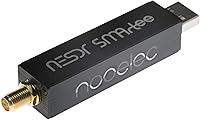
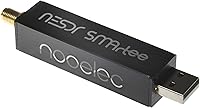
The NooElec NESDR SMArTee v2 Software Defined Radio is a compact USB dongle that opens up the world of software defined radio without demanding professional-grade budgets or deep technical expertise. What separates it from the flood of cheap RTL-SDR sticks is a combination of thoughtful engineering: an aluminum enclosure that dissipates heat better than bare boards, a refined PCB that cuts interference, and a built-in bias tee that most competing units at this tier simply don't offer. Designed in North America and backed by a two-year warranty, it carries more confidence than the typical anonymous dongle. That said, manage expectations: this is capable hobbyist hardware, not laboratory-grade test equipment.
Features & Benefits
The headline feature is the TCXO oscillator, rated at 0.5PPM — which in plain terms means the dongle has a very stable internal clock that keeps it tuned precisely even as temperature changes. Standard dongles often drift visibly during a session; this one holds its lock far more reliably. Equally useful is the always-on 4.5V bias tee, which pushes power through the antenna port to feed active antennas or external low-noise amplifiers — no software toggle, no extra wiring. The redesigned PCB reportedly brings about a 3dB drop in the noise floor, a modest but real improvement that starts to matter when you're pulling in distant or weak signals.
Best For
This RTL-SDR dongle earns its place on the desk of anyone seriously chasing radio signals for fun. ADS-B aircraft tracking is arguably the most popular entry point — pair it with dump1090 and you're pulling live flight data off the air within minutes. Weather satellite hobbyists decoding NOAA or Meteor-M2 imagery will appreciate the stable, accurate tuning. Ham radio operators exploring WSPR or spectrum monitoring benefit from the tighter frequency precision. Raspberry Pi builders will immediately notice the slim profile, which keeps neighboring USB ports clear without messy extension cables. If you already own a basic dongle and want a genuine step up, this NooElec receiver makes a compelling case.
User Feedback
Owners of the SMArTee v2 tend to be straightforward about what they like, and the praise clusters around a few consistent themes. Frequency accuracy out of the box is mentioned repeatedly — users appreciate not having to manually correct drift mid-session. Build quality earns similar attention, with the metal enclosure drawing favorable comparisons to the flimsy shells of no-name alternatives. The friction points are practical rather than performance-related. Windows beginners occasionally hit a roadblock when installing unsigned drivers, which takes a few extra steps to resolve. And if your current antenna uses an MCX connector, plan for an SMA adapter — a small but common gotcha that catches first-timers off guard.
Pros
- The 0.5PPM TCXO keeps frequency stable across temperature changes, reducing drift during long sessions.
- An always-on bias tee powers active antennas and LNAs through the coax with zero software configuration needed.
- The aluminum enclosure feels solid and dissipates heat better than the plastic shells on generic alternatives.
- Slim form factor keeps neighboring USB ports free, a real convenience on Raspberry Pi and compact setups.
- Broad software compatibility means this RTL-SDR dongle works out of the box with SDR#, GQRX, dump1090, and more.
- The redesigned PCB delivers a meaningful reduction in background noise compared to previous-generation boards.
- A two-year warranty backs the hardware with more confidence than most no-name SDR sticks offer.
- The 250mA bias tee output handles the majority of active antennas and external amplifiers without issue.
- Frequency accuracy is consistently praised by owners for being reliable right out of the box.
Cons
- Windows beginners may need to install unsigned drivers, which requires extra steps that are not always well-documented.
- The SMA connector requires a separate adapter for users coming from MCX-based antenna setups.
- No transmit capability — this is a receive-only device, full stop.
- The noise floor and accuracy improvements, while real, are manufacturer-reported figures and may vary in practice.
- Linux and macOS users tend to have a smoother setup experience, leaving Windows users at a relative disadvantage.
- Active antenna or LNA power is fixed at 4.5V with no adjustment, which may not suit every external accessory.
- The SMArTee v2 is overkill if your only goal is casual broadcast FM or simple AM listening with no amplified antenna.
- No bundled antenna is included, so newcomers will need to source or purchase one separately to get started.
Ratings
Our AI scoring system analyzed thousands of verified global buyer reviews for the NooElec NESDR SMArTee v2 Software Defined Radio, actively filtering out incentivized, bot-generated, and duplicate feedback to surface what real hobbyists actually experience. The scores below reflect both where this RTL-SDR dongle genuinely excels and where it falls short, giving you an honest, balanced picture before you commit.
Frequency Accuracy
Bias Tee Implementation
Build Quality
Software Compatibility
Noise Performance
Form Factor & Port Clearance
Connector Quality
Thermal Management
Windows Driver Setup
Antenna Ecosystem
Warranty & Support
Out-of-Box Experience
Frequency Range Coverage
Long-Term Reliability
Suitable for:
The NooElec NESDR SMArTee v2 Software Defined Radio is built for hobbyists who want more than a bare-bones entry-level dongle but aren't ready to invest in dedicated professional receivers. It hits a sweet spot for aviation enthusiasts running ADS-B setups with tools like dump1090, where stable, drift-free tuning makes a tangible difference in how cleanly aircraft positions are decoded. Weather satellite chasers decoding NOAA or Meteor-M2 passes will appreciate the tighter frequency accuracy, since those signals leave little margin for a wandering oscillator. The always-on bias tee is a particular draw for anyone running an external low-noise amplifier or active antenna, since it delivers power through the coax without requiring any software configuration. Raspberry Pi builders running headless SDR stations will also find the slim profile genuinely useful, as it sits cleanly alongside other USB devices without blocking neighboring ports.
Not suitable for:
Buyers expecting professional-grade signal analysis or laboratory-level measurement accuracy should look elsewhere — the NooElec NESDR SMArTee v2 Software Defined Radio is engineered for hobbyist applications, and its specifications reflect that. Anyone who needs transmit capability will be immediately disappointed, as this is a receive-only device with no transmission support whatsoever. Users on Windows who are not comfortable navigating driver installation, including the occasional need to work with unsigned drivers, may find the initial setup more frustrating than expected. Those already invested in an MCX-antenna ecosystem will need to budget for an SMA adapter, which adds a small but real friction point to getting started. If your primary use case is casual FM radio listening with no interest in active antennas, bias tees, or precision tuning, a simpler and cheaper dongle would serve just as well.
Specifications
- Tuner Chip: Uses the R820T2 tuner, a widely supported and well-regarded chip across the RTL-SDR software ecosystem.
- Demodulator: Built around the RTL2832U demodulator, which handles USB data transfer and signal processing for the host device.
- Oscillator: A temperature-compensated crystal oscillator (TCXO) rated at 0.5PPM tolerance ensures stable frequency accuracy even as operating temperature changes.
- Bias Tee: Always-on 4.5V bias tee with an independent low-noise power supply delivers up to 250mA to power active antennas or external amplifiers through the coax line.
- Connector: SMA female input connector provides a secure, standardized antenna connection compatible with a wide range of aftermarket antennas and adapters.
- Enclosure: Machined aluminum housing improves heat dissipation and shielding compared to plastic enclosures found on generic dongles.
- Interface: Connects to host devices via USB, compatible with laptops, desktops, tablets, and single-board computers such as the Raspberry Pi.
- Dimensions: Measures 3.54 x 0.39 x 0.39 inches, keeping the dongle slim enough to avoid blocking adjacent USB ports.
- Weight: Weighs 0.81 ounces, making it lightweight and practical for portable or embedded deployments.
- Noise Floor: Redesigned PCB layout delivers approximately 3dB lower noise than previous-generation NESDR SMArt boards, per manufacturer testing.
- Software Support: Compatible with major SDR applications including SDR#, GQRX, dump1090, GNU Radio, and most other RTL-SDR-compatible software platforms.
- Warranty: Backed by a two-year manufacturer warranty from NooElec, which is notably longer than most competing RTL-SDR products in this category.
- Design Origin: Designed and manufactured by NooElec in North America, with quality control handled internally rather than outsourced to third parties.
- Bias Tee Power: The bias tee circuit operates on an independent ultra-low-noise power rail, isolated from the main signal path to minimize interference.
- Receive Only: This is a receive-only device with no transmit capability, intended solely for monitoring and decoding radio signals across supported frequencies.
Related Reviews
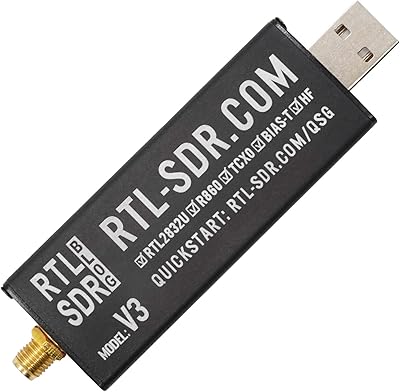
RTL-SDR Blog V3 R860 RTL2832U 1PPM TCXO SMA Software Defined Radio Dongle
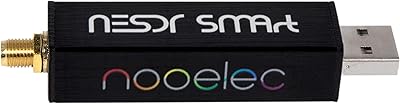
Nooelec NESDR SMArt v5 SDR Receiver
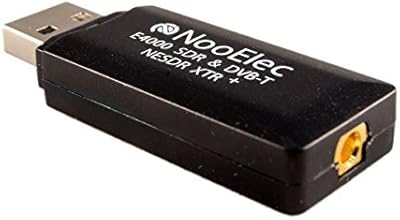
NooElec NESDR XTR+ RTL-SDR USB Stick
BTECH GMRS-V2 5W 200-Channel GMRS Radio
NooElec NESDR Mini 2+
NooElec NESDR Nano 2 Plus
BAOFENG K5 Plus Handheld Ham Radio
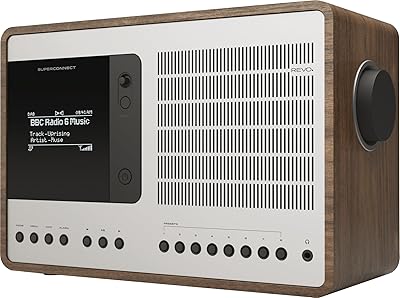
Revo SuperConnect DAB Internet Radio
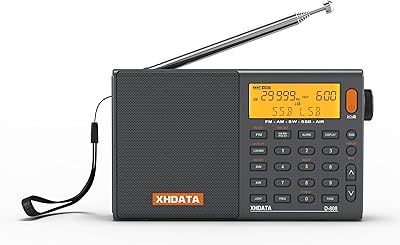
XHDATA D808 Portable Multiband Radio