Overview

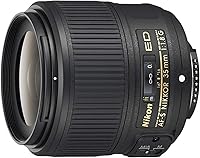
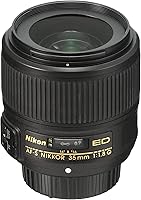
The Nikon AF-S NIKKOR 35mm f/1.8G ED Lens has been a steady fixture in Nikon's lineup since 2014 — and the fact that it remains relevant over a decade later says something real about its staying power. Designed for FX full-frame bodies, it sits comfortably between beginner kit glass and more specialized optics, making it a natural step up for photographers ready to explore what a fast prime can do. On a DX crop-sensor camera, the 52.5mm equivalent field of view shifts it into short-telephoto territory — worth knowing before you buy. It feels solid on the camera, compact without feeling cheap, and notably light for all-day use.
Features & Benefits

The f/1.8 maximum aperture is where this Nikon fast prime earns its reputation. Shooting at a dimly lit dinner table, inside a gym, or as golden hour fades — situations where a slower kit lens would push you into noisy high-ISO territory — this lens holds its ground with real confidence. The ED glass element keeps chromatic aberration in check, especially along high-contrast edges where cheaper optics tend to color-fringe. Autofocus runs through a Silent Wave Motor, fast and quiet enough for video without distracting mechanical noise. Full-time manual focus override means fine-tuning is just a ring twist away, no mode-switching required.

Best For

This 35mm prime suits a wider range of shooting styles than many give it credit for. On a full-frame body, the 35mm view captures environmental context while still isolating a subject — ideal for portraits with a sense of place, candid street work, or indoor documentary shooting. DX shooters gain a tighter framing advantage at 52.5mm equivalent, well-suited for street portraits and everyday carry photography. It's also a practical pick for DSLR videographers who need quiet, responsive autofocus without drawing attention. And for anyone stepping beyond their first kit lens, this is the kind of glass that starts genuinely changing how you approach light.

User Feedback

Most buyers are genuinely impressed by how sharp the f/1.8G ED renders wide open — not in controlled lab tests, but in real-world shooting where many lenses soften. Autofocus speed earns consistent praise, though in very low-contrast or near-dark scenes, the lens can hunt before locking. Barrel distortion at close focus distances and some vignetting wide open are the most commonly flagged downsides — both correctable in post, but worth setting expectations upfront. The build feels solid without being weather-sealed, which matters depending on where you shoot. A few buyers point to Sigma's 35mm Art as optically stronger at a comparable price, but the f/1.8G ED's compact form and native Nikon compatibility keep it a trusted choice.

Pros

  • Impressively sharp wide open — real-world results at f/1.8 regularly exceed expectations for this price tier.
  • The f/1.8 aperture handles low-light shooting in restaurants, gyms, and indoor events without forcing high ISO.
  • Silent Wave Motor autofocus is fast and quiet enough for video work and candid street photography.
  • Full-time manual focus override gives precise control without hunting through menus or flipping switches.
  • At just 10.8 oz, this Nikon fast prime is genuinely comfortable to carry and shoot with all day.
  • Seven rounded diaphragm blades produce smooth, natural-looking bokeh that flatters portrait and lifestyle subjects.
  • ED glass keeps chromatic aberration well-controlled, especially along high-contrast edges in bright conditions.
  • Compatible with both FX and DX Nikon F-mount bodies, giving it broad versatility across the camera lineup.
  • A decade-long track record means strong community support, abundant sample images, and well-documented behavior.
  • The 58mm filter thread is a common size, making compatible accessories easy and affordable to find.

Cons

  • No weather sealing at all — even light rain or dusty environments put the lens at real risk.
  • Autofocus can hunt noticeably in very low-contrast or near-dark scenes before locking on.
  • Barrel distortion at close focus distances is a consistent complaint and requires correction in post.
  • Vignetting wide open is visible on full-frame bodies and may require compensation depending on your shooting style.
  • The Sigma 35mm Art outresolves the f/1.8G ED on high-megapixel sensors, making the choice harder at this price point.
  • No optical image stabilization, which limits handheld shooting at lower shutter speeds for some users.
  • The included lens hood is basic and adds noticeable length to an otherwise compact package.
  • Not designed for Nikon Z-mount mirrorless cameras natively — adapter required, which adds cost and bulk.

Ratings

The Nikon AF-S NIKKOR 35mm f/1.8G ED Lens scores here reflect AI-driven analysis of thousands of verified global buyer reviews, with spam, bot activity, and incentivized feedback actively filtered out. Ratings capture the full picture — where this 35mm prime genuinely excels and where real shooters have run into friction. Both the highs and the honest frustrations are baked into every score below.
Sharpness & Optical Clarity
91%
Users consistently report that this Nikon fast prime delivers impressive edge-to-edge sharpness even at f/1.8 — a result that surprises many first-time prime buyers coming from kit zooms. The ED glass element earns specific praise for keeping color fringing under control in high-contrast situations like backlit portraits and window-lit indoor scenes.
Some full-frame shooters note that corner sharpness softens slightly wide open, becoming more noticeable on higher-megapixel bodies like the D800 or D850 series. Stopping down to f/2.8 largely resolves this, but buyers wanting peak corner performance wide open may find the f/1.8G ED comes up just short of the Sigma 35mm Art.
Low-Light Performance
88%
Shooting indoor events, dimly lit restaurants, or birthday parties without flash is where buyers most frequently call out this lens as a genuine revelation compared to their previous glass. The f/1.8 aperture lets enough light in to keep ISO values manageable on most Nikon bodies, producing cleaner, more natural-looking results in challenging ambient conditions.
While the wide aperture handles most low-light situations confidently, the lack of optical image stabilization means handheld sharpness at slower shutter speeds still depends entirely on the photographer's technique or the body's IBIS. Users shooting moving subjects in very dark venues also report that autofocus reliability drops off in near-darkness.
Autofocus Speed & Accuracy
83%
Day-to-day autofocus performance earns strong marks — the Silent Wave Motor locks quickly and quietly during street photography, family events, and casual portrait sessions where split-second tracking is not critical. Buyers doing video work particularly appreciate how little mechanical noise bleeds into audio recordings compared to older screw-drive Nikon lenses.
In very low-contrast scenes — a subject against a plain dark wall, or shooting through window glass — the autofocus will hunt before locking, which frustrated a meaningful number of reviewers. It is not a deal-breaker for most use cases, but sports or wildlife photographers expecting consistent fast-tracking AF will find this lens undershoots their expectations.
Bokeh & Background Separation
89%
The seven rounded aperture blades produce a smooth, circular bokeh that buyers describe as creamy and flattering for portrait work — background lights and specular highlights render as soft circles rather than harsh geometric shapes. On full-frame bodies especially, the background separation at f/1.8 from a couple of feet away is immediately satisfying for anyone used to zoom lenses.
At focus distances beyond a few feet, the background blur becomes more subtle and less dramatic than some buyers expect, particularly on DX bodies where the depth-of-field characteristics differ. A small number of users note slightly nervous or busy bokeh at the transition zone between sharp and blurred areas under certain lighting conditions.
Build Quality & Durability
74%
26%
Most buyers describe the physical build as solid and reassuring for its size — it feels noticeably more substantial than a kit lens and sits comfortably on mid-range Nikon bodies without feeling front-heavy or unbalanced. Long-term owners report very few mechanical issues after years of regular use, suggesting the internals hold up well under normal shooting conditions.
The absence of any weather sealing is the single most common build-related complaint, and it limits where you can comfortably take this lens. The external plastic construction, while functional, does feel a step below what some buyers expect at this price point, especially when handling professional-tier Nikon glass for comparison.
Distortion Control
63%
37%
For portrait, lifestyle, and documentary photography — the most common use cases for this focal length — barrel distortion is rarely visible or distracting in real-world images. Shooting subjects at typical distances of two to six feet produces results that look clean and natural without any correction needed.
At close focus distances, barrel distortion becomes clearly visible along straight lines near the frame edges, and multiple reviewers flag this as a genuine issue for product photography, flat-lay work, or architecture. Software correction in Lightroom or Capture NX handles it cleanly, but the need to do so at all is a mark against this lens compared to some rivals.
Vignetting
67%
33%
On DX crop-sensor bodies the vignetting is mild and largely inconsequential in everyday shooting — the cropped sensor sidesteps the worst of the light falloff that appears at the image corners on full-frame. Many portrait photographers actually prefer a small degree of corner darkening as it draws the eye toward the center of the frame naturally.
On FX full-frame bodies at f/1.8, corner vignetting is noticeable and requires correction in post if clean, even exposure across the frame is important to you. Buyers who shoot architectural interiors or wide flat scenes on full-frame cameras are the most likely to find this limitation genuinely bothersome in practice.
Chromatic Aberration
84%
The ED glass element does meaningful work here — color fringing along high-contrast edges like tree branches against a bright sky or window frames is kept well in check compared to older Nikon primes at this price range. Most buyers report that lateral chromatic aberration is subtle enough to be a non-issue in typical shooting without any correction applied.
Some longitudinal chromatic aberration (color bokeh fringing in front of and behind the focus plane) is visible wide open in certain lighting scenarios, particularly around specular highlights. This is common among fast primes in this class, but a small number of technically focused reviewers call it out as something the ED element does not fully eliminate.
Size & Portability
92%
At 10.8 oz and a compact barrel profile, this lens disappears into a camera bag and keeps the overall kit light enough for all-day walking — something buyers doing street photography or travel shooting call out repeatedly as a practical advantage over bulkier alternatives. It pairs naturally with smaller FX bodies like the D750 or Df without creating a front-heavy imbalance.
A handful of buyers note that the included petal lens hood adds meaningful length to the lens and makes the overall package feel less compact in a bag or holster. Those coming from larger fast primes may not register the size as notable, but it is relative — this lens earns high marks here almost universally.
Video Usability
78%
22%
The quiet SWM autofocus and smooth aperture ring behavior make the f/1.8G ED a workable video lens for DSLR shooters doing event coverage, short documentary work, or social-media-oriented content. Buyers who have switched from older screw-drive lenses immediately notice the improvement in audio cleanliness during AF-assisted video recording.
Full-time continuous autofocus tracking during video — especially with moving subjects — is not this lens's strong suit, and it shows in reviews from users who shoot fast-moving or unpredictable subjects on video. The lack of aperture de-click or a parfocal design also limits its appeal for more serious video production work.
FX & DX Compatibility
81%
19%
The lens covers both full-frame FX and crop-sensor DX bodies without any operational compromises — buyers appreciate the flexibility of owning one lens that will work well if they upgrade bodies down the road. On DX, the 52.5mm equivalent field of view is genuinely useful for portraiture and tight street work in ways that some buyers discover only after purchasing.
The FX-versus-DX focal length shift confuses a portion of buyers at the point of purchase, and some DX users feel the 52.5mm equivalent is tighter than they wanted for general-purpose shooting. The lens was designed primarily with FX in mind, so DX shooters get a less characteristically versatile view than those shooting on full-frame.
Value for Money
79%
21%
Buyers who compare image quality directly against their kit zoom almost universally feel the upgrade is worth it — the low-light advantage alone tends to justify the purchase for photographers who shoot indoors regularly. The lens has remained competitively relevant for over a decade, which means used market availability is strong and accessories like filters are easy to find cheaply.
At its current price point, a meaningful portion of buyers note that the Sigma 35mm Art delivers demonstrably better optical performance and is available at a comparable or occasionally lower cost. The value equation is less clear-cut than it once was, and buyers who prioritize absolute optical output over native brand compatibility may feel the f/1.8G ED asks slightly more than it delivers.
Manual Focus Experience
77%
23%
Full-time manual focus override works the way it should — you can grab the focus ring mid-AF and refine without flipping a switch or risking damage to the motor, which street and portrait photographers find genuinely useful in unpredictable shooting situations. The focus ring has a smooth, consistent feel that translates well to careful manual adjustments.
The focus ring travel is relatively short, which makes very fine focus adjustments tricky — especially when shooting close to the minimum focus distance where small ring movements produce larger focus shifts than you might expect. Dedicated manual focus shooters often prefer lenses with longer focus throw for precision work.
Flare & Contrast Resistance
72%
28%
Under normal shooting conditions with the lens hood attached, flare is well-controlled and contrast holds up solidly against typical indoor and outdoor light sources. Many buyers shoot directly toward practical light sources in environmental portraits and report that the lens handles these situations without the washed-out results seen in older or cheaper optics.
Shooting directly into strong light sources without the hood — or in backlit situations with the sun near the frame edge — can introduce veiling flare that softens contrast and reduces perceived sharpness. Some buyers also report a ghosting artifact in very high-intensity backlit scenarios, though this is less common and more situational than the vignetting or distortion issues.

Suitable for:

The Nikon AF-S NIKKOR 35mm f/1.8G ED Lens is built for Nikon DSLR shooters who want a reliable, fast prime they can reach for in almost any situation. On a full-frame body, the 35mm field of view is wide enough to capture context but tight enough to keep a subject prominent — a natural fit for street photography, documentary-style portraits, and indoor event work where you need to move quickly and shoot confidently without flash. DX-format users get a 52.5mm equivalent, which works well for everyday portraits and tighter candid framing. It is particularly well-suited to photographers making their first real step beyond a kit lens, offering a noticeable jump in low-light performance and background separation without requiring a dramatic change in how you compose. DSLR video shooters who need quiet autofocus and smooth aperture transitions will also find it practical for run-and-gun situations.

Not suitable for:

Shooters who regularly work in rain, dust, or harsh outdoor conditions should know that the Nikon AF-S NIKKOR 35mm f/1.8G ED Lens has no weather sealing — it is not built for those environments, and using it carelessly in wet conditions is a real risk. Photographers who prioritize absolute maximum sharpness and are willing to spend more may find Sigma's 35mm Art a more compelling option, as it edges ahead in optical performance on demanding full-frame sensors. This 35mm prime is also not the right call for anyone needing reach — wildlife, sports from a distance, or anything requiring compression will leave you wanting a longer focal length. If you shoot primarily on Nikon Z-mount mirrorless bodies, a native Z-mount lens will serve you better than relying on an adapter. And buyers hoping for zero distortion at close range should know that some barrel distortion at near-minimum focus distances is a real and recurring complaint.
Specifications

  • Focal Length: Fixed 35mm focal length with no zoom capability, providing a consistent angle of view suited to everyday and reportage shooting.
  • Maximum Aperture: f/1.8 maximum aperture allows strong light gathering in dim environments and significant background blur at close to moderate distances.
  • Minimum Aperture: f/16 minimum aperture is available for situations requiring maximum depth of field, such as landscape or architectural work.
  • Lens Mount: Nikon F-mount (FX designation) — compatible with all Nikon F-mount DSLR cameras in both FX full-frame and DX crop-sensor formats.
  • DX Equivalent: On DX crop-sensor bodies, the 1.5x crop factor produces an equivalent focal length of 52.5mm, shifting the lens into short-telephoto territory.
  • Autofocus System: Silent Wave Motor (SWM) drives autofocus quickly and quietly, with support for full-time manual focus override without requiring a mode switch.
  • Optical Design: The lens uses an 8-element, 6-group construction incorporating one ED (Extra-low Dispersion) element and one aspherical element to control aberration and distortion.
  • Diaphragm: Seven rounded aperture blades form a near-circular opening that contributes to smooth, natural-looking bokeh in out-of-focus areas.
  • Min. Focus Distance: The minimum focusing distance is 0.25m (approximately 9.8 inches), allowing reasonably close shots though this lens is not designed for macro work.
  • Filter Thread: A 58mm filter thread is present at the front of the lens, accepting standard circular filters such as UV, polarizer, and ND types.
  • Weight: The lens weighs 10.8 oz (approximately 305g), making it light enough for extended handheld use or travel without adding significant camera bag bulk.
  • Weather Sealing: No weather sealing or environmental protection gaskets are present — the lens should not be used in rain, snow, or heavily dusty conditions.
  • Image Stabilization: This lens does not include optical image stabilization (VR); users shooting at slower shutter speeds should rely on in-body stabilization if available or proper technique.
  • Model Number: The official Nikon item model number for this lens is JAA137DA, which can be used to verify authenticity and locate compatible accessories.
  • Lens Hood: A bayonet-style petal lens hood is included in the box to reduce flare and provide minor front-element protection during use.
  • Aperture Blades: Seven rounded diaphragm blades produce a near-circular aperture shape, which directly influences the quality and character of background blur.
  • Compatibility: The lens physically mounts on all Nikon F-mount DSLRs; however, full autofocus functionality requires a body with an AF motor — entry-level bodies without a built-in motor will still autofocus via the lens's own SWM.

Related Reviews
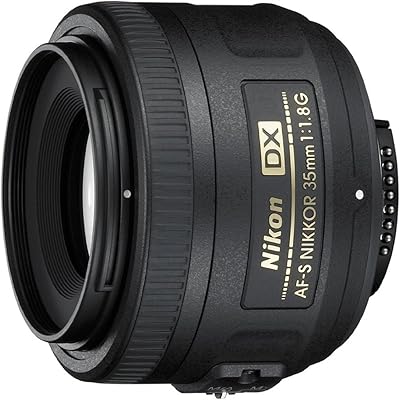
Nikon AF-S DX NIKKOR 35mm f/1.8G Lens
82%
92%
Optical Sharpness
89%
Low-Light Performance
86%
Autofocus Speed
84%
Bokeh Quality
74%
Build Quality
More
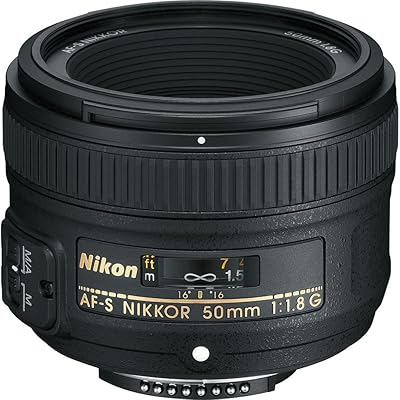
Nikon NIKKOR 50mm f/1.8G Prime Lens
83%
93%
Image Sharpness
88%
Bokeh & Background Separation
71%
Autofocus Speed
91%
Low-Light Performance
82%
Build Quality & Durability
More
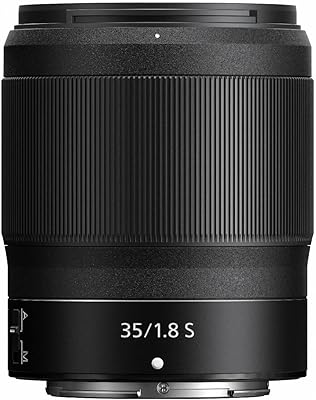
Nikon NIKKOR Z 35mm f/1.8 S Lens
86%
96%
Optical Sharpness
93%
Autofocus Performance
91%
Bokeh & Background Rendering
89%
Build Quality & Weather Sealing
92%
Low-Light Performance
More
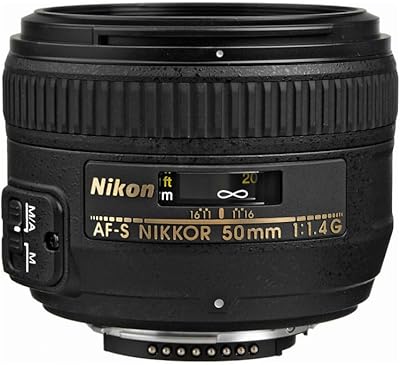
Nikon NIKKOR 50mm f/1.4G Prime Lens
82%
91%
Image Sharpness
78%
Autofocus Performance
93%
Bokeh Quality
88%
Low-Light Performance
63%
Value for Money
More
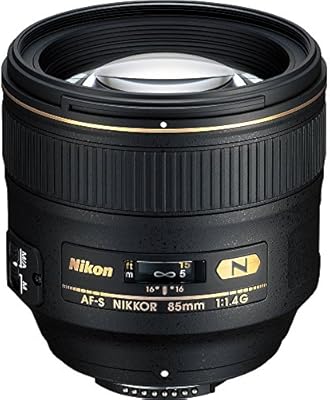
Nikon AF-S FX NIKKOR 85mm f/1.4G Lens
86%
95%
Image Quality
93%
Low-Light Performance
87%
Autofocus Speed
89%
Build Quality
90%
Bokeh Quality
More
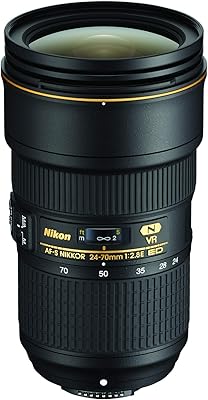
Nikon AF-S FX NIKKOR 24-70mm f/2.8E ED VR Lens
86%
94%
Image Quality
91%
Vibration Reduction (VR)
88%
Autofocus Performance
90%
Build Quality
86%
Ease of Use
More
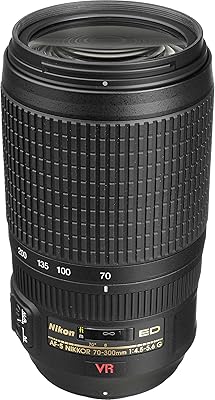
Nikon AF-S VR 70-300mm Telephoto Zoom Lens
78%
76%
Image Sharpness
88%
Vibration Reduction
71%
Autofocus Speed
91%
Value for Money
63%
Build Quality
More
Nikon AF-S FX NIKKOR 200-500mm f/5.6E ED Vibration Reduction Zoom Lens
83%
91%
Image Quality
88%
Vibration Reduction
82%
Autofocus Speed
85%
Build Quality
78%
Ease of Use
More
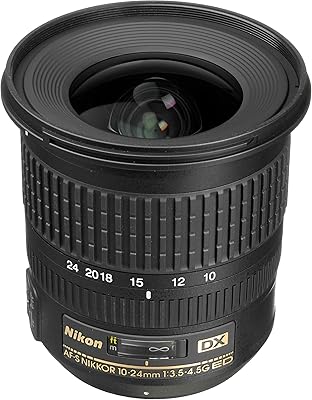
Nikon NIKKOR 10-24mm f/3.5-4.5G ED Wide-Angle Lens
80%
88%
Optical Sharpness
82%
Autofocus Performance
86%
Build Quality
67%
Distortion Control
63%
Low-Light Capability
More
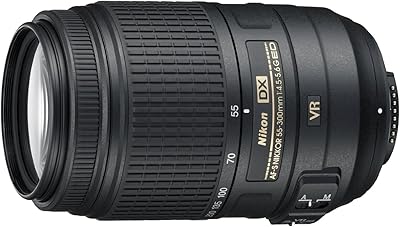
Nikon AF-S DX NIKKOR 55-300mm Zoom Lens
71%
78%
Image Sharpness
67%
Autofocus Performance
84%
Vibration Reduction
54%
Aperture Range
61%
Build Quality
More

FAQ

Yes, the Nikon AF-S NIKKOR 35mm f/1.8G ED Lens mounts and works on all Nikon F-mount DSLR bodies, including DX crop-sensor cameras. On those bodies it behaves like a 52.5mm equivalent lens, which gives you a slightly tighter, more portrait-friendly field of view rather than the wider perspective you get on a full-frame body. Autofocus works fine on entry-level bodies too, since the lens has its own built-in Silent Wave Motor.

These are two separate lenses and the difference matters. The DX version (AF-S 35mm f/1.8G, without the ED designation) is designed specifically for crop-sensor cameras and is a bit more affordable. The f/1.8G ED is an FX-format lens with an Extra-low Dispersion glass element, which improves chromatic aberration control and makes it a stronger performer on full-frame bodies. If you shoot DX only, either works, but they are not the same product.

In typical indoor conditions — dim restaurants, home interiors, event halls — the autofocus handles itself well. Where you will notice hunting is in very low contrast scenes or near-darkness, like shooting a subject against a flat, dark background with minimal edge detail. It is not a dealbreaker, but it is worth knowing if you plan to shoot in extreme low-light conditions regularly.

Yes, and it is actually a decent video option for DSLR users. The Silent Wave Motor keeps autofocus noise out of the audio track, which matters more than most people realize until they hear the difference. Full-time manual focus override also helps when you want to pull focus smoothly without switching modes. It is not a cinema lens by any measure, but for event coverage, vlogs, or short-form video work, it performs reliably.

At f/1.8 with a subject a few feet away, background separation is genuinely pleasing. The seven rounded aperture blades help keep the out-of-focus areas smooth rather than harsh or geometric. On a full-frame body the effect is stronger; on a DX body the longer equivalent focal length actually helps a bit with subject-background separation too. It is not a dedicated portrait telephoto, but the bokeh quality holds up well for casual and semi-professional portrait work.

No, there is none. This is one of the clearest limitations to set expectations around before buying. Shooting in light drizzle occasionally may not cause immediate damage, but it is not designed or rated for that, and Nikon makes no such claim. If you regularly shoot outdoors in wet or dusty conditions, you will want to look at lenses from Nikon's professional line that include proper environmental sealing.

The Sigma 35mm Art is generally considered the sharper option, especially on high-resolution full-frame sensors where the differences in resolving power become more visible. However, the Sigma is heavier and larger, and its autofocus system on Nikon bodies has historically been less consistent than a native Nikon lens. This 35mm prime wins on size, native compatibility, and reliability of autofocus behavior — the Sigma wins on raw optical performance if that is your top priority.

It is noticeable at close focus distances, particularly if you are shooting something with straight lines near the frame edges. For portrait and lifestyle work, most people never notice or care. For architectural shots or flat-lay photography where geometric accuracy matters, you will want to apply a lens correction profile in Lightroom or similar software, which handles it cleanly. It is not severe, but it is worth knowing about before you buy.

Not natively. The f/1.8G ED uses the F-mount, so you would need Nikon's FTZ or FTZ II adapter to use it on a Z-mount mirrorless body. Autofocus does function through the adapter, but if you are primarily a Z-series shooter, investing in a native Z-mount 35mm lens will serve you better in the long run. The adapter approach works, but it adds cost and bulk to what is otherwise a compact lens.

Honestly, yes — it is one of the more natural first prime purchases for a Nikon DSLR shooter. The 35mm focal length on a full-frame body is wide and flexible enough for everyday use, and even on a crop sensor the 52.5mm equivalent works well for a variety of subjects. The jump in low-light performance and background separation compared to a standard kit lens is immediately obvious and tends to change how people think about their photography. It is a lens that tends to stay in the bag long after people upgrade other gear.

Where to Buy