Overview

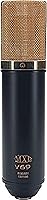
The MXL V69M EDT Tube Condenser Microphone has been around since 2004, which in budget audio gear terms is practically a legacy product — and that staying power means something. This is the Mogami Edition, meaning it ships with Mogami-branded cables included, a detail worth noting because Mogami is genuinely respected in pro studios. The complete system — mic, external power supply, and cables all in the box — means you can unpack and record without hunting for accessories. Just be clear-eyed going in: the tube warmth here is real, but this is entry-level territory, not a boutique European tube mic costing ten times as much.

Features & Benefits

The large gold diaphragm is the core reason this mic sounds the way it does — bigger capsules generally capture more air and low-end body, giving vocals a rounder, more present quality. The tube circuitry adds harmonic saturation that solid-state condensers at this price simply cannot replicate; it is subtle, not lo-fi. The cardioid polar pattern rejects sound from behind the mic, which is genuinely useful if your recording space is untreated. The gold-plated grill resists corrosion over time, not just a cosmetic touch. And having quality cables included right out of the box means one less thing to budget for separately.

Best For

The V69M EDT is a strong fit for home studio vocalists who want the character of a tube mic without a major investment. Podcasters and streamers who find bright, clinical condenser sound a bit harsh will appreciate the warmer tonality here. Singer-songwriters recording guitar and vocals in the same session should get flattering results on both. That said, you will need an XLR audio interface — this is not a plug-and-play USB mic. Room treatment matters a lot too; large diaphragm condensers pick up everything, so bare walls and hard floors will show up in your recordings in ways your old dynamic mic never revealed.

User Feedback

Owners of this MXL tube mic tend to land in two camps. Those who get the setup right — proper interface, treated room, correct power supply connections — frequently describe the sound as warm and vintage-flavored, especially compared to solid-state condensers at similar prices. The complete kit draws consistent praise too; most buyers appreciate not having to source cables separately. On the other side, some users report initial confusion around the external power supply, and a handful have flagged build inconsistency between units. Room noise sensitivity is the other recurring complaint — this mic will hear things your old dynamic microphone simply ignored.

Pros

  • Delivers genuine tube warmth and harmonic character that solid-state mics at this price simply cannot replicate.
  • Ships as a complete system — mic, power supply, and Mogami cables all included, no extra purchases needed to get started.
  • The large gold diaphragm captures vocal detail and low-end body with a richness that flatters most voice types.
  • Mogami cable inclusion adds real value; these are well-regarded in professional audio circles.
  • Cardioid polar pattern does a reasonable job of rejecting off-axis noise, helpful in less-than-ideal recording spaces.
  • The build quality feels solid and looks distinctive, with a gold-plated grill that holds up over time.
  • Two decades on the market with a loyal user base speaks to consistent long-term reliability for an entry-level product.
  • Relatively lightweight at one pound, making it easy to position on a standard boom arm or mic stand.

Cons

  • The external power supply is an extra piece of gear to manage and can confuse first-time tube mic buyers during setup.
  • Highly sensitive to room acoustics — bare or untreated spaces will expose background noise and reflections noticeably.
  • Some buyers have reported unit-to-unit consistency issues, meaning quality control is not always predictable.
  • The 72 dB signal-to-noise ratio is adequate but not exceptional, and quieter sound sources may reveal a modest noise floor.
  • No polar pattern switching — locked into cardioid only, which limits flexibility for recording multiple sources.
  • The V69M EDT requires a dedicated power supply chain, making it less practical for on-the-go or live recording scenarios.
  • Buyers expecting high-end vintage tube mic tone will likely find the character more subtle than anticipated at this price tier.

Ratings

Our AI rating system analyzed thousands of verified owner reviews for the MXL V69M EDT Tube Condenser Microphone from buyers worldwide, actively filtering out incentivized, bot-generated, and spam feedback to surface what real users actually experience. The scores below reflect a candid, balanced picture — genuine strengths are recognized, but recurring frustrations and limitations are weighted just as honestly. Whether this tube condenser earns a place in your home studio or falls short of your needs, you will find a transparent answer in the breakdown below.

Sound Character
83%
Owners consistently describe a warmth and body to vocals that solid-state mics at this price simply do not produce. The tube circuitry adds a subtle harmonic richness that makes recorded voices sound fuller and less clinical — a quality many home studio singers noticed immediately after switching from a budget condenser.
The tube character is real but restrained; buyers expecting dramatic vintage saturation are often surprised by how subtle the effect is in practice. At this tier, the sound is tube-influenced rather than tube-defined, and critical listeners will hear the difference versus high-end counterparts.
Vocal Performance
81%
19%
For home vocalists recording pop, folk, or spoken-word content, the large gold diaphragm delivers a flattering, full-bodied capture that makes voices sit naturally in a mix without heavy EQ correction. Singers with warmer voice types in particular report that this mic works with their tone rather than against it.
Brighter or more sibilant voices can occasionally sound slightly dull due to the rolled-off upper frequency response. The mic also asks a lot of the recording environment — voices recorded in untreated rooms will carry room noise and reflections that a dynamic mic would have largely masked.
Build Quality
78%
22%
The physical construction feels reassuringly solid for the price, and the gold-plated grill gives the mic a premium visual presence that looks impressive in any home studio setup. Long-term owners who have used theirs for several years generally report no structural degradation or finish issues.
A portion of reviewers have flagged inconsistency between individual units — some arrive in perfect condition while others show minor cosmetic or functional variances straight out of the box. Quality control at this price tier is not as tight as buyers might hope.
Setup & Ease of Use
62%
38%
Once the signal chain is understood — mic to power supply via tube cable, then XLR out to interface — the setup becomes straightforward and repeatable. The fact that all necessary cables ship in the box removes one common frustration for first-time buyers setting up a home recording rig.
The external power supply is a genuine stumbling block for beginners who expected a typical condenser plug-and-play experience. Multiple reviewers described confusion on first use, particularly around warm-up time and the dual-cable routing, which is not well explained in the included documentation.
Value for Money
76%
24%
Factoring in the Mogami cables and external power supply as part of the complete kit, buyers are getting genuine tube condenser technology at a price that would otherwise only afford a basic solid-state mic. The all-in-one bundle approach is consistently praised as making the purchase feel well-rounded rather than just a microphone sale.
Buyers who already own quality cables or a preamp setup may feel they are paying for accessories they do not need. A handful of reviewers also noted that the per-unit sound quality variance makes the value proposition feel less certain — you may get a great unit or a mediocre one.
Included Accessories
86%
The inclusion of Mogami-branded cables is a meaningful differentiator — Mogami is a respected name in pro studio cabling, and getting them bundled removes the need for a separate cable purchase that could easily run $30 to $50. Buyers routinely call out the completeness of the package as one of the first things that impressed them.
A shockmount is notably absent from the bundle, which means buyers will need to budget for one separately if they want to reduce vibration and handling noise in their recordings. For a complete-system product, that omission feels like a missed opportunity.
Noise Floor
67%
33%
In well-treated or quiet recording environments, the 72 dB signal-to-noise ratio performs adequately for vocal tracking and acoustic instrument recording without obvious hiss or interference. Most home studio users recording at typical levels will find the noise floor acceptable under controlled conditions.
Push the gain higher or record in a noisier environment and the noise floor becomes more audible, particularly in quieter passages or during pauses in vocals. Users recording softer sources like fingerpicked acoustic guitar occasionally report needing to clean up low-level noise in post-production.
Room Sensitivity
54%
46%
The cardioid polar pattern does meaningful work in rejecting sound from directly behind the mic, which helps in imperfect home setups where some off-axis rejection is needed. Buyers who pair this mic with even basic room treatment report a noticeable improvement in recording cleanliness.
This is one of the most common pain points in owner reviews — the mic picks up everything in the room with unforgiving accuracy. Buyers coming from dynamic mics are often caught off guard by how much background noise, HVAC hum, and room reverb appear in their recordings for the first time.
Tube Longevity
73%
27%
Long-term owners who have used the V69M EDT for several years without tube failure do exist in the review pool, suggesting the tube component holds up reasonably well under regular home studio use. The 12AX7 tube type used is a widely available and affordable component if replacement eventually becomes necessary.
Tube lifespan is inherently variable and depends heavily on usage habits — owners who leave the mic powered on for extended periods unnecessarily are shortening tube life. Replacement is not a straightforward DIY process for non-technical users, which adds a potential long-term cost concern.
Acoustic Instrument Recording
74%
26%
Singer-songwriters using this tube condenser to capture acoustic guitar alongside vocals report that the large diaphragm handles the low-mid warmth of the instrument naturally, with none of the harshness some bright condensers introduce on steel strings. The cardioid pattern also provides workable separation when positioning carefully.
The frequency response ceiling of 15 kHz means some of the airy upper harmonics that define acoustic instrument recordings are captured less vividly than with mics offering wider high-frequency extension. Users who prioritize sparkle and air in acoustic guitar recordings may find the result slightly muted.
Streaming & Podcasting Suitability
69%
31%
Streamers and podcasters who record in a treated space and want their voice to stand out from the sea of USB mic recordings will find the warm, characterful sound of this MXL tube mic a genuine upgrade. The tonal quality gives broadcast audio a richer feel that listeners tend to notice and respond to positively.
The external power supply adds desk clutter and an additional point of failure for streaming setups where simplicity is preferred. The mic is also unforgiving of noisy streaming environments — keyboard clicks, fan noise, and room echo will all be captured, which is a real concern for anyone without acoustic treatment.
Aesthetic & Visual Design
88%
The black and gold colorway with the 24-carat gold-plated grill is one of the most visually distinctive looks at this price point, and owners frequently mention how impressive the mic looks on camera during video recordings or streams. It carries a visual weight that suggests quality before a single note is sung.
The gold finish, while attractive, can show fingerprints and smudging if handled without care, requiring occasional polishing to maintain its appearance. The aesthetic is also fairly specific — buyers who prefer a more modern matte or brushed metal look will not find that here.
Compatibility
79%
21%
The standard XLR output from the power supply unit means this tube condenser is compatible with virtually any audio interface, preamp, or mixer on the market that accepts a balanced mic-level signal. There are no proprietary connections to worry about once the power supply chain is set up correctly.
The dedicated external power supply rules out USB audio setups entirely, and users with mobile or portable recording workflows will find the power supply dependency a hard limitation. It is strictly a fixed-location studio microphone, which narrows its practical use case meaningfully.

Suitable for:

The MXL V69M EDT Tube Condenser Microphone is a strong match for home studio musicians and content creators who want genuine tube character in their recordings without spending professional studio money. Vocalists who find typical solid-state condensers too bright or thin-sounding will likely appreciate the warmer, rounder tone this mic delivers. Podcasters and streamers who want their voice to sound rich and distinctive — rather than flat and clinical — are a natural fit here. Singer-songwriters recording acoustic guitar and vocals at home will find the large diaphragm captures nuance and body that budget dynamic mics typically miss. It also suits buyers ready to graduate from a USB mic setup to a proper XLR chain, especially those who already own or plan to buy a basic audio interface.

Not suitable for:

The MXL V69M EDT Tube Condenser Microphone is not the right tool for buyers expecting professional boutique tube mic performance — it competes in the entry-level tier, and the gap between this and a high-end European tube mic is very real and audible. Anyone recording in an untreated room with reflective walls and hard floors will struggle, since large diaphragm condensers reveal every acoustic flaw in a space that a dynamic mic would have hidden. The external power supply setup adds complexity that may frustrate complete beginners who expected a simple plug-and-play experience. It is also a poor fit for anyone who needs a portable or field-recording solution, given the dedicated power supply dependency. Live stage use is essentially off the table — this is strictly a controlled-environment studio microphone.

Specifications

  • Microphone Type: Large diaphragm tube condenser microphone designed for studio recording applications.
  • Capsule: Large gold diaphragm condenser capsule engineered to capture vocals and instruments with warmth and detail.
  • Connector: XLR connector for standard balanced audio connections to interfaces, preamps, and mixers.
  • Polar Pattern: Unidirectional cardioid pattern that focuses pickup on sound directly in front while rejecting off-axis noise.
  • Frequency Response: Rated frequency response extending up to 15 kHz, suited for vocal and acoustic instrument recording.
  • Signal-to-Noise Ratio: 72 dB signal-to-noise ratio, providing a reasonably clean signal for home studio recording at this price tier.
  • Sensitivity: Audio sensitivity rated at 54 dB, making it well-suited for close-proximity vocal recording in controlled environments.
  • Impedance: Output impedance of 200 Ohm, compatible with standard XLR preamp and audio interface inputs.
  • Power Source: Requires a dedicated external power supply unit, which is included in the box, as tube circuitry cannot run on standard phantom power alone.
  • Weight: The microphone body weighs approximately 1 pound, manageable on most standard boom arms and mic stands.
  • Dimensions: Microphone body measures 47mm x 218mm (1.85″ x 8.58″), a typical large-body form factor for large diaphragm condensers.
  • Grill Material: 24-carat gold-plated grill that offers both a distinctive aesthetic and practical resistance to corrosion over time.
  • Color & Finish: Black body with gold accents, giving the microphone a classic vintage studio appearance.
  • Included Cables: Ships with a Mogami-branded XLR cable and a dedicated tube cable connecting the microphone to the external power supply.
  • Included Components: Complete system package includes the microphone, external power supply unit, Mogami XLR cable, and tube cable.
  • Manufacturer: Designed and marketed by MXL Mics, a brand operated under Marshall Electronics, based in the United States.
  • Model Number: Official model identifier is MXLV69MEDT, distinguishing this Mogami Edition variant from earlier V69M releases.
  • First Available: Originally introduced to the market in July 2004, giving this design over two decades of commercial presence.

Related Reviews
MXL V250 Condenser Microphone
73%
76%
Vocal Sound Quality
84%
Value for Money
61%
Noise Floor & Sensitivity
67%
Build Quality
81%
Ease of Setup
More
MXL V67G Large-diaphragm Condenser Microphone
77%
83%
Sound Quality
88%
Value for Money
76%
Build Quality
61%
Ease of Setup
74%
Noise Performance
More
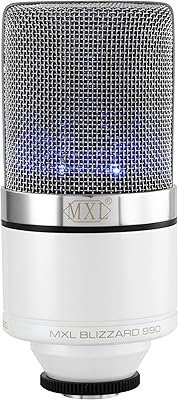
MXL 990 Blizzard Condenser Microphone
85%
91%
Sound Quality
89%
Ease of Use
85%
Background Noise Rejection
82%
Build Quality
78%
LED Lighting Appeal
More
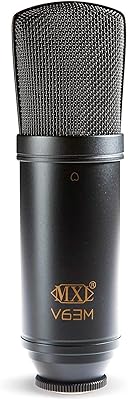
MXL V63M Condenser Studio Microphone
75%
83%
Sound Quality
81%
Build Quality
86%
Vocal Performance
74%
Noise Performance
79%
Value for Money
More
MXL 2003A Large-Diaphragm Condenser Microphone
77%
78%
Sound Character
61%
Self-Noise Level
82%
Build Quality
84%
Value for Money
86%
Included Accessories
More
MXL MCA-SP1 Studio Condenser Microphone
73%
77%
Audio Clarity
84%
Build Quality
81%
Value for Money
58%
Ease of Setup
69%
Noise Rejection
More
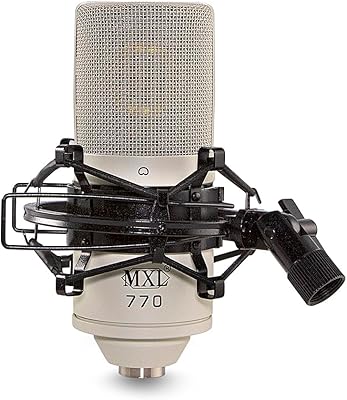
MXL 770
MXL 770
85%
88%
Vocal Clarity
93%
Build Durability
96%
Value for Money
74%
Background Noise Rejection
89%
Feature Versatility
More
MXL V87 Low-Noise Condenser Microphone

78%
86%
Vocal Sound Quality
88%
Build Quality
79%
Value for Money
91%
Noise Performance
41%
Included Accessories
More
Warm Audio WA-251 Tube Condenser Microphone
78%
89%
Vocal Sound Character
83%
Build Quality
91%
Value for Money
86%
Polar Pattern Versatility
72%
Noise Floor Performance
More
Rode NTK
Rode NTK
77%
94%
Vocal Tone & Warmth
91%
Self-Noise & Signal Clarity
88%
Build Quality & Durability
54%
Stand & Mounting Requirements
61%
Ease of Setup
More

FAQ

No — and this is an important distinction. The MXL V69M EDT Tube Condenser Microphone uses its own dedicated external power supply unit, which is included in the box. Unlike most condenser mics that run off 48V phantom power from your interface, tube mics need a separate power source to heat the tube. You simply connect the mic to the power supply with the included tube cable, then run a standard XLR cable from the power supply to your interface.

It is a bit more involved than a standard condenser mic, but not overly complicated once you understand the signal chain. The mic connects to the power supply box via the included tube cable, and then a second XLR cable runs from the power supply output to your audio interface or preamp. The main thing to remember is to let the tube warm up for a few minutes before recording — this is normal for all tube mics and helps stabilize the sound.

Yes, as long as your interface has at least one XLR input with a mic preamp, this tube condenser will work with it. The mic outputs a standard balanced XLR signal from the power supply unit, so any interface with an XLR combo jack will accept it. You do not need phantom power enabled, since the tube power supply handles that separately.

Honestly, not exactly — but that is the wrong comparison to make at this price point. The V69M EDT does produce real tube warmth and a softer, more rounded character than solid-state condensers in the same range. It is genuinely flattering on vocals. However, the character is more subtle than a high-end boutique tube mic, and it will not replicate the sonic signature of a classic U47 or C12. Think of it as tube-influenced rather than a full vintage tube recreation.

It can work well for both, particularly if you want a warmer, more broadcast-friendly tone rather than the bright, crisp sound of most budget condensers. That said, podcasters and streamers should be aware that this mic picks up room noise quite readily. If your space is not acoustically treated — even basic foam panels or a reflection filter — background sound and room reverb will be noticeable in your recordings.

Tube replacement is technically possible, but it is not a straightforward DIY task for most users. The specific tube type used in the V69M EDT is a 12AX7 small signal tube, which is a common and affordable component. If you are comfortable with basic electronics, tube swapping is feasible — but most owners at this price point would be better served sending the unit to a repair technician if the tube ever needs replacing.

Very important — probably more than you expect if you are coming from a dynamic mic. Large diaphragm condensers like this one are sensitive enough to pick up HVAC hum, keyboard clicks, street noise, and the acoustic character of your room itself. At minimum, a reflection filter behind the mic and some soft furnishings in the recording space will make a meaningful difference. Recording in a closet full of clothes is a genuinely effective low-cost option.

Mogami is a well-regarded cable brand in professional audio circles, so the inclusion here is a genuine value add rather than a throwaway bundle accessory. The Mogami cable included is not the same as their top-tier studio cables, but it is a step above generic no-name cables and will perform reliably for home recording use.

The main trade-off is character versus neutrality. Solid-state condensers at this price tend to be more accurate and transparent, which suits some applications like spoken word or acoustic guitar where you want a clean representation of the source. The V69M EDT adds a layer of harmonic warmth that many vocalists find more pleasing and forgiving. Neither is objectively better — it comes down to the sound you are after.

The included accessories focus on the cables and power supply rather than mounting hardware. A shockmount is not included in the standard package, so you will need to source one separately if you want to reduce handling noise and vibration transfer from your stand. MXL does sell compatible shockmounts, and many universal large-body shockmounts will also fit given the mic's standard dimensions.