Overview

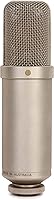
The Rode NTK stands as a serious contender for anyone looking to bring classic analog character into their modern studio space. Designed around a robust 1-inch gold-sputtered capsule, this premium tube mic excels at capturing the subtle nuances of professional vocal tracking and broadcasting. Unlike basic plug-and-play USB peripherals, this requires a dedicated audio interface to integrate into your setup, ensuring a proper signal chain for high-fidelity recording. Engineers and home studio owners alike appreciate how it bridges the gap between vintage warmth and contemporary reliability. By focusing on a straightforward, high-quality build, it avoids the pitfalls of overly complicated gear, allowing you to focus entirely on the performance at hand. It is a workhorse intended for daily, demanding session work where consistent audio quality is an absolute necessity.

Features & Benefits

At the heart of the large-diaphragm condenser is a hand-selected twin-triode 6922 valve, which imparts a musical, rounded tone to harsh frequencies rather than simply acting as a technical specification. This internal component works alongside an incredibly low noise floor to guarantee your audio captures remain free from distracting background hiss, even during quiet acoustic passages. Furthermore, the wide dynamic range easily accommodates highly expressive vocal performances, absorbing loud transients without introducing unwanted distortion into the mix. To help isolate the primary sound source in untreated rooms, the cardioid polar pattern rejects off-axis noise effectively. This combination of vintage-style harmonic richness and modern, rigorous engineering standards provides a reliable foundation for capturing pristine, mix-ready tracks right at the source.

Best For

When considering its primary applications, this valve microphone is heavily favored by studio vocalists actively searching for a rich, vintage tone character to anchor their mixes. It fundamentally changes how vocals sit in a track, requiring less corrective equalization later on. Voiceover professionals also benefit immensely from the inherent broadcast-ready presence it provides, giving spoken word projects a deep, authoritative weight that commands attention. Additionally, high-end streamers who prioritize top-tier XLR audio fidelity over simple desktop conveniences will find it a substantial upgrade for their daily broadcasts. It demands a proper acoustic environment and a quality preamp to truly shine, making it less suited for casual hobbyists but highly recommended for those actively producing commercial content or aiming for professional-grade vocal reproduction in their dedicated spaces.

User Feedback

Scanning through long-term owner experiences, musicians frequently praise the highly flattering vocal tone it produces straight out of the box. A common observation is the exceptionally quiet operation; many engineers note it rivals or beats expensive vintage equivalents when it comes to self-noise, keeping the recording totally clean. On the practical side, buyers strongly advise investing in a heavy-duty boom arm or robust straight stand before setting it up. The substantial weight means that it will easily cause cheaper microphone stands to droop or tip over mid-session. While the heavy power supply and thick cabling add to the overall setup footprint, most users agree that the resulting sonic warmth easily justifies the extra effort required to position the hardware securely in the vocal booth.

Pros

  • The Rode NTK utilizes a 6922 valve to deliver classic analog warmth and a flattering vocal tone.
  • It boasts an ultra-low noise floor, guaranteeing pristine audio captures without distracting background hiss.
  • A wide dynamic range handles loud, expressive vocal performances effortlessly without introducing unwanted distortion.
  • The unidirectional cardioid polar pattern effectively isolates the primary sound source from unwanted room ambiance.
  • Its robust 1-inch gold-sputtered capsule provides a broadcast-ready vocal presence that requires minimal post-processing.
  • Studio engineers consistently praise its ability to rival the sonic depth of much more expensive vintage equivalents.

Cons

  • The substantial packaged weight absolutely requires investing in a heavy-duty studio boom arm to prevent sagging.
  • It is strictly an XLR setup requiring external routing, lacking the plug-and-play convenience of USB models.
  • The dedicated external power supply and thick 7-pin cabling add significant bulk to your desk or booth.
  • Its highly sensitive capsule easily exposes environmental background noise in untreated rooms or home spaces.
  • The distinct vintage coloration imparted by the tube might clash with vocalists needing a perfectly flat response.
  • Buyers frequently report that the package lacks essential accessories like a dedicated high-quality shock mount.

Ratings

Our AI has analyzed thousands of verified global user reviews for the Rode NTK, actively filtering out spam and incentivized feedback to bring you an unbiased look. This comprehensive breakdown highlights both the undeniable strengths of this premium tube mic in the studio and the practical pain points you might encounter during setup.

Vocal Tone & Warmth
94%
Studio vocalists consistently praise the flattering, vintage analog warmth imparted by the hand-selected twin-triode 6922 valve. It adds a rich character to voiceover work and singing that minimizes heavy post-production EQ.
The distinct coloration might not suit every single voice type or genre, as some engineers prefer a flat response for modern pop. It fundamentally changes the raw sound, which isn't always desired.
Self-Noise & Signal Clarity
91%
For a valve-based condenser, reviewers are frequently amazed by the ultra-low noise floor maintained during quiet acoustic passages. This guarantees pristine audio captures without the distracting hiss commonly associated with vintage-style gear.
While the microphone itself is incredibly quiet, it easily exposes environmental noise or acoustic reflections in untreated rooms. You will quickly notice computer fans or street noise if your tracking space isn't soundproofed.
Build Quality & Durability
88%
The solid metal construction and premium gold-sputtered capsule feel incredibly robust in hand, giving buyers confidence in its studio lifespan. Owners note it survives daily, demanding session work without showing physical wear.
The sheer weight of the unit and external power supply makes it notoriously cumbersome to transport or reposition frequently. It is designed to be permanently mounted in a vocal booth rather than packed away.
Stand & Mounting Requirements
54%
46%
When secured on high-end studio hardware, the mounting system keeps the large-diaphragm condenser perfectly positioned over long recording blocks. The included proprietary cable securely locks into the base for a reliable connection.
Buyers overwhelmingly warn that standard, budget-friendly desktop stands and boom arms simply cannot support the substantial 14-pound packaged weight. You will absolutely need to invest in heavy-duty studio stands to prevent mid-take drooping.
Ease of Setup
61%
39%
Once everything is patched in, the actual operation is straightforward, allowing engineers to focus on setting gain levels over complex switches. The dedicated power supply unit runs efficiently without requiring deep technical knowledge.
This is strictly an XLR setup that requires external routing through an audio interface, lacking the plug-and-play convenience of USB alternatives. The thick 7-pin cable and bulky power supply add significant desk clutter.
Dynamic Range & Headroom
86%
The wide dynamic range handles highly expressive vocal performances and loud transients effortlessly without introducing unwanted harmonic distortion. Singers who naturally belt out choruses appreciate how well it absorbs volume spikes while maintaining clarity.
Because it is highly sensitive to loud plosives and sudden air bursts, a high-quality external pop filter is practically mandatory. Even with careful mic technique, raw recordings can clip if the vocalist gets too close.
High-Frequency Response
82%
18%
The frequency response reaching up to 20 KHz ensures that the crucial high-end air and breathiness in vocal tracks are captured beautifully. This gives voiceovers a broadcast-ready presence that cuts through complex mixes.
A minority of users report that the high-end can occasionally border on sibilant depending on the specific singer and acoustic environment. Taming those harsh sounds might require targeted de-essing during the mixing stage.
Versatility & Multi-Instrument Use
67%
33%
Beyond vocals, engineers have successfully used this valve microphone as a room mic or for tracking acoustic guitars, appreciating its organic depth. Its unidirectional cardioid pattern helps isolate these specific sound sources effectively.
Its heavy, colored tone and specific cardioid-only polar pattern limit its flexibility compared to multi-pattern workhorse condensers. It is highly specialized for upfront vocals and may struggle to accurately capture complex drum overheads.
Included Accessories
71%
29%
The package includes the necessary heavy-duty 7-pin cable and the dedicated external power supply required to drive the tube circuitry. These components are specifically designed to match the electrical demands of this exact unit.
Considering the premium tier, buyers are often disappointed by the lack of a high-quality shock mount or a hard-shell carrying case in the box. You will likely need to purchase a compatible third-party shock mount immediately.
Value for Money
78%
22%
For professional voiceover artists seeking genuine tube character, the sonic performance rivals boutique European microphones that cost significantly more. It delivers an undeniable upgrade in audio fidelity that justifies the steep initial investment.
For casual streamers or hobbyist podcasters, the high asking price and need for expensive ancillary gear like heavy stands makes it overkill. It is a massive financial commitment for those not generating income from their audio.

Suitable for:

The Rode NTK is an exceptional choice for dedicated studio vocalists and voiceover professionals seeking to add vintage analog warmth to their tracks. It fundamentally benefits singers who want a rich, flattering tone right at the source without relying heavily on post-production equalization. High-end streamers who prioritize top-tier XLR audio fidelity over simple plug-and-play convenience will also find it to be a significant upgrade for their broadcasts. It thrives in treated acoustic environments where its sensitive capsule can capture nuanced performances without picking up excessive room reflections. Anyone needing broadcast-ready presence and ultra-low self-noise for serious commercial audio production should strongly consider adding this valve microphone to their permanent recording setup.

Not suitable for:

Conversely, the Rode NTK is a poor fit for casual hobbyists, traveling podcasters, or gamers looking for a quick and easy desktop audio solution. Because it requires a dedicated external power supply and an audio interface with XLR inputs, the setup is far too complex and bulky for minimalists. Its hefty weight means it cannot be used with standard, budget-friendly boom arms without sagging or tipping over during a session. Furthermore, the sensitive nature of the large-diaphragm condenser makes it highly unforgiving in untreated, noisy bedrooms where computer fans and street traffic are easily audible. Finally, if you are recording instruments that demand a perfectly flat, uncolored frequency response, the inherent warmth of this tube gear might actually work against your mix.

Specifications

  • Microphone Type: It is a premium large-diaphragm valve condenser designed for studio applications.
  • Capsule Size: The unit features a 1-inch gold-sputtered capsule for sensitive audio capture.
  • Internal Valve: It utilizes a hand-selected twin-triode 6922 vacuum tube for analog warmth.
  • Polar Pattern: The microphone uses a unidirectional cardioid polar pattern to isolate the primary sound source.
  • Connectivity: Audio output is routed via standard XLR connector technology.
  • Output Impedance: The rated output impedance is 200 Ohms.
  • Signal-to-Noise Ratio: It maintains a 78 dB signal-to-noise ratio for clean recordings.
  • Frequency Response: The capsule captures a broad frequency range up to 20 KHz.
  • Power Source: It requires the included corded electric dedicated power supply to function.
  • Packaged Weight: The entire kit has a substantial packaged weight of 14.2 pounds.
  • Acoustic Principle: It operates on a pressure gradient acoustic principle for natural sound reproduction.
  • Address Type: This is a side-address microphone requiring you to speak directly into the front face.

Related Reviews

Rode Reporter
Rode Reporter
83%
94%
Vocal Clarity
91%
Build Quality
93%
Ease of Positioning
92%
Professional Aesthetics
58%
Background Noise Rejection
More
Rode Mini Boompole
Rode Mini Boompole
86%
93%
Portability & Weight
89%
Ease of Setup
85%
Build Quality & Durability
87%
Flexibility & Reach
91%
User-Friendliness
More
Rode S1 Microphone
Rode S1 Microphone
87%
94%
Sound Quality
91%
Build Quality
85%
Noise Isolation
89%
Durability
88%
Ease of Use
More
Rode NT1 4th Gen
Rode NT1 4th Gen
87%
94%
Audio Clarity
88%
Background Noise Isolation
90%
Build Quality
89%
Ease of Setup
92%
Value for Money
More
Rode VideoMic with Rycote Lyre
83%
92%
Vocal Clarity
94%
Vibration Isolation
89%
Build Durability
91%
Ease of Use
58%
Power Management
More
Rode SmartLav+
Rode SmartLav+
80%
92%
Audio Quality Upgrade
54%
Modern Device Compatibility
88%
Vocal Clarity & Placement
87%
Ease of Use and Setup
84%
Value for Money
More
Rode NT5 Matched Pair
89%
94%
Sound Quality
89%
Build Quality
91%
Noise Performance
86%
Versatility
88%
Ease of Use
More
Rode VideoMicro
Rode VideoMicro
86%
93%
Build Durability
97%
Size and Weight
98%
Power Convenience
91%
Wind Protection
89%
Accessories Value
More
Rode NTG5 Shotgun Microphone Kit
88%
95%
Audio Clarity
92%
Portability & Weight
88%
Build Quality & Durability
90%
Ease of Use
93%
Microphone Performance
More
Rode Podcaster
Rode Podcaster
81%
88%
Audio Quality & Vocal Tone
92%
Background Noise Rejection
94%
Build Quality & Durability
68%
Mounting & Stand Compatibility
89%
Ease of Setup
More

FAQ

Yes, because it is an XLR microphone, you cannot plug it directly into your computer via USB. You will need an audio interface to convert the analog signal to digital. However, since it comes with its own dedicated power supply to drive the internal tube, you will not need to use phantom power from your interface.

Generally, no. Due to the heavy solid metal construction, standard or budget boom arms will easily sag or tip over. We highly recommend investing in a heavy-duty, professional-grade studio stand to ensure your gear stays securely in place during recording sessions.

Out of the box, it includes a basic stand mount, but it does not come with a dedicated suspension shock mount. Given how sensitive the capsule is to floor vibrations, purchasing a compatible third-party shock mount is a smart upgrade for cleaner vocal tracks.

Vacuum tubes are like lightbulbs and will eventually need replacing, but they typically last for several years of regular studio use. If you start noticing an increase in background hiss, a drop in output level, or crackling sounds, it might be time to swap out the tube. The replacement process is straightforward for most audio engineers.

Absolutely! While it is famous for flattering vocals, that same analog warmth works beautifully on acoustic instruments. It captures the rich resonance of the guitar body while maintaining enough high-end clarity for the strumming details.

The twin-triode valve inside requires significantly more voltage than standard 48V phantom power can provide. The included external box ensures the internal components receive the precise, clean power necessary to deliver that ultra-low noise floor and wide dynamic range.

It can be challenging. Because the gold-sputtered capsule is extremely sensitive, it will easily pick up computer fan noise, street traffic, or room echoes. To get the best results, you should use it in a reasonably treated acoustic environment or use a vocal isolation shield.

No, it is purely an analog piece of hardware. Any software or driver requirements will depend entirely on the audio interface you choose to connect it to your computer. Once patched into your interface, your recording software will recognize the input signal immediately.

It is best practice to turn on the power supply and let the microphone sit for about 15 to 30 minutes before you hit record. This allows the internal valve to reach its optimal operating temperature, ensuring you get the most consistent and warmest tone possible.

It uses a specialized heavy-duty 7-pin XLR cable, which is included in the box. This multi-pin cable carries both the audio signal and the high voltage required for the tube, while a standard 3-pin XLR cable connects the power supply box to your audio interface.