Overview

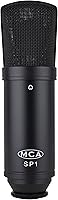
The MXL MCA-SP1 Studio Condenser Microphone is MXL's answer to creators who want a proper XLR signal chain without paying flagship prices. MXL, a brand under Marshall Electronics, has spent decades building affordable studio gear with a reputation that punches above its cost. Pick this up and the first thing you notice is the solid all-metal body — it feels more substantial than you might expect at this price tier. That said, expectations matter here. This is an entry-level condenser, not a professional workhorse, and it requires 48V phantom power from an audio interface or mixer to function at all. No interface, no signal — something beginners often overlook before buying.
Features & Benefits

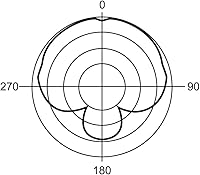
The cardioid polar pattern is where this XLR condenser earns its keep in real-world use. By focusing pickup directly in front and rejecting sound from the sides and rear, it does a solid job cutting down room ambience — useful when your recording space isn't acoustically treated. The signal-to-noise ratio sits at 78 dB, which is respectable at this tier and keeps background hiss at bay. Frequency response runs the full 20 Hz to 20 kHz range, capturing voice with natural clarity rather than a hyped or colored sound. The XLR output and 200-ohm impedance mean it plays nicely with virtually any standard interface. A hard-mount stand adapter is included, so you're ready to record without hunting for extra hardware.

Best For

This entry-level studio mic is a natural fit for streamers and podcasters who've outgrown their USB mic and want to step into a real XLR workflow. If you already own a basic audio interface — or you're planning to buy one — the MCA-SP1 slots in without friction. It's also worth considering for voiceover work and spoken-word content, where clean, unfussy vocal reproduction matters more than studio-grade nuance. Remote workers and educators recording in reasonably quiet rooms will find it holds its own. It's not for anyone chasing a rich, characterful low end or recording loud instruments at close range — but for budget-conscious creators who need a dependable condenser with professional connectivity, it covers the bases.

User Feedback

With a 4.2-star average across 46 ratings, the sample size is small enough that any pattern should be taken with some caution — but the feedback that does exist leans positive. Many buyers highlight the clean, clear sound for the money and appreciate that the metal build doesn't feel cheap. Switching from a USB mic, some users note the XLR setup takes adjustment but find the audio quality jump makes it worthwhile. On the downside, a few reviewers mention the low-end response feels thin compared to pricier condensers, and those recording in untreated rooms report it can pick up more ambient room noise than expected. Nothing unusual for a mic at this tier, but worth knowing before you buy.

Pros

  • All-metal body feels genuinely solid and durable for a budget-tier microphone.
  • XLR connectivity works with virtually any standard audio interface or mixer on the market.
  • The cardioid pattern does a decent job rejecting background noise from the sides and rear.
  • A 78 dB signal-to-noise ratio keeps audio clean without distracting background hiss.
  • Full 20 Hz to 20 kHz frequency response captures natural vocal clarity without harshness.
  • Comes with a hard-mount stand adapter included, so you can set up without buying extra accessories.
  • The MCA-SP1 is a practical step-up option for creators outgrowing their USB microphone setup.
  • 200-ohm impedance pairs reliably with most phantom-powered preamps and entry-level interfaces.
  • MXL has a long track record in affordable studio gear, giving this mic some brand credibility.

Cons

  • Requires a separate 48V phantom power source — no audio interface means no audio, full stop.
  • Low-end response feels noticeably thin compared to mid-range condenser microphones.
  • Sensitivity to room noise can be an issue in untreated or echoey recording spaces.
  • Only 46 ratings on Amazon, making it hard to draw firm conclusions about long-term reliability.
  • No shock mount included, so vibrations from desks or stands can transfer into recordings.
  • Not suitable for instrument recording or music production where tonal richness matters.
  • The learning curve of an XLR signal chain may frustrate complete beginners expecting simplicity.
  • No USB connectivity option, which limits flexibility if you switch between recording setups.

Ratings

The MXL MCA-SP1 Studio Condenser Microphone has been evaluated by our AI system after analyzing verified user reviews from buyers worldwide, with spam, bot-generated feedback, and incentivized reviews actively filtered out before scoring. The ratings below reflect a balanced picture of where this entry-level XLR condenser genuinely delivers and where real buyers have run into frustration. Both strengths and recurring pain points are transparently represented across each category.

Audio Clarity
77%
23%
For a budget XLR condenser, many buyers are pleasantly surprised by how clean and natural the vocal reproduction sounds, particularly for spoken-word content like podcasts and streaming commentary. The full-range frequency response keeps voices sounding accurate rather than artificially boosted or dull.
The clarity advantage narrows considerably in untreated rooms, where the mic's condenser sensitivity picks up enough ambient noise and room reflection to muddy the signal. A few users note that in back-to-back comparisons with mid-range condensers, the difference in resolution becomes hard to ignore.
Build Quality
84%
The all-metal body is one of the most frequently praised aspects of this entry-level studio mic, with buyers consistently noting it feels more robust than competitors at a similar price point. Streamers and podcasters who keep it permanently mounted report no signs of wear even after extended daily use.
While the chassis itself is solid, a handful of users mention that the included hard-mount adapter feels slightly less refined than the main body, with some wobble depending on the stand threading. There is also no shock mount included, which means mechanical vibrations from desks can creep into recordings.
Value for Money
81%
19%
Buyers who already own an audio interface consistently rate the overall value favorably, noting that the MCA-SP1 delivers a noticeably cleaner signal than most USB microphones in the same price bracket. For someone building a first XLR chain on a tight budget, the metal build and solid audio performance make it a defensible choice.
The value equation shifts if you factor in the cost of a phantom-powered audio interface, which is a required purchase for anyone who does not already own one. A few buyers feel that slightly more investment would have opened up options with better low-end response and lower self-noise.
Ease of Setup
58%
42%
For buyers who already have an XLR-capable interface in their setup, getting the MCA-SP1 up and running is genuinely straightforward: plug in the XLR cable, enable phantom power, and the mic is live within seconds. The included stand adapter means there is one fewer accessory to track down before your first session.
Complete beginners routinely underestimate what this mic requires to function, and the lack of clear in-box guidance about the phantom power requirement has caused real frustration. Several buyers report ordering the mic only to discover they need to purchase an audio interface separately before they can produce any sound at all.
Noise Rejection
69%
31%
The cardioid polar pattern does a reasonable job of keeping keyboard clatter, fan hum, and off-axis room chatter out of the recording during typical home streaming sessions. Users in moderately quiet rooms report that the directional pickup handles their environment well without needing extra acoustic treatment.
In less controlled spaces, the condenser capsule's natural sensitivity works against it, picking up room reflections and ambient noise that a dynamic microphone in the same position might ignore. Some users recording near HVAC vents or in hard-floored rooms have found the noise floor more intrusive than expected.
Low-End Response
54%
46%
For voice-forward content like podcasting, commentary, and online teaching, the low-end response is adequate and keeps the voice sounding natural rather than bass-deficient. Buyers using it primarily for speech rather than music rarely flag the low end as a problem in their specific use case.
Anyone expecting a warm, full-bodied vocal tone will find the low-end reproduction noticeably thin. Several buyers who tested it for music recording or voiceover work requiring a richer timbre were disappointed and ended up applying significant EQ boosts to compensate, with mixed results.
Compatibility
88%
The standard XLR output and 200-ohm impedance make this condenser compatible with virtually every phantom-powered audio interface and mixer on the market, from entry-level units to more advanced setups. Buyers report it working flawlessly with popular beginner interfaces without any configuration issues.
The compatibility story breaks down for anyone hoping to use it with a USB-only device or without a dedicated interface, which is not an uncommon scenario among first-time buyers. There is no USB adapter or alternative connection path, making the phantom power requirement a firm constraint with no workaround.
Self-Noise Level
71%
29%
The 78 dB signal-to-noise ratio keeps the noise floor at a level that most buyers find acceptable for streaming and podcast production, where a small amount of background hiss is easily managed in post or masked by room ambience. Users recording voiceovers in quiet spaces generally find the self-noise unobtrusive.
In critical listening or high-gain recording scenarios, the self-noise becomes more perceptible, particularly when the preamp gain is pushed higher to compensate for quiet sound sources. Buyers used to condensers with SNR figures above 80 dB may find the noise floor slightly less comfortable for detailed work.
Accessories Included
62%
38%
The hard-mount stand adapter included in the box is a practical addition that lets buyers get mounted and recording without an immediate extra purchase, which is a genuine convenience for those who already have a basic mic stand at home.
The accessory bundle essentially stops there. No pop filter, no shock mount, no carrying pouch, and no XLR cable are included, meaning most buyers will need to budget for at least one or two additional items before their setup is fully functional and protected from vibration and plosives.
Vocal Performance
76%
24%
For spoken-word applications, the MCA-SP1 captures voice with a clean, relatively neutral character that works well for podcasting, online teaching, and streaming without requiring heavy processing after the fact. Many buyers switching from USB mics describe the vocal improvement as immediately noticeable.
The vocal performance has clear limits when tested for singing or expressive voiceover work that demands dynamic range and tonal depth. The frequency response, while technically full-range on paper, lacks the nuance and body that more expensive condensers bring to vocal recordings.
Durability
79%
21%
The metal construction gives the microphone a long-term durability advantage over plastic-bodied alternatives in the same price range, and users who have owned it for extended periods report no structural issues with regular desk-mounted use.
The condenser capsule inside is still a sensitive component that requires careful handling, and the absence of a protective case or pouch in the packaging means buyers need to source their own storage solution to avoid accidental damage during transport or storage.
Frequency Accuracy
73%
27%
The 20 Hz to 20 kHz frequency response captures the full range of vocal content without introducing the harsh high-frequency peaks or artificially scooped midrange that some budget condensers exhibit. Buyers using it for voiceover work appreciate the relatively honest, uncolored sound.
While the frequency response is technically wide, the actual reproduction at the frequency extremes is less impressive in practice than the spec implies, which is common at this tier. The upper midrange occasionally comes across as slightly forward in close-mic applications, requiring minor EQ adjustment.
Streaming Suitability
82%
18%
Among buyers who purchased this specifically for streaming, satisfaction rates trend positive, with many reporting that their audience noticed an audio quality improvement over their previous USB setup. The cardioid pattern and reasonable noise floor make it a functional daily-driver for content creators.
Streamers without a dedicated recording space or acoustic treatment may find the mic captures more of their environment than they want listeners to hear. The requirement for a phantom-powered interface also adds a layer of hardware complexity that not every streamer's desk setup is ready for.

Suitable for:

The MXL MCA-SP1 Studio Condenser Microphone is a strong starting point for creators who are ready to move beyond the limitations of USB microphones and commit to a proper XLR audio setup. Streamers, podcasters, and voiceover artists working in reasonably quiet home environments will find it handles spoken-word content with clean, unfussy clarity that suits the task. If you already own a phantom-powered audio interface or a mixer with 48V phantom power, this XLR condenser drops right into that chain without any compatibility headaches. Educators recording lessons, remote workers dialing up their audio quality for video calls, and budget-conscious beginners who want a metal-bodied condenser without a steep investment will all find it fits their needs well. It rewards buyers who go in with realistic expectations and a basic understanding of what an XLR signal chain involves.
Not suitable for:

The MXL MCA-SP1 Studio Condenser Microphone is not the right choice for anyone expecting a plug-and-play experience straight out of the box. It requires 48V phantom power from a separate audio interface or mixer — without that, you simply will not get a signal, and that catches a surprising number of beginners off guard. Creators chasing a full, warm low end for music production or instrument recording will find this entry-level studio mic falls short; its character skews toward clean vocal reproduction rather than rich tonal depth. It is also not well-suited for loud or acoustically challenging environments, as the cardioid pickup, while functional, can still capture noticeable room noise in untreated spaces. Buyers looking for a mic that competes with mid-range or professional condensers should look elsewhere — this one is firmly positioned at the budget tier, and it should be evaluated on those terms.

Specifications

  • Polar Pattern: Cardioid pickup pattern focuses on sound directly in front of the mic while rejecting noise from the sides and rear.
  • Connector: Standard 3-pin XLR output for compatibility with audio interfaces, mixers, and phantom-powered preamps.
  • Phantom Power: Requires 48V phantom power supplied by an external audio interface or mixer — the mic will not operate without it.
  • Signal-to-Noise: Signal-to-noise ratio of 78 dB delivers reasonably clean audio output with minimal self-noise at this price tier.
  • Frequency Response: Captures audio across the full 20 Hz to 20 kHz range, covering the complete spectrum of human hearing.
  • Impedance: Output impedance of 200 Ohm pairs reliably with most standard phantom-powered preamps and entry-level audio interfaces.
  • Max SPL: Maximum sound pressure level of 135 dB allows the mic to handle moderately loud vocal sources without distorting.
  • Body Material: Full metal construction provides durability and a solid feel uncommon in many competing budget-tier microphones.
  • Dimensions: Measures 47mm x 180mm (1.85″ x 7″), a classic large-body condenser form factor that fits standard mic stand mounts.
  • Weight: Weighs 544g (approximately 1.2 lbs), giving it a substantive feel without being unwieldy on a standard mic stand.
  • Channels: Mono single-channel output, suited for vocals, voiceover, podcasting, and spoken-word recording applications.
  • Included Accessory: Ships with a hard-mount mic stand adapter so the microphone can be positioned on a standard stand straight out of the box.
  • Color: Available in black, with a matte finish that minimizes visual distractions in streaming and video recording setups.
  • Manufacturer: Made by MXL, a brand operated under Marshall Electronics, a company with decades of experience in affordable studio equipment.
  • Form Factor: Large-body studio condenser design, consistent with the classic side-address capsule layout common in professional recording environments.

Related Reviews
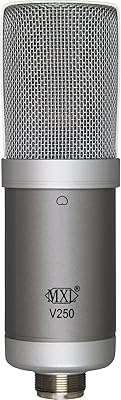
MXL V250 Condenser Microphone
73%
76%
Vocal Sound Quality
84%
Value for Money
61%
Noise Floor & Sensitivity
67%
Build Quality
81%
Ease of Setup
More
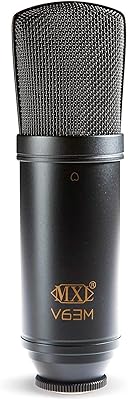
MXL V63M Condenser Studio Microphone
75%
83%
Sound Quality
81%
Build Quality
86%
Vocal Performance
74%
Noise Performance
79%
Value for Money
More
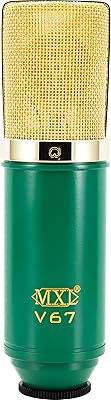
MXL V67G Large-diaphragm Condenser Microphone
77%
83%
Sound Quality
88%
Value for Money
76%
Build Quality
61%
Ease of Setup
74%
Noise Performance
More
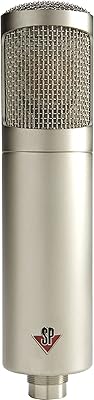
Studio Projects C1 Large-Diaphragm Condenser Microphone
80%
91%
Sound Quality
89%
Capsule Performance
88%
Build Quality
86%
Value for Money
47%
Accessories Included
More
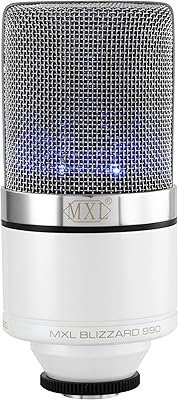
MXL 990 Blizzard Condenser Microphone
85%
91%
Sound Quality
89%
Ease of Use
85%
Background Noise Rejection
82%
Build Quality
78%
LED Lighting Appeal
More
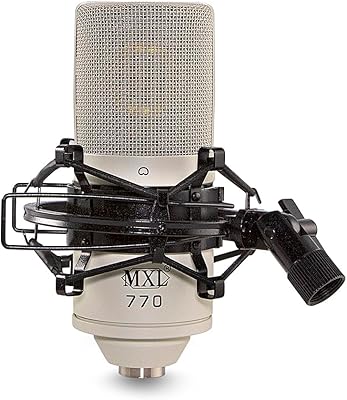
MXL 770
MXL 770
85%
88%
Vocal Clarity
93%
Build Durability
96%
Value for Money
74%
Background Noise Rejection
89%
Feature Versatility
More
MXL 2003A Large-Diaphragm Condenser Microphone
77%
78%
Sound Character
61%
Self-Noise Level
82%
Build Quality
84%
Value for Money
86%
Included Accessories
More
Behringer B-1
Behringer B-1
82%
88%
Vocal Clarity
91%
Build Quality & Durability
94%
Value for Money
86%
Acoustic Instrument Tracking
79%
Background Noise Rejection
More
Behringer C-2 Stereo Condenser Microphone Pair
79%
91%
Value for Money
78%
Sound Quality
74%
Stereo Matching Accuracy
83%
Build Quality
86%
Ease of Setup
More
Audio-Technica AT2041SP Studio Pack
81%
91%
Vocal Recording Performance
84%
Acoustic Instrument Capture
88%
Value for Money
82%
Build Quality
86%
Noise Floor & Signal Clarity
More

FAQ

Yes, and this is the most important thing to know before buying. The MXL MCA-SP1 Studio Condenser Microphone requires 48V phantom power to operate, which means you need an audio interface or a mixer that supplies it. Without that, you will get no signal at all. A standard mic stand is also helpful, though a hard-mount adapter is included in the box.

No, this is an XLR microphone, not a USB mic. It needs to connect to an audio interface or a mixer with an XLR input and 48V phantom power before that signal reaches your computer. If you want something that plugs straight into a USB port, this is not the right choice.

It works well for streaming if you already have an audio interface in your setup. The cardioid pattern helps keep keyboard and room noise out of the recording, and the clean vocal reproduction is solid for the price. Just keep in mind that the mic is sensitive enough to pick up room echo if your space is not treated or at least softened with some furnishings.

The audio quality ceiling is generally higher with an XLR condenser like the MCA-SP1 compared to most budget USB mics, largely because your audio interface handles the analog-to-digital conversion rather than a cheap chip inside the mic itself. The trade-off is setup complexity and cost, since you need to factor in the price of the interface. If you are willing to make that investment, the step up in quality is usually noticeable.

Yes, that is actually a very common pairing. The Scarlett Solo and similar entry-level interfaces supply 48V phantom power and accept XLR connections, so this condenser will work without any issues. The 200-ohm impedance is also a comfortable match for the preamps found in that class of interface.

No, neither is included. The box only contains the microphone and a basic hard-mount stand adapter. If you are recording vocals or podcast content, a pop filter is a worthwhile addition to reduce plosive sounds, and a shock mount will help prevent desk vibrations from rumbling into your audio.

Honestly, it is not this mic's strongest suit. The low-end response is present but on the thinner side, which is typical for budget condensers in this category. For spoken word, podcasting, and streaming it is perfectly adequate, but if you are trying to capture bass-heavy instruments or want a warm, full vocal sound for music production, you would likely want to look at something with a higher price tag.

It is reasonably sensitive, as most condenser microphones are by nature. The cardioid pattern does a decent job of rejecting sound from the sides and rear, but if your room is hard-walled, echoey, or has a lot of ambient noise, you will hear it in your recordings. Recording in a carpeted room, near bookshelves, or with some acoustic panels makes a noticeable difference.

The all-metal body is one of the standout practical qualities of this XLR condenser. It feels solid and does not have the plasticky fragility you find on some competing mics at this price. That said, condenser capsules are still delicate components, so you should avoid dropping it and store it somewhere safe when not in use.

The mic itself is software-agnostic. Once it is connected to your audio interface and your interface is connected to your computer, any recording software will recognize it as an audio input. Free options like Audacity or GarageBand work fine for beginners, and most popular streaming software like OBS or Streamlabs will also pick it up without any special configuration.