
Overview
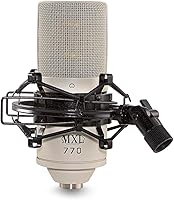
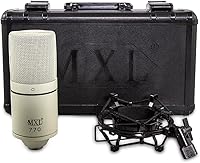
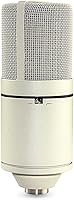
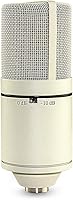
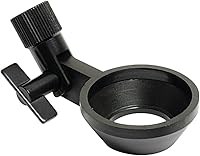
Choosing the MXL 770 often feels like a rite of passage for anyone getting serious about home recording. For years, this XLR microphone has maintained its reputation as a reliable entry point into the world of professional audio without breaking the bank. When you first pull it out of the box, the sturdy all-metal construction immediately stands out, feeling much more substantial than the plastic-heavy alternatives usually found at this price point. It arrives tucked inside a rugged carrying case alongside a dedicated shock mount, which is a nice touch for those starting from scratch. The vintage white finish gives it a classic studio look, though you will definitely notice its significant weight, requiring a decent boom arm to keep it steady during long sessions.
Features & Benefits
This studio workhorse relies on a high-quality FET preamp to keep the signal path clean and transparent, which is vital when you are trying to capture nuanced vocal takes. If you find yourself recording louder sources like a snare drum or a cranked guitar amp, the -10dB attenuation pad is an essential tool to prevent digital clipping before the sound even hits your interface. For those working in less-than-perfect rooms, the low-frequency roll-off switch helps filter out unwanted hum from air conditioners or distant traffic. The tight cardioid polar pattern does a solid job of rejecting background noise from the sides and rear, ensuring the focus remains squarely on the performer rather than the room acoustics.
Best For
This condenser mic is a standout choice for home studio owners who prioritize a warm vocal sound but do not have a massive budget to spend on boutique gear. It serves as a logical next step for streamers currently stuck with a basic USB setup who want to move into a professional XLR microphone setup for better control. Podcasters will appreciate the crisp high-end detail that makes dialogue pop, while acoustic guitarists can use it to capture the natural resonance of their instrument in quiet settings. Just keep in mind that you will absolutely need an audio interface capable of providing 48V phantom power to get any sound out of this unit at all.
User Feedback
Long-term owners frequently praise the surprising high-end clarity this XLR microphone delivers, often comparing it favorably to models that cost twice as much. While its durability is rarely questioned thanks to that heavy metal frame, some beginners are caught off guard by the strict requirement for phantom power. A common point of discussion among users is how sensitive the capsule actually is; while this allows for great detail, it also means every slight echo in an untreated room becomes audible. It is a tool that rewards good technique and a bit of sound dampening, but its proven longevity makes it a favorite for those who want a piece of gear that lasts through years of experimentation.
Pros
- The all-metal housing feels exceptionally durable and outclasses the plastic builds of many competitors.
- This studio workhorse includes a dedicated shock mount and a hard-shell carrying case at no extra cost.
- The integrated -10dB pad is a lifesaver when recording loud sources like guitar cabinets or drums.
- A built-in low-frequency roll-off switch effectively cuts out floor vibrations and low-end room rumble.
- The MXL 770 delivers high-end clarity that helps vocals stand out in a busy mix without heavy editing.
- Its cardioid polar pattern provides reliable isolation by focusing on the sound directly in front of the capsule.
- The vintage white finish offers a high-end aesthetic that looks great on camera for video content creators.
- The low-noise FET preamp ensures your recordings remain clean and free from unwanted electronic hiss.
Cons
- The MXL 770 requires an external 48V phantom power source to function, which adds to the total setup cost.
- Its high sensitivity can make it pick up unwanted mouth noises and subtle background echoes in untreated rooms.
- The sheer weight of the microphone requires a high-quality boom arm rather than a cheap, flimsy desk stand.
- The high-frequency boost can sometimes sound a bit harsh or sibilant on certain vocal types.
- The onboard toggle switches are quite recessed and difficult to flip without using a small tool.
- The included shock mount can be tricky to tighten enough to hold the heavy mic at steep angles.
- There is no visual indicator or LED on the body to signal that the mic is receiving power.
- The included carrying case latches are made of plastic and may become brittle or break over time.
Ratings
Our analysis of the MXL 770 combines thousands of verified global reviews with a rigorous filter to strip away bot-driven hype and incentivized feedback. These scores reflect a transparent look at how this XLR microphone performs in real-world home studios, highlighting both its professional strengths and its specific hardware limitations.
Vocal Clarity
Build Durability
Value for Money
Background Noise Rejection
Feature Versatility
Aesthetic Design
Acoustic Guitar Performance
Shock Mount Quality
Packaging & Protection
Ease of Setup
Suitable for:
The MXL 770 is a premier choice for aspiring content creators and home musicians who are ready to move beyond the limitations of USB microphones. Its robust FET preamp and balanced frequency response make it particularly well-suited for vocalists and podcasters seeking that crisp, professional shimmer in their recordings. If you are an acoustic guitarist working in a quiet, carpeted room, this condenser mic will capture the delicate transients and resonance of your instrument with impressive detail. It also appeals to budget-conscious streamers who want a sophisticated, vintage-looking setup that provides much better off-axis noise rejection than standard headset mics. Ultimately, it serves anyone looking for a durable, long-term studio entry point that can grow with their technical skills.
Not suitable for:
This XLR microphone is not a plug-and-play solution for casual users who lack an audio interface or a mixer with 48V phantom power. Because it is a highly sensitive condenser, the MXL 770 can be a frustration for those recording in noisy environments or rooms with lots of hard, reflective surfaces like tile or hardwood. Mobile creators or vloggers who need a lightweight, portable setup should look elsewhere, as its heavy metal chassis requires a sturdy, fixed boom arm to prevent sagging. Additionally, performers with naturally piercing or sibilant voices might find the high-end boost a bit too aggressive without significant post-processing. It is also not ideal for field recording where weather resistance or extreme portability are high priorities.
Specifications
- Transducer Type: The MXL 770 features a large-diaphragm pressure gradient condenser design for professional sound capture.
- Polar Pattern: This model utilizes a fixed cardioid unidirectional pattern to isolate the primary sound source and reduce side-room noise.
- Frequency Response: The microphone is rated for a frequency range that reaches up to 16 KHz for crisp high-end detail.
- Signal-to-Noise: The unit maintains a 87 dB signal-to-noise ratio to ensure clean recordings with minimal background hiss.
- Output Connection: Connectivity is handled via a standard 3-pin XLR-F connector found on most professional audio equipment.
- Power Requirement: Operation requires a constant 48V phantom power supply from an external audio interface or mixer.
- Internal Circuitry: A low-noise FET preamp is integrated to provide a balanced output and high-quality signal reproduction.
- Attenuation Pad: A switchable -10dB pad is built into the chassis to handle high-volume sound sources without clipping.
- Bass Filter: The onboard low-frequency roll-off switch helps eliminate subsonic rumble below 150 Hz.
- Housing Material: The entire chassis is constructed from durable metal for enhanced longevity and electromagnetic shielding.
- Dimensions: The microphone body measures approximately 2.32″ by 6.22″ in size.
- Weight: The standalone microphone unit weighs approximately 1100 grams or roughly 2.43 pounds.
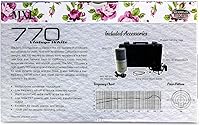
- Included Accessories: Every unit ships with a custom-fit shock mount and a rugged plastic carrying case for storage.
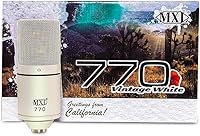
- Finish: This specific variant features a Limited Edition Vintage White finish with gold-accented lettering.
- Equivalent Noise: The internal noise level is rated at 20 dB (A-weighted) for relatively quiet operation in studio settings.
Related Reviews
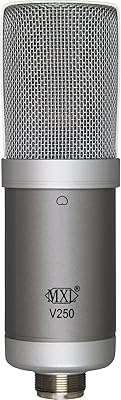
MXL V250 Condenser Microphone
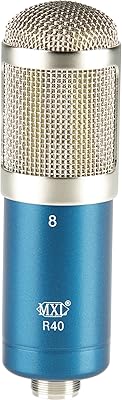
MXL R40 Ribbon Microphone
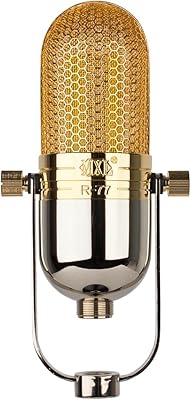
MXL R77 Ribbon Microphone
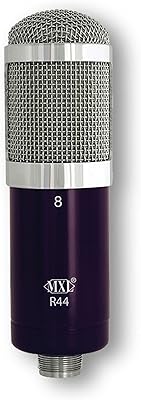
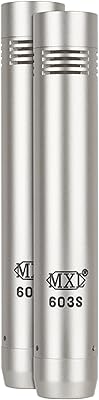
MXL 603S Small-diaphragm Condenser Microphone
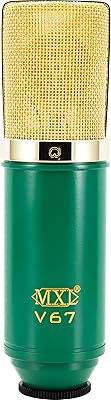
MXL V67G Large-diaphragm Condenser Microphone
NETGEAR Orbi 770 RBE773
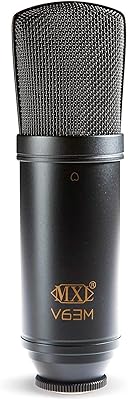
MXL V63M Condenser Studio Microphone
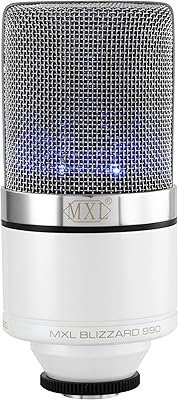
MXL 990 Blizzard Condenser Microphone