Overview

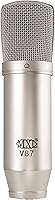
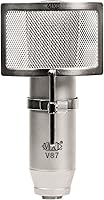
The MXL V87 Low-Noise Condenser Microphone has quietly built a loyal following since its 2004 release — a rare feat in a category where new models constantly crowd the shelves. Made by Marshall Electronics under the MXL brand, it occupies a solid mid-tier space, targeting home studio vocalists and semi-pro musicians who need professional-grade sound without overspending. The V87 runs on a FET solid-state circuit, which lends it a consistently warm character that never feels artificially hyped. It's XLR-only, so you'll need phantom power and an audio interface — this is not a plug-and-play mic. The compact silver body, roughly 47mm by 190mm, sits cleanly on any standard stand and takes up minimal space in tight recording setups.

Features & Benefits

What sets this condenser mic apart from louder, brighter alternatives in its tier is how little it colors the source. That 85.5 dB SNR isn't just a spec — it means the mic stays quiet between syllables and phrases, which matters a great deal in rooms that aren't acoustically treated. The cardioid polar pattern handles off-axis noise well, keeping ambient sounds out of your takes without needing a sealed booth. Proximity effect is unusually low, so singers who naturally work close won't end up fighting muddy low-end buildup in the mix. The full 20kHz frequency ceiling captures fine detail in acoustic instruments and vocals alike. Worth noting early: no shock mount is included, so factor that into your overall budget.

Best For

If you record R&B or pop vocals in a home setup, MXL's low-noise cardioid is worth serious consideration — the warmth it adds suits those genres without being overbearing. Acoustic guitar and piano players will also find it a natural fit, since the mic prioritizes smoothness over the kind of hyped brightness that can make string recordings feel harsh under headphones. Podcasters and voice-over artists who already own an audio interface will notice an immediate improvement over any USB mic. That said, if your vocal tone already leans warm or dark, this mic may not offer the clarity and air that brighter condensers provide. It's built to last, not to be outgrown in six months.

User Feedback

Buyers consistently praise the V87 for its vocal warmth, with many noting it sits noticeably smoother than brighter condensers at a similar price — a recurring theme especially among R&B and pop vocalists. Durability gets frequent mentions too; the all-metal construction feels solidly built, and several long-term owners report years of regular use without issues. The main complaints center on what's missing from the box: there's no shock mount or carrying case included, which means additional spend before the mic is truly ready to record cleanly. A handful of buyers note that the mic's sensitivity to room reflections caught them off guard, and acoustic treatment becomes more or less mandatory. Vocalists with naturally bright or airy tones occasionally find it a touch too smooth.

Pros

  • Delivers a consistently warm, smooth vocal character that flatters a wide range of mid-range voices.
  • An 85.5 dB signal-to-noise ratio keeps background hiss low, even in rooms without full acoustic treatment.
  • The cardioid polar pattern rejects off-axis sound effectively, reducing room noise and ambient bleed in takes.
  • Unusually low proximity effect makes close-mic recording forgiving, avoiding the boominess many condensers produce at short distances.
  • Acoustic guitar and piano recordings come out smooth and detailed without any aggressive presence peak.
  • The all-metal body feels genuinely durable — many long-term owners report years of reliable, trouble-free use.
  • A standard 200-ohm output impedance pairs cleanly with most preamps and audio interfaces right out of the box.
  • In continuous production since 2004, the V87 has a real-world track record that newer alternatives often lack.
  • The compact form factor fits standard mic stands easily and works well in smaller home recording booths.

Cons

  • No shock mount is included, adding meaningful cost before the mic is ready for vibration-free recording.
  • No carrying case is provided, leaving buyers responsible for sourcing their own protection during transport.
  • XLR-only connectivity means a phantom-powered audio interface is a mandatory additional investment for most buyers.
  • Vocalists with naturally bright or airy tones may find this condenser mic makes recordings feel overly smooth.
  • Highly sensitive to room reflections, making some level of acoustic treatment effectively non-negotiable for clean results.
  • Buyers switching from dynamic microphones will likely need time to adjust to its greater sensitivity to room noise.
  • Some buyers in this tier will find newer designs offering updated capsule technology and additional onboard features.
  • The warm tonal character that suits vocals can feel limiting for sources that benefit from a more neutral or extended high end.

Ratings

Our scores for the MXL V87 Low-Noise Condenser Microphone were generated by AI after analyzing thousands of verified buyer reviews worldwide, with spam, bot submissions, and incentivized feedback actively filtered out. The result is a balanced picture that reflects both where this condenser mic genuinely over-delivers for its target audience and where it consistently falls short. Every score, high or low, is grounded in real-world usage patterns reported by documented buyers.

Vocal Sound Quality
86%
The V87 delivers a warm, smooth vocal character that works particularly well for R&B, pop, and singer-songwriter recordings where harshness is the enemy. Reviewers consistently describe it as one of the more flattering condensers in its price tier for naturally mid-warm voices, with a top end that stays controlled without sounding dull.
Vocalists with naturally bright or airy tonal qualities sometimes find that this condenser mic softens their signature too much, rounding off the presence and clarity that defines their sound. It's a real trade-off: the same smoothness that flatters warmer voices can make brighter voices sound slightly veiled.
Build Quality
88%
The all-metal silver body is one of the most consistently praised aspects of the V87 across years of buyer feedback — users describe it as feeling genuinely solid in hand, not hollow or flimsy. Several long-term owners report using the same unit for five or more years without any mechanical issues.
A few buyers note that the finish can show light scratching over time when the mic is transported without a case — which is more likely given that no case is included in the box. The lack of any protective carry solution means longevity depends heavily on how carefully each owner handles storage.
Value for Money
79%
21%
For buyers who already own an audio interface, the V87 offers a genuinely competitive level of audio quality for the asking price, particularly for vocal and acoustic recordings in home studio settings. Its 20-year track record means you're buying a known quantity rather than gambling on a newer, unproven design.
The absence of a shock mount and carrying case in the box effectively raises the real-world cost of getting this condenser mic into a usable recording state, which frustrates buyers who compare sticker price to what comparable bundles offer. When you factor in a decent shock mount, the value proposition becomes less clear-cut.
Noise Performance
91%
An 85.5 dB signal-to-noise ratio puts this condenser mic among the cleaner performers in its class — in practical terms, that means quieter silences between takes, less hiss in the noise floor, and more headroom to record softly without the mic circuit adding unwanted texture. Home studio users in moderately noisy environments particularly notice the difference.
While the internal self-noise is impressively low, the mic's overall sensitivity means external noise — HVAC hum, street traffic, room reflections — gets captured with equal clarity. The strong SNR is not a substitute for acoustic treatment, and buyers who expect silence in a live room often feel let down.
Included Accessories
41%
59%
For buyers who already own compatible shock mounts from previous mics, the absence of bundled accessories isn't an immediate barrier to recording. The stripped-down packaging at least keeps the product focused entirely on the capsule and circuit quality rather than padding the box with low-grade extras that inflate the price without adding real value.
The lack of a shock mount, pop filter, and carrying case is one of the most cited frustrations across buyer reviews, forcing immediate additional spending just to reach a clean, stable recording position. Many competing mics at the same price point include at least a basic shock mount and a storage pouch as standard.
Acoustic Instrument Recording
83%
Acoustic guitar and piano recordings consistently come out smooth and naturally detailed with the V87, capturing body warmth and string character without the upper-mid harshness that can make some condenser recordings feel tiring on repeat listens. Singer-guitarists tracking both voice and instrument in a single session find it particularly versatile.
Instruments that depend on bright, extended high-frequency air — like cymbals, violin, or fingerstyle guitar with pronounced pick attack — can come out sounding slightly softened and lacking edge. For sources that need their top end to genuinely shine, a brighter or more neutral condenser would likely deliver more satisfying results.
Proximity Effect
87%
The unusually low proximity effect is a genuine practical advantage — singers who naturally work close to the mic won't end up fighting muddy, boomy low-end buildup between takes or in the mix. This forgives a lot of inconsistent mic technique, which is especially valuable for performers who are still developing their studio habits.
Because the low proximity effect reduces the natural warmth boost that close-mic positioning normally provides, vocalists who deliberately use proximity to add body and depth to a thinner voice may find MXL's low-noise cardioid gives them less tonal weight than expected. It's a design choice that helps some users while limiting others.
Off-Axis Rejection
78%
22%
The cardioid polar pattern provides solid off-axis rejection in typical home studio scenarios, helping reduce bleed from computer fans, air conditioning, or ambient room noise sitting behind or to the sides of the mic. Users recording in shared spaces appreciate not having to fight low-level ambient sounds from neighboring rooms during takes.
Off-axis rejection is functional rather than exceptional — sounds arriving from the sides at shallow angles still get captured more than some buyers expect. In rooms with strong reflections from parallel walls, the cardioid pattern alone won't fully compensate, and some acoustic treatment remains necessary for consistently clean results.
Setup & Compatibility
82%
18%
Connecting the V87 to a standard XLR interface with 48V phantom power enabled is genuinely straightforward, and the 200-ohm output impedance plays nicely with the wide range of mid-level audio interfaces most home studio users already own. There are no complicated driver installs, firmware updates, or software dependencies to manage.
For buyers who don't yet own an audio interface, the XLR-only requirement creates an unavoidable upfront cost that some find frustrating, particularly when USB alternatives in the same price range offer immediate plug-and-play convenience. First-time home studio builders sometimes underestimate how much the full signal chain costs to assemble.
Durability
89%
Across years of buyer feedback, the all-metal body is repeatedly described as one of the most durable mics users have owned at this price point — several reviewers specifically mention passing the V87 between band members or using it across multiple studio moves without any degradation in performance.
Without a bundled case, regular transport increases the risk of cosmetic damage and accidental drops, which can affect capsule alignment over time. A small number of buyers also report that the XLR connector, while well-built initially, can loosen slightly after very heavy use in live or mobile recording scenarios.
Tonal Character
77%
23%
The warm, smooth tonal signature is consistently praised by users who record vocals in genres where a natural, unforced sound is the target — R&B, acoustic pop, folk, and ambient music are recurring mentions. It's the kind of tonal character that requires minimal EQ effort to sit comfortably in a finished mix.
The same warmth that suits mid-range voices can feel overly colored for sources that need brightness, air, or neutral transparency — rock vocals, spoken-word content with heavy consonant detail, and orchestral instruments can all feel slightly softened in direct comparisons. Some genres simply require a different tonal tool.
Room Sensitivity
63%
37%
The high sensitivity of this condenser mic is a genuine asset in treated spaces — it picks up subtle dynamic nuances, gentle guitar harmonics, and soft vocal breaths that lower-sensitivity mics would bury in the noise floor. In the right recording environment, that level of transparency is genuinely impressive.
In untreated bedrooms and home offices, the mic's sensitivity becomes a real liability — it captures HVAC noise, street traffic, neighbor sounds, and flutter echoes from hard walls with unsettling clarity. Buyers who underestimated this aspect represent the most consistently disappointed segment across the overall user feedback pool.
Podcasting Performance
74%
26%
For podcasters who already own an audio interface, the V87 offers a noticeable step up from USB microphones — voices come across warm and full without requiring heavy post-processing. The cardioid pattern manages moderate room noise reasonably well during recorded conversations, and the low proximity effect gives hosts flexibility in how close they sit to the capsule.
The XLR-only connection and the requirement for a phantom power source put this mic out of reach for podcasters who want a simple, all-in-one solution. Dedicated podcast USB mics at similar price points often include built-in headphone monitoring, gain knobs, and mute buttons — none of which the V87 offers.

Suitable for:

The MXL V87 Low-Noise Condenser Microphone is a strong match for home studio musicians who record vocals in genres where warmth and smoothness take priority — think R&B, pop, folk, and singer-songwriter material. If you tend to work close to the mic, the unusually low proximity effect means you won't be fighting excessive low-end buildup between takes. Acoustic instrument players, particularly guitarists and pianists, will appreciate how this condenser mic captures detail without adding the aggressive upper-mid presence boost that can make recordings feel sharp or fatiguing in a mix. Podcasters and voice-over artists who already own an audio interface and are ready to step up from a USB microphone will find the upgrade immediately worthwhile. It also suits buyers looking for a reliable workhorse rather than a trendy purchase — having been in continuous production since 2004, it has a track record that short-lived alternatives simply can't match.

Not suitable for:

The MXL V87 Low-Noise Condenser Microphone is not a good fit for everyone, and being upfront about that saves a lot of buyer's remorse. If you don't already own an audio interface with phantom power capability, the total cost of entry rises noticeably — this isn't a microphone you can plug directly into a computer and use. Vocalists with naturally bright or airy tonal qualities may find that this condenser mic's warm character actually works against them, softening the presence and air that define their sound. Anyone recording in a room with significant echo or untreated reflections should think carefully before purchasing, since this mic is sensitive enough to capture room acoustics clearly. Finally, buyers hoping for an out-of-the-box solution will find no shock mount or carrying case in the package, which means extra accessory spending right from the start.

Specifications

  • Mic Type: A FET solid-state condenser capsule forms the core of the amplification circuit, delivering consistent, low-noise audio reproduction.
  • Polar Pattern: Unidirectional cardioid pattern captures sound primarily from the front while rejecting noise from the sides and rear.
  • Frequency Response: Captures audio across the full 20Hz–20kHz range, covering everything from low-end body warmth to fine high-frequency detail.
  • Signal-to-Noise: An 85.5 dB signal-to-noise ratio produces clean, quiet recordings with minimal self-noise from the internal capsule circuit.
  • Output Impedance: A 200-ohm output impedance ensures level-stable, compatible connections with the vast majority of standard preamps and audio interfaces.
  • Sensitivity: Audio sensitivity is rated at -35 dB, reflecting a moderately sensitive capsule suited for close-microphone vocal and instrument recording.
  • Connectivity: XLR output requires a phantom-powered audio interface or preamp; no USB or direct computer connection is supported.
  • Dimensions: The cylindrical body measures 47mm in diameter by 190mm in length, equivalent to approximately 1.66 in. × 7.48 in.
  • Listed Weight: The listed product weight is 3 pounds per manufacturer specifications, which reflects the packaged unit.
  • Body Finish: The full-metal silver body provides a durable, studio-grade construction that mounts securely to any standard microphone stand.
  • Box Contents: The package contains the microphone only; no shock mount, pop filter, or carrying case is included.
  • Power Source: The microphone draws power exclusively from 48V phantom power supplied via a connected audio interface or preamp; no battery option exists.
  • Manufacturer: Designed and sold under the MXL brand, the microphone is manufactured by Marshall Electronics.
  • Market Debut: The model has been in continuous production since its initial release in July 2004, giving it over two decades of real-world use history.
  • Device Compatibility: Connects to laptops and desktop computers via a compatible XLR audio interface; the microphone itself has no direct USB or wireless capability.

Related Reviews
MXL V250 Condenser Microphone
73%
76%
Vocal Sound Quality
84%
Value for Money
61%
Noise Floor & Sensitivity
67%
Build Quality
81%
Ease of Setup
More
MXL V67G Large-diaphragm Condenser Microphone
77%
83%
Sound Quality
88%
Value for Money
76%
Build Quality
61%
Ease of Setup
74%
Noise Performance
More
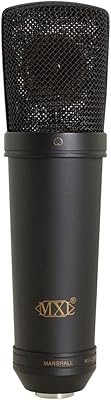
MXL V63M Condenser Studio Microphone
75%
83%
Sound Quality
81%
Build Quality
86%
Vocal Performance
74%
Noise Performance
79%
Value for Money
More
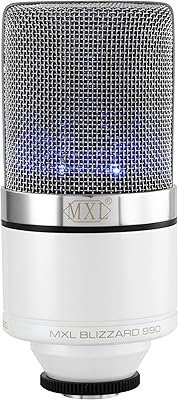
MXL 990 Blizzard Condenser Microphone
85%
91%
Sound Quality
89%
Ease of Use
85%
Background Noise Rejection
82%
Build Quality
78%
LED Lighting Appeal
More
MXL 2003A Large-Diaphragm Condenser Microphone
77%
78%
Sound Character
61%
Self-Noise Level
82%
Build Quality
84%
Value for Money
86%
Included Accessories
More
MXL 770
MXL 770
85%
88%
Vocal Clarity
93%
Build Durability
96%
Value for Money
74%
Background Noise Rejection
89%
Feature Versatility
More
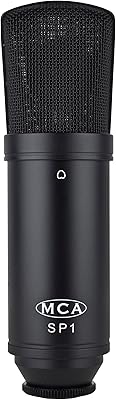
MXL MCA-SP1 Studio Condenser Microphone
73%
77%
Audio Clarity
84%
Build Quality
81%
Value for Money
58%
Ease of Setup
69%
Noise Rejection
More
Aston Microphones Stealth Condenser Microphone
79%
88%
Sound Quality
84%
Voice Mode Versatility
86%
Built-in Preamp
91%
Build Quality
83%
Value for Money
More
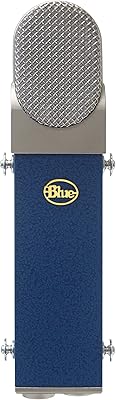
Blue Blueberry Cardioid Condenser Microphone
79%
93%
Tonal Character
91%
Vocal Performance
89%
Build Quality
94%
Capsule Quality
71%
Preamp Compatibility
More
Neat Microphones Skyline USB Desktop Condenser Microphone
89%
94%
Audio Quality
91%
Ease of Use
89%
Build Quality
90%
Mute Button Functionality
92%
Value for Money
More

FAQ

You will need an audio interface or a mixer with phantom power — the V87 is strictly an XLR microphone and cannot connect directly to a computer's headphone jack or USB port. If you're building a setup from scratch, budget for a quality interface alongside the mic itself. Most entry-to-mid-level interfaces from reputable brands will work perfectly well.

Standard 48V phantom power is what this condenser mic needs to operate, and virtually every modern audio interface supplies exactly that. Just make sure the phantom power switch is enabled on your interface — it's sometimes labeled as a plus-48V button. If your interface was made in the last decade by a known brand, you're almost certainly covered.

No, and this is worth knowing before you buy — the package includes only the microphone itself, with no shock mount, pop filter, or carrying case included. That's one of the more consistent frustrations buyers mention after purchase. If vibration from desk rumble or footsteps is a concern in your setup, factor a compatible shock mount into your total budget upfront.

The MXL V87 Low-Noise Condenser Microphone is sensitive enough to clearly capture room reflections, so hard bare walls will show up in your recordings. That said, you don't need a professional booth — even basic treatment like a few panels, heavy curtains, or recording in a corner surrounded by soft furnishings can make a meaningful difference. Many home studio users get excellent results with modest acoustic management; it just takes some planning.

Its defining characteristic is a smooth, warm tonal balance — it sits noticeably less hyped than many competing condensers that apply a presence boost in the upper midrange. That character is a real advantage for voices that don't need added brightness or edge, but if you're comparing it side by side with a more presence-forward mic, MXL's low-noise cardioid will sound more laid-back and controlled. Whether that works in your favor depends heavily on your voice and the genre you record.

Yes, it works well in that context, particularly if your voice is naturally warm or you prefer smoothness over brightness in spoken-word content. The cardioid pattern does a solid job rejecting sound from behind the mic, which helps manage ambient room noise without needing a fully treated space. Keep in mind that you will still need an audio interface — this isn't a plug-and-play USB solution.

It handles acoustic guitar recordings well, especially when you want a natural, smooth sound rather than something bright or hyped. Positioning it around the 12th fret at a slight angle typically gives a balanced result, capturing body warmth and string detail without the harsh upper-mid peak that can make acoustic recordings feel fatiguing on headphones. If your style needs more shimmer or air at the top end, you may want to compare it against a brighter alternative before committing.

A good starting point is roughly 6 to 8 inches from your mouth, aimed directly at lip level or slightly above. One practical advantage of this condenser mic is its unusually low proximity effect, meaning you can work closer than you might expect without the low-end buildup you'd typically fight on other cardioids. Always use a pop filter between you and the capsule to handle plosive sounds — that applies regardless of which mic you're using.

It can work, but it's not the most obvious match. The warm, smooth character of this condenser mic can soften the presence and high-frequency clarity that brighter voices rely on for their distinctive sound. If your tone already leans bright and detailed, a more neutral or presence-forward condenser might serve you better and let your natural character come through without being rounded off in the upper frequencies.

It's a fair question, but longevity in this case works in its favor rather than against it. A microphone that has remained in continuous production for over two decades without needing a redesign is generally a sign that the core engineering is genuinely solid, not just that it's been forgotten. The V87 holds its own against newer alternatives in its tier, and its track record of real-world use by home studio musicians gives it a level of credibility that newer, unproven models simply can't replicate yet.

Where to Buy