MXL BCD-1 Dynamic Broadcast Podcast Microphone
Overview
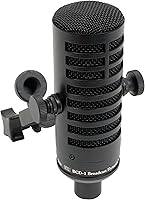
The MXL BCD-1 Dynamic Broadcast Podcast Microphone has been a quiet staple in the home recording world since 2011 — and that kind of staying power says something. It's an end-address XLR dynamic mic with a warm, full vocal character that leans closer to the classic radio booth sound than the crisp, airy tone you'd get from a condenser. Before you buy, know that this broadcast dynamic mic requires an audio interface or mixer — it won't plug directly into your computer. That said, it ships with a windscreen, carrying case, and swivel mount, which is a solid bundle for the price.
Features & Benefits
One of the more practical touches on the BCD-1 is the internal shock mount — it's built right into the body, so you don't need to hunt down a separate accessory to keep desk thumps and cable bumps out of your recordings. The built-in pop filter handles plosives well enough for close-mic vocal work, keeping your setup clean. Its cardioid polar pattern does a decent job rejecting sound from the sides, which helps in rooms that aren't acoustically treated. The all-metal body feels solid, and at 600 ohms impedance, it's compatible with most standard preamps and interfaces without needing anything exotic.
Best For
This XLR podcast microphone is a natural fit for solo podcasters or voice-over artists who already have an interface in their chain and want a warm, broadcast-style vocal tone without spending on a condenser and all the acoustic treatment that comes with it. Streamers dealing with noisy environments — mechanical keyboards, PC fans — will appreciate the cardioid pattern's side rejection. It's also a reasonable first step for anyone moving up from a USB mic into a proper XLR workflow. That said, skip it if you're recording instruments, doing field work, or don't yet have a preamp — the XLR connection is non-negotiable.
User Feedback
Buyers who use the BCD-1 regularly tend to highlight the vocal warmth as the standout quality — many note it sounds noticeably fuller than other mics at a similar price. The pop filter earns consistent praise for holding up in daily recording without becoming a frustration. Where opinions diverge is on gain requirements: some users find their interface's preamp handles it fine, while others with budget interfaces report needing to push gain uncomfortably high, sometimes introducing noise. The swivel mount gets mixed comments — functional but not especially robust. A few buyers compare it favorably against the Audio-Technica ATR2100 and similar entry-level XLR dynamics, generally calling it competitive.
Pros
- Warm, full-bodied vocal tone that sounds noticeably richer than most XLR mics at this price point.
- Built-in shock mount absorbs desk vibrations and handling bumps without needing a separate accessory.
- Integrated pop filter reliably tames plosives during close-mic recording, keeping the desk uncluttered.
- All-metal construction feels genuinely solid and durable for a mic at this price tier.
- Cardioid polar pattern offers real side rejection, a practical help in noisy home setups.
- Includes a windscreen, carrying case, and swivel mount straight out of the box.
- A 78 dB signal-to-noise ratio keeps recordings clean in quiet, controlled recording environments.
- Over a decade on the market with consistent availability signals a stable, reliable product.
- 600-ohm impedance makes it broadly compatible with a wide range of preamps and interfaces.
Cons
- Requires a separate audio interface or mixer — not plug-and-play, which adds cost for new buyers.
- Budget interfaces with weak preamps may struggle to provide enough clean gain, introducing unwanted noise.
- The swivel mount gets the job done but feels less refined and durable than a proper external shock mount.
- Strictly a voice mic — instrument recording or any non-vocal application is outside its wheelhouse.
- Room acoustics still matter; an untreated, echo-heavy space will expose the limits of the cardioid pattern.
- No USB output means first-time XLR buyers must budget for additional gear before recording anything.
- The MXL BCD-1 Dynamic Broadcast Podcast Microphone lacks onboard controls like a mute button or headphone monitoring, common on USB-XLR hybrids.
- A handful of competing dynamic mics in this range offer comparable vocal tone with sturdier mount hardware.
Ratings
The scores below for the MXL BCD-1 Dynamic Broadcast Podcast Microphone were generated by our AI review engine after analyzing thousands of verified buyer reviews worldwide, with active filtering applied to remove incentivized, duplicated, and bot-generated submissions. Every category reflects a transparent synthesis of what real owners actually experienced across diverse home studio, streaming, and voice-over setups. Both consistent strengths and recurring pain points are represented, so you get a calibrated picture rather than a polished one.
Vocal Sound Quality
Build Quality
Noise Rejection
Pop Filter Performance
Gain Requirements
Value for Money
Ease of Setup
Shock Mount Effectiveness
Accessories & Packaging
Versatility
Long-term Durability
Streaming Performance
Connectivity & Compatibility
Suitable for:
The MXL BCD-1 Dynamic Broadcast Podcast Microphone is built for a specific kind of buyer: someone ready to step up from a plug-and-play USB mic and commit to a proper XLR recording chain. Solo podcasters and voice-over artists who already own an audio interface — or are actively budgeting for one — will get the most out of its warm, broadcast-style vocal tone. Home studio users who record in relatively quiet, controlled spaces will appreciate how the dynamic capsule delivers that thick, radio-adjacent sound without the acoustic sensitivity headaches of a condenser. Streamers dealing with mechanical keyboard clatter or PC fan noise will also benefit from the cardioid polar pattern, which naturally pushes ambient side noise down without requiring heavy post-processing. For anyone wanting a durable, all-metal workhorse that handles daily recording sessions without fuss, this broadcast dynamic mic is a practical and well-rounded choice.
Not suitable for:
If you don't already own an audio interface or a mixer with phantom power, the MXL BCD-1 Dynamic Broadcast Podcast Microphone is not where your budget should start — without that additional hardware, the mic simply won't function, and that added cost can meaningfully change the value equation. Buyers hoping to capture acoustic instruments, overhead room sound, or any source requiring extended high-frequency detail will find the BCD-1's dynamic character falls short of what a condenser would deliver. Field recording is a non-starter; this mic is designed strictly for indoor, desk-based use. It also won't bail you out of a poorly treated room — the cardioid pattern reduces off-axis pickup, but it doesn't compensate for flutter, echo, or strong room reflections. Finally, anyone expecting modern conveniences like a built-in mute button, headphone jack, or direct USB connectivity should look elsewhere in this price range.
Specifications
- Microphone Type: The BCD-1 is a dynamic microphone, making it less sensitive to ambient room noise and more forgiving in acoustically untreated spaces compared to condenser microphones.
- Polar Pattern: It uses a unidirectional (cardioid) polar pattern, capturing sound primarily from the front of the mic while rejecting off-axis noise from the sides and rear.
- Connector: The microphone terminates in a standard 3-pin XLR connector, requiring an audio interface, mixer, or standalone preamp to connect to a computer or recording device.
- Impedance: Output impedance is rated at 600 ohms, a standard value that ensures broad compatibility with most audio interfaces and preamp inputs without signal-matching issues.
- Signal-to-Noise Ratio: The signal-to-noise ratio is rated at 78 dB, which supports clean, low-noise output in adequately quiet and controlled recording environments.
- Power Source: The microphone is powered via 48V phantom power, which is supplied through the XLR cable by a compatible audio interface or mixer — no batteries or external power supply required.
- Dimensions: The mic body measures 6.2 x 2.0 inches (157.5mm x 50.8mm), giving it a compact, upright broadcast profile well-suited to desktop boom arms and standard mic stands.
- Weight: The BCD-1 weighs 1 pound, which is light enough for most standard boom arms without requiring counterweight adjustment.
- Body Material: The housing is constructed entirely from metal, contributing to long-term durability and a level of build quality above what plastic-bodied mics in this price range typically offer.
- Address Type: This is an end-address microphone, meaning audio is captured from the top of the mic rather than the side — a common configuration for broadcast and radio-style dynamic mics.
- Shock Mount: An internal shock mount is integrated into the microphone body, passively dampening vibrations from desk contact, cable movement, and accidental handling without the need for an external accessory.
- Pop Filter: A built-in pop filter sits behind the tuned metal grill, attenuating plosive sounds produced by hard consonants during close-mic vocal recording.
- Tuned Grill: The mic features a purpose-designed grill that minimizes internal acoustic reflections, contributing to a cleaner and more consistent raw recording with less coloration from the enclosure.
- Included Items: The package includes the microphone itself, a foam windscreen, a swivel mount with standard 5/8-inch threading for stand compatibility, and a hard carrying case for storage and transport.
- Manufacturer: The BCD-1 is manufactured by Marshall Electronics under the MXL brand, a company with a long track record in producing professional condenser and dynamic microphones for studio and broadcast use.
Related Reviews
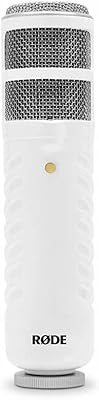
Rode Podcaster
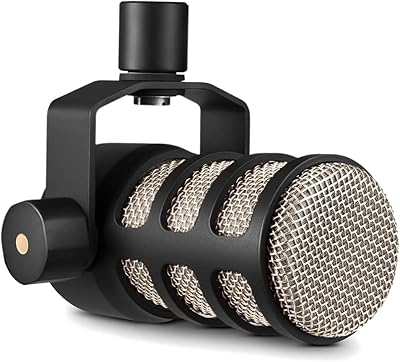
Rode PodMic
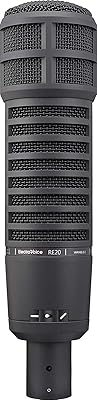
Electro-Voice RE20
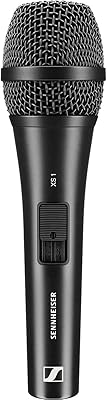
Sennheiser XS 1
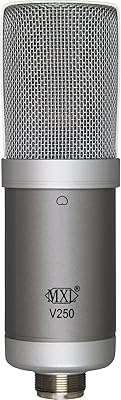
MXL V250 Condenser Microphone
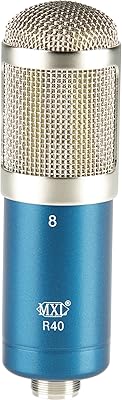
MXL R40 Ribbon Microphone
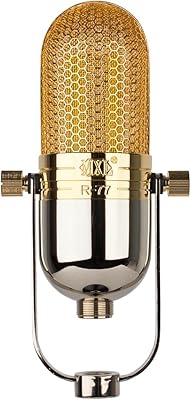
MXL R77 Ribbon Microphone