Overview

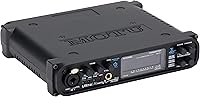
The MOTU UltraLite-MK3 Hybrid USB/FireWire Audio Interface occupies an interesting middle ground — it's not a beginner's first interface, but it's not a full professional rack unit either. MOTU has been building audio hardware since the mid-1980s, and that history shows in the build quality and macOS driver reliability. With 10 inputs and 14 outputs, this hybrid audio interface offers considerably more routing flexibility than a typical two-channel USB box. Its compact half-rack form factor suits a home studio shelf or a small live rig equally well. That said, its 3.3-star rating — across a relatively small pool of buyers — signals it isn't universally loved, and understanding why matters before you buy.
Features & Benefits

The UltraLite-MK3 Hybrid's defining characteristic is its dual connectivity — it runs over both FireWire 400 and USB 2.0, meaning it plugs into a wider range of machines than a single-protocol interface. The two built-in mic preamps support phantom power, so condenser microphones work out of the box. Where this hybrid audio interface genuinely stands out is the onboard DSP engine: it processes reverb, EQ, and compression internally, letting you monitor with effects and near-zero latency without touching your DAW. The bundled CueMix FX software handles all routing and mix configuration from your computer. There is also S/PDIF digital I/O for outboard gear, and the unit runs in standalone mode entirely without a host computer.

Best For

This hybrid audio interface makes the most sense for a specific type of buyer. If you're running a home studio with a machine that still has a FireWire port — older Mac Pro towers, certain laptops, or PCs with FireWire cards — this unit covers a lot of ground without taking up much space. It's also a strong fit for producers who track multiple sources simultaneously and want to offload monitoring effects to hardware rather than stress the CPU. Live engineers handling small club gigs or rehearsal rooms will appreciate 10 inputs in a box weighing just 5.5 pounds. Upgrading from a basic two-channel interface and wanting onboard effects plus more I/O? The UltraLite-MK3 Hybrid is a logical next step.

User Feedback

Opinions on MOTU's compact interface split fairly cleanly along platform lines. macOS users consistently report reliable driver performance and stable operation across long sessions — that's the recurring bright spot. Windows users, however, have had a rougher time, with driver inconsistency appearing as the most cited frustration. A separate practical concern is FireWire itself: many modern laptops simply lack the port, forcing buyers toward adapters or Thunderbolt-to-FireWire converters. On the preamp side, the consensus is that they're capable workhorses but won't substitute for a dedicated preamp on critical vocal sessions. With only 41 total ratings, the sample size is modest, so a handful of outliers carry more weight on the overall score than they otherwise would.

Pros

  • Hybrid FireWire and USB 2.0 connectivity covers both legacy and current studio setups.
  • 10 inputs and 14 outputs offer serious routing flexibility in a compact half-rack chassis.
  • Onboard DSP handles reverb, EQ, and compression without touching your DAW or CPU.
  • Near-zero-latency hardware monitoring makes tracking with effects genuinely practical.
  • Phantom power support means condenser microphones work right out of the box.
  • Standalone operation mode lets you use the unit without a connected computer entirely.
  • S/PDIF digital I/O expands connectivity to outboard digital gear and mixers.
  • macOS driver reliability is consistently praised across multiple user accounts.
  • CueMix FX software gives you clear, centralized control over routing and monitoring mixes.
  • MOTU's long track record in professional audio means firmware and support have real history behind them.

Cons

  • FireWire 400 is increasingly absent on modern computers, limiting plug-and-play usability.
  • Windows driver support has been unreliable for a meaningful number of buyers.
  • The built-in preamps are adequate but fall short for critical, high-quality vocal sessions.
  • Only 41 Amazon ratings make it hard to draw confident conclusions about long-term reliability.
  • Thunderbolt-to-FireWire adapters add extra cost and introduce potential compatibility headaches.
  • The 3.3-star average rating reflects real frustrations that prospective buyers should not overlook.
  • No USB-C connectivity means this hybrid audio interface may feel dated on newer machines.
  • CueMix FX software has a learning curve that can frustrate users expecting a simple setup.
  • At 240V, the unit requires a step-down converter in regions running on 110–120V power standards.
  • Buyers expecting premium preamp performance comparable to standalone mic preamplifiers will be disappointed.

Ratings

Our AI rating system analyzed verified buyer reviews for the MOTU UltraLite-MK3 Hybrid USB/FireWire Audio Interface from multiple global sources, actively filtering out incentivized, spam, and bot-generated feedback to surface genuine user experiences. The scores below reflect a transparent picture of where this hybrid audio interface genuinely delivers and where it falls short — no score has been inflated to protect brand reputation. Both the loyal advocates and the frustrated buyers are represented here.
Build Quality
83%
Users consistently describe the chassis as solid and well-engineered, with knobs and connectors that hold up under repeated use. Home studio owners who have had the unit on their desk for years report no meaningful physical deterioration, and the half-rack metal enclosure inspires confidence during transport to small gigs.
A small number of buyers noted that the front-panel knobs feel slightly loose after extended use, and the unit's design language is showing its age compared to newer competitors. At its weight and size, some users expected a more premium tactile finish on the controls.
macOS Driver Stability
79%
21%
Mac users running Logic Pro or Digital Performer report consistent, crash-free sessions over long tracking days without needing to reinstall or troubleshoot drivers. For macOS-centric studios, the UltraLite-MK3 Hybrid tends to behave like a dependable workhorse that simply stays out of the way.
Driver stability is not universal even on macOS — some users on newer Apple Silicon machines report needing additional configuration steps that are not well documented. Compatibility has improved over time, but it is not as plug-and-play as some competing modern USB interfaces.
Windows Driver Reliability
44%
56%
When the Windows drivers do work correctly, users report acceptable ASIO performance and usable latency for standard recording and monitoring tasks. A subset of Windows users with well-matched, older PC configurations have had stable experiences over extended periods.
This is the most frequently cited frustration among buyers on Windows. Inconsistent driver behavior, installation failures on Windows 10 and 11, and a lack of responsive support documentation make this a real risk for PC-dependent workflows. Several reviewers specifically warned other Windows buyers to research carefully before purchasing.
Onboard DSP Performance
81%
19%
The hardware DSP engine is a genuine differentiator — producers tracking live instruments appreciate being able to monitor through reverb and EQ without routing audio through the DAW and back. This keeps CPU headroom free for plug-in-heavy mixing sessions and reduces the frustration of latency-induced timing drift during takes.
The DSP effects are functional and useful for monitoring, but they are not mix-ready quality that most producers would print to tape. The reverb, in particular, is described as workable rather than inspiring, and the EQ lacks the precision of dedicated hardware outboard units.
Connectivity Flexibility
72%
28%
The hybrid FireWire and USB 2.0 design is genuinely useful for studios that straddle older and newer gear, giving users the option to switch connection types depending on the machine without replacing the interface. S/PDIF digital I/O further extends its reach to outboard digital mixers and processors.
FireWire 400 is increasingly a liability rather than an asset on modern hardware — most laptops produced in the last several years simply do not include the port, and relying on Thunderbolt adapters adds both cost and a potential instability layer. This interface was future-proofed for an era that has largely passed.
Mic Preamp Quality
61%
39%
The two built-in preamps handle everyday recording tasks — acoustic guitar, spoken word, room ambience — without introducing obvious coloration or noise at moderate gain settings. For home studio users who are not chasing audiophile-grade preamp character, they cover the basics reliably.
Engineers with experience using dedicated outboard preamps find the onboard units noticeably flat and uninspiring on vocals and dynamic instruments. Gain headroom before noise becomes apparent is limited, which creates challenges when recording quieter sources like ribbon microphones that need higher gain.
Latency Performance
76%
24%
When using the hardware DSP monitoring path, latency is effectively inaudible during tracking, which is the most practical scenario for live recording. Producers who configure their sessions to monitor through CueMix FX rather than the DAW consistently report a tight, responsive feel.
Round-trip latency through the DAW — particularly over USB on Windows — can be less impressive, with some users noting that buffer sizes need to be pushed uncomfortably high for stable playback on certain PC configurations. This undermines the unit's value for software-monitoring workflows.
CueMix FX Software
63%
37%
CueMix FX gives users granular control over routing and monitoring without leaving the dedicated application, and once a setup is dialed in, it largely stays out of the way during sessions. Experienced users who invest time in learning the routing matrix find it quite powerful for a bundled tool.
The learning curve is steep for buyers coming from simpler interfaces, and the interface design feels dated compared to the software bundled with competing units. New users frequently report spending hours troubleshooting routing configurations that should be more intuitive given the asking price.
Standalone Operation
78%
22%
The ability to run the unit without a connected computer is a practical feature that live engineers and rehearsal-space operators genuinely use. Once routing and DSP settings are saved to the device, it powers up ready to go without any software interaction needed.
Standalone mode is only as useful as the configuration you saved last, and editing that configuration requires reconnecting to a computer running CueMix FX. There is no front-panel display or dedicated controls for adjusting settings on the fly, which limits flexibility in spontaneous live scenarios.
Value for Money
57%
43%
For buyers who specifically need the FireWire-plus-USB hybrid connectivity and onboard DSP in a compact chassis, there are limited direct alternatives at any price, making this hybrid audio interface a reasonable investment within its narrow use case.
Measured against the broader landscape of current USB audio interfaces — many of which now offer superior preamps, USB-C connectivity, and more polished software at comparable price points — this unit feels like it is asking a premium price for aging technology. Windows users who experience driver issues are left feeling they paid too much for too little.
Portability
74%
26%
At 5.5 pounds and roughly the footprint of a hardback book, MOTU's compact interface travels well in a backpack or equipment bag without adding meaningful bulk. Live engineers running small club dates or rehearsal sessions find it easy to pack alongside a laptop and cables.
The 240V power rating requires a step-down converter for North American users, which adds weight and a fragile external component to any mobile setup. The half-rack form factor, while compact, also requires some care to protect the front-panel connectors during transport without a dedicated case.
I/O Channel Count
77%
23%
Ten inputs and 14 outputs represent a meaningfully larger working surface than the two-channel interfaces most home producers start with, and the channel count supports multi-mic drum recording, band rehearsal capture, or complex live monitor mixes without an external stage box.
Only two of those inputs are mic-level with preamps, which means users wanting to record a full band with microphones will need to invest in additional preamp hardware. The remaining inputs are line-level, which is not always clear to buyers expecting more XLR connectivity out of the box.
Setup Complexity
55%
45%
Experienced audio engineers who understand routing concepts and signal flow typically get up and running within a reasonable timeframe, and MOTU's documentation covers the core configuration steps in adequate detail for patient, technically inclined users.
Beginners and intermediate users consistently describe the initial setup as unnecessarily complex, particularly when configuring CueMix FX routing alongside their DAW's own I/O settings. The lack of a streamlined onboarding experience is a recurring theme in negative reviews and represents a real barrier for less experienced buyers.
Long-Term Reliability
68%
32%
Several buyers report using this hybrid audio interface for multiple years without hardware failure, which speaks to MOTU's engineering standards at the component level. The unit's continued production status also means firmware updates and support remain available.
Long-term software support — particularly for emerging operating system versions — has been uneven, and some users worry about the longevity of FireWire support as the port continues to disappear from mainstream hardware. The small review pool makes it difficult to draw firm conclusions about failure rates over time.

Suitable for:

The MOTU UltraLite-MK3 Hybrid USB/FireWire Audio Interface is a strong match for home studio producers and project studio owners who have outgrown a basic two-channel interface but don't need — or want to pay for — a full rack-mounted unit. It's particularly well-suited to musicians and engineers still running machines with FireWire ports, where the hybrid connectivity gives them a performance edge over USB alone. Producers who track multiple sources at once will appreciate the onboard DSP, which handles monitoring effects in hardware and keeps the CPU free for more demanding plug-in work. The standalone operation mode also makes it appealing for live engineers running small gigs or rehearsal setups where a laptop isn't always part of the signal chain. macOS users, in particular, tend to have a smooth experience with driver stability and long-session reliability.
Not suitable for:

Anyone building a modern studio around a current-generation laptop or desktop without a FireWire port should think carefully before committing to the MOTU UltraLite-MK3 Hybrid USB/FireWire Audio Interface, since relying on Thunderbolt-to-FireWire adapters adds cost and a potential point of failure. Windows users have reported inconsistent driver behavior across different setups, making this a risky choice if your entire workflow depends on a PC. If pristine, high-gain microphone preamplification is a priority — for detailed vocal recording or acoustic instruments — the built-in preamps are functional but are unlikely to satisfy engineers accustomed to dedicated outboard units. Buyers who simply need a reliable stereo or four-channel USB interface for podcasting or basic home recording will find far simpler and more affordable options available today. This hybrid audio interface rewards users who understand its specific strengths; it's not an all-purpose plug-and-play solution.

Specifications

  • Connectivity: The interface supports both FireWire 400 and USB 2.0 simultaneously, allowing connection to a wide range of Mac and PC computers.
  • Total Inputs: Up to 10 input channels are available, covering analog, digital, and microphone sources combined.
  • Total Outputs: The unit provides 14 output channels, enabling flexible routing to monitors, headphones, and outboard gear.
  • Mic Preamps: Two built-in microphone preamplifiers include 48V phantom power support for use with condenser microphones.
  • Digital I/O: S/PDIF coaxial digital input and output are included for connecting external digital devices such as mixers or processors.
  • Onboard DSP: Hardware DSP processing provides reverb, parametric EQ, and compression that run independently of the host computer.
  • Standalone Mode: The unit can operate without a computer connected, functioning as an independent mixer and effects processor.
  • Bundled Software: CueMix FX software is included for complete control over routing, mixing, and DSP settings from a Mac or PC.
  • Form Factor: The chassis is a compact half-rack design, measuring 8.66 x 7.09 x 1.77 inches, suitable for desktop or rack mounting.
  • Weight: The unit weighs 5.5 pounds, keeping it portable enough for both studio and live use.
  • OS Support: Compatible with macOS and Windows, though driver stability has been more consistently reported on macOS.
  • Voltage: The unit is rated at 240V, which requires a step-down converter for use in 110–120V regions such as North America.
  • Latency: Hardware DSP-based monitoring enables near-zero-latency signal routing without routing audio through a DAW.
  • Manufacturer: MOTU (Mark of the Unicorn) is a Boston-based professional audio company with a history in hardware and software dating to the mid-1980s.
  • Production Status: The product is still listed as active and has not been discontinued by the manufacturer as of the latest available data.
  • Amazon Rating: The product holds a 3.3 out of 5 star rating based on 41 customer ratings on Amazon.
  • Model Number: The official model designation is ULTRALITE-MK3 HYBRID, which distinguishes this generation from earlier UltraLite revisions.

Related Reviews

MOTU 4pre USB Audio Interface
68%
81%
Preamp Quality
63%
Driver Stability
58%
Connectivity Options
66%
Value for Money
77%
Build Quality
More
MOTU Traveler-mk3 FireWire Audio Interface
74%
93%
Audio Performance
91%
Channel Count
71%
Portability
58%
Connectivity
84%
Power Flexibility
More
MOTU UltraLite-mk5
MOTU UltraLite-mk5
89%
96%
Audio Conversion Quality
92%
Preamp Transparency
94%
Driver Stability
91%
Latency Performance
88%
Software Interface (CueMix 5)
More
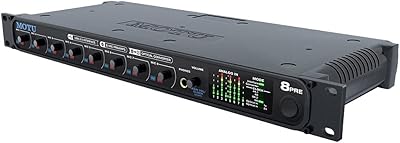
MOTU 8pre USB Audio Interface
80%
86%
Preamp Quality
91%
Build Quality
88%
Channel Count & I/O
79%
Value for Money
61%
CueMix DSP Software
More
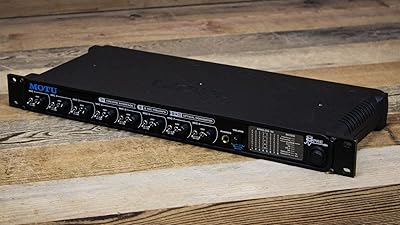
MOTU 8pre Firewire Audio Interface
76%
91%
Preamp Quality
88%
Build Quality
89%
I/O Flexibility
47%
Connectivity & Setup
39%
Modern Compatibility
More
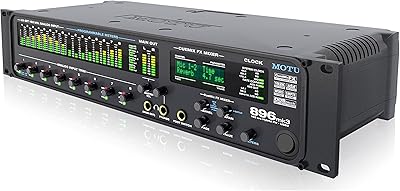
MOTU 896mk3 Hybrid USB/FireWire Audio Interface
74%
84%
Build Quality
79%
Preamp Quality
47%
Driver Stability
58%
Software & DSP Routing
91%
I/O Flexibility
More
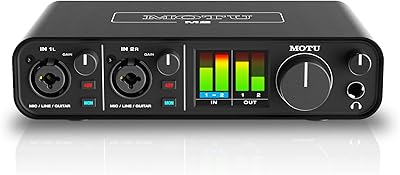
MOTU M2
MOTU M2
92%
96%
Audio Conversion Quality
98%
Visual Monitoring
93%
Build Construction
91%
Driver Stability
94%
Loopback Functionality
More
MOTU 24Ao USB AVB Audio Interface
80%
93%
Channel Density
87%
AVB Network Performance
79%
Driver Stability
58%
Setup & Configuration
74%
Value for Money
More
MOTU 112D Thunderbolt USB Audio Interface
81%
91%
Driver Stability
94%
Channel Count & I/O
87%
AVB Networking
89%
Thunderbolt Performance
88%
Connector Ecosystem
More
MOTU MicroBook IIc USB Audio Interface
70%
78%
Build Quality
83%
Sound Quality
58%
Mic Preamp Quality
54%
Ease of Setup
67%
Driver Stability
More

FAQ

You can connect via USB 2.0 using a USB-A to USB-C adapter, which should work fine for the USB side of things. However, if you want to use the FireWire connection, you will need a Thunderbolt-to-FireWire 400 adapter, and compatibility can vary depending on your machine and operating system. It is worth testing this setup before committing if FireWire performance is important to your workflow.

This is genuinely one of the weaker points of this unit. A number of Windows users have reported driver instability, and there is no strong consensus that Windows 11 support is rock solid. If you are a Windows user, check MOTU's official support page for the latest driver version before purchasing, and look for recent forum posts from other Windows 11 users to get a realistic picture.

Yes, the unit can operate fully without a host computer. In standalone mode it retains your last saved routing and DSP settings, so it functions as an independent mixer and effects processor. This is genuinely useful for live gigs or rehearsal rooms where bringing a laptop is impractical.

They are competent and functional for most recording tasks, but they are not the reason to buy this interface. If high-quality vocal recording is your main priority, most users find that a dedicated external preamp produces noticeably better results for critical sessions. Think of the onboard preamps as a solid workhorse option, not a premium feature.

No — the unit connects to your computer via one protocol at a time, either FireWire or USB. The hybrid design simply means you can choose which connection type suits your machine, rather than being locked into only one option across different setups.

CueMix FX is a companion application that lets you configure routing, set up monitor mixes, and control the DSP effects from your computer. Once your settings are configured and saved to the unit, you do not need the software running continuously — the interface retains your configuration. It does have a learning curve, so expect to spend some time getting familiar with it initially.

Yes, the UltraLite-MK3 Hybrid is class-compliant and communicates with your computer as a standard Core Audio or ASIO device, which means it is compatible with virtually any DAW on both macOS and Windows. No special DAW-specific drivers are required beyond MOTU's own interface driver.

S/PDIF is a digital audio connection that lets you route stereo digital audio in and out of the unit using a coaxial cable. In practical terms, you can connect gear like a standalone CD player, a digital mixer, or an outboard effects processor that has S/PDIF I/O, and pass audio between them digitally without converting to analog.

Yes. The unit is rated at 240V, so if you are in North America where standard wall voltage is 110–120V, you will need a step-down voltage converter. This is an easy detail to miss at purchase time, so factor that into your setup cost and planning.

It depends on what is driving the upgrade. If you need more inputs, want hardware DSP monitoring, or are pulling double duty between studio and live use, MOTU's compact interface offers meaningful step-up capability. If you are simply after better sound quality from two channels and your current machine lacks FireWire, a modern USB interface from a competing brand might serve you better at a similar price point.

Where to Buy