
Overview

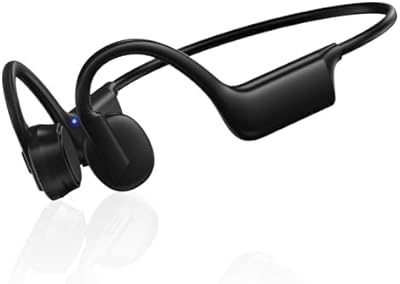
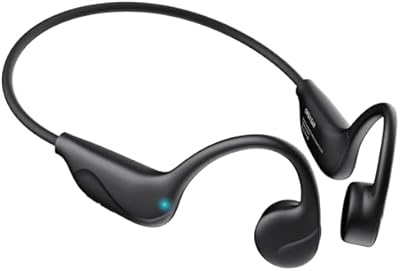
The mojawa Aerra Bone Conduction Headphones enter a crowded sport audio market with a clear focus: keeping outdoor athletes connected to music without cutting them off from the world around them. The open-ear design is the whole point — sound travels through your cheekbones, not your ear canal, so you can hear an approaching car or a passing cyclist without pulling anything out. Mojawa builds around its Audio-Haptics Integrated System, engineered to compensate for the low-frequency limits bone conduction inherently has. At this mid-range price tier, buyers reasonably expect solid construction, dependable battery life, and audio that genuinely pulls its weight during real workouts.

Features & Benefits

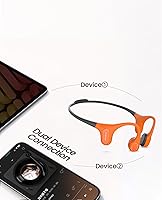
These bone conduction headphones carry an IP67 waterproof rating, meaning heavy sweat and rain are no problem — though don't take them swimming, as IP67 covers splashing and brief immersion, not extended underwater use. Battery life runs up to 8 hours, and the magnetic fast-charge system is genuinely handy: five minutes of charging buys another 90 minutes of playback when you are rushed. Bluetooth 5.2 handles two paired devices simultaneously, so switching from your phone to your laptop mid-session is straightforward. Three onboard EQ modes — standard, bass boost, and vocal enhancement — give you some control over a sound profile that, by its nature, lacks deep bass compared to traditional drivers.

Best For

The Aerra sport earphones are built for people who spend time outdoors and cannot afford to be sonically isolated. Runners training on roads, cyclists in urban traffic, and hikers on busy trails are the obvious fit — the open-ear format keeps ambient sound intact in ways that passive noise-leaking earbuds simply cannot match. People with ear sensitivity or who have been advised to avoid prolonged in-ear use will also appreciate the pressure-free fit. That said, audiophiles should look elsewhere: if rich, detailed sound or noise isolation is a priority, bone conduction will not satisfy at any price. These are tools for active, safety-conscious listeners, not critical listening sessions.

User Feedback

Buyers consistently praise fit and stability — even during high-intensity runs, this open-ear headset stays put without the ear fatigue that plagues in-ear options over long sessions. The quick-charge feature earns real appreciation, with users reporting that a short top-up before a workout delivers noticeably usable runtime. On the critical side, some buyers note that audio clarity does not quite match what similarly priced traditional earbuds deliver, which is an honest limitation of the bone conduction format rather than a unit-specific flaw. Call quality outdoors gets mixed marks — the microphone handles quiet environments decently but struggles in wind or street noise, something worth considering if hands-free calls are a regular need.

Pros

  • Open-ear design keeps you aware of traffic and surroundings during outdoor workouts without removing anything.
  • IP67 waterproofing handles heavy sweat and rain without hesitation during intense sessions.
  • Fit stays secure across high-movement activities like running, with no in-ear pressure building up over time.
  • Five-minute quick charge delivering 90 extra minutes of playback is genuinely useful before a rushed workout.
  • Bluetooth 5.2 multipoint pairing lets you stay connected to both a phone and laptop simultaneously.
  • Three EQ modes give you a small but meaningful ability to shape the sound toward your preference.
  • Silicone and TPE construction feels durable without adding uncomfortable rigidity during extended wear.
  • The Aerra sport earphones are a practical choice for athletes who train in varied or unpredictable weather conditions.
  • Eight-hour battery life covers most training runs, long commutes, and full workout sessions without recharging mid-use.

Cons

  • Bass response is noticeably thin compared to traditional earbuds at a similar price point.
  • Audio quality gap versus conventional in-ear headphones will frustrate anyone accustomed to richer sound.
  • Microphone struggles with wind and street noise, making outdoor calls unreliable in louder environments.
  • The open-ear format offers zero passive noise isolation, which limits usefulness in gyms or noisy transit.
  • Real-world battery performance may fall short of the eight-hour claim under higher volume or bass-heavy settings.
  • No 3.5mm jack means these bone conduction headphones cannot serve as a wired backup when Bluetooth is unavailable.
  • Sound leakage at higher volumes is noticeable to people nearby in quiet settings.
  • Bone conduction vibration at high volumes can cause mild buzzing sensations on the cheekbones for some users.

Ratings

The scores below reflect our AI-powered analysis of verified global buyer reviews for the mojawa Aerra Bone Conduction Headphones, with spam, incentivized, and bot-generated feedback actively filtered out before scoring. Each category is rated independently, meaning both the genuine strengths and the recurring frustrations of real owners are transparently represented. No score has been inflated to favor the brand — if a category underdelivers, the number shows it.

Comfort & Fit
91%
Athletes consistently report that the open-ear, no-insertion design eliminates the canal pressure and fatigue that plague long sessions with traditional earbuds. Runners wearing these for 60- to 90-minute sessions rarely mention any hotspots or slipping, and the flexible band adapts well to different head sizes without feeling restrictive.
A small number of users with narrower heads found the frame slightly loose during very aggressive lateral movements, such as HIIT drills or agility training. The fit is optimized for forward-motion activities like running and cycling rather than multi-directional gym work.
Audio Quality
63%
37%
Within the bone conduction category, the three EQ modes give users meaningful flexibility — the bass boost mode adds warmth that partially compensates for the format's low-end ceiling, and vocal enhancement makes podcasts and audiobooks noticeably cleaner. The Audio-Haptics system does add a subtle rhythmic feel during bass-heavy tracks that users find engaging.
Compared to traditional in-ear headphones at a similar price, the audio fidelity gap is real and noticeable. Bass response is thin, stereo separation is limited, and anyone accustomed to a quality wired or wireless earbud will likely feel the difference immediately, particularly with music that relies on layered instrumentation.
Battery Life
78%
22%
For most runners and cyclists, eight hours comfortably covers a full week of daily training sessions without needing a mid-week recharge. Users who commute and work out on the same charge appreciate not having to think about topping up constantly, and the stated runtime holds up reasonably well at moderate volume levels.
At higher volume settings or with heavy bass boost engaged, real-world battery performance drops noticeably below the eight-hour claim, with some users reporting closer to six hours. The eight-hour figure is achievable but requires disciplined volume management that not every user will consistently maintain.
Quick Charge
88%
The five-minute magnetic charge delivering 90 minutes of playback is one of the most praised practical features among active users. Reviewers who habitually forget to charge overnight specifically call this out as a genuine lifesaver before morning runs, and the magnetic connection makes attaching the cable fast and reliable.
The proprietary magnetic cable is the obvious vulnerability here — losing or damaging it means the headset becomes unusable until a replacement arrives, since there is no standard USB-C fallback. A small number of users report the cable connection feels slightly fragile over extended daily use.
Water & Sweat Resistance
86%
The IP67 rating holds up well in the real-world conditions these headphones are actually designed for: heavy sweating during summer runs, getting caught in rain mid-ride, and the general humidity of intense exercise. Users in humid climates report no degradation in performance after months of regular sweaty sessions.
Some buyers purchase these expecting swim-proof capability based on the IP67 label, which leads to disappointment. IP67 protects against brief immersion to one meter but is not rated for swimming, and the brand could do more to set this expectation clearly in its marketing materials.
Microphone Quality
57%
43%
For casual voice calls in calm indoor environments or low-wind outdoor conditions, the built-in microphone performs adequately and voice clarity is acceptable. Users taking quick calls between sets at the gym or while walking in quiet neighborhoods report that call recipients can hear them without complaints.
Wind is this microphone's clear weakness — even a moderate breeze significantly degrades voice clarity, making roadside or trail calls unreliable. Users who rely on hands-free calls for work during outdoor commutes frequently report frustrated call recipients, and this is one of the most consistent criticisms across review pools.
Bluetooth Stability
84%
Bluetooth 5.2 delivers a noticeably stable connection, and users running with a phone in an armband or back pocket rarely report dropouts or audio stuttering. The pairing process is quick, and the multipoint connection to two devices switches cleanly without the awkward lag seen in older Bluetooth versions.
A handful of users note occasional re-pairing issues after long periods of inactivity, where the headset does not automatically reconnect to the expected primary device. This is intermittent and not a widespread complaint, but it does surface often enough to be worth flagging.
Multipoint Pairing
82%
18%
The ability to stay connected to both a phone and a laptop simultaneously is genuinely useful for people who train at a desk before heading outdoors. Switching audio sources mid-session is intuitive once set up, and most users find it works consistently without needing to re-pair from scratch each time.
Multipoint pairing can occasionally behave unpredictably when both connected devices try to push audio simultaneously, such as a laptop notification firing while a phone call comes in. The headset prioritizes one source, but which one wins is not always consistent or user-controllable.
Build Quality
79%
21%
The silicone and TPE construction feels purposeful rather than cheap, and the fully sealed body gives a sense of durability that matches the IP67 promise. Users who have owned these for several months report no cracking, fading, or structural degradation even with daily outdoor use.
The overall build, while solid for the price tier, does not feel premium in hand. A few users describe the plastic frame sections as feeling slightly lightweight in a way that raises long-term durability questions, even if no specific failures have been widely reported yet.
Onboard Controls
72%
28%
Physical buttons for volume, playback, and EQ mode switching are present and functional, and most users find them easy to locate by feel during a run without looking. The ability to switch EQ modes on the fly without opening an app is a small but appreciated convenience during outdoor sessions.
Button travel and tactile feedback feel slightly mushy to some users, making it harder to confirm a press without looking, particularly with sweaty fingers. The control layout also has a learning curve, and accidental presses during adjustment are a recurring minor complaint.
Value for Money
74%
26%
For a buyer whose primary need is a safe, comfortable, weather-resistant open-ear sport headphone, the price-to-functionality ratio is reasonable. The quick-charge feature, IP67 rating, and multipoint pairing at this price tier offer more than some competing bone conduction options.
Buyers comparing these directly against traditional in-ear headphones at the same price will feel the audio quality gap is too large to justify the cost. The value proposition only holds if the open-ear safety requirement is a genuine priority rather than an incidental preference.
Sound Leakage
61%
39%
At low to moderate volumes during outdoor use — which is the primary intended context — sound leakage from the Aerra sport earphones is minimal and unlikely to bother nearby people. For runners and cyclists, this is rarely a practical issue in real-world conditions.
At higher volumes in quiet environments like offices, libraries, or public transit, audible leakage becomes a genuine social nuisance. Users who expected to use these discreetly in shared spaces are frequently surprised by how much sound escapes at comfortable listening levels.
Packaging & Accessories
58%
42%
The unit arrives well-protected and the included magnetic charging cable works as advertised. For buyers who just want the headset ready to use out of the box, the minimal packaging approach is clean and waste-reducing.
No carrying case is included, which feels like an oversight at this price point given that the proprietary magnetic cable is easy to lose and expensive to replace. Competing products at similar price levels frequently include a protective pouch or hard case as standard.

Suitable for:

The mojawa Aerra Bone Conduction Headphones are purpose-built for outdoor athletes who refuse to trade situational awareness for entertainment. Road runners, urban cyclists, and trail walkers are the clearest fit — anyone who needs to hear a car horn, a verbal warning, or ambient surroundings while still having a soundtrack to their effort. The IP67 rating makes these a practical choice for athletes who train in all weather, including heavy sweating or getting caught in rain mid-run, without worrying about moisture damage. People who have struggled with ear fatigue, canal pressure, or discomfort from long sessions with in-ear buds will find the no-insertion, open-ear format a genuine relief. They also work well for professionals or multitaskers who keep both a phone and laptop in play, since the dual-device pairing lets you stay connected across two sources without constant re-pairing.

Not suitable for:

The mojawa Aerra Bone Conduction Headphones are a poor match for anyone who prioritizes audio fidelity over safety or convenience. Bone conduction is a transmission method with real acoustic ceilings — bass response is inherently limited, stereo separation is narrower than traditional drivers, and nuanced detail in music simply does not come through the way it does with quality in-ear or over-ear headphones at a comparable price. If you want to feel a kick drum or hear crisp layering in a dense mix, these will disappoint regardless of which EQ mode you choose. Gym users lifting indoors or commuters in noisy environments who want passive isolation will also find the open-ear format frustrating rather than freeing. Anyone prioritizing call quality in windy or loud outdoor settings should be aware the microphone struggles in those conditions, making these a secondary option if hands-free communication is a core daily need.

Specifications

  • Driver Type: Uses bone conduction drivers that transmit audio vibrations through the cheekbones directly to the inner ear, bypassing the ear canal entirely.
  • Bluetooth Version: Equipped with Bluetooth 5.2, offering stable wireless pairing with lower latency than older Bluetooth standards.
  • Multipoint Pairing: Supports simultaneous connection to two Bluetooth devices, such as a smartphone and a laptop, without needing to manually re-pair.
  • Battery Life: Rated for up to 8 hours of continuous music playback or calls on a full charge under standard usage conditions.
  • Quick Charge: A 5-minute magnetic fast charge provides approximately 1.5 additional hours of playback for users who need a rapid top-up.
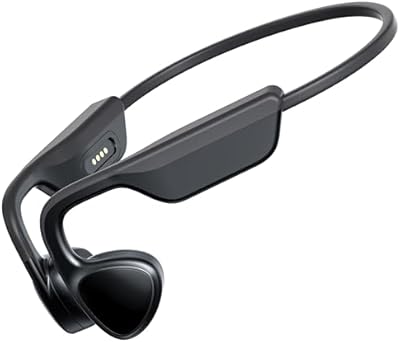
  • Charging Method: Charges via a proprietary magnetic connector rather than a USB-C or micro-USB port, so the included cable must be kept accessible.
  • Water Resistance: Carries an IP67 rating, meaning it is fully protected against dust and can withstand water immersion up to 1 meter for 30 minutes, suitable for sweat and rain but not swimming.
  • EQ Modes: Offers three selectable audio effect modes: standard equalizer, bass boost, and vocal enhancement, switchable via the onboard controls.
  • Fit Style: Open-ear design with no in-canal insertion; the transducers rest against the cheekbones just in front of the ears, secured by a flexible wraparound band.
  • Materials: Body is constructed from silicone and thermoplastic elastomer (TPE), both chosen for skin-safe flexibility and sweat resistance during extended wear.
  • Impedance: Rated at 0.2 Ohm, which is characteristic of bone conduction transducers and not directly comparable to conventional headphone impedance ratings.
  • Microphone: Features a built-in microphone for hands-free calls, positioned to capture voice during workouts but with noted limitations in high-wind environments.
  • Connectivity: Wireless Bluetooth only; no 3.5mm headphone jack or wired fallback option is included.
  • Compatible Devices: Works with any Bluetooth-enabled device including smartphones, laptops, and tablets across iOS, Android, and other platforms.
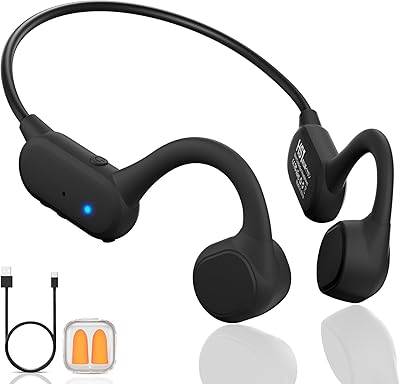
  • Package Contents: Each unit ships with the Aerra headset, a magnetic charging cable, and a user manual; no carrying case is included in the standard package.
  • Item Weight: The packaged unit weighs 9.9 ounces; the headset itself is significantly lighter, consistent with the brand's lightweight sport design focus.
  • Availability Date: This model was first made available for purchase in October 2024, making it a relatively recent release in the bone conduction category.

Related Reviews
Mojawa Purra Run Bone Conduction Sport Headphones
84%
88%
Sound Quality
91%
Battery Life
87%
Comfort & Fit
84%
Build Quality & Durability
90%
Water Resistance
More
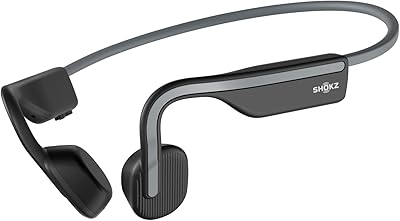
mojawa Run Plus Bone Conduction Headphones 32GB MP3 Player
88%
88%
Audio Performance
91%
Battery Life
89%
Comfort and Fit
92%
Waterproof Capability
85%
Bluetooth Connectivity
More
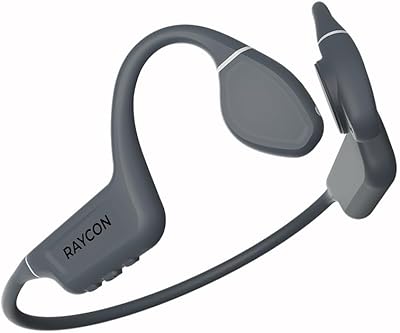
Raycon Bone Conduction Headphones RBB842
74%
91%
Water Resistance
93%
Situational Awareness
87%
Battery Life
63%
Audio Quality
82%
Fit & Stability
More
Shokz OpenRun
Shokz OpenRun
82%
97%
Situational Awareness
93%
Fit and Comfort
88%
Water and Sweat Resistance
84%
Battery Life
92%
Quick Charging Capability
More
PSIER X11 Bone Conduction Headphones
77%
88%
Comfort & Wearability
84%
Secure Fit During Activity
61%
Sound Quality
93%
Open-Ear Situational Awareness
52%
Sound Leakage
More
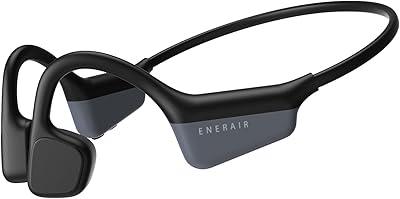
Cevinily HS1 Bone Conduction Headphones
78%
91%
Wearing Comfort
89%
Situational Awareness
86%
Battery Life
84%
Water Resistance
61%
Sound Quality
More
IFECCO X25 Bone Conduction Headphones
78%
91%
Value for Money
84%
Comfort & Fit
58%
Sound Quality
86%
Battery Life
79%
Bluetooth Connectivity
More
Qyzue S27 Bone Conduction Headphones
79%
91%
Comfort & Wearability
88%
Fit & Stability
86%
Battery Life
67%
Sound Quality
83%
Bluetooth Connectivity
More
Hitarah X3 Bone Conduction Headphones
81%
88%
Wearing Comfort
63%
Sound Quality
84%
Battery Life
79%
Fit Stability During Exercise
93%
Situational Awareness
More
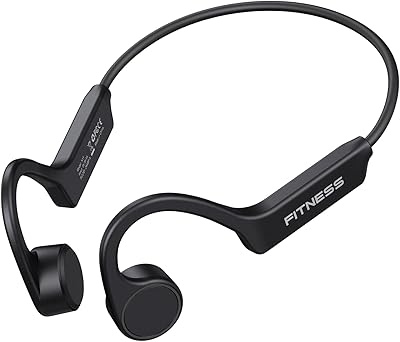
Hitarah X19 Bone Conduction Open-Ear Headphones
76%
88%
Wearing Comfort
58%
Audio Quality
93%
Situational Awareness
81%
Battery Life
84%
Water & Sweat Resistance
More
Nanajorwa X7 Bone Conduction Headphones
78%
83%
Comfort & Fit
61%
Sound Quality
72%
Battery Life
91%
Ambient Awareness
69%
Build Quality
More

FAQ

No, and this is worth being clear about. The IP67 rating protects the Aerra sport earphones against sweat, splashing, and brief accidental immersion, but it is not designed for swimming or prolonged submersion. If you want bone conduction headphones specifically for pool use, you would need a model rated IP68 with an onboard MP3 player, as Bluetooth does not transmit reliably through water.

Bone conduction works by pressing small transducers against your cheekbones, which vibrate and send sound directly to your inner ear without anything entering your ear canal. The honest answer on sound quality is no — these will not match a good pair of in-ear buds at the same price for richness, bass depth, or stereo clarity. The technology has inherent acoustic limits, and the trade-off is intentional: you gain environmental awareness, comfort, and safety rather than audio isolation.

Yes, they pair with any Bluetooth-enabled device regardless of operating system. The Bluetooth 5.2 connection is standard, so setup on iPhone, Android, or even a laptop is the same straightforward pairing process you would use with any wireless headset.

A full charge takes around 8 hours, which is best done overnight. The magnetic charging cable snaps onto the charging port securely, which is convenient in practice and helps maintain the waterproof seal by avoiding an exposed USB port. The 5-minute quick-charge feature is genuinely useful — it is not a gimmick, and users report it delivers a meaningful amount of extra runtime when you are short on time.

This is one of the consistent strengths users report. The wraparound band and the way the transducers grip just in front of the ears create a secure fit that holds up well even during fast running, jumping, or cycling over rough terrain. They do not bounce or shift the way some clip-on or earbud styles can.

Yes, the multipoint pairing feature lets this open-ear headset stay connected to two Bluetooth devices simultaneously. In practice, that means audio from your phone takes priority if a call comes in, and you can switch back to your laptop without going through a full re-pairing process.

It handles calls adequately in calm or indoor environments, but wind and heavy ambient noise are real challenges. If you regularly take important calls while running on busy streets or in windy conditions, you may find the voice pickup inconsistent. For casual or brief calls during a workout it is functional, but it is not the headset's strongest feature.

At moderate volume levels most users do not notice it, but at higher volumes some people feel a mild buzzing or tickling sensation on the cheekbones where the transducers sit. It is not painful, but it can be distracting for users who are sensitive to it. If you tend to listen at maximum volume, it is something to be aware of before purchasing.

There is some sound leakage with bone conduction headphones in general, and the Aerra sport earphones are no exception. At low to moderate volumes the leakage is minimal and unlikely to bother anyone. At high volumes in a quiet setting — say, a library or a quiet office — people nearby may hear faint audio. For outdoor use this is rarely an issue.

The three modes — standard equalizer, bass boost, and vocal enhancement — are switched using the onboard physical controls. Bass boost adds some low-end warmth that partially compensates for bone conduction's natural bass limitations, while vocal enhancement works well for podcasts, audiobooks, or calls where voice clarity matters more than music. Most users who primarily run with music tend to default to bass boost for a more energetic feel.

Where to Buy