Overview

The Marantz PMD-602A 2-Channel DSLR Audio Interface was built for one specific job: getting professional-grade microphones to work cleanly with DSLR cameras in the field. Marantz Professional has spent decades making reliable audio gear, and this two-channel mixer reflects that pedigree — compact, rugged, and designed for real shooting conditions rather than studio racks. It runs on 2 AA batteries, weighs under two pounds, and fits neatly on a camera rig. If you are expecting a general-purpose audio interface for recording music or podcasts, look elsewhere. This is a dedicated field tool, purpose-built for videographers who need professional mic connectivity without carrying a full audio recorder.
Features & Benefits

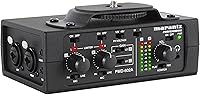
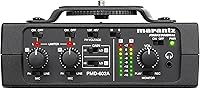
The PMD-602A's most important feature for DSLR shooters is its dual XLR inputs with phantom power. XLR is the standard connector for professional microphones, and phantom power is the electrical supply condenser mics require to operate — two things a camera's built-in mic jack simply cannot provide. From those inputs, audio routes through a 3.5mm stereo output directly into your camera, so you capture clean audio in-camera without adding a separate recorder to your workflow. Each channel has its own gain knob, letting you balance a boom mic against a lavalier in real time. A headphone monitoring jack lets you verify what is actually being recorded, which alone prevents a lot of ruined takes on location.

Best For

This DSLR audio interface is a strong match for documentary and event videographers running two microphones simultaneously — think a lav mic on an interview subject and a boom overhead for ambient fill. Solo shooters who need phantom power without carrying a dedicated audio recorder will find it especially practical. Film students and low-budget productions can use this two-channel mixer to achieve professional mic compatibility at a fraction of what a full field recorder costs. That said, if you are only running a single mic or already own an external recorder with XLR inputs, the PMD-602A may be more than your workflow actually needs. Know your use case before buying.

User Feedback

Users who rely on the PMD-602A regularly tend to praise its solid build quality and dependable phantom power — two things that matter when you are on location and cannot troubleshoot gear mid-shoot. Battery life earns decent marks, with most reporting a full day of shooting on a single pair of AAs. On the downside, some users flag the headphone amp as underpowered in noisy environments, and a handful note increased noise at higher gain settings. Compatibility issues with certain camera mic inputs come up occasionally, so testing your specific camera model beforehand is wise. Compared to rivals like the Beachtek DXA-SLR or Juiced Link units, most buyers find the PMD-602A competitive in value, though alternatives occasionally edge it out on noise floor performance.

Pros

  • Dual XLR inputs with phantom power let you connect professional condenser microphones that cameras simply cannot support on their own.
  • Audio feeds directly into the camera via a 3.5mm output, keeping your entire recording workflow in one device.
  • Independent gain controls on each channel make real-time balancing of two microphones straightforward during a live shoot.
  • Runs on just 2 AA batteries, so there is no need to manage charging or hunt for power on location.
  • The PMD-602A is compact and lightweight enough to mount on a camera rig without adding significant bulk.
  • Build quality is consistently praised by working videographers who put it through regular field use.
  • Battery life holds up well across a full day of shooting, according to most real-world reports.
  • Headphone monitoring lets you catch audio problems in real time rather than discovering them in post-production.
  • Solid value for event and documentary shooters who need two-mic capability without investing in a full field recorder.

Cons

  • The headphone amplifier lacks sufficient volume in noisy environments, making confident on-the-fly monitoring difficult.
  • Signal noise can become noticeable when pushing gain levels higher, which limits flexibility with quieter microphone sources.
  • No USB connectivity means this two-channel mixer is completely useless as a computer audio interface for studio or desk-based recording.
  • Some users report compatibility hiccups with specific camera mic input circuits, so testing your camera beforehand is genuinely necessary.
  • Software support is documented for Windows only, which is a potential concern for Mac-based video editors.
  • Only two channels means outgrowing it is easy if your productions expand to three or more simultaneous audio sources.
  • Competing products from Beachtek and Juiced Link can offer a quieter noise floor for shooters where audio fidelity is the top priority.
  • No built-in limiter or auto-gain function means manual gain management is entirely on the operator, which can catch inexperienced users off guard.

Ratings

The scores below reflect an AI-driven analysis of verified global user reviews for the Marantz PMD-602A 2-Channel DSLR Audio Interface, with spam, bot-generated, and incentivized submissions actively filtered out to ensure the ratings represent genuine buyer experiences. This two-channel mixer earned its scores across a range of real-world use cases — from solo documentary shoots to student film productions — and both its strengths and its frustrations are reflected transparently in each category.

Phantom Power Reliability
91%
Phantom power delivery is consistently dependable, which matters enormously when you are on location with a condenser microphone and cannot afford a dead signal mid-interview. Videographers running condenser boom mics report stable, clean power without dropouts even during longer shooting days.
A small number of users report inconsistent phantom power behavior with certain third-party condenser microphones, suggesting minor impedance compatibility issues with specific mic models rather than a systemic flaw.
Build Quality
84%
The chassis feels solid and well-assembled for a field tool that gets tossed into camera bags and mounted on rigs regularly. Event videographers who use the PMD-602A across multiple shoots per week note that it holds up without the rattles or connector loosening that cheaper alternatives tend to develop over time.
The unit is primarily plastic construction, which keeps weight down but does raise some durability questions for users working in rougher outdoor environments. A few buyers would have preferred rubberized grip areas or a more weather-resistant casing for heavy field use.
Audio Signal Quality
73%
27%
For typical interview and event recording scenarios at moderate gain settings, the preamps deliver clean, usable audio that holds up well in post-production. Most documentary shooters report that the signal quality is more than adequate for web video, broadcast, and corporate production work.
Noise becomes a genuine concern when gain is pushed beyond the midpoint, which can be a problem when recording quieter sources or using microphones with lower output sensitivity. Users comparing directly against Juiced Link preamps tend to give the edge to competitors on noise floor performance at high gain settings.
Headphone Monitoring
58%
42%
Having a dedicated headphone output at all is a meaningful advantage over adapters that offer no monitoring whatsoever, and for quiet environments it does the job of confirming that both channels are feeding signal correctly before a take begins.
The headphone amplifier is underpowered by most practical standards, making it difficult to monitor confidently in noisy real-world settings like outdoor events, busy streets, or venues with ambient sound. This is one of the most frequently cited complaints from working videographers who rely on accurate monitoring to catch problems live.
Battery Life
82%
18%
Most users report comfortably getting through a full shooting day on a single pair of AA batteries, which is reassuring for event and documentary shooters who cannot stop to troubleshoot mid-job. The use of standard AA cells rather than proprietary batteries means replacements are available at any convenience store anywhere in the world.
Running two condenser microphones with phantom power engaged draws more current and noticeably shortens battery life compared to using dynamic mics. Users on back-to-back shooting days should carry spare batteries as a standard precaution rather than relying on a single pair lasting multiple sessions.
Portability & Size
88%
At under two pounds and roughly the size of a thick TV remote, this DSLR audio interface disappears onto a camera rig without adding meaningful bulk or fatigue during handheld shooting. Solo shooters in particular appreciate how little it disrupts their existing rig balance.
The compact size does mean controls are tightly spaced, and some users with larger hands find making precise gain adjustments while looking through a viewfinder a bit fiddly. There is also no integrated mounting solution, requiring a separate cold shoe adapter for a clean rig setup.
Gain Control
76%
24%
Having independent gain knobs per channel is a genuine practical advantage during interview setups where two speakers have very different voice volumes — you can dial each one in separately without compromising the other channel. The knobs themselves have enough resistance to avoid accidental nudging during a shoot.
The gain range tops out in a way that can leave users underserved when working with lower-sensitivity microphones in difficult acoustic environments. Some users also wish for a finer resolution at the lower end of the range, where subtle adjustments matter most for quiet sources.
Camera Compatibility
77%
23%
The 3.5mm TRS output connects directly to the mic jack found on virtually every DSLR and mirrorless camera on the market, making initial setup fast and cable-purchase-free for most users. Canon, Nikon, and Panasonic camera owners report plug-and-play compatibility in the vast majority of cases.
A recurring thread in user feedback involves compatibility quirks with specific Sony camera bodies, where input sensitivity mismatches can produce levels that require careful manual adjustment on the camera side. Testing with your specific body before a paid shoot is genuinely advisable rather than optional.
Setup & Ease of Use
83%
The PMD-602A requires no software installation, no driver setup, and no menus to navigate — you plug in your mics, set your gain, and you are recording. Film students and first-time XLR users consistently mention the short learning curve as one of the reasons they chose it over more complex alternatives.
The lack of any visual metering on the unit itself means users cannot see input levels at a glance and must rely entirely on headphone monitoring or checking camera meters, which adds a layer of reliance on the camera display that can be inconvenient in bright outdoor light.
Value for Money
79%
21%
For shooters who need a straightforward two-mic solution without the investment of a dedicated field recorder, the PMD-602A lands at a price point that makes sense relative to what it delivers. Students and low-budget production crews frequently cite it as the most practical entry into professional microphone connectivity for camera work.
When measured purely on audio performance — particularly noise floor — competing products like certain Beachtek or Juiced Link models offer a more compelling technical result at a comparable or slightly higher price, making the value case less clear-cut for shooters who prioritize raw audio fidelity.
Durability Over Time
71%
29%
Users who have owned the PMD-602A for two or more years generally report that the unit continues to function reliably with no degradation in signal quality or connectivity, which speaks well to Marantz Professional's component choices and assembly standards.
The XLR input sockets have received occasional criticism for developing slight looseness after extended heavy use, and the battery compartment door on some units feels like it could benefit from a more secure latch design to prevent accidental opening during a shoot.
Rig & Mount Integration
67%
33%
The flat-profile form factor of this two-channel mixer cooperates well with cage-based rig systems, and its light weight means adding it to a shoulder rig does not noticeably affect balance or handling fatigue during longer takes.
No integrated mounting hardware ships with the unit, so users need to source a compatible cold shoe mount or cage attachment separately, adding a small but real additional cost and setup step that competitors occasionally address more elegantly out of the box.
Noise Floor Performance
62%
38%
At conservative gain settings with dynamic microphones or high-output condensers, the noise floor is entirely acceptable for most online video, corporate, and event production contexts where pristine studio silence is not the benchmark.
Push the gain higher — as many shooters must when using quieter mics at a distance — and self-noise becomes a noticeable factor that can require noise reduction in post-production. For productions where audio quality is a primary deliverable rather than a secondary consideration, this limitation matters.
Documentation & Support
64%
36%
Marantz Professional provides adequate documentation for the core operating workflow, and the product is simple enough that most users can get up and running without consulting the manual at all. The brand also maintains a reasonable online support presence for warranty and technical questions.
The manual lacks depth on troubleshooting camera-specific compatibility issues, which is precisely the area where users most often run into problems. Online community support and third-party tutorial videos end up filling a gap that more thorough official documentation could address directly.

Suitable for:

The Marantz PMD-602A 2-Channel DSLR Audio Interface is a genuinely useful piece of kit for videographers who have outgrown their camera's built-in mic jack and need to connect one or two professional XLR microphones directly to their DSLR or mirrorless camera. Documentary filmmakers shooting interviews will particularly appreciate the ability to run a lavalier on the subject and a boom overhead simultaneously, capturing both on a single camera without a separate audio recorder in the chain. Solo event shooters — weddings, corporate videos, live performances — benefit from its battery-powered independence, since there is no hunt for a power outlet mid-shoot. Film students and low-budget productions get access to phantom-powered condenser mic support at a price point well below a dedicated field recorder. If your core frustration is that your camera cannot accept professional microphones cleanly, this two-channel mixer addresses that problem directly and practically.
Not suitable for:

The Marantz PMD-602A 2-Channel DSLR Audio Interface is not the right tool for anyone expecting a general-purpose USB audio interface for music production, podcasting, or home studio recording — it has no USB output and was never designed for those workflows. Creators who only ever use a single microphone will find the two-channel design unnecessary, and a simpler single-channel adapter would serve them better and cost less. If pristine, ultra-low noise floor audio is your absolute priority, competing options like the Juiced Link Riggy-Micro or certain Beachtek models have earned stronger reputations in that specific area. The headphone monitoring amp is on the weaker side, which becomes a real frustration in loud environments where you need to verify audio levels on the fly. Mac-focused users should also double-check compatibility requirements, as the listed software support skews toward Windows.

Specifications

  • Brand: Manufactured by Marantz Professional, a brand with a long-standing reputation in field and broadcast audio equipment.
  • Model: PMD-602A is the exact model designation for this two-channel DSLR audio interface.
  • Channels: Provides 2 independent input channels, each with its own dedicated gain control knob.
  • Inputs: Equipped with dual XLR connectors to accept professional-grade balanced microphone signals.
  • Phantom Power: Supplies 48V phantom power to support condenser microphones that require external electrical power to operate.
  • Output: Delivers a mixed stereo signal via a 3.5mm TRS jack designed to feed directly into a camera's microphone input.
  • Monitoring: Includes a dedicated headphone output jack for real-time audio monitoring during recording.
  • Power Source: Runs entirely on 2 AA alkaline batteries, requiring no USB connection or external power supply in the field.
  • Weight: Weighs 1.72 pounds, keeping the load on a camera rig minimal for handheld or shoulder-mount shooting.
  • Dimensions: Measures 5.98″ x 2.52″ x 1.5″, making it compact enough to mount on a camera cage or hot shoe plate.
  • Color: Available in a matte black finish that minimizes light reflection during on-camera use.
  • Compatible Devices: Designed to work with professional microphones using XLR connectors and DSLR or mirrorless cameras with a 3.5mm mic input.
  • OS Compatibility: Software compatibility is documented for Windows operating systems; Mac compatibility is not officially specified.
  • Battery Type: Requires standard AA alkaline batteries, which are widely available and easy to replace anywhere on location.
  • Primary Use: Built specifically for on-camera audio mixing in video production environments, not for studio recording or computer-based audio workflows.

Related Reviews
Alesis IO2 Express USB Audio Interface
71%
91%
Ease of Setup
74%
Audio Quality
62%
Preamp Performance
58%
Build Quality
78%
Value for Money
More
Steinberg UR22 MkII USB Audio Interface
78%
88%
Preamp Quality
91%
Build Quality
86%
Ease of Setup
83%
Value for Money
87%
Noise Floor
More
Planet Audio AC1200.2 2-Channel Car Amplifier
72%
84%
Value for Money
67%
Power Output
88%
Ease of Installation
71%
Sound Quality
58%
Thermal Performance
More
M-Audio M-Track Eight USB Audio Interface
67%
78%
Preamp Quality
84%
Channel Count Value
53%
Driver Stability
58%
Build Quality
76%
Ease of Setup
More
Douk Audio OK013 Mini 2.1 Channel HiFi Stereo Amplifier
75%
83%
Value for Money
71%
Sound Output & Power
77%
Build Quality
88%
Ease of Installation
58%
Thermal Management
More
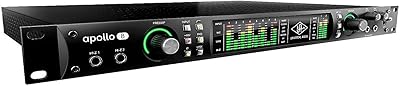
Universal Audio Apollo 8 QUAD Audio Interface
79%
93%
Preamp Quality
91%
DSP Performance
89%
Audio Conversion
92%
Build Quality
74%
Software & Console 2.0
More
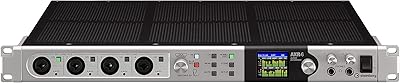
Steinberg AXR4T Thunderbolt Audio Interface
76%
93%
Preamp Quality
91%
Audio Resolution
88%
Routing Flexibility
89%
Connectivity & I/O
86%
Low-Latency Performance
More
Fosi Audio V1.0B Stereo Amplifier
74%
88%
Sound Clarity
93%
Value for Money
79%
Build Quality
94%
Noise Floor
67%
Power Output
More
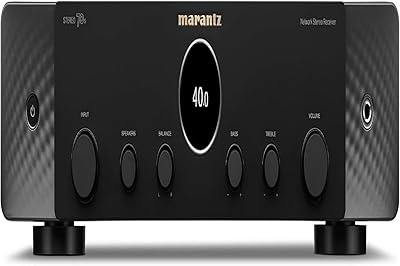
Marantz STEREO 70s 2-Channel AV Receiver
78%
91%
Sound Quality
87%
Amplifier Performance
83%
Build Quality
88%
Connectivity & Inputs
71%
Streaming & Wireless
More
Steinberg UR242 4-Channel USB Audio Interface
77%
88%
Preamp Quality
68%
Driver Stability
44%
Mac Compatibility
86%
MIDI Connectivity
76%
Value for Money
More

FAQ

In most cases, yes — the PMD-602A outputs audio through a standard 3.5mm stereo jack, which connects directly to the mic input found on the vast majority of DSLR and mirrorless cameras from Sony, Canon, Nikon, and Panasonic. That said, some cameras have quirks with how they handle input impedance or sensitivity, so it is worth testing your specific body before relying on it for a paid shoot.

The unit requires 2 AA alkaline batteries to operate, and these are typically not included in the box, so plan to pick up a fresh pair before your first shoot. The good news is that AA batteries are cheap and available everywhere, which makes swapping them out on location effortless.

You can absolutely use dynamic microphones with this two-channel mixer — dynamic mics connect via XLR just like condensers and do not need phantom power. Just leave phantom power off when using dynamic mics, since sending phantom power to certain ribbon microphones can cause damage. The interface handles both types without any issue.

The officially documented software compatibility covers Windows operating systems only. If you are a Mac user planning to use it purely as an on-camera audio adapter feeding into your DSLR, that is a non-issue since no computer connection is involved in that workflow. However, if you had hoped to use it as a USB interface connected to a Mac, this unit does not have a USB output at all, so that scenario does not apply regardless of operating system.

Yes, and that is one of the main reasons to own this unit. You can plug a lavalier microphone into channel one and a boom or shotgun mic into channel two simultaneously, then adjust each channel's gain independently to get a balanced mix feeding into your camera as a stereo signal.

Most users report getting through a full day of shooting on a single pair of AA batteries, though phantom power usage on condenser microphones does draw more current and can shorten that window somewhat. Carrying a spare pair in your bag is always a smart habit, especially for long event shoots.

All three occupy the same niche — XLR-to-camera adapters for DSLR shooters — and the differences come down to noise floor performance, ergonomics, and price. Some users feel that Juiced Link units deliver a slightly quieter noise floor at higher gain settings, while the Beachtek is often praised for its build. The PMD-602A holds its own in terms of build quality and reliability, and tends to compete well on value, making it a solid choice for shooters who do not need studio-grade noise specifications.

The PMD-602A's compact dimensions and flat profile make it practical to mount on a camera rig or a hot shoe adapter plate. It does not have a built-in cold shoe or mounting bracket of its own, so you may need a small accessory mount depending on your rig setup, but plenty of affordable options exist for that purpose.

Yes, the headphone jack monitors the mixed output of both channels, so you can hear a combined representation of what is being sent to your camera. The main complaint from some users is that the headphone amplifier is not particularly loud, which can make monitoring challenging in noisy environments like events or outdoor shoots.

Technically, any device with a 3.5mm microphone input could receive the output signal, and some users have connected it to smartphones using the right adapter cable. However, smartphone mic inputs vary significantly in sensitivity and impedance, so results can be inconsistent. This unit was designed with DSLR and mirrorless cameras in mind, and that is where it performs most predictably.

Where to Buy