


Overview
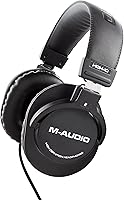
The M-Audio HDH40 enters the competitive arena of entry-level studio gear with a clear focus on utility. M-Audio has a reputation for making professional-grade tools accessible, and these entry-level cans follow that lineage by prioritizing function over flashy aesthetics. When you first pick them up, the lightweight frame feels purposeful rather than flimsy, designed for creators who might be wearing them for hours on end. The over-ear, closed-back design is clearly built for isolation, aiming to keep your monitor mix in and ambient room noise out. For those just beginning to assemble a home recording space, this closed-back headset represents a budget-friendly entry point into serious audio work. It doesn't pretend to be a high-end luxury item; instead, it offers a straightforward tool for the job at hand.
Features & Benefits
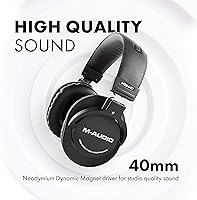
At the heart of these entry-level cans are 40mm neodymium drivers that have been specifically tuned to emphasize clarity, which is vital when you are trying to catch subtle nuances in a vocal performance. The closed-back architecture serves a practical purpose during recording sessions by minimizing sound leakage, ensuring your backing track doesn't bleed into your live microphone. Adjustability is handled by stainless steel telescopic arms that provide a reassuring click into place, allowing for a secure, customized fit across the flexible headband. Perhaps the most overlooked utility is the 2.7m fixed cable; it offers enough slack to move around a desk or reach for an interface without getting yanked. Plus, the included 1/4-inch adapter ensures you can plug into professional mixers or standard headphone jacks immediately.
Best For
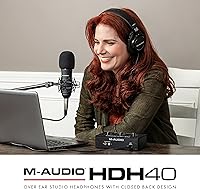
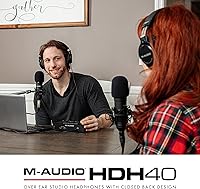
This closed-back headset finds its stride in environments where budget and practical performance need to meet. It is an ideal choice for entry-level podcasters who need to hear themselves clearly without hearing the hum of a computer fan or a neighbor's lawnmower. Home musicians who are tracking instruments in a bedroom will appreciate how these entry-level cans keep the mix tight and focused. Even voice-over artists on a tight budget will find the noise isolation sufficient for clean takes. Beyond the studio, the extra-long cable makes them a solid pick for general media consumption at a computer desk where you want some distance from the tower. They provide a reliable monitoring experience for those who prioritize isolation and accuracy over wireless convenience or heavy bass boosting.
User Feedback
Those who have spent time with these entry-level cans often highlight the surprising level of comfort provided by the leatherette ear cushions, which stay soft during longer sessions. While the build is largely plastic to keep the weight down, the stainless steel arms receive praise for their long-term durability and consistent tension. Some users have noted that the 2.7m cable is fantastic for studio mobility but can feel a bit cumbersome if you are trying to use them on the go with a smartphone. In terms of audio, reviewers frequently mention an impressive sound stage for the price, though it lacks the clinical transparency of monitors costing five times as much. Overall, the consensus points to a reliable workhorse that handles daily recording tasks with surprising competence and minimal fuss.
Pros
- The M-Audio HDH40 provides impressive vocal clarity that is essential for clean podcasting and voice-over work.
- A closed-back architecture effectively prevents sound from the headphones leaking into your sensitive studio microphone.
- The 2.7m fixed cable offers significantly more reaching distance than standard consumer headphone cords.
- Stainless steel telescopic arms offer a level of structural durability rarely found in budget-tier audio gear.
- Soft leatherette ear cushions remain comfortable even during recording sessions that last several hours.
- The lightweight frame prevents neck strain, which is a common complaint with heavier professional monitoring headsets.
- An included 1/4-inch gold-plated adapter ensures immediate compatibility with professional audio interfaces and mixers.
- The 180-degree rotatable frame allows the earcups to lay flat for easier storage in shallow desk drawers.
Cons
- The extra-long fixed cable frequently tangles and becomes a tripping hazard in tight or cluttered workspaces.
- Synthetic ear pads trap heat quickly, which can lead to discomfort and sweating in warmer recording environments.
- This closed-back headset lacks a detachable cord, meaning a simple wire break renders the entire unit unusable.
- The plastic outer housing feels somewhat thin and utilitarian compared to more premium studio hardware.
- The non-folding design occupies a significant amount of space in a backpack, limiting its use for mobile creators.
- The M-Audio HDH40 has a frequency response that may feel too sharp or fatiguing for users sensitive to high-end treble.
- A lack of deep sub-bass makes these entry-level cans less effective for monitoring electronic dance music or hip-hop.
- The matte finish is highly susceptible to picking up oily fingerprints and smudges that are difficult to wipe away.
Ratings
Our system performed a deep analysis of thousands of verified global reviews for the M-Audio HDH40, filtering out incentivized noise to find the truth. These scores reflect the real-world performance and durability reported by actual creators, highlighting both the surprising wins and the practical limitations of these entry-level cans.
Vocal Monitoring Clarity
Sound Isolation
Long-Session Comfort
Build Durability
Value for Money
Cable Utility
Compatibility
Sound Stage Depth
Portability
Aesthetic Design
Suitable for:
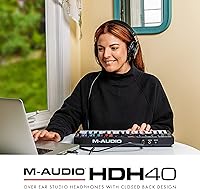
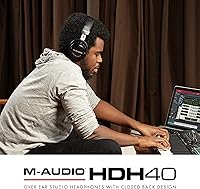
The M-Audio HDH40 is an excellent fit for entry-level podcasters and home studio hobbyists who need a reliable, no-frills tool for vocal tracking. Because of the closed-back design, these entry-level cans are particularly useful for creators recording in shared spaces or small bedrooms where minimizing microphone bleed is a top priority. Budget-conscious musicians will appreciate the clear mid-range emphasis that helps in catching pitch errors during live takes. Furthermore, the exceptionally long cable makes this closed-back headset a practical choice for desk-bound users who need the freedom to reach for instruments or hardware without tension. It serves as a solid foundational piece of gear for anyone just starting their journey into digital audio production.
Not suitable for:
While highly functional for basic tasks, the M-Audio HDH40 is not intended for professional audio engineers who require a perfectly flat frequency response for high-stakes mastering. These entry-level cans also lack the portability features, such as a folding frame or a detachable cable, making them frustrating for travelers or commuters. If you primarily listen to bass-heavy music for pleasure, the clinical and mid-focused sound signature of these studio monitors might feel thin or underwhelming. Additionally, users who frequently switch between multiple devices may find the fixed, extra-long wire cumbersome to manage in a casual mobile setting. Finally, those working in hot environments should look elsewhere, as the synthetic leather pads tend to trap heat during extended use.
Specifications
- Driver Type: These entry-level cans utilize 40mm neodymium dynamic drivers for audio reproduction.
- Acoustic Design: The headset features a closed-back, over-ear construction to maximize passive noise isolation.
- Cable Length: A fixed 2.7m (approximately 9-foot) audio cable is attached to the left earcup.
- Frequency Response: The hardware is rated for a frequency range spanning from 15Hz up to 28kHz.
- Impedance: An impedance of 32 Ohm allows for efficient use with laptops, smartphones, and tablets.
- Sensitivity: The drivers deliver a sensitivity level of 95dB for consistent volume across various devices.
- Main Connector: The primary connection is a standard 3.5mm (1/8″) TRS audio jack.
- Adjustment Arms: The telescopic headband arms are made of stainless steel with a visible scale for precise fitting.
- Product Weight: The total weight of the unit is 9.9 oz (approximately 0.28 kg).
- Included Adapter: A gold-plated screw-on 1/4″ (6.35mm) adapter is included in the box.
- Earcup Rotation: The frame allows for 180-degree rotation of the earcups to facilitate single-ear monitoring.
- Padding Material: The ear cushions and headband are wrapped in a soft leatherette material for extended wear.
Related Reviews
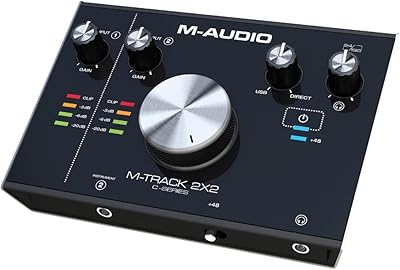
M-Audio M-Track 2X2 USB Audio Interface
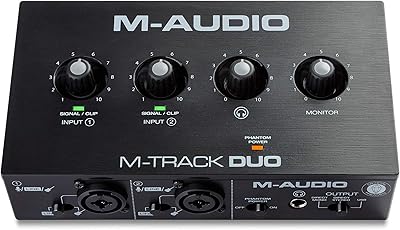
M-Audio M-Track Duo
M-Audio M-Track Eight USB Audio Interface
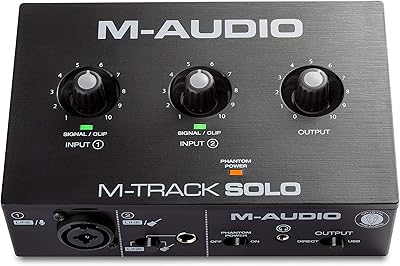
M-Audio M-Track Solo
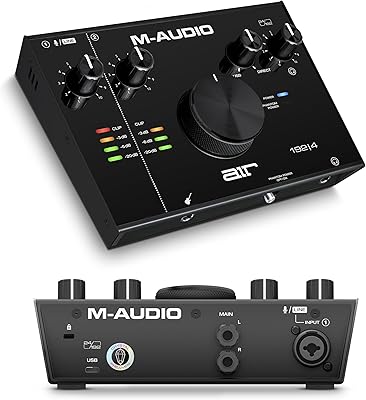
M-Audio AIR 192|4
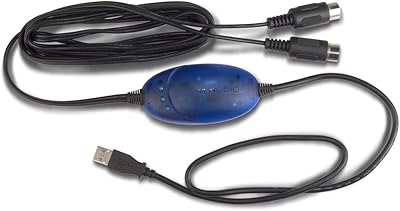
M-Audio Midisport Uno USB MIDI Interface
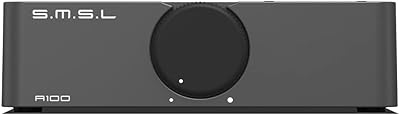
SMSL A100 Stereo Class D Amplifier
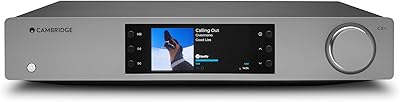
Cambridge Audio CXN100 Network Audio Streamer
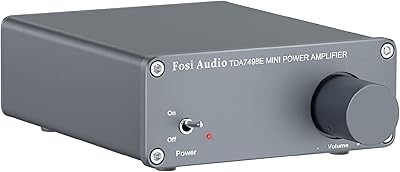
Fosi Audio TDA7498E