Overview

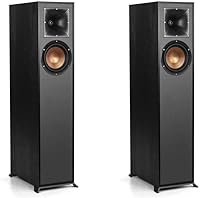
The Klipsch R-610F Floorstanding Speakers represent Klipsch's effort to bring their horn-loaded design philosophy into the mid-range market — and they do it with real confidence. Klipsch has built its reputation over decades on speakers that play loud, sound dynamic, and fill rooms without demanding exotic amplification. These tower speakers continue that tradition, offering a wired, passive 2.0 stereo pair that works equally well anchoring a home theater front stage or handling two-channel music listening. Standing 37 inches tall, the R-610F pair commands genuine physical presence in a room. They're not subtle, and they're not trying to be — which is precisely the point.

Features & Benefits

The tweeter is one of the first things worth understanding here. Klipsch mounts a 1-inch aluminum driver behind a Tractrix horn, which shapes how high frequencies spread through the room — tighter dispersion, less wall-bounce, and a cleaner sound at higher volumes. The 6.5-inch woofer uses spun-copper IMG construction, a material that resists flexing under stress and keeps bass response accurate rather than mushy. Power handling sits at 85W continuous with 150W peaks, and the 8-ohm impedance means most mid-tier receivers will drive these floorstanders without complaint. One practical note: the rear-firing port means you'll want at least a foot of breathing room behind each cabinet — placement flush against the wall will cloud the bass.

Best For

These Klipsch tower speakers are a natural fit for anyone building a home theater front stage who wants real impact without spending dramatically more. The dynamic, forward signature Klipsch is known for works especially well with film soundtracks and action content — this isn't a speaker tuned for neutral studio monitoring. Listeners stepping up from bookshelf speakers will notice the difference in bass body and room presence right away, though those in small or acoustically reflective spaces should temper expectations. Ideally, these floorstanders belong in medium to large rooms where sound can open up fully. First-time tower buyers also benefit from the reassurance of a well-established brand with decades of proven engineering.

User Feedback

With a 4.7-star average across nearly 600 ratings, the R-610F pair earns genuinely enthusiastic feedback from most buyers. The most consistent praise centers on volume and efficiency — people are repeatedly surprised by how much sound these produce at moderate levels, with very little distortion creeping in. The criticism, though, is equally consistent: bass can turn boomy in smaller rooms, and Klipsch's horn tweeter carries a brightness that divides listeners depending on recording quality. Several owners note that toe-in and positioning significantly shift the character of the sound, so expect some trial and error during setup. A few buyers even added a dedicated subwoofer, which hints that bass extension expectations vary more than the specs might suggest.

Pros

  • Exceptionally efficient — these floorstanders get loud without needing a high-powered amplifier.
  • The Tractrix horn tweeter disperses high frequencies cleanly, reducing harshness at higher volumes.
  • Spun-copper IMG woofer construction keeps bass tight and controlled rather than loose or bloated.
  • At roughly 37 inches tall, the R-610F pair delivers a commanding, room-filling soundstage.
  • Works well straight out of the box with most mid-tier AV receivers — no exotic pairing required.
  • Strong cinematic impact makes these a natural choice for home theater front-channel duties.
  • Nearly 600 user ratings averaging 4.7 out of 5 points to consistent real-world satisfaction.
  • The black wood-grain finish looks polished and integrates well with most living room setups.
  • Noticeably more bass presence than bookshelf alternatives without requiring an immediate subwoofer purchase.

Cons

  • Bass can turn boomy and overblown in smaller rooms — placement and room size matter a lot.
  • The horn tweeter has a brightness that divides listeners, especially on poorly mastered recordings.
  • Rear-firing port means you need meaningful clearance behind each cabinet — wall-hugging placement hurts sound quality.
  • At 80 pounds for the pair, moving or repositioning these floorstanders during setup is genuinely awkward.
  • No wireless or Bluetooth capability despite misleading spec fields in some online listings — strictly wired only.
  • Toe-in angle and speaker positioning require real experimentation before the sound locks in properly.
  • Some buyers ultimately add a subwoofer anyway, suggesting the low-end extension doesn't satisfy everyone.
  • The forward, dynamic tuning makes these a poor choice for neutral or analytical listening preferences.

Ratings

Our AI rating engine analyzed hundreds of verified global reviews for the Klipsch R-610F Floorstanding Speakers, actively filtering out incentivized, bot-generated, and duplicate submissions to surface what real buyers actually experience. The scores below reflect a transparent synthesis of genuine feedback — both the standout strengths that consistently win buyers over and the recurring pain points that show up across living rooms of all sizes. Every category is scored to reflect the honest spread of user sentiment, not a polished average.

Sound Dynamics
91%
Users consistently describe the R-610F pair as punchy and alive in ways that catch first-time listeners off guard. Action movie soundtracks, live concert recordings, and bass-heavy music all benefit from the speaker's ability to shift from quiet passages to loud peaks without compression artifacts. This dynamic range is the single most praised quality across the review base.
The same forward, energetic tuning that thrills during blockbuster films can feel relentless during quieter, more intimate listening sessions. A small but vocal group of reviewers note that classical and acoustic recordings occasionally feel overly aggressive rather than natural and spacious.
High-Frequency Clarity
78%
22%
The Tractrix horn tweeter earns genuine praise for projecting crisp, detailed highs across a wide listening area without the harshness that poorly designed tweeters introduce. In well-treated rooms with quality source material, buyers report that cymbals, string instruments, and dialogue all come through with real clarity and presence.
Klipsch's horn tweeter is genuinely polarizing — a consistent minority of buyers find it too bright, particularly with compressed streaming audio or older recordings. Listeners who are sensitive to high-frequency energy report fatigue during longer sessions, and some describe the treble as slightly aggressive compared to softer dome-tweeter alternatives in the same price range.
Bass Performance
74%
26%
For a floorstanding speaker without a dedicated subwoofer, these towers produce a satisfying amount of low-end body that bookshelf speakers simply cannot replicate. Movie explosions, kick drums, and bass guitar lines all carry genuine weight, and buyers upgrading from smaller speakers consistently mention being surprised by the improvement.
The 45Hz bass floor means deep, sub-bass rumble remains out of reach — a limitation that becomes more noticeable with bass-heavy electronic music or the lowest registers of pipe organ recordings. Several users also report that in smaller or reflective rooms, the rear-firing port causes bass frequencies to pile up uncomfortably, making the low end sound boomy rather than controlled.
Efficiency & Drive
93%
High sensitivity is one of the most practically useful things about these floorstanders — they get loud fast without demanding a powerful amplifier. Buyers pairing them with modest receivers in the 50 to 80 watts per channel range consistently report room-filling volume at relatively low gain settings, which also means less strain on the amplifier over time.
The high sensitivity is a double-edged characteristic in one specific scenario: very quiet late-night listening at low volumes can occasionally expose slight hiss or noise from the receiver signal path, since the speakers amplify everything the source feeds them. This is a minor concern for most users but worth knowing if whisper-quiet background listening is a priority.
Home Theater Integration
89%
As front left and right speakers in a surround system, these Klipsch tower speakers deliver the kind of bold, wide soundstage that pulls viewers into the action. Dialogue clarity stays strong even during loud scenes, and the horn tweeter's controlled dispersion helps create a convincing front wall of sound without bleeding excessively into side reflections.
Buyers building a full 5.1 or 7.1 system will need to invest in additional matching Reference series speakers to maintain tonal consistency — mixing these with off-brand surrounds creates noticeable tonal mismatches. The sheer cabinet size also makes placement logistics in smaller home theater rooms more challenging than compact tower alternatives.
Build Quality
83%
The cabinet feels solid and substantial in person — not the hollow, lightweight construction that plagues some speakers at this price tier. The black wood-grain vinyl wrap is applied cleanly, binding posts feel sturdy and accept banana plugs without wobbling, and the overall fit and finish earns consistent compliments from buyers who expected cheaper-looking speakers at this price point.
The vinyl wrap finish, while attractive initially, can show scuffs and edge wear over time if the speakers are moved frequently. A few long-term owners also note that the grille attachment feels less refined than the main cabinet, with grille pegs that sit looser than expected on a speaker from an established brand.
Value for Money
88%
At their price point, it is genuinely difficult to find a tower speaker pair that delivers comparable brand heritage, build quality, and sound output. Buyers who have owned speakers from lesser-known brands at similar or higher prices frequently cite these floorstanders as a significant step up in real-world performance per dollar spent.
The value calculus shifts for buyers in small rooms, where the R-610F pair may never perform at its potential due to acoustic constraints — spending the same budget on a well-matched bookshelf and subwoofer combination might deliver better results for that specific environment. A few buyers also feel that speaker cables and rubber feet should be included at this tier rather than requiring separate purchases.
Setup Experience
66%
34%
The basic wiring setup is genuinely approachable — binding posts are clearly labeled, and connecting speaker wire to a standard AV receiver is a straightforward process that first-time tower speaker buyers handle without difficulty. Klipsch's documentation is clear, and the physical footprint is predictable once you measure the cabinet dimensions beforehand.
Getting the speakers to sound their best requires real patience with positioning — toe-in angle, distance from the rear wall, and distance from the listening position all materially affect the sound in ways that are hard to predict without experimentation. Multiple users report spending several sessions moving the cabinets incrementally before landing on a configuration that felt balanced rather than boomy or overly bright.
Room Versatility
61%
39%
In the right environment — a medium to large open-plan living room or a dedicated home theater with reasonable acoustic treatment — these floorstanders genuinely thrive and reward the space they are given. Buyers with appropriate rooms describe them as transformative compared to compact speaker systems.
Room versatility is arguably the weakest dimension of the R-610F pair: small rooms, apartments, and acoustically live spaces consistently produce disappointing results. The rear-firing port, the cabinet volume, and the energetic tuning all combine to create challenges in constrained environments that no amount of EQ adjustment fully resolves.
Midrange Presence
79%
21%
Vocal reproduction is clear and positioned well within the mix — spoken dialogue in films and lead vocals in music both sit forward without being buried by bass or overwhelmed by the tweeter. Buyers who primarily use these floorstanders for podcast listening or vocal-heavy music genres report consistently natural midrange reproduction.
The midrange occasionally feels slightly recessed relative to the energetic highs and the pushed low end, which gives some recordings a slight V-shaped character. This is a known trait of Klipsch's Reference series tuning philosophy and is unlikely to bother home theater users, but it may frustrate listeners seeking a more even-handed frequency presentation.
Visual Design
82%
18%
The towers have a clean, modern silhouette that integrates reasonably well with contemporary living room furniture. The spun-copper woofer visible through the grille gives the speaker a premium visual identity that buyers frequently mention as a pleasant surprise — these look more expensive than their price suggests.
The black wood-grain vinyl is attractive but not truly premium — up close, it reads as vinyl rather than real wood veneer, which may matter to buyers with higher-end furniture surrounding the speakers. The footprint is also substantial, and in tighter rooms the sheer size of the cabinets can feel imposing rather than stylish.
Long-Term Durability
84%
Klipsch's long-standing reputation for reliable hardware extends to this line — buyers who have owned the Reference series for multiple years report that driver performance holds up well over time without degradation in clarity or bass response. The aluminum tweeter and IMG woofer materials are both inherently resistant to humidity-related warping.
Long-term durability data is naturally limited for a product first available in late 2018, and a small number of users report driver-related issues after extended heavy use at high volumes. Warranty coverage is limited rather than comprehensive, so buyers who push these towers hard at peak power levels for extended sessions may be taking on more risk than the rating alone suggests.
Stereo Imaging
76%
24%
When properly positioned with appropriate toe-in, the R-610F pair produces a convincingly wide stereo image that extends beyond the physical width of the cabinets. Buyers who invest time in placement report a soundstage that feels genuinely immersive for two-channel music listening, with clear left-right separation and a stable center image.
The horn tweeter's dispersion pattern means the sweet spot for optimal imaging is relatively narrow — moving significantly off-axis from the ideal listening position causes the soundstage to collapse noticeably. This is less of a concern for home theater use where one seated position dominates, but it limits the speaker's appeal for social listening situations where multiple listeners are spread across the room.

Suitable for:

The Klipsch R-610F Floorstanding Speakers are a strong match for anyone building or upgrading a dedicated home theater setup in a medium to large room, where the speakers have enough space to project without overwhelming the acoustics. Movie enthusiasts who want a cinematic front stage — real impact during action sequences, clear dialogue, wide soundstage — will get exactly what they're looking for here. Music listeners who gravitate toward rock, hip-hop, electronic, or any genre that rewards a punchy, energetic presentation will find these floorstanders genuinely satisfying at both moderate and higher volumes. Buyers stepping up from bookshelf speakers will notice an immediate improvement in bass body and room presence without necessarily needing to add a dedicated subwoofer. The 8-ohm impedance and high sensitivity also make these an easy pairing for most mid-tier AV receivers, so you don't need exotic amplification to get the best out of them.

Not suitable for:

The Klipsch R-610F Floorstanding Speakers are a poor fit for small or acoustically untreated rooms, where the rear-firing port and energetic low end will almost certainly cause bass buildup rather than controlled punch. Listeners who prefer a neutral, flat response — the kind of sound that studio monitors or certain audiophile-grade speakers deliver — will likely find the Klipsch horn tweeter too bright and forward for extended critical listening. If your source material is often low-bitrate streaming or older recordings with rough high-frequency content, the tweeter's character can make that harshness more noticeable, not less. These are also passive, wired speakers only — despite some confusing fields in online listings, there is no Bluetooth or wireless functionality, so buyers expecting that will be disappointed. Finally, apartment dwellers or anyone sharing walls should think carefully, because these towers are genuinely capable of loud output and are not designed with low-volume subtlety as a priority.

Specifications

  • Speaker Type: Passive, wired floorstanding tower speakers sold as a stereo pair (2.0 configuration).
  • Tweeter: 1-inch aluminum Linear Travel Suspension (LTS) tweeter mounted behind a Tractrix horn for controlled high-frequency dispersion.
  • Woofer: 6.5-inch spun-copper Injection Molded Graphite (IMG) woofer designed to minimize cone flex and maintain accurate bass reproduction.
  • Power Handling: Rated at 85W continuous power handling with a peak capacity of 150W per speaker.
  • Frequency Response: Covers 45Hz to 21kHz, providing solid mid-bass and high-frequency extension without reaching true subwoofer depth.
  • Impedance: 8-ohm nominal impedance, compatible with the vast majority of standard home theater and stereo AV receivers.
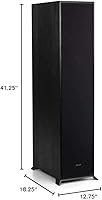
  • Dimensions: Each cabinet measures 15.1″ deep by 9.4″ wide by 37″ tall, making these substantial floor-standing enclosures.
  • Weight: The pair weighs approximately 80 pounds total, requiring two people for safe handling and placement.
  • Finish: Black wood-grain vinyl wrap on all exterior cabinet surfaces for a clean, furniture-friendly appearance.
  • Port Design: Rear-firing bass reflex port that requires adequate clearance behind each cabinet — ideally at least 12 inches from the wall.
  • Connectivity: Passive speaker terminals only — these floorstanders require a separate amplifier or AV receiver; there is no built-in amplification, Bluetooth, or wireless capability.
  • Items Included: The package contains exactly two speakers; no amplifier, cables, or stands are included.
  • Warranty: Covered by Klipsch's limited warranty; buyers should register the product directly with Klipsch for full warranty activation.
  • Channel Config: Designed as a 2.0 stereo pair, functioning as left and right front channels in a stereo or multi-channel home theater setup.
  • Speaker Binding: Equipped with standard five-way binding post terminals, compatible with bare wire, banana plugs, and spade connectors.

Related Reviews
Klipsch R-625FA Dolby Atmos Floorstanding Speaker
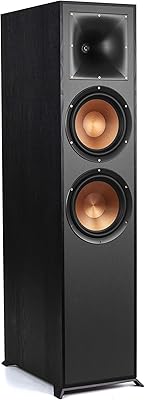
83%
93%
Sound Dynamics
74%
Dolby Atmos Height Effect
81%
Bass Performance
91%
Build Quality
86%
Ease of Setup
More
Klipsch R-620F Floorstanding Speakers
80%
91%
Sound Dynamics
72%
Treble Quality
78%
Bass Performance
88%
Value for Money
84%
Build Quality
More
Klipsch Reference R-820F Floorstanding Speaker
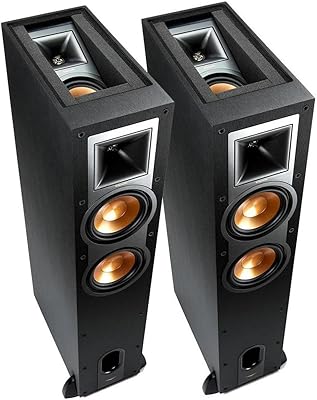
86%
92%
Sound Quality
89%
Bass Performance
85%
Build Quality
90%
Ease of Integration
75%
Size & Space Requirements
More
Klipsch R-26FA Floorstanding Speakers
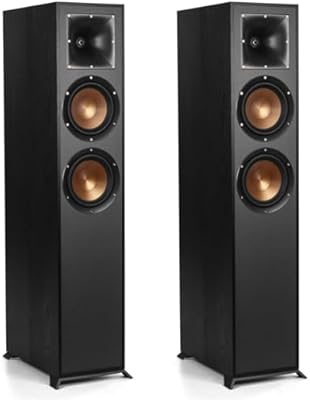
81%
92%
Sound Clarity
78%
Bass Performance
71%
Dolby Atmos Height Effects
91%
Sensitivity & Efficiency
86%
Build Quality
More
Klipsch R-41M
Klipsch R-41M
78%
91%
Sound Clarity & Detail
52%
Bass Performance
86%
Soundstage & Imaging
93%
Sensitivity & Amplifier Compatibility
78%
Build Quality
More
Klipsch R-50M Bookshelf Speakers
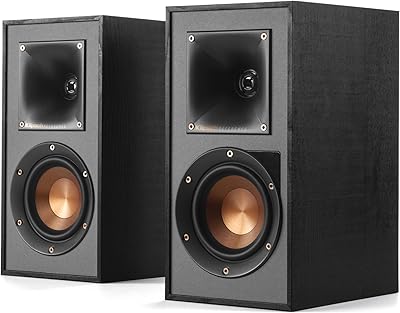
82%
91%
Sound Clarity & Detail
74%
Treble Balance
86%
Midrange Performance
63%
Bass Response
93%
Efficiency & Sensitivity
More
Klipsch R-41PM Powered Bookshelf Speakers
80%
88%
Sound Clarity & Detail
67%
Bass Performance
84%
Soundstage & Imaging
91%
Built-in Phono Preamp
86%
Connectivity & Input Range
More
Klipsch R-51M
Klipsch R-51M
82%
93%
Sound Clarity
91%
Dynamic Range
88%
Build Quality
72%
Bass Performance
89%
Value for Money
More
Klipsch R-30C Center Channel Speaker
79%
93%
Dialogue Clarity
88%
Soundstage Dispersion
74%
Tonal Balance
81%
Build Quality
91%
Efficiency & Receiver Compatibility
More
Klipsch R-52C Center Channel Speaker
80%
93%
Dialogue Clarity
88%
Sound Dispersion
89%
Build Quality
84%
Value for Money
81%
Receiver Compatibility
More

FAQ

No, they do not. Some online listings include Bluetooth and touch-control fields, but those appear to be data errors. The R-610F pair are entirely passive, wired speakers — you connect them to an AV receiver or amplifier using speaker wire, full stop. There is no built-in amplifier, wireless radio, or app control of any kind.

Most mid-tier AV receivers rated at 50W or more per channel into 8 ohms will work well. Klipsch speakers are known for high sensitivity, meaning they produce plenty of volume without demanding massive wattage. Brands like Denon, Yamaha, Onkyo, or Marantz in the mid-range tier are common pairings that owners report great results with.

Honestly, probably not ideally. These floorstanders are tuned for medium to large rooms, and the rear-firing port tends to cause bass buildup when the speakers are close to walls or in compact spaces. In a small room, you may end up with boomy, overpowering low end rather than the controlled punch these are capable of in the right environment.

A good starting point is at least 12 inches of clearance behind each cabinet due to the rear-firing port. Placing them flush against the wall will trap bass energy and make the low end sound muddy. Many owners find that pulling the speakers further into the room and experimenting with toe-in angle makes a meaningful difference in how balanced and clear the sound becomes.

They genuinely work well for both, but with a caveat on taste. The dynamic, forward sound signature is a great fit for rock, hip-hop, electronic, and cinematic content. If you prefer a flat, analytically neutral sound — the kind studio monitors aim for — these may feel a bit too punchy or bright. For high-energy music genres and movie watching, though, they really shine.

It can be, depending on your sources and your sensitivity to high frequencies. Klipsch's Tractrix horn tweeter is designed for efficiency and projection, which some listeners love and others find fatiguing over long sessions. The brightness tends to be most noticeable with compressed or low-quality recordings. With well-mastered music or high-bitrate streaming, most people find the treble energetic rather than harsh — but it is worth knowing your own preferences before committing.

They can handle bass reasonably well on their own — the 45Hz low-end extension is solid for most music and movie content. That said, if you want deep, physical bass for action films or bass-heavy music genres, a subwoofer will fill in what these towers naturally roll off below 45Hz. A notable number of owners do end up adding one, which suggests that for some listeners the low-end just doesn't go deep enough on its own.

The basic setup is straightforward — run speaker wire from your receiver to each tower's binding posts, and you're connected. The trickier part is dialing in placement and toe-in angle, which genuinely affects how these sound. Plan to spend some time moving them around and listening before you settle on a final position. It's worth the effort, as a well-placed pair sounds noticeably better than one just shoved into corners.

Technically you could connect one to a mono output, but it's not what these are designed for and not recommended. Each cabinet handles a full stereo channel, and the Tractrix horn dispersion pattern is optimized for left-right placement. For a dedicated center channel in a surround setup, Klipsch makes matching Reference series center speakers that are acoustically voiced to blend with these towers.

Klipsch has a solid long-term reputation for build quality, and the R-610F pair are well-regarded for durability among owners who have had them for several years. The spun-copper IMG woofer and aluminum tweeter are robust components. The limited warranty covers manufacturing defects, and Klipsch's customer support is generally considered responsive — just make sure to register your purchase with them directly to activate coverage.

Where to Buy