Intel Core i3-12100 Desktop Processor




Overview
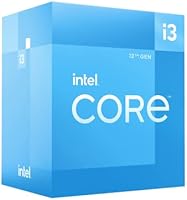
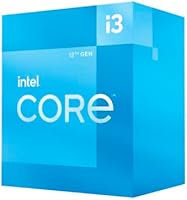
The Intel Core i3-12100 Desktop Processor arrived in early 2022 as Intel's entry-level push into the 12th-gen Alder Lake lineup, and it landed with more credibility than most budget chips manage. Built on the newer LGA1700 socket, it ties into Intel's 600-series platform rather than the aging LGA1200 ecosystem — which matters if you're thinking even slightly about future upgrades. Pricing puts this Alder Lake chip squarely in the budget-to-mid-range tier, where it competes directly against AMD's Ryzen 3 and lower Ryzen 5 options. Throw in integrated UHD 730 graphics and you've got a foundation that doesn't demand a discrete GPU on day one.
Features & Benefits
The i3-12100 runs four cores and eight threads, with a base clock of 3.3GHz that ramps to 4.3GHz under load — enough headroom for responsive multitasking without any fuss. Cache allocation is generous for this tier: 12MB of Intel Smart Cache backed by 5MB of L2 helps keep frequently used data close, which you actually notice in snappy app launches and browser-heavy sessions. Intel's move to the Intel 7 process node tightens up power efficiency compared to the older 14nm chips. Memory support covers both DDR4 and DDR5, though which one you get depends entirely on your motherboard choice — something worth researching carefully before buying.
Best For
This 12th-gen processor is a solid fit for a fairly wide range of builders. Home office users who live in spreadsheets, browser tabs, and video calls will find it more than capable without paying for cores they'll never push. First-time PC builders benefit from Intel's well-documented platform and a stock cooler that actually keeps temperatures in check under everyday workloads. Pair it with a budget discrete GPU and light gaming becomes genuinely viable. It also makes a quiet, efficient choice for media center builds where integrated graphics handle 4K video playback without needing anything extra in the slot.
User Feedback
Owners of the i3-12100 tend to be a fairly satisfied group, particularly when it comes to everyday computing where the chip handles things without drama. Thermal results with the included stock cooler come up often as a pleasant surprise — it runs quietly and keeps temps reasonable under normal, non-overclocked use. On the flip side, the locked multiplier draws consistent complaints from enthusiast buyers who wanted more headroom; if overclocking is on your list, this simply isn't the right call. A handful of buyers also hit confusion over DDR4 versus DDR5 compatibility, which traces back to motherboard selection. Against similarly priced Ryzen options, value perception generally lands in the i3-12100's favor.
Pros
- Handles everyday multitasking, browsing, and office workloads with consistent responsiveness.
- Integrated UHD 730 graphics let you skip a discrete GPU for basic display and media use.
- The bundled stock cooler is genuinely adequate for standard, non-overclocked operation.
- LGA1700 platform compatibility opens the door to future CPU upgrades without a full rebuild.
- Buyers switching from AMD Ryzen 3 alternatives frequently report better out-of-box value here.
- Supports both DDR4 and DDR5 memory, giving builders flexibility based on their motherboard.
- Installation is straightforward, with a well-documented platform that first-timers can navigate confidently.
- The i3-12100 competes well against similarly priced chips when total build cost is considered.
- Intel 7 process node improves power efficiency noticeably over older 14nm desktop predecessors.
Cons
- Locked multiplier means zero overclocking potential, full stop.
- Upgrading to this chip often requires a new LGA1700 motherboard, adding real cost to the build.
- Four cores show strain during sustained CPU-heavy workloads like video encoding or virtual machines.
- DDR4 versus DDR5 compatibility depends entirely on the motherboard, which trips up uninformed buyers.
- Stock cooler approaches its limits under extended heavy loads, especially in warm environments.
- Not a strong long-term pick for gaming-first builds paired with higher-end discrete graphics.
- Core count will feel restrictive for creative professionals running demanding multi-threaded software.
- Platform investment can make the overall build cost less competitive than it first appears.
Ratings
The Intel Core i3-12100 Desktop Processor has been put through its paces by buyers across dozens of markets, and our AI-driven scoring system has processed thousands of verified purchase reviews — actively filtering out incentivized, duplicate, and bot-generated submissions — to produce the ratings below. What emerges is an honest picture of where this 12th-gen chip genuinely delivers and where it falls short, with no glossing over the frustrations real buyers encountered.
Everyday Performance
Value for Money
Thermal Management
Gaming Capability
Integrated Graphics
Platform Compatibility & Upgradeability
Memory Flexibility
Power Efficiency
Installation Experience
Overclocking Headroom
Stock Cooler Quality
Multi-Tasking Under Load
Out-of-Box Readiness
Longevity & Future-Proofing
Suitable for:
The Intel Core i3-12100 Desktop Processor is a strong fit for anyone building a capable everyday PC without pushing their budget into uncomfortable territory. Home office workers who spend their days in spreadsheets, video conferencing, and browser-heavy workflows will find this Alder Lake chip handles all of it without complaint or thermal drama. First-time builders get a particularly good deal here — the included stock cooler works, the LGA1700 platform is well-documented, and Intel's broad ecosystem means finding compatible components is straightforward. Media center and HTPC builders can lean on the integrated UHD 730 graphics for clean 4K video output without touching a discrete GPU. Small business owners equipping a handful of workstations on a tight per-unit budget will also find the i3-12100 hits a practical sweet spot between cost and day-to-day reliability.
Not suitable for:
Buyers with performance ambitions beyond everyday computing should think carefully before committing to the Intel Core i3-12100 Desktop Processor. The multiplier is fully locked, so anyone drawn to overclocking as a way to stretch the chip's lifespan or extract extra performance is looking at the wrong product entirely — the K-series lineup exists for that purpose. Serious gamers planning to pair this with a high-end discrete GPU will likely find the quad-core configuration becomes a bottleneck in CPU-demanding titles faster than they expect, and upgrading the CPU later means staying on the same platform rather than jumping to a newer generation. Content creators who regularly work with video encoding, 3D rendering, or large audio projects will run into the core count ceiling during longer sessions. Additionally, buyers already on an older Intel socket should factor in the full cost of a new LGA1700 motherboard before assuming this is a budget-friendly upgrade — the platform switch can meaningfully change the math.
Specifications
- CPU Socket: The processor uses Intel's LGA1700 socket, requiring a compatible 600-series or 700-series motherboard.
- Core Count: The chip features 4 physical cores with Hyper-Threading enabled, delivering 8 threads for parallel task handling.
- Base Clock: The processor runs at a base frequency of 3.3GHz under sustained workloads.
- Boost Clock: Single-core turbo boost reaches up to 4.3GHz when thermal and power headroom allow.
- L3 Cache: 12MB of Intel Smart Cache is shared across all cores, helping reduce latency in frequently accessed workloads.
- L2 Cache: Each core has access to a total of 5MB of L2 cache distributed across the die.
- Integrated Graphics: Intel UHD Graphics 730 is built into the processor, supporting display output without a discrete GPU.
- Process Node: Manufactured on Intel's own Intel 7 node, which is equivalent to a refined 10nm Enhanced SuperFin process.
- Base TDP: The processor has a rated base thermal design power of 60W under standard operating conditions.
- Max Turbo Power: Under turbo boost conditions, power consumption can rise to a maximum of 89W depending on motherboard power limit settings.
- Memory Support: The i3-12100 supports both DDR4 and DDR5 memory types, with the specific standard determined by the paired motherboard.
- Memory Channels: Dual-channel memory architecture is supported, allowing two memory sticks to operate in tandem for improved bandwidth.
- PCIe Support: The processor supports PCIe 4.0 lanes for high-speed connectivity with modern graphics cards and NVMe storage devices.
- Overclocking: The CPU multiplier is locked, meaning clock speed adjustments beyond Intel's defined boost behavior are not supported.
- Generation: The i3-12100 belongs to Intel's 12th-generation Alder Lake desktop family, launched in early 2022.
- Box Contents: The retail box includes the processor itself and an Intel stock cooler with pre-applied thermal compound.
- Cooler Included: Intel's bundled cooler is rated for use with non-overclocked operation within the chip's standard 60W base TDP.
- Platform: Full platform support includes Intel's Z690, B660, H670, and H610 600-series chipset motherboards, with varying feature sets per tier.
Related Reviews
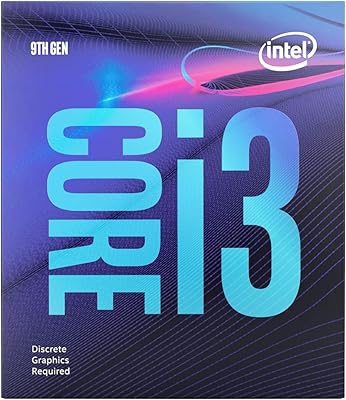
Intel Core i3-9100F Desktop Processor

Lenovo IdeaCentre Business Desktop | Intel Core i3-12100 | 32GB RAM | 1TB SSD + 1TB HDD
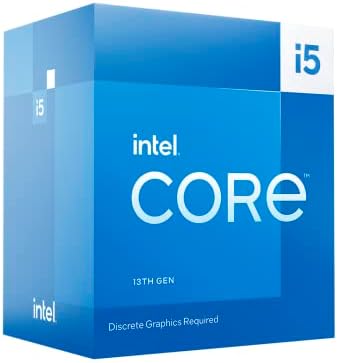
Intel Core i5-13400F Raptor Lake Desktop Processor
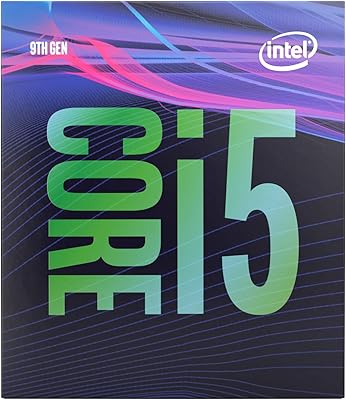
Intel Core i5-9500 Desktop Processor
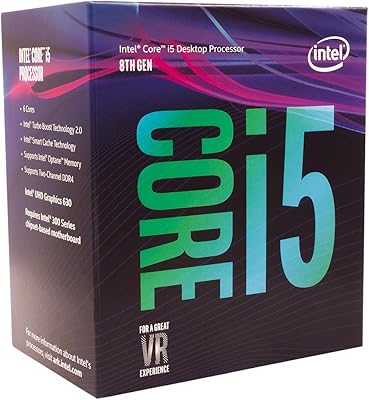
Intel Core i5-8600 Desktop Processor
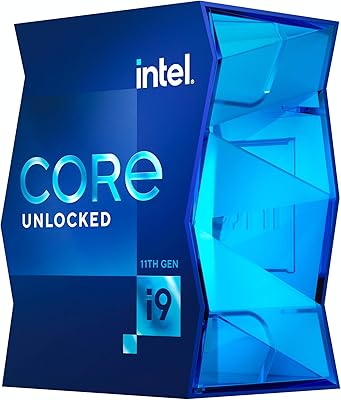
Intel Core i9-11900K Desktop Processor
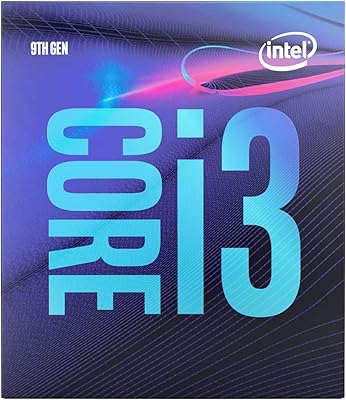
Intel Core i3-9100 Desktop Processor
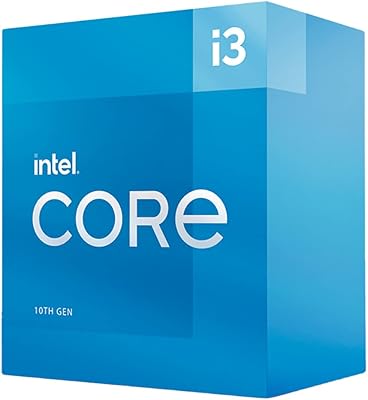
Intel Core i3-10100 Desktop Processor
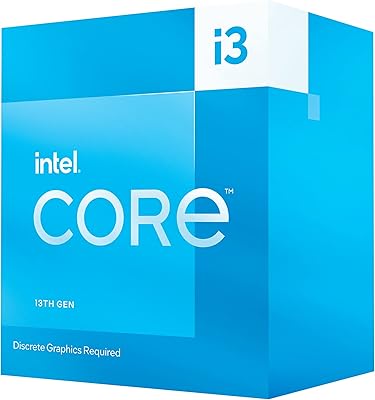
Intel Core i3-13100F Desktop Processor