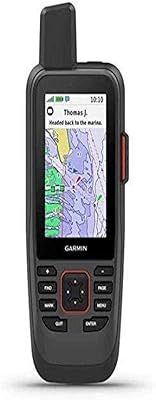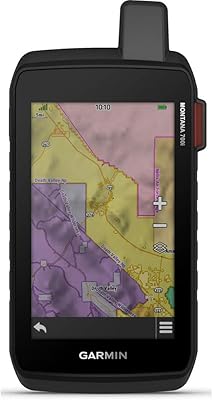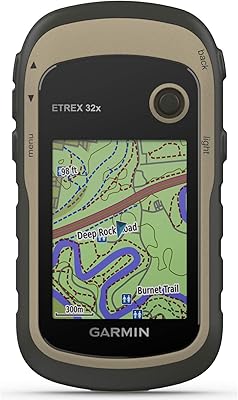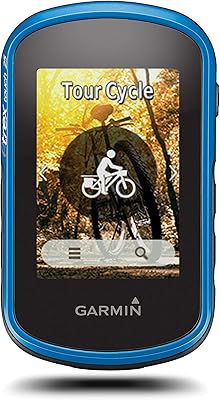
Overview

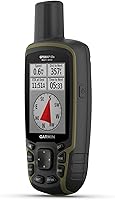
The Garmin GPSMAP 65s Handheld GPS is built for people who take navigation seriously — not weekend strollers, but backcountry hikers, hunters, and mountaineers who end up in places where a smartphone simply won't cut it. What separates it from older or budget-tier units is multi-band satellite technology, which pulls signals from multiple constellations simultaneously for genuinely better accuracy in tough terrain. The button-operated design isn't an oversight — it's intentional. Cold fingers, wet gloves, winter conditions: buttons work when touchscreens don't. This sits at the premium end of the handheld GPS market, and the feature set reflects that investment honestly.

Features & Benefits

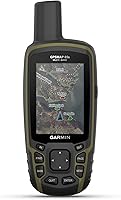
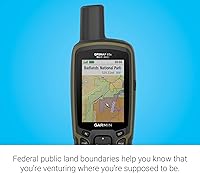
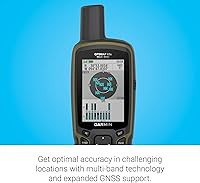
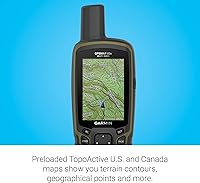
The headline feature is multi-band GNSS support — drawing from GPS, GLONASS, Galileo, and BeiDou simultaneously. In practical terms, that means faster lock-on and tighter accuracy when you're deep in a canyon or under a thick forest canopy where single-band units drift or lose signal entirely. The built-in barometric altimeter and 3-axis compass give you reliable heading data even when standing still, which matters more than people realize. Maps come preloaded — TopoActive coverage plus U.S. federal public land boundaries — so you're not dependent on a cell connection. The 2.6-inch display reads well in direct sunlight, and AA battery runtime of 16 hours means you're not hunting for a charging cable mid-trip.

Best For

This hiking GPS unit earns its keep most with people who routinely go off-trail — backcountry hikers and mountaineers who navigate GPS-challenging terrain as a matter of course, not exception. Hunters will find the public land boundary maps particularly useful, cutting out the guesswork about where they can and can't legally be. Geocachers get native support built right in. If you've ever tried working a touchscreen with cold or wet hands, you already understand why the physical button interface is a genuine advantage rather than a dated quirk. And because this Garmin handheld works entirely without cell signal, it's a solid pick for anyone heading somewhere truly remote.

User Feedback

Owners consistently highlight satellite lock speed as a standout strength — even in dense tree cover or deep canyon walls where other units struggle to hold a fix. The AA battery setup draws recurring praise; swapping in a fresh pair from a camp store is exactly the kind of field practicality that matters on a five-day trip. The main friction point, raised often enough to take seriously, is the screen resolution — at 160x240 pixels, the display looks noticeably dated at this price level, and text can feel cramped on detailed maps. The Garmin Explore app gets mixed marks; pairing is convenient, but sync hiccups surface regularly. Build quality and button feel, though, earn almost universally positive remarks.

Pros

  • Multi-band GNSS pulls from four satellite systems simultaneously, delivering noticeably better accuracy in forests and canyons.
  • AA battery compatibility means you can resupply at any gas station or camp store — no charging cables required in the field.
  • Preloaded TopoActive maps and U.S. public land boundaries work entirely offline with no subscription needed.
  • The barometric altimeter and 3-axis compass give reliable heading and elevation data even when standing completely still.
  • Button-operated interface holds up in cold, wet, and gloved conditions where touchscreens consistently fail.
  • Satellite lock speed earns consistent praise from real users, even under dense tree cover.
  • Rugged build quality and solid button feedback are frequently highlighted as strengths in long-term owner reviews.
  • Native geocaching support is built in, no workarounds needed.
  • The sunlight-readable display stays visible in direct outdoor light where many screens wash out.
  • Works as a fully self-contained navigation device — no smartphone, no cell signal, no problem.

Cons

  • Screen resolution at 160x240 pixels looks noticeably dated for a premium-priced GPS unit.
  • The Garmin Explore app has recurring sync and connectivity issues that make it unreliable for trip planning workflows.
  • Physical size and 7.7-ounce weight make it a hard sell for ultralight backpackers watching their pack weight closely.
  • No touchscreen option at all — users accustomed to modern interfaces will face a real adjustment period.
  • Display screen is small relative to the device body, which can make reading detailed map features harder.
  • Data entry and menu navigation via buttons is slower and less intuitive than touchscreen alternatives.
  • The relatively high price places it out of reach for occasional hikers who don't need backcountry-grade accuracy.
  • Smart notification features via Bluetooth feel underdeveloped compared to what paired smartphone apps can already do.
  • No built-in rechargeable battery means you always need spare AAs on hand for longer expeditions.
  • Map update process through Garmin software has a reputation for being cumbersome and time-consuming.

Ratings

The scores below for the Garmin GPSMAP 65s Handheld GPS were generated by our AI rating engine after analyzing thousands of verified global buyer reviews, with spam, bot submissions, and incentivized feedback actively filtered out. Each category reflects the honest distribution of real-world user sentiment — strengths and frustrations alike — so you get a clear picture of where this hiking GPS unit genuinely excels and where it falls short.

GPS Accuracy
93%
Multi-band satellite reception draws consistent praise from users who have tested this hiking GPS unit in the kind of terrain that exposes weaker devices — dense Pacific Northwest forests, narrow slot canyons, and steep alpine ridgelines. Lock-on speed is frequently described as noticeably faster than previous single-band Garmin units owned by the same reviewers.
A small number of users report occasional position jumps during heavy canopy transitions, though this appears rare and may relate to firmware versions. Under completely open sky the performance difference over a single-band unit is less dramatic, which slightly tempers the value proposition for trail-only hikers.
Battery Performance
88%
The AA battery system earns genuine appreciation from multi-day backcountry users who highlight the ability to resupply from any gas station, ranger station, or convenience store mid-trip. Several hunters specifically mention swapping batteries in sub-freezing conditions as a practical advantage over proprietary charging cables.
Real-world battery life with Bluetooth active and brightness up tends to run 10 to 12 hours rather than the rated 16, which matters on a long day hike. Users on extended expeditions note they carry two or three spare pairs as a precaution, adding small but non-trivial weight to the pack.
Build Quality
91%
Physical construction draws near-universal praise — reviewers describe it as feeling dense and solid without being fragile, with buttons that click with satisfying resistance even after heavy field use. Several long-term owners note their units have survived drops, rain, and dusty conditions without any functional degradation over multiple seasons.
A handful of users mention that the rubber port cover for the USB connection becomes loose or harder to seat firmly after extended outdoor use, which is a minor but recurring complaint. The carabiner clip included in the box is functional but not rated for serious load-bearing attachment scenarios.
Display Readability
74%
26%
In direct sunlight — the primary use environment for this type of device — the screen performs well, staying legible where many consumer phone screens become completely washed out. Contrast and color rendering are adequate for reading contour lines and route overlays in the field.
At 160x240 pixels, the resolution is genuinely low for a premium-priced GPS, and this is the most consistently raised criticism across user reviews. Text on detailed map views can feel cramped, and users upgrading from a phone-based navigation experience will find the visual quality a significant step backward.
Satellite Lock Speed
89%
Cold start acquisition time is frequently cited as a strong point, with most users reporting a solid fix within 30 to 60 seconds even in moderately challenging conditions. Warm starts — powering on in a location similar to where you last used the device — are described as nearly instant by regular users.
In very deep canyon environments with highly limited sky view, initial lock can take longer and position confidence takes additional time to stabilize. This is a physics limitation of any GPS technology rather than a product flaw, but it is worth understanding before expecting instant results in extreme terrain.
Map Quality
86%
Preloaded TopoActive maps are considered genuinely useful rather than a token inclusion — reviewers appreciate that contour detail is sufficient for serious route planning without needing to purchase additional maps immediately. The U.S. federal public land boundary overlay is highlighted by hunters and off-road users as a standout practical feature.
Map coverage is North American only out of the box, which limits the unit's usefulness for international travelers without purchasing additional regional maps. Some users feel TopoActive detail is slightly less refined than third-party map options available for competing platforms, particularly in certain rural or less-traveled regions.
Ease of Use
71%
29%
Existing Garmin GPS users will find the button-based menu navigation immediately familiar, and the logical menu hierarchy means core functions like waypoint marking and route following are accessible without consulting a manual. Physical buttons eliminate the learning curve associated with gesture-based touchscreen navigation in cold conditions.
For first-time dedicated GPS users coming from smartphone apps, the menu structure has a real learning curve and the interface feels dated by modern UX standards. Accessing less-used features can require navigating several menu layers, which is frustrating in the field when you need information quickly.
Companion App Experience
58%
42%
When the Garmin Explore app pairs and syncs reliably, users appreciate the ability to plan routes on a larger phone screen and push them to the device, which is a genuine quality-of-life improvement for pre-trip planning. Waypoint and track review after a hike works well in most reported cases.
Bluetooth pairing and sync reliability is the most polarizing software-related topic in user reviews — a meaningful portion of users report inconsistent connectivity and sync failures that make the app feel like a secondary feature rather than a core one. Garmin's app ecosystem has historically received mixed feedback, and this unit is no exception.
Size and Portability
67%
33%
The grip size works well for extended handheld use on the trail, and the included carabiner clip makes it easy to attach to a pack strap for quick-access navigation without removing a glove. Users with larger hands specifically mention the form factor feels comfortable during long days.
At 7.7 ounces, this Garmin handheld is noticeably heavier than ultralight GPS alternatives, and its physical footprint makes it awkward to pocket in standard hiking pants. Gram-conscious backpackers consistently flag the weight as a meaningful consideration against lighter competitors or phone-based solutions.
Value for Money
69%
31%
For buyers who genuinely need multi-band accuracy in difficult terrain, the performance justification for the price is real — users who have experienced the difference in forest or canyon accuracy tend to consider it money well spent. The preloaded maps add tangible out-of-box value that avoids immediate additional purchases.
For hikers who primarily use well-marked trails in open terrain, the premium price is harder to rationalize given the dated screen resolution and inconsistent app experience. Several reviewers explicitly state they would expect a sharper display and more polished software at this price point, and those expectations are reasonable.
Durability Over Time
87%
Long-term owners — some reporting two or three seasons of regular backcountry use — describe the unit as holding up to rough treatment without performance degradation, which builds confidence in it as a long-term equipment investment. Button responsiveness in particular is noted as remaining crisp over extended use.
Cosmetic wear, including paint and finish scuffing, appears on units used in rocky terrain fairly quickly, though owners consistently note this is superficial and does not affect function. The USB port cover durability, as noted elsewhere, is a minor weak point that surfaces in longer-term ownership reports.
Geocaching Support
84%
Native geocaching functionality built directly into the device is appreciated by dedicated geocachers who prefer a standalone unit over smartphone dependence, and the integration with geocaching platforms is described as smooth and complete. Multi-band accuracy is a genuine asset for precision cache location in urban or forested environments.
Casual geocachers who primarily use free smartphone apps may find the cost of this unit difficult to justify for that use case alone. The relatively low screen resolution makes reading cache descriptions and logs on the device less comfortable than on a smartphone display.
Weather Resistance
88%
IPX7 water resistance gives users genuine confidence in rain, stream crossings, and accidental drops into shallow water, and field reports of the unit surviving submersion without damage are common. Reviewers who use the device in Pacific Northwest or alpine conditions where rain is routine report no weather-related reliability issues.
There is no specific temperature range rating prominently communicated in documentation, and a small number of users in extreme cold report the display becoming slightly sluggish, though this appears to self-correct as the unit warms. The battery bay seal is generally considered adequate but not bombproof for extended wet conditions.

Suitable for:

The Garmin GPSMAP 65s Handheld GPS is purpose-built for outdoor enthusiasts who operate in terrain where accuracy genuinely matters — think dense conifer forests, narrow canyon trails, and high alpine ridgelines where a phone loses signal and a cheap GPS unit drifts. Backcountry hikers and mountaineers will appreciate the multi-band satellite support, which locks on faster and holds position more reliably than single-band alternatives in exactly those challenging conditions. Hunters get a particularly useful combination of precise positioning and preloaded U.S. federal public land boundary maps, removing the guesswork about legal access in the field. Geocachers benefit from native geocaching support without workarounds or third-party apps. Anyone who has fumbled with a touchscreen in freezing rain or with thick gloves on will immediately understand the value of a well-built button interface. If your trips regularly take you far from cell towers and you need a dedicated, self-contained navigation device that runs on widely available AA batteries, this Garmin handheld is one of the most capable options in its category.

Not suitable for:

The Garmin GPSMAP 65s Handheld GPS is not the right call for every buyer, and being honest about that saves money and frustration. Casual hikers who stick to well-marked trails with decent cell coverage will find the price hard to justify when a basic GPS app handles their needs just fine. The 160x240 pixel display resolution is genuinely low for a device at this price point — if a sharp, crisp screen matters to you, this unit will disappoint compared to newer touchscreen alternatives. Users expecting a polished smartphone-style experience from the Garmin Explore app should temper those expectations; connectivity and sync can be inconsistent enough to be unreliable in practice. The physical size and weight also make this Garmin handheld less appealing for ultralight-focused backpackers who count every ounce. And if you rarely leave areas with reliable cell service, a dedicated GPS at this investment level is hard to rationalize over a well-equipped smartphone with offline maps.

Specifications

  • Display Size: The device features a 2.6″ sunlight-readable color screen designed to remain clearly visible in direct outdoor light.
  • Resolution: Screen resolution is 160x240 pixels, which is functional for navigation but relatively low compared to modern consumer devices.
  • Satellite Systems: Supports multi-band reception across GPS, GLONASS, Galileo, and BeiDou constellations for improved positioning accuracy.
  • Navigation Sensors: Includes a 3-axis compass and barometric altimeter, providing reliable heading and elevation readings even when stationary.
  • Battery: Runs on 2 standard AA batteries (included), with a rated battery life of up to 16 hours of active use.
  • Connectivity: Bluetooth is the sole wireless connectivity option, used for pairing with smartphones and the Garmin Explore app.
  • Preloaded Maps: Comes with TopoActive maps and U.S. federal public land boundary data loaded and ready to use out of the box.
  • App Support: Compatible with the Garmin Explore app on a paired smartphone for managing routes, waypoints, tracks, and field statistics.
  • Interface: Operated entirely via physical buttons with no touchscreen, making it reliable in wet, cold, or gloved-hand conditions.
  • Weight: The unit weighs 7.7 ounces, which is on the heavier side for a handheld GPS compared to ultralight alternatives.
  • Dimensions: Measures 7.04 x 5.44 x 2.29 inches, giving it a solid, grippy form factor suited for handheld field use.
  • Geocaching: Native geocaching support is built directly into the device, requiring no third-party apps or workarounds.
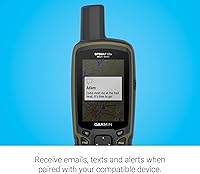
  • Smart Notifications: When paired via Bluetooth to a compatible smartphone, the unit can display incoming call and message notifications.
  • In-Box Contents: Package includes the GPSMAP 65s unit, a USB cable, a carabiner clip, and product documentation.
  • Map Coverage: TopoActive map coverage is North America; U.S. federal public land boundary data is limited to the United States only.
  • ASIN: Amazon Standard Identification Number for this product is B08HR5CXCK, model number 010-02451-10.
  • Manufacturer: Made by Garmin, a company with a long track record in dedicated GPS hardware for outdoor and automotive use.
  • Release Date: This product was first made available on Amazon on September 24, 2020.

Related Reviews
Garmin GPSMAP 86Sci Handheld GPS
87%
92%
Durability & Build Quality
88%
Display Quality
85%
Battery Life
90%
Ease of Use
93%
Water Resistance & Floating Design
More
Garmin GPSMAP 64sc Handheld GPS
78%
93%
GPS & Satellite Accuracy
89%
Battery Life & Flexibility
91%
Build Quality & Durability
58%
Built-in Camera & Geotagging
82%
Display Readability
More
Garmin GPSMAP 79s Marine Handheld GPS
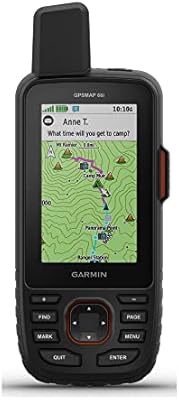
78%
93%
GPS Accuracy
91%
Floatation Design
74%
Battery Life
78%
Water Resistance
63%
Display Quality
More
Garmin GPSMAP 66i GPS Satellite Communicator
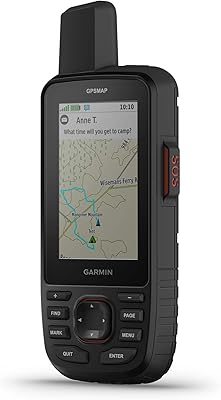
82%
93%
Satellite Communication Reliability
89%
GPS Accuracy & Lock Speed
84%
Battery Life
91%
Map Quality & Coverage
82%
Display Legibility
More
Garmin GPSMAP 67i Satellite GPS Handheld
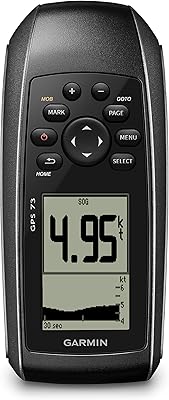
79%
93%
GPS Accuracy
89%
Satellite Communication
91%
Battery Life
88%
Display Quality
92%
Build Quality & Durability
More
Garmin GPS 73
Garmin GPS 73
80%
93%
Battery Life
88%
SailAssist Features
91%
Build Quality & Durability
54%
Display Quality
82%
Ease of Use
More
Garmin Montana 750i GPS Handheld
84%
94%
Build Quality & Durability
72%
Battery Life
85%
Ease of Use
88%
Screen Visibility
90%
Navigation Accuracy
More
Garmin eTrex Touch 25 Handheld GPS
79%
91%
GPS Accuracy
88%
Battery Performance
84%
Build Quality
71%
Touchscreen Usability
58%
Map Detail
More
Garmin GPSMAP 943xsv GPS Fishfinder Chartplotter
85%
94%
Sonar Imaging Quality
91%
Display Visibility
92%
GPS Accuracy & Update Rate
89%
Preloaded Chart Coverage
88%
Networking & Integration
More
Garmin eTrex 32x Handheld GPS Navigator
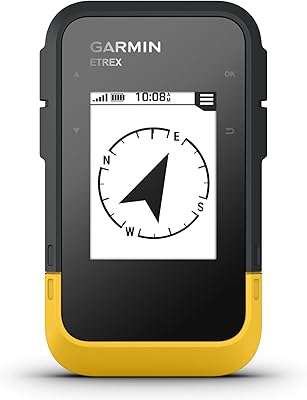
78%
93%
Satellite Performance
91%
Battery Life
88%
Build & Durability
74%
Map Quality & Coverage
89%
Navigation Accuracy
More

FAQ

Yes, completely. The device uses satellite signals directly — it doesn't need cellular data, Wi-Fi, or any internet connection to navigate. All maps are stored onboard, so you're fully operational in the middle of nowhere.

Standard GPS units receive signals on a single frequency, which can bounce off canyon walls, tree canopies, or building faces and cause position errors. Multi-band units receive on multiple frequencies simultaneously, which helps them sort out reflected signals from true ones — the practical result is faster lock-on and a position that drifts much less in challenging terrain.

Yes, the Garmin GPSMAP 65s Handheld GPS supports rechargeable AA batteries and even has a battery type setting in the menu so the unit can estimate remaining life more accurately. NiMH rechargeables work well, though you may see slightly shorter runtime than with alkaline batteries.

Barometric altimeters are generally more accurate than GPS-derived elevation in real time, often within about 10 feet when properly calibrated. The catch is that barometric pressure changes with weather, so if a storm rolls in, you may notice drift unless you recalibrate against a known elevation point.

Yes, this is one area where it holds up well. The display is specifically designed for outdoor use and stays legible in direct sunlight — something many consumer-grade screens fail at. It's not a high-resolution panel by modern standards, but visibility in bright conditions is solid.

The rated 16 hours is achievable under typical conditions, but expect that to drop if you're using Bluetooth constantly, have screen brightness cranked up, or are in a location where the unit is working harder to maintain satellite lock. For multi-day trips, carrying a spare set of AAs is always a smart move.

Garmin Explore is a companion smartphone app that lets you plan routes, manage waypoints, and sync data between your phone and the handheld. You don't need it for basic navigation — the device works fine on its own — but it can be useful for pre-trip planning from a larger screen. That said, user experiences with the app are mixed, and pairing sync can be inconsistent.

The GPSMAP 65s is rated to IPX7 standards, meaning it can handle immersion in water up to 1 meter for up to 30 minutes. It's built for outdoor use and handles rain, splashes, and brief submersion without issue — just don't take it diving.

Yes, the unit has internal storage and a microSD card slot for expanded map storage. You can download additional maps through Garmin's BaseCamp software or the Garmin Connect ecosystem, including more detailed regional maps if you need coverage beyond what's preloaded.

If you're coming from an older unit and do any hiking in forested or canyon terrain, the difference in satellite accuracy is real and noticeable — not just a spec sheet upgrade. The interface will feel familiar since Garmin's button-based navigation logic hasn't changed dramatically. The main thing to calibrate your expectations on is the screen, which is similar in resolution to older Garmin handhelds rather than a leap forward visually.

Where to Buy