
Overview

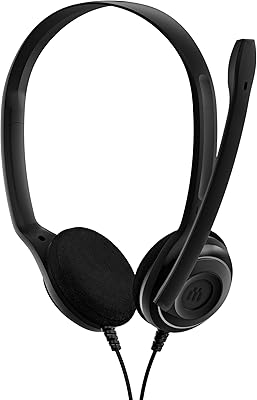
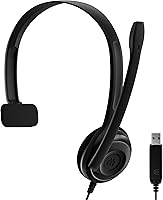
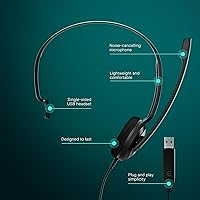
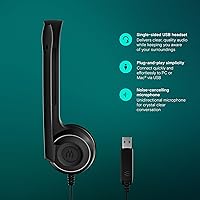
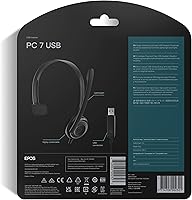
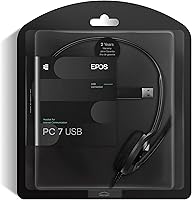
The EPOS PC 7 USB is a no-frills mono USB headset that has quietly built a loyal following since its launch back in 2012 — and that kind of staying power says something. EPOS carries real audio engineering credibility through its Sennheiser roots, which gives this mono USB headset more pedigree than its price tag might suggest. Weighing just over two ounces, it sits lightly on one ear without causing fatigue during long work sessions. The single-ear design is a deliberate choice, not a compromise — keeping one ear free means you stay aware of what's happening around you. Plug it into a USB-A port and it simply works.

Features & Benefits

The boom microphone is where this EPOS headset earns its keep. It does a reasonable job filtering out background hum — typing, HVAC noise, a distant TV — though it won't perform miracles in genuinely loud environments. That's an honest expectation to set. The wideband audio coverage (42–17,000 Hz) keeps voices sounding natural rather than tinny, which matters during back-to-back calls. Cable management is handled cleanly, reducing desk tangles. What really stands out for everyday use is how friction-free the setup is: plug it in on Windows, macOS, or Chromebook and the OS recognizes it instantly. No driver downloads, no audio settings to dig through.

Best For

This mono USB headset is a natural fit for remote workers and home-office setups where calls are the primary use case. If you spend your days on Teams or Zoom and don't need immersive stereo audio, the PC 7 USB covers what you actually need. Call center agents and support staff tend to favor it for its reliability and low-maintenance nature — there's nothing to charge, pair, or configure. Students picking up their first dedicated headset will find it refreshingly simple. The one-ear-free design does divide opinion: people who work in open spaces or need to hear colleagues nearby love it; those accustomed to stereo headsets may need an adjustment period.

User Feedback

Buyers who use this EPOS headset for daily calls consistently praise the microphone pickup, noting that call recipients rarely have complaints about voice clarity. Comfort during extended wear also comes up often — the light weight genuinely helps here. Where opinions split is on build quality: the all-plastic construction feels functional rather than premium, and a vocal minority reports the headband loosening over time. On audio quality, most buyers are satisfied given the price tier, though those upgrading from a stereo headset sometimes miss the fuller sound. Compatibility rarely causes issues — most users report it working immediately on whatever machine they plug it into, removing a common friction point for less tech-savvy buyers.

Pros

  • Plug-and-play USB-A setup works instantly on Windows, macOS, and Chromebook with zero driver installation.
  • The boom mic delivers voice clarity that noticeably outperforms built-in laptop and monitor microphones.
  • Weighing just over two ounces, the PC 7 USB is comfortable enough for full-day wear without ear fatigue.
  • Single-ear design keeps you connected to your environment — genuinely useful in shared or open workspaces.
  • EPOS brand heritage brings real audio engineering credibility to an entry-level price point.
  • Wideband audio range makes incoming call voices sound natural and intelligible, not tinny or compressed.
  • No charging, no pairing, no software — it is ready to use the moment you sit down.
  • A long product history since 2012 means known reliability and a stable, well-supported design.
  • Retractable cable keeps the desk tidy and reduces the usual tangle problems with wired headsets.

Cons

  • All-plastic construction feels noticeably lightweight in a way that raises questions about long-term durability.
  • The headband hinge and boom arm are reported weak points that can loosen or crack with heavy daily use.
  • No onboard volume control or mute button means interrupting calls to adjust settings through software.
  • Mono audio output makes the headset a poor choice for any listening beyond voice calls.
  • Noise filtering struggles in genuinely loud environments — steady hum is reduced, but active noise is not.
  • No carrying case or protective pouch makes transport riskier for a frame that is not built to flex.
  • The thin cable is prone to kinking at connection points over months of repeated bending and storage.
  • Buyers in shared or high-rotation environments like call centers may find the build wears out faster than expected.

Ratings

The EPOS PC 7 USB has accumulated a substantial body of verified buyer reviews across global markets, and our AI-driven scoring system has analyzed that feedback in full — filtering out incentivized, bot-generated, and outlier submissions to surface what real everyday users actually experience. Scores reflect both the genuine strengths and the honest frustrations buyers report, so you get a clear picture before committing to a purchase.

Microphone Clarity
83%
The boom mic consistently earns praise from call recipients who say voices come through clean and easy to understand, even in moderately busy home-office environments. Remote workers on daily Teams and Zoom calls report fewer complaints about background noise bleed compared to built-in laptop mics.
In genuinely loud settings — open-plan offices with multiple talkers or rooms with hard surfaces — the noise filtering starts to struggle noticeably. It reduces ambient hum reasonably well, but it is not a true professional-grade noise gate, and reviewers in noisier environments do notice the difference.
Comfort & Wearability
81%
19%
At just over two ounces, this mono USB headset barely registers during long stretches of wear. Support staff and remote workers who keep it on for four or five hours at a stretch routinely mention that ear fatigue is simply not an issue the way it can be with heavier over-ear models.
The on-ear pad is relatively thin, and a minority of users with glasses or sensitive ears find the pressure point uncomfortable after extended sessions exceeding a few hours. The fit is not adjustable in a precise way, which can be an issue for people with smaller or larger head sizes.
Build Quality & Durability
61%
39%
The lightweight plastic frame does its job for typical office use, and many buyers report using the same unit for two or three years without functional issues. For the price tier, basic durability holds up well in low-stress, desk-bound environments.
All-plastic construction is the most divisive aspect of the PC 7 USB in user reviews. The headband hinge and the boom arm joint are the two most frequently cited failure points, with some buyers noting loosening or cracking after about a year of daily use. It does not feel like a long-term investment piece.
Call Audio Quality
79%
21%
The wideband audio range keeps voices sounding full and intelligible rather than hollow or telephone-thin. Users on Skype and Zoom consistently note that conversations feel natural and that the incoming audio is clear enough for professional calls without reaching for a volume control.
It is strictly a communication headset, and buyers expecting any real depth or richness for music or video playback will be underwhelmed. The mono output and mid-focused tuning mean it handles voice well but delivers a flat, narrow experience for anything beyond calls.
Setup & Compatibility
92%
Plug-and-play USB-A setup is one of the most praised aspects across all user segments. IT-averse users, older adults, and students all report the same thing: plug it in, and it works instantly on Windows, macOS, and Chromebook without touching a single setting or downloading anything.
A small number of users report that certain USB hubs or older laptop ports occasionally fail to recognize the headset on first insertion, requiring a replug. There are also no onboard controls, so adjusting volume or muting mid-call means going through software — a minor but recurring frustration for fast-paced work environments.
Value for Money
88%
For buyers who simply need a reliable communication tool without overspending, this EPOS headset consistently over-delivers relative to its price bracket. The brand's audio heritage means the core function — being heard clearly on calls — is handled with more care than most competitors at a similar price point.
If your needs extend even slightly beyond basic voice calls, the value equation shifts. Buyers who wanted a headset that could double as a music or gaming peripheral found themselves disappointed and often returned it, feeling they needed to spend more to get genuine versatility.
Mono vs Stereo Design
69%
31%
For users in open offices or those who share a workspace at home, the single-ear design is genuinely useful — keeping one ear free means you can respond to a colleague or hear a doorbell without yanking off a headset. Customer support agents particularly appreciate this aspect for staying connected to the room.
Buyers upgrading from a stereo headset or those accustomed to immersive audio feel the mono design as a real step down. It is a deliberate design choice, not a flaw, but the reviews make clear that it is the single biggest reason people return or switch to an alternative.
Cable Management
74%
26%
The cable length is practical for most desk setups, and the retractable design helps keep things tidy without creating a tangle mess behind a monitor. Buyers working at fixed desks with a tower PC or hub nearby report the cord length works well without pulling on the headset.
A few users in laptop-only setups find the cable slightly longer than ideal when the laptop is sitting nearby on a desk, creating slack that gets in the way. The cable itself feels thin and light, which contributes to the overall weight but also raises questions about long-term resilience with repeated bending.
Noise Isolation (Passive)
58%
42%
The on-ear cup does block a modest amount of ambient sound from the listening side, which is enough to stay focused during a call in a relatively quiet room. Users in home offices with low background noise report the isolation is adequate for their needs.
Being an on-ear mono design, passive isolation is inherently limited. In co-working spaces, open-plan offices, or busy households, incoming audio competes with room noise in a way that a closed over-ear headset would handle far better. This is a known limitation of the form factor rather than a product defect.
Microphone Flexibility & Positioning
77%
23%
The boom arm is adjustable enough to position the mic close to the mouth without feeling intrusive, and users report that the optimal position is easy to find within a few seconds. Getting the mic angle right makes a noticeable difference in how voice is captured, and the arm holds its position reliably.
The boom is not as robustly articulated as on higher-end headsets, and a handful of reviewers note it gradually drifts from the set position over months of use. There is no flexible gooseneck, so fine-tuning is limited to a single pivot axis, which may not suit all face shapes or mic technique preferences.
Weight & Portability
86%
At roughly two ounces, the PC 7 USB is genuinely among the lightest wired headsets in its category. Workers who rotate between desks or carry a laptop bag appreciate how little space and weight it adds to their daily kit, and the USB-A plug means no dongle is needed on most machines.
Portability is mildly limited by the lack of a carrying case or any fold-flat design. The headset is compact but not engineered for commuter or travel use, and without a bag or pouch, the thin cable and plastic frame can pick up scratches or kinks during transport over time.
Long-Term Reliability
67%
33%
Many buyers have been using the same unit for well over two years in light-to-moderate daily use, which speaks to a baseline level of durability that belies the entry-level feel. For users in stable desk environments who treat it with reasonable care, it holds up.
Reports of premature wear cluster around the headband and boom arm hinge after heavy daily use, typically surfacing in the twelve-to-eighteen-month window. For buyers in call centers or shared-use environments where headsets change hands frequently, the build quality becomes a meaningful concern over time.
Brand Trust & Heritage
84%
EPOS carries direct lineage from Sennheiser's communications division, which gives buyers genuine confidence that audio engineering is not an afterthought. That reputation translates into real goodwill in reviews, with many buyers explicitly citing the brand name as a reason they chose this over a generic alternative.
Some buyers feel the EPOS branding commands a slight premium over functionally similar white-label headsets, and a few reviewers note that the quality gap at this price point is not always obvious enough to justify choosing brand over spec. Expectations set by the Sennheiser name occasionally exceed what this entry-level tier can deliver.

Suitable for:

The EPOS PC 7 USB is purpose-built for anyone whose primary need is clear, reliable voice communication rather than immersive audio — and it delivers on that specific promise well. Remote workers who spend the bulk of their day on Zoom, Teams, or Skype calls will find it covers everything they actually need without unnecessary complexity. Customer support agents and call center staff are a particularly natural fit: the lightweight build means it does not become a burden during long shifts, and the single-ear design lets them stay aware of the room while staying on the line. Students and first-time headset buyers will appreciate how nothing about the setup requires technical knowledge — plug it in and it works, on virtually any modern operating system. If you share a workspace, work from a busy household, or simply prefer not to be fully cut off from your surroundings during calls, the one-ear design is a genuine practical advantage rather than a compromise.

Not suitable for:

Buyers looking for a headset that pulls double duty — calls during the day, music or video content in the evenings — will find the PC 7 USB frustrating in its second role. The mono output and voice-focused audio tuning mean music sounds flat and narrow, and there is no way to work around that with EQ or settings. Anyone who works in a genuinely noisy environment, like a loud open-plan office or a shared household with kids, should also temper their expectations around the noise-cancelling mic: it handles steady background hum reasonably well, but it is not a match for the more sophisticated filtering found on higher-end communications headsets. The all-plastic build is another honest limitation — buyers who have had premium headsets and value solid construction will notice the difference immediately. Finally, if wireless freedom matters to you at all, this is not the right product; there is no Bluetooth option, no rechargeable battery, and no way to step away from your desk mid-call.

Specifications

  • Connectivity: The headset connects via a wired USB-A interface, requiring no wireless pairing or charging.
  • Hardware Interface: USB 2.0 is used for both audio transmission and power, with no separate audio jack required.
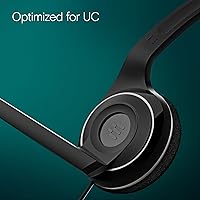
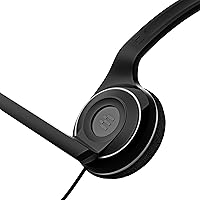
  • Ear Placement: Single on-ear mono design covers one ear only, leaving the other ear open to the surrounding environment.
  • Frequency Response: Audio is reproduced across a wideband range of 42 Hz to 17,000 Hz, optimized for voice clarity.
  • Impedance: Driver impedance is rated at 32 Ohm, a standard value well-suited for USB-powered audio devices.
  • Microphone Type: A noise-cancelling boom microphone is included, designed to reduce steady background noise during calls.
  • Weight: The headset weighs 2.19 ounces (approximately 62 grams), making it one of the lighter options in its category.
  • Material: The headband and ear cup housing are constructed from plastic, which keeps weight low but limits premium feel.
  • Cable: The cable is retractable or adjustable in length and terminates in a USB-A plug for direct connection to a host device.
  • Compatible OS: Plug-and-play compatibility is confirmed for Windows, macOS, and Chromebook without driver installation.
  • Bluetooth: The headset does not support Bluetooth or any wireless communication technology.
  • Driver Required: No driver or companion software installation is required; the headset is recognized as a standard USB audio device.
  • Noise Cancellation: Active noise cancellation is applied to the microphone circuit to reduce ambient sound pickup during voice transmission.
  • Form Factor: The headset is an on-ear monaural design intended for desk-based use rather than mobile or travel applications.
  • Product Dimensions: The packaged unit measures approximately 8.3 x 2.5 x 9.6 inches, reflecting the boom arm and headband span.
  • Manufacturer: The product is manufactured under the EPOS brand, which was established from the former Sennheiser Communications division.
  • Model Number: The official model designation is PC 7 USB, with manufacturer model code 504196.
  • Launch Date: The product was first made available in August 2012 and has remained in continuous production since.
  • Water Resistance: The headset carries no water resistance rating and should be kept away from moisture and liquids.
  • Package Contents: The box includes the PC 7 USB headset unit and a USB sound card adapter as listed included components.

Related Reviews
Sennheiser PC 8 USB Headset
86%
91%
Audio Clarity
88%
Microphone Performance
85%
Noise Cancellation
82%
Comfort & Fit
79%
Build Quality
More
SteelSeries Alias USB Mic
78%
88%
Voice Clarity & Warmth
79%
AI Noise Cancellation
82%
Software Experience (Sonar)
83%
Build Quality & Materials
86%
LED Level Monitoring
More
MKJ USB Headset
MKJ USB Headset
79%
83%
Microphone Clarity
88%
Wearing Comfort
67%
Build Quality
94%
Plug-and-Play Setup
91%
Platform Compatibility
More
EPOS Sennheiser SC 60 USB ML
88%
94%
Sound Quality
91%
Noise Cancellation
87%
Comfort for Extended Use
96%
Ease of Setup
93%
Microphone Clarity
More
NEWFAST BE6500 USB WiFi 7 Adapter
86%
92%
Speed & Performance
89%
Ease of Setup
90%
Signal Strength & Coverage
85%
Compatibility with Windows 11
94%
Gaming Performance
More
WAVLINK AX5400 WiFi 6E USB Adapter
71%
88%
Ease of Setup
71%
Wireless Speed Performance
83%
6GHz Band Access
67%
Build Quality & Antenna Design
74%
Network Stability
More
Cubilux 7.1 USB External Sound Card
83%
91%
Build Quality
88%
Audio Clarity & Noise Floor
86%
Headphone Output Quality
74%
7.1 Surround Sound Performance
93%
Plug-and-Play Setup
More
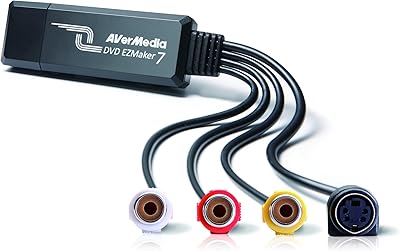
AVerMedia EZMaker 7 USB Video Capture Card
81%
88%
Ease of Use
91%
Value for Money
75%
Video Quality
90%
Setup & Installation
82%
Software Experience
More
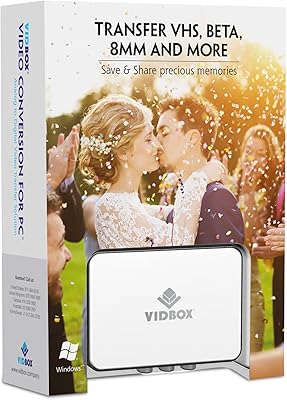
VIDBOX VCP1M
VIDBOX VCP1M
67%
78%
Ease of Setup
54%
Software Quality
61%
Video Output Quality
67%
Hardware Build Quality
82%
Included Accessories
More
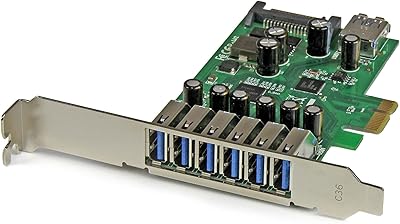
StarTech ICUSBAUDIO7D
78%
93%
Plug-and-Play Setup
81%
Audio Quality Improvement
68%
7.1 Surround Performance
74%
SPDIF Digital Output
84%
Build Quality & Durability
More

FAQ

It works immediately without any software. Plug it into a USB-A port and your operating system — whether Windows, macOS, or Chromebook — will recognize it as an audio device within a few seconds. No driver downloads, no app setup required.

Yes, it works with all of them. Because it registers as a standard USB audio device, any app that lets you select your microphone and speaker input will detect it automatically. You just need to confirm it is selected as your audio source in the app settings the first time you use it.

This comes up fairly often in user feedback. The headset is light enough that pressure is minimal for most people, but the on-ear pad sits directly against the ear rather than around it, which can interact with glasses frames over time. If you typically find on-ear headphones uncomfortable, that applies here too.

It handles constant background sounds reasonably well — things like a fan, air conditioning, or mild keyboard noise get attenuated noticeably. It is not a studio-grade noise gate, so a loud household, barking dogs, or an active open-plan office will still bleed through to some degree. Expectations should be set accordingly for noisier environments.

Technically yes, but it is not really built for it. The mono single-ear output means music will sound narrow and flat rather than immersive, and the audio tuning is optimized for voice frequencies rather than the full spectrum you would want for music. It is a communication tool first and foremost.

The boom arm pivots to position the mic near your mouth, but the design is typically fixed to one side rather than being fully reversible. It is adjustable enough to find a comfortable angle, but if you need to swap it to the opposite side, that is generally not supported on this model.

The cable length is practical for most standard desk setups where your computer or USB hub is within arm's reach. Users at standing desks or with a tower PC placed on the floor have occasionally noted the cable feels slightly short, so if your USB port is more than a metre or so away, a short USB extension cable would help.

Honestly, the all-plastic construction is the most common concern in long-term reviews. Many users report the headset holding up fine for two or more years with careful daily use, but the headband hinge and boom arm joint are acknowledged weak points under heavy or rough handling. Treating it well makes a meaningful difference to longevity.

Usually yes, but a small number of users have reported occasional non-recognition when using certain unpowered or low-quality USB hubs. Plugging directly into the computer is the most reliable approach, especially if you encounter any detection issues on first use.

It is actually one of the more practical choices for that use case. Setup is completely hands-off, it works across different devices and operating systems, and the lightweight design is comfortable for hours of video calls or virtual lessons. The mono design means they can stay aware of their surroundings too, which some parents appreciate.