


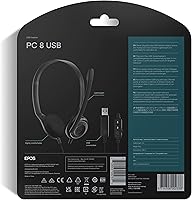
Overview

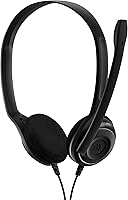
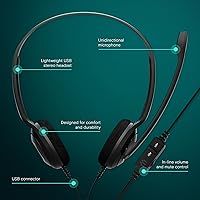
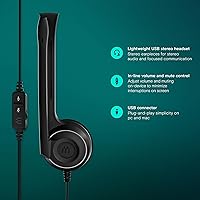
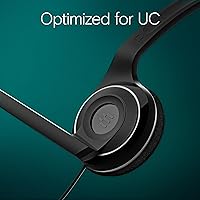
The EPOS Sennheiser PC 8 USB Stereo Headset has been around since 2012 and still holds a top-100 ranking in its category — which says something. Originally launched under the Sennheiser name, it is now sold under the EPOS brand following a corporate restructuring, though the engineering lineage remains intact. This is a no-frills, voice-first headset built for people who spend hours on calls and do not want to fiddle with drivers or settings. It connects via USB with a built-in sound card, weighs barely 3 ounces, and puts an inline mute and volume control right on the cable. Practical, light, and designed for everyday professional use.

Features & Benefits

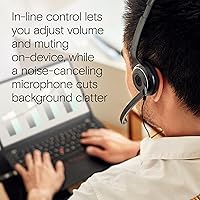
What makes this USB headset work well at this price point is how little gets in the way. Plugging it into any PC or Mac instantly registers it as an audio device — nothing to install, no restart required. The noise-cancelling boom mic does a solid job filtering out keyboard clatter and ambient room noise, keeping your voice clear and centered on calls. Stereo output through both ear cups makes online meetings feel less flat compared to a mono setup. The 32 Ohm impedance paired with a built-in USB DAC also means audio is not at the mercy of your computer's often underwhelming onboard sound chip. Reliable and consistently functional.

Best For

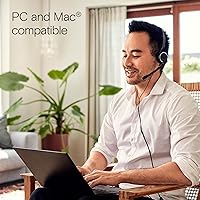
The PC 8 USB is a strong pick for anyone who needs a dependable voice headset without overthinking the decision. Remote workers juggling back-to-back Zoom or Teams calls will appreciate having mute access at their fingertips without alt-tabbing mid-conversation. Students in virtual classrooms get clear mic output without paying for features they will never use. Call center staff benefit from the light frame — under 3 ounces means it does not become a burden across a full shift. This EPOS headset also handles cross-platform use well; moving between a Windows desktop and a MacBook requires zero reconfiguration. Plug-and-play compatibility is genuinely useful here.

User Feedback

People who rely on this USB headset daily tend to fall into one of two camps. Those who need a dependable communication tool — not an audiophile experience — are largely satisfied. The setup experience earns consistent praise: plug it in and it works, every time, without surprises. Mic clarity also gets positive mentions, particularly from users stepping up from built-in laptop microphones. Where feedback turns mixed is around on-ear comfort during long sessions; users who wear glasses or have larger heads sometimes note that the ear cups create noticeable pressure over time. A handful of buyers have also flagged the cable as shorter than ideal for certain desk configurations. Long-term durability feedback, however, skews positive.

Pros

  • Plug-and-play USB setup works instantly on both PC and Mac with zero driver installation.
  • The noise-cancelling boom mic delivers noticeably cleaner voice pickup than most built-in laptop microphones.
  • At under 3 ounces, this USB headset is light enough to forget you are wearing it during long calls.
  • Inline mute and volume controls let you manage calls without touching your keyboard or screen.
  • The built-in USB sound card bypasses weak onboard audio chips for more consistent call quality.
  • Stereo sound through both ear cups makes meetings feel more natural compared to mono headsets.
  • Durable aluminum frame holds up well to daily use over many months, based on long-term user reports.
  • Cross-platform compatibility means no reconfiguration when switching between different computers.
  • Has maintained a strong sales rank for over a decade, suggesting consistent real-world reliability.

Cons

  • On-ear fit can cause pressure discomfort for glasses wearers during sessions longer than an hour or two.
  • Cable length may feel restrictive for users with desktop setups where ports are not close at hand.
  • Ear pads can feel warm during extended wear in warmer environments.
  • Audio quality is strictly voice-grade — not suitable for music listening or any kind of media monitoring.
  • No wireless option exists; users who prefer Bluetooth or RF freedom will need to look elsewhere.
  • The inline control module placement on the cable does not suit every desk configuration equally well.
  • On-ear design provides less passive noise isolation than over-ear closed-back alternatives.
  • Soft foam ear pads may show wear and flatten over time with heavy daily use.

Ratings

The scores below for the EPOS Sennheiser PC 8 USB Stereo Headset were generated by our AI review engine after analyzing thousands of verified global buyer reviews, with spam, incentivized, and bot-flagged submissions actively filtered out before scoring. Each category reflects the honest distribution of real user experiences — not marketing claims — so both the strengths and the recurring frustrations are represented transparently. Buyers consistently rate this headset well for communication-focused use cases, though certain comfort and audio limitations show up clearly in the data.

Ease of Setup
96%
Users across Windows and Mac platforms repeatedly describe the setup experience as effortless — plug it in and it just works. No driver downloads, no software prompts, no reboots. For first-time headset buyers and non-technical users, this zero-friction experience is frequently the single most praised aspect of owning this USB headset.
A small number of users on heavily locked-down corporate IT environments reported that USB audio devices required administrator approval before being recognized. This is an IT policy issue rather than a hardware flaw, but it catches some office users off guard.
Microphone Clarity
83%
The noise-cancelling boom mic performs well above expectations for a headset at this price point. Remote workers on Teams and Zoom calls report that colleagues rarely notice they are using a budget device — voice comes through cleanly and background noise like keyboard clatter stays largely out of the call.
In louder environments — open-plan offices, households with children, or spaces with HVAC noise — the noise cancellation reaches its limits and some bleed-through is audible to call participants. It is also not a broadcast-quality mic, so podcast or voice recording use cases will expose its limitations quickly.
Comfort & Fit
67%
33%
For shorter sessions under two hours, the ultralight 84-gram frame earns consistent praise. Users in call center environments who rotate headsets frequently appreciate how little the PC 8 USB weighs compared to bulkier alternatives, and the soft foam pads are gentle enough for most ear shapes at the outset.
On-ear designs inherently create more pressure than over-ear cups, and this headset is no exception during extended wear. Glasses wearers are disproportionately affected — the ear cups press against frame arms and cause discomfort that builds noticeably after 60 to 90 minutes. Users with larger heads also note the headband tension feels firm rather than adjustable.
Build Quality
78%
22%
The aluminum frame gives this headset a structural rigidity that surprises buyers who expect a flimsy product at this price. Long-term owners regularly mention using the same unit daily for over a year without cracks, joint failures, or headband collapse — a meaningful vote of confidence for a budget category product.
The plastic components on the boom arm and inline control module feel less robust than the aluminum frame itself, and a handful of users report the boom mic joint loosening over time. The ear pad foam also flattens with heavy daily use, which affects both comfort and the overall aesthetic of the headset.
Sound Quality
62%
38%
Stereo output through both ear cups gives this EPOS headset a clear advantage over mono communication headsets for casual media use. Call audio and meeting playback sound clean and well-separated, and the built-in USB DAC bypasses weak onboard laptop audio chips for more consistent output quality.
This is a voice-optimized headset and the audio profile reflects that — the low end is thin, and music lacks warmth or definition. Buyers expecting a satisfying listening experience for entertainment or detailed audio monitoring will be disappointed. It is built to make voices clear, not to reproduce a balanced sound signature.
Value for Money
91%
At its price point, the PC 8 USB is difficult to beat for what it actually delivers. Users who need a reliable, professional-sounding communication headset for daily remote work or virtual learning consistently feel the purchase is justified many times over, particularly given the EPOS brand heritage behind the product.
The value equation weakens slightly for buyers who want more than a communication headset. If your needs include music listening, gaming audio, or longer uninterrupted wear, the limitations become more pronounced relative to the cost, and spending more on a purpose-built headset starts to make more sense.
Inline Controls
74%
26%
Having physical mute and volume controls on the cable is genuinely useful during live calls, and most users adapt quickly to finding the module by feel without looking away from their screen. The mute function in particular earns praise from users who need to cut their mic quickly during meetings.
The placement of the inline module on the cable does not suit every desk configuration equally well — some users find it ends up dangling rather than resting within easy reach. The controls themselves are also small enough that toggling mute in a hurry occasionally results in accidentally adjusting volume instead.
Cable & Connectivity
69%
31%
The wired USB connection is stable and interference-free, which matters more than most buyers realize until they have dealt with Bluetooth dropout mid-call. There are no pairing rituals, no battery charging, and no latency concerns — the connection is simply always there when you need it.
The cable length is a recurring frustration, especially for users with desktop towers positioned on the floor or at a distance from their seating position. Several buyers also note the retractable cable feature does not behave as smoothly over time as it does when new, and some prefer a standard fixed-length cable.
Cross-Platform Compatibility
93%
Switching this USB headset between a Windows desktop and a MacBook requires absolutely nothing — no settings change, no re-pairing, no driver reinstall. Users who bounce between devices throughout the workday consistently call out this frictionless cross-platform behavior as one of the most underrated practical benefits of the headset.
Compatibility is almost universally positive, though users on certain Linux distributions report needing to manually configure audio routing since the plug-and-play behavior is less consistent outside of the mainstream OS environments the headset was explicitly designed for.
Noise Isolation
58%
42%
The closed-back on-ear design provides a modest level of passive isolation that helps reduce ambient sound awareness during focused call sessions. In reasonably quiet home office environments, most users find the isolation sufficient to stay focused on their call without additional environmental management.
On-ear cups cannot compete with over-ear closed-back designs when it comes to blocking external sound. In open offices, shared workspaces, or louder domestic environments, ambient noise bleeds through noticeably. Users who need meaningful passive isolation during their workday will likely find this headset underwhelming in that specific regard.
Longevity & Durability
81%
19%
A headset that has remained on sale since 2012 and continues to rank in the top 200 of its category tells you something about its staying power. Long-term user reviews back this up — the core headset structure holds together well under daily professional use, with the aluminum frame resisting the kind of stress fractures common in cheaper all-plastic designs.
Consumable components like the foam ear pads degrade faster than the frame itself, and replacement pads are not always easy to source. The boom arm joint and inline module also show wear patterns earlier than the structural components, which means the headset may outlast some of its more tactile elements.
Mic Positioning & Flexibility
72%
28%
The adjustable boom arm lets users position the microphone closer to or further from their mouth depending on their preference, which makes a noticeable difference in how consistently clean the mic pick-up sounds across different users and face shapes. Most users find a good position quickly without much experimentation.
The boom arm does not lock into position with any firm mechanism, relying instead on friction resistance at the joint. Over time, some users report the arm gradually drifting from their preferred angle, requiring occasional readjustment. It is a minor annoyance in practice but one that appears consistently across long-term owner reviews.

Suitable for:

The EPOS Sennheiser PC 8 USB Stereo Headset is purpose-built for people whose primary need is reliable, clear voice communication rather than premium audio performance. Remote workers who live on Zoom, Teams, or Skype calls will find it checks every practical box — quick to connect, easy to control, and comfortable enough to wear through back-to-back meetings. Students in virtual learning environments benefit from the noise-cancelling boom mic, which helps their voice come through clearly even in noisy home settings. Call center agents and support staff who need a lightweight headset they can wear for an entire shift without discomfort will appreciate the sub-3-ounce build. It also suits anyone switching between a Windows PC and a Mac, since the USB plug-and-play setup requires absolutely no configuration on either platform.

Not suitable for:

The EPOS Sennheiser PC 8 USB Stereo Headset is the wrong choice if you are expecting anything close to a music-listening or gaming audio experience — it is a voice headset at its core, and the sound signature reflects that. People who wear glasses may find the on-ear design creates noticeable pressure points after an hour or two, which over-ear headsets handle considerably better. If you work at a desk where your USB ports are far from your seating position, the cable length may frustrate you; this is not a long-cord solution. Bluetooth users or those who prefer a wireless setup will need to look elsewhere entirely, since this EPOS headset is wired-only with no wireless option. Anyone needing a headset for music production, content creation, or detailed audio monitoring should invest in a purpose-built device for those tasks.

Specifications

  • Connection Type: Wired USB connection with a built-in USB sound card, requiring no external audio adapter or driver installation.
  • Ear Placement: On-ear (supra-aural) design with closed-back ear cups that sit directly on the outer ear rather than surrounding it.
  • Impedance: 32 Ohm impedance, which is well-suited for direct USB-powered operation without an external amplifier.
  • Microphone Type: Noise-cancelling boom microphone designed to isolate the speaker's voice and reduce ambient background noise during calls.
  • Inline Controls: Cable-mounted inline remote provides dedicated buttons for microphone mute and speaker volume adjustment.
  • Weight: The headset weighs 84 grams (2.96 oz), making it one of the lighter options in its category for extended wear.
  • Frame Material: The headband and structural frame are constructed from aluminum, providing durability without adding significant weight.
  • Ear Pad Material: Soft foam ear pads are used on both ear cups to cushion contact points during prolonged use.
  • Compatibility: Officially compatible with Windows PCs and Mac computers via USB; no drivers or software are required on either platform.
  • Audio Output: Dual on-ear speakers deliver stereo audio output, providing a wider soundstage than mono communication headsets.
  • Manufacturer: Produced by Demant Sound EPOS Audio A/S, the company that acquired and now operates the former Sennheiser consumer and business audio division.
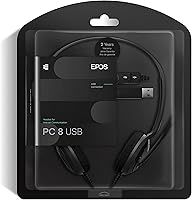
  • Model Number: The official model designation is PC 8 USB, with series number 504197.
  • Market Availability: This headset has been commercially available since August 2012 and remains an active, non-discontinued product.
  • Sales Rank: Ranked #126 in the Computer Headsets category on Amazon at the time of review, reflecting consistent long-term demand.
  • Package Contents: The retail package includes the headset unit and a built-in USB sound card; no additional accessories are included in the standard packaging.
  • Cable Feature: The USB cable includes a retractable design element intended to reduce desk clutter and manage cord length.
  • Language Support: Product documentation and packaging are provided in English, French, and Spanish.
  • Item Dimensions: The packaged unit measures approximately 8.3 x 2.5 x 9.6 inches, suitable for standard retail shelf or desktop storage.

Related Reviews
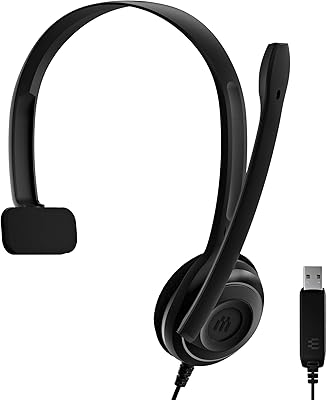
EPOS PC 7 USB
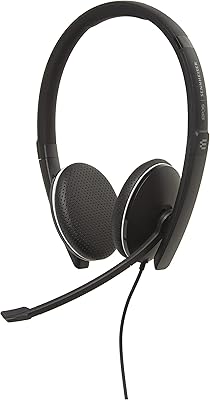
EPOS PC 7 USB
77%
83%
Microphone Clarity
81%
Comfort & Wearability
61%
Build Quality & Durability
79%
Call Audio Quality
92%
Setup & Compatibility
More
MKJ USB Headset
MKJ USB Headset
79%
83%
Microphone Clarity
88%
Wearing Comfort
67%
Build Quality
94%
Plug-and-Play Setup
91%
Platform Compatibility
More
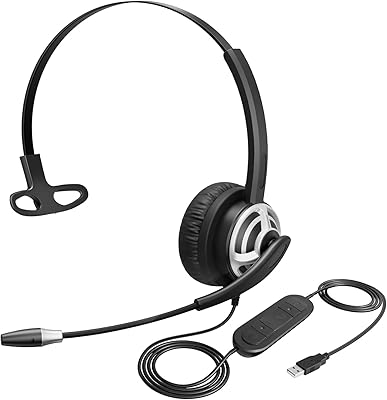
Sennheiser SC 165 USB Binaural Headset
80%
92%
Microphone & Call Clarity
87%
Comfort for Long Wear
89%
Connectivity & Compatibility
78%
Value for Money
71%
Build Quality
More
EPOS Sennheiser SC 60 USB ML Headset
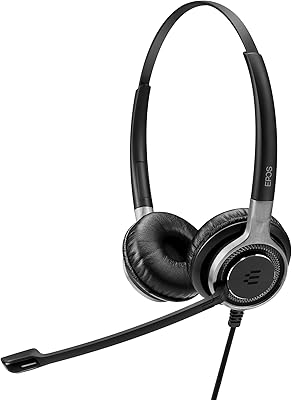
82%
91%
Microphone Clarity
86%
Noise Cancellation (Mic)
88%
Call Audio Quality
83%
Comfort During Extended Wear
67%
Build Quality & Durability
More
EPOS Sennheiser SC 660 USB ML Headset
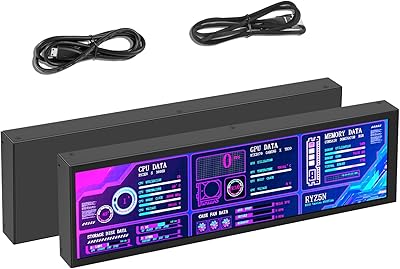
83%
88%
Microphone Quality
86%
Call Audio Clarity
91%
Build Quality
67%
Comfort & Wearability
72%
Value for Money
More
AISHICHEN 8.8-Inch PC Temperature Display
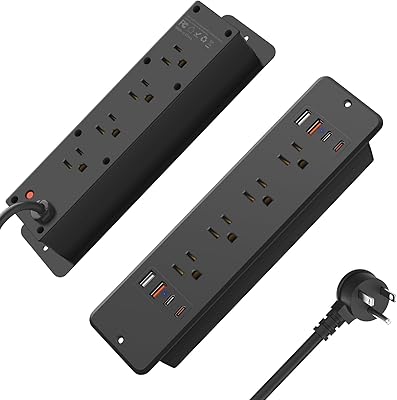
84%
88%
Display Quality
85%
Ease of Setup
91%
Customization Options
79%
Build Quality
84%
Screen Brightness
More
HHSOET 8 Outlet Recessed Power Strip with USB-C and USB-A Ports
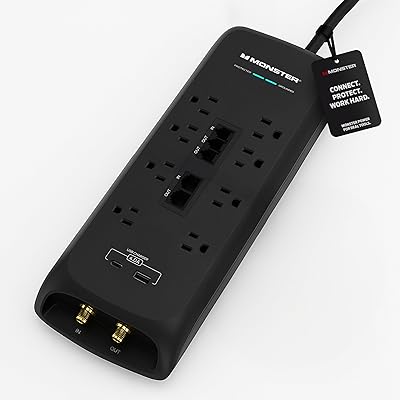
88%
94%
Surge Protection
89%
Ease of Installation
88%
Charging Speed
91%
Design & Space-Saving
87%
Build Quality
More
Monster 4050J 8-Outlet Surge Protector
82%
91%
Surge Protection Value
88%
Port Variety & Quantity
89%
Coax & Ethernet Protection
86%
Build Quality
67%
Outlet Spacing
More
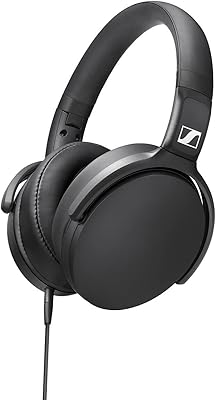
Sennheiser HD 400S Closed-Back Over-Ear Headphones
79%
83%
Sound Quality
88%
Comfort & Fit
76%
Noise Isolation
67%
Build Quality
84%
Cable & Connectivity
More
KEMEILE KML02DUSB USB Headset
85%
88%
Audio Quality
91%
Comfort for Long Use
85%
Noise-Cancelling Performance
84%
Microphone Clarity
72%
Build Quality
More

FAQ

No, you do not. The PC 8 USB has a built-in USB sound card that your computer recognizes automatically. On both Windows and Mac, it shows up as an audio device the moment you plug it in. Just set it as your default input and output in your system sound settings and you are ready to go.

It works on both. The USB plug-and-play design is platform-agnostic, so switching between a Windows machine and a MacBook requires no reconfiguration at all. Many users use the same headset across multiple computers without any issues.

For business communication purposes, yes. The noise-cancelling boom mic does a solid job keeping your voice clear and filtering out background sounds like keyboard noise or ambient room chatter. It is not a studio microphone, but for calls and virtual meetings it performs well above what a built-in laptop mic can offer.

This is worth thinking about carefully. Because the PC 8 USB uses an on-ear design, the ear cups press directly against your ears rather than enclosing them. For glasses wearers, this can create pressure along the arms of the frames after an extended period. Some users find it fine, while others notice discomfort after an hour or two. If you wear glasses and plan to use a headset for several consecutive hours, an over-ear model might be a safer choice.

The inline control module sits on the cable and includes a physical mute toggle and a volume wheel. It is reasonably easy to find by feel once you are used to where it sits on the cord. Whether it lands in a convenient spot depends a bit on your desk setup and how you route the cable, but most users adapt to it quickly.

Yes, essentially. The EPOS Sennheiser PC 8 USB Stereo Headset was originally a Sennheiser product, but the business audio and professional headset division was restructured under the EPOS brand, which is part of the Demant group. The product itself has not materially changed; the engineering origin is the same.

You can use it for casual media consumption, but set your expectations accordingly. The audio output is optimized for voice clarity, not music reproduction. It will handle a YouTube video or a podcast just fine, but if you are hoping for rich bass or detailed stereo imaging for music, this USB headset is not designed for that purpose.

The cable length has been a point of criticism from some users, particularly those with desktop towers positioned on the floor or far from the desk surface. It may feel short depending on your setup. If cable reach is a concern, measure your typical usage distance before purchasing, since the cord is not unusually long for a budget headset in this category.

Long-term user feedback on this one skews positive. The aluminum frame holds up better than you might expect for the price, and many users report using the same unit daily for well over a year without structural issues. The foam ear pads can soften and flatten with heavy use over time, but the core headset tends to remain functional.

Yes, a standard USB-A to USB-C adapter will work since the headset functions as a generic USB audio device. There are no proprietary drivers or firmware involved, so as long as the adapter passes audio data correctly, the headset should function normally on a USB-C only machine like a modern MacBook or a thin-and-light laptop.