

Overview

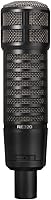
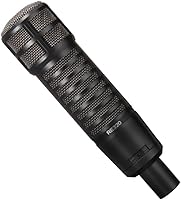
The Electro-Voice RE320 brings the storied legacy of the RE series into a more accessible and visually striking package. While many pros recognize the classic grey look of its siblings, this dynamic mic arrives in a sleek black finish that feels right at home in a modern studio or on camera. It is built like a tank with a rugged metal chassis, weighing in at a solid pound, so you know it can handle the rigors of professional use. Beyond just looking good, it is engineered as a high-fidelity tool capable of capturing everything from nuanced vocal performances to the aggressive transients of loud instruments. It provides that clear, broadcast-quality presence that recording engineers have trusted for decades, now optimized for a wider range of studio environments and applications.

Features & Benefits

One standout feature of the RE320 is the Variable-D technology, which effectively neutralizes the muddy proximity effect. This is a life-saver for podcasters who move around while talking, as the tone stays consistent even if you lean back or shift off-axis. For added versatility, the dual-voicing switch provides two distinct frequency curves, allowing you to flip from a natural voice response to a tailored kick drum setting in seconds. To keep the signal clean, an internal humbucking coil works alongside multi-stage integrated pop filters. These layers of protection significantly reduce electromagnetic hum and harsh plosive sounds, meaning you can often skip the external screens and get straight to recording without worrying about unwanted noise ruining a perfect take.

Best For

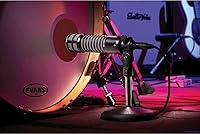
This broadcast-style microphone is a top-tier choice for broadcasters and podcasters who need that authoritative on-air sound without the technical headache of maintaining a constant distance from the capsule. It also serves as a workhorse for home studio owners who want a single, reliable tool that can pivot from recording vocals to miking up a guitar cab or a drum kit. Specifically, drummers will appreciate the dedicated kick drum curve that provides plenty of punch and snap. Additionally, it is ideal for recording engineers working in untreated spaces. Because it is so effective at noise rejection and minimizing tonal shifts, it helps deliver professional results even when the room acoustics are less than ideal. Just remember to pair it with a heavy-duty boom arm to support its weight.

User Feedback

In real-world use, this dynamic mic is frequently celebrated for its exceptional clarity and forgiving nature. Most users find the ability to move freely without losing their consistent tone to be its greatest strength. However, the one-pound weight is a common point of discussion, with many owners emphasizing that a standard, flimsy stand simply won’t cut it. You will definitely need a sturdy mounting solution to keep it secure. The dual-voicing switch is often highlighted as a functional benefit rather than a gimmick, proving its worth for those who record both podcasts and music. While some miss the classic look of older models, the durable metal construction and reliable performance win over most critics, making it a staple for anyone needing a flexible, high-performance studio tool.

Pros

  • Variable-D technology keeps your voice sounding natural and clear even if you move away from the capsule during recording.
  • The dual-voicing switch provides two distinct microphone characters, making it easy to swap between vocal and instrument settings.
  • An internal humbucking coil significantly cuts down on electrical interference from nearby computers and studio lighting.
  • The built-in multi-stage pop filters do a solid job of taming harsh breath sounds without needing a separate screen.
  • This dynamic mic features a rugged metal build that can withstand the daily wear and tear of a busy studio.
  • The sleek black finish looks professional and modern on camera for streamers and video podcasters.
  • It handles incredibly high sound pressure levels, making it safe for loud guitar cabinets and inside kick drums.
  • The RE320 offers a very tight pickup pattern that ignores distracting echoes and room noise in untreated spaces.

Cons

  • At one full pound, the unit is heavy enough to require a high-quality, professional-grade boom arm or stand.
  • The physical dual-voicing switch is recessed and can be difficult to toggle quickly without using a small tool.
  • It has a relatively low output sensitivity, which often requires a high-gain preamp to avoid floor noise.
  • The matte black finish is a magnet for dust and fingerprints, requiring frequent cleaning to maintain its premium look.
  • It lacks the classic low-end warmth found in some vintage broadcast mics, which may feel too thin for some preferences.
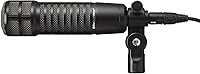
  • The specialized mounting clip can sometimes feel stiff or difficult to adjust when you need precise positioning.
  • Because it neutralizes the proximity effect, it takes more work to achieve a deep, boomy vocal presence manually.
  • The paint on the metal chassis can chip over time if it is frequently bumped against other heavy studio gear.

Ratings

The Electro-Voice RE320 stands as a modern iteration of a broadcast legend, blending versatility with the precision required for high-end recording. These scores are calculated by our AI after cross-referencing thousands of verified buyer experiences worldwide, purposefully excluding incentivized reviews and bot-generated noise to ensure accuracy. By weighing both long-term durability and day-to-day performance quirks, we have distilled the genuine pros and cons of this dynamic mic.

Build Quality
93%
Owners frequently remark on the industrial-grade feel of the all-metal housing, which handles the bumps of a busy studio without a scratch. It feels like a lifetime investment rather than a disposable piece of tech.
The sheer heft of the unit means it is not a set-it-and-forget-it mic on cheap stands. Some have noted that the weight requires high-tension tightening on mounts to prevent sagging during long recording sessions.
Vocal Clarity
89%
This broadcast-style microphone captures a crisp, natural detail in the upper-mids that makes voices sit perfectly in a mix without heavy EQ. Users love how it retains a professional sheen for both spoken word and singing.
While clear, it lacks the extreme low-end warmth some vintage enthusiasts expect from the series. It can sound slightly clinical or thin to those used to the darker profile of the older RE20.
Proximity Effect Management
91%
The Variable-D design is a standout for energetic hosts who tend to move their heads while talking. It maintains a consistent frequency response even if you lean in close, preventing that boomy, muffled sound common in other dynamics.
Because it minimizes bass buildup, users who rely on working the mic to get a radio voice might find it too honest. It requires a different technique for those used to manipulating the proximity effect for effect.
Room Noise Rejection
84%
The internal humbucking coil does a fantastic job of blocking out interference from computer monitors and lighting rigs in home setups. Its tight cardioid pattern also helps ignore distracting room echoes or distant traffic noise effectively.
In extremely loud environments, the rear rejection is good but not perfect compared to some hypercardioid alternatives. Users in very reflective rooms might still need basic acoustic treatment to get the cleanest possible signal.
Instrument Versatility
87%
Using the dedicated kick drum setting allows the capsule to handle high SPLs with a tailored punch that rivals specialized drum mics. Musicians appreciate having one tool that performs equally well on a guitar cab as it does for a podcast.
While versatile, the switch is located on the body and can be slightly stiff to toggle mid-session. Some users feel that while it does many things well, it doesn't quite replace a dedicated high-end condenser for delicate acoustic instruments.
Internal Pop Filtering
76%
24%
The multi-stage internal filters provide a sleek look while effectively taming most moderate plosives. This allows for a cleaner camera presence without a bulky external screen blocking the face of a streamer or broadcaster.
Aggressive speakers or those with very sharp p sounds will find that the internal mesh has its limits. For the most professional vocal results, many still find themselves adding an external foam cover or a dedicated pop shield.
Stand Compatibility & Weight
62%
38%
The secure XLR connection and standard mounting threading make it compatible with most professional hardware. Its balance is well-centered, which helps when trying to position it at an angle for instrument miking.
At a full pound, the weight is a significant hurdle for entry-level users with spring-loaded boom arms. It frequently causes cheaper arms to collapse, forcing an additional investment in high-end, heavy-duty mounting gear to keep it stable.
Switch Utility & Accessibility
72%
28%
The dual-voicing switch is a functional asset that provides two distinct microphone characters in one chassis. Users find it helpful for quickly swapping between a flat vocal response and a mid-scooped, high-energy instrument tone.
The physical switch is recessed, which can make it difficult to change settings without a small tool or long fingernails. Some worry about the long-term durability of the switch if toggled frequently between recording sessions.
Visual Design & Finish
94%
The matte black finish is a sophisticated departure from the typical industrial grey found in this category. It looks premium on camera, which is a major plus for modern streamers and YouTubers who care about their set design.
The dark finish is a magnet for fingerprints and dust, requiring regular wipedowns to keep it looking pristine. A few users noted that the paint can chip if accidentally struck by heavy metal drum hardware or stands.
Output Sensitivity
68%
32%
As a dynamic mic, the RE320 is capable of handling incredibly loud sources without distorting. This makes it a safe bet for loud vocalists or placing directly inside a kick drum without worrying about damaging the internal components.
Like many professional dynamic mics, it has a relatively low output and requires a high-quality preamp or a signal booster. Users with budget audio interfaces often struggle to get enough clean gain without introducing significant floor noise.
Total Value for Money
88%
Given its dual-purpose nature and professional-grade build, many buyers feel it offers better value than more expensive competitors. You essentially get a high-end vocal mic and a specialized instrument mic in a single purchase.
While cheaper than some alternatives, it still represents a significant investment for hobbyists. When you factor in the likely need for a signal booster and a premium boom arm, the total startup cost can escalate quickly.

Suitable for:

The Electro-Voice RE320 is a top-tier choice for broadcasters and podcasters who want a polished, on-air sound without having to stay perfectly still. Its specialized tech is a lifesaver for hosts who tend to move their heads or lean back during interviews, as the tone remains consistent throughout. Beyond the spoken word, this broadcast-style microphone is incredibly useful for home studio owners who need one reliable tool that can handle everything from high-pressure kick drums to delicate vocal tracks. It is also an excellent fit for content creators working in rooms with less-than-perfect acoustics, as it naturally rejects background noise and hum.

Not suitable for:

While versatile, the Electro-Voice RE320 may not be the best fit for mobile creators or those using lightweight, entry-level desktop boom arms. Its significant weight can cause cheaper stands to sag or collapse entirely, often necessitating a secondary investment in heavy-duty mounting hardware. It is also less ideal for vocalists who specifically want that exaggerated, bass-heavy radio boom that comes from the proximity effect, as this mic is designed to neutralize that exact trait. Additionally, users with basic, low-power audio interfaces might find the signal too quiet without a dedicated preamp or signal booster.

Specifications

  • Transducer Type: This model utilizes a large diaphragm dynamic transducer designed for professional recording.
  • Polar Pattern: The microphone features a unidirectional cardioid pattern to focus on the sound source.
  • Frequency Response: The frequency response range for this unit spans up to 18,000 Hz.
  • Impedance: This device has a nominal impedance of 150 Ohms.
  • Connectivity: The microphone connects to audio equipment via a standard 3-pin XLR terminal.
  • Case Material: The external housing is constructed from durable metal to withstand studio use.
  • Finish: The exterior features a semi-gloss black finish that is resistant to glare.
  • Dimensions: The physical dimensions of the microphone are 1" x 1" x 9".
  • Weight: The total net weight of the microphone is 1 pound.
  • Proximity Control: It incorporates integrated Variable-D technology to minimize the proximity effect.
  • Dual-Voicing Switch: A physical toggle on the body allows users to select between two distinct frequency curves.
  • Noise Reduction: An internal humbucking coil is used to reject electromagnetic interference and line noise.
  • Pop Filter: The microphone includes multi-stage internal pop filters to reduce plosive sounds.

Related Reviews
Electro-Voice PL35
Electro-Voice PL35
90%
95%
Sound Clarity
91%
Noise Rejection
94%
Build Quality
90%
Ease of Mounting
88%
Frequency Response Accuracy
More
Electro-Voice PL37 Microphone
83%
94%
Sound Quality
89%
Build Quality
87%
Value for Money
85%
Ease of Use
80%
Connectivity & Compatibility
More
Electro-Voice PL80 Dynamic Microphone
84%
88%
Sound Quality
91%
Durability
89%
Handling Noise
85%
Value for Money
84%
Ease of Use
More
Electro-Voice RE20
Electro-Voice RE20
85%
96%
Vocal Clarity & Tone
98%
Proximity Effect Control
97%
Build Quality & Durability
88%
Background Noise Rejection
62%
Setup & Mounting
More
Electro-Voice 635A Handheld Interview Microphone
87%
89%
Sound Quality
92%
Durability
85%
Ease of Use
90%
Portability
88%
Design and Ergonomics
More
Electro-Voice CO9 Cobalt Series Microphone
84%
92%
Sound Quality
88%
Build Quality
85%
Ease of Use
89%
Noise Rejection
84%
Comfort During Long Use
More
Electro-Voice PL33 Kick Drum Microphone
88%
93%
Sound Quality
89%
Durability
91%
Ease of Setup
88%
Performance in High SPL Environments
94%
Low-End Response
More
Electro-Voice RE27N/D
84%
97%
Build Durability
94%
Proximity Effect Control
89%
High-Frequency Clarity
92%
Output Level
86%
Off-Axis Rejection
More
Electro-Voice RE50/B Omnidirectional Dynamic Microphone
91%
94%
Sound Quality
92%
Noise Isolation
90%
Durability
88%
Portability
85%
Ease of Use
More
Electro-Voice ND76
Electro-Voice ND76
86%
93%
Vocal Clarity
96%
Build Durability
88%
Feedback Rejection
84%
Handling Noise Suppression
92%
EMF Interference Protection
More

FAQ

While it is slightly more sensitive than its legendary siblings, a signal booster can still be a huge help if you are using a budget audio interface with weak preamps. It allows you to get a clear, strong signal without having to push your gain to the noisy upper limits.

Since this dynamic mic weighs a full pound, you should avoid using the cheap, lightweight spring arms often found in starter kits. You will want a heavy-duty, professional-grade boom arm to ensure it stays in place without sagging mid-recording.

This feature is a lifesaver for hosts who tend to move their heads or lean back while talking. It keeps your tone consistent and prevents that muddy, bass-heavy sound that usually happens when you get too close to a standard microphone.

It essentially gives you two microphones in one. One setting is flat and natural for general vocal work, while the other is specifically tuned to capture the punch and snap of a kick drum or other low-frequency instruments.

Absolutely, especially for the kick drum. Because it can handle very high sound pressure levels and has a dedicated EQ switch for percussion, it is a favorite for drummers looking for a reliable, punchy sound.

Yes, it is excellent for streamers because it rejects a lot of background room noise and looks great on camera. The matte finish doesn't reflect your studio lights, and the clear vocal presence is perfect for live commentary.

It typically comes with the microphone and a stand mount, but you will need to purchase an XLR cable separately. Make sure to get a balanced cable to maintain the low-noise performance this broadcast-style microphone is known for.

A slightly damp, lint-free microfiber cloth is the best way to wipe away fingerprints and dust. Avoid using harsh chemicals or abrasive cleaners, as they could damage the professional coating over time.

Not directly. You will need an audio interface or a mixer with an XLR input to convert the analog signal for your computer. Since it is a professional mic, it requires a dedicated preamp to function correctly.

No, this is a dynamic microphone, so it does not require 48V phantom power to operate. It is ruggedly built, so it won't be harmed if you accidentally leave phantom power on, but it certainly doesn't need it.