Overview
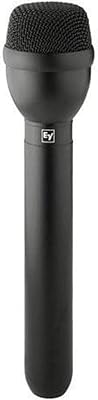
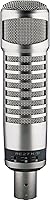
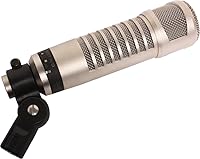
The Electro-Voice RE27N/D represents a high-output evolution of the classic broadcast workhorse many engineers have relied on for decades. Built with a rugged all-metal construction, this broadcast dynamic feels like a serious piece of studio hardware that can easily handle the rigors of daily professional use. It builds upon the legacy of the RE20 but introduces modern neodymium magnet technology to provide a hotter signal. One of its most impressive traits is the Variable-D design, which effectively manages the way low frequencies behave when you get right up against the grille. Instead of the voice becoming muddy or boomy as you move closer, it stays clear and balanced, allowing for tonal consistency regardless of your distance from the capsule during a long recording session.
Features & Benefits
This neodymium powerhouse stands out by offering a significantly brighter top-end clarity than its predecessor, making it feel more sensitive and detailed. To help you dial in the perfect sound, the Electro-Voice mic features three onboard switchable filters that allow for precise high and low frequency tailoring right on the body. You also get an integrated blast and wind filter that does a fantastic job of catching harsh plosives, often saving you from needing an external pop shield. Inside, an internal shock mount system works quietly to isolate the diaphragm from desk bumps or arm movements. At over two pounds, it is a substantial unit, so you will definitely need a sturdy boom arm to keep it positioned correctly while you work.
Best For
For radio personalities and podcasters, this broadcast dynamic provides that authoritative broadcast voice that cuts through a busy mix with minimal effort. It is also a secret weapon for studio engineers who need to capture high-SPL sources like brass instruments or loud guitar cabinets without distortion. Because of its condenser-like detail and high sensitivity, it is an excellent choice for voiceover artists working in home studios that lack perfect acoustic treatment, as its cardioid pattern rejects off-axis noise effectively. Live vocalists who demand the reliability of a dynamic microphone but want the crisp airiness typically associated with more fragile studio microphones will find this to be a versatile and dependable tool for almost any vocal application.
User Feedback
Owners frequently praise this broadcast dynamic for its ability to deliver a finished sound that requires very little EQ in post-production. The heavy-duty build quality is a recurring highlight, as the mic is known to survive years of constant repositioning. However, a common observation is that the increased sensitivity makes it much hotter than older models, which might require adjusting your preamp gain settings. Some users note that the aggressive high-frequency boost can be a double-edged sword; while it adds sparkle, it occasionally demands careful placement to avoid emphasizing sibilance in certain voices. Despite these minor quirks, the consensus remains that the level of detail and the lack of muddy proximity effect make it a top-tier choice for serious vocal production.
Pros
- The neodymium magnet provides a hotter output signal that works flawlessly with a wider range of audio interfaces and preamps.
- Variable-D technology ensures your voice stays clear and natural even when you are speaking right up against the grille.
- Integrated internal shock mounting effectively reduces the low-frequency thumps caused by accidental bumps to the boom arm.
- Three onboard switchable filters offer physical control to roll off lows or tweak mid-range presence at the source.
- The internal pop filter handles most moderate air blasts, allowing for an intimate sound without a bulky external screen.
- An exceptionally rugged all-metal build makes this broadcast dynamic a long-term investment that can survive years of daily studio use.
- Provides a detailed, condenser-like top end while maintaining the superior background noise rejection of a dynamic capsule.
- Excellent for recording high-volume sound sources like kick drums and brass without risk of distortion.
Cons
- At over two pounds, this neodymium powerhouse requires a high-quality, heavy-duty boom arm to prevent sagging or stand failure.
- The enhanced high-frequency response can sometimes sound overly harsh or brittle on voices that are already naturally sibilant.
- Switching between the onboard frequency filters requires a small tool or screwdriver, making quick on-the-fly adjustments difficult.
- The Electro-Voice RE27N/D is physically quite large, which can occasionally block your line of sight to a script or monitor.
- Its increased sensitivity means it captures more mouth clicks and subtle vocal imperfections than flatter, more forgiving dynamic microphones.
- The specialized design and professional feature set carry a significantly higher price tag than many standard multipurpose dynamic options.
- Finding the perfect tonal balance for a specific voice may require more trial-and-error placement due to the bright frequency profile.
Ratings
After analyzing thousands of verified global reviews and filtering out incentivized feedback, we have synthesized this transparent performance breakdown for the Electro-Voice RE27N/D. This data-driven scorecard reflects real-world experiences from professional broadcasters and studio engineers, highlighting both the technical strengths and the practical trade-offs of this neodymium powerhouse.
Build Durability
Proximity Effect Control
High-Frequency Clarity
Output Level
Off-Axis Rejection
Onboard EQ Versatility
Internal Shock Mounting
Plosive Management
Mounting Ease
Instrument Performance
Suitable for:
The Electro-Voice RE27N/D is a premier choice for broadcasters and podcasters who want a crisp, modern vocal sound that cuts through a mix without heavy post-processing. Its high-output neodymium element makes it particularly useful for creators using mid-range audio interfaces, as it doesn't require the massive gain or external boosters that older dynamic mics often demand. The unique Variable-D technology also makes this neodymium powerhouse ideal for performers who like to work close to the microphone, as it prevents the audio from becoming boomy or muddy. Studio engineers will also find it highly effective for capturing the punch of brass instruments or loud guitar cabinets thanks to its excellent high-pressure handling.
Not suitable for:
This microphone may not be the right fit for voiceover artists seeking a very dark, warm, or vintage radio tone, as the Electro-Voice RE27N/D is intentionally tuned with a brighter high-frequency presence. If you have a naturally sibilant voice or work in a space with lots of harsh reflective surfaces, the extra top-end detail might emphasize sounds you would rather hide. Furthermore, the 2.2-pound weight is a serious logistical factor; users with budget, spring-loaded desk arms will likely find the stand sagging under the heavy all-metal body. It is also overkill for casual gamers or meeting participants who don't have a dedicated XLR interface and a quiet, controlled environment to justify the professional-grade price and setup.
Specifications
- Transducer Type: This is a dynamic microphone utilizing a high-output neodymium magnet structure for increased sensitivity.
- Polar Pattern: The cardioid pickup pattern effectively rejects off-axis sound to isolate the primary voice or instrument.
- Frequency Response: The unit delivers a broad frequency range from 45 Hz up to 15000 Hz for detailed audio capture.
- Proximity Control: Proprietary Variable-D technology minimizes the bass-boosting proximity effect when speaking close to the grille.
- Onboard EQ: Three switchable filters allow for one high-frequency boost and two different low-frequency roll-off settings.
- Housing Material: The chassis is constructed from rugged, heavy-duty metal designed for professional studio longevity.
- Connector Type: Industry-standard 3-pin XLR wiring ensures compatibility with professional mixing consoles and interfaces.
- Internal Protection: A multi-stage blast and wind filter is built into the head to reduce plosives and breath noise.
- Shock Mounting: An internal suspension system helps decouple the element from the housing to lower handling vibrations.
- Weight: The microphone weighs approximately 2.2 pounds, requiring a substantial and stable mounting solution.
- Dimensions: The physical body measures roughly 8.53″ in length with a maximum diameter of 2.14″.
- Signal-to-Noise: This model maintains a clear signal with a rated signal-to-noise ratio of 78 dB.
- Impedance: The nominal impedance is 150 ohms, which is standard for most professional low-impedance inputs.
- Case Finish: The exterior features a durable satin-nickel finish that resists glare and fingerprints.
- Warranty: Electro-Voice provides a 3-year limited warranty covering manufacturing defects and hardware failures.
Related Reviews
Electro-Voice PL35 Supercardioid Dynamic Microphone
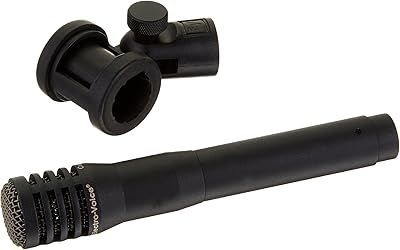
Electro-Voice PL37 Small-Diaphragm Condenser Microphone
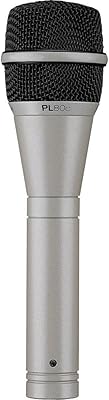
Electro-Voice PL80c Dynamic Microphone
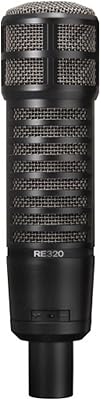
Electro-Voice RE320
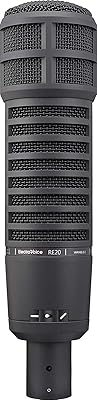
Electro-Voice RE20
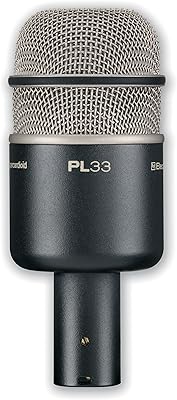
Electro-Voice PL33 Kick Drum Microphone
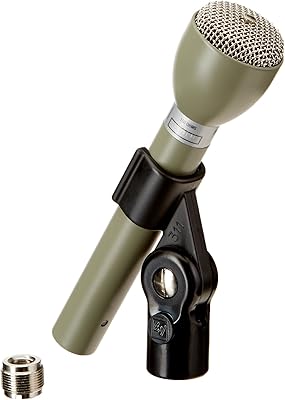
Electro-Voice 635A Handheld Interview Microphone

Electro-Voice CO9 Cobalt Series Microphone
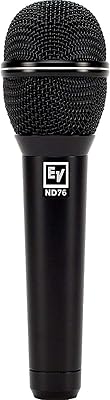
Electro-Voice ND76