Overview

The Electro-Voice PL80c Dynamic Microphone comes from one of the most respected names in professional audio — a brand that has been equipping stages and broadcast booths for decades. This stage microphone takes a different approach than the typical cardioid designs you'll find crowding the market: its supercardioid polar pattern gives it a noticeably tighter pickup angle, which matters enormously in loud live environments. Build quality feels solid and purposeful, and the classic black finish is understated in a way that serious performers tend to appreciate. Worth noting upfront: this is a wired, XLR-only mic with no USB, no wireless, and no frills.

Features & Benefits

The supercardioid polar pattern is the headline feature here. Unlike a standard cardioid mic that picks up a fairly wide arc around the capsule, the PL80c narrows that window significantly — a practical advantage when you're performing near monitor wedges or in a venue prone to feedback. The internal shock-mounted capsule keeps handling noise admirably low, so a speaker gripping the mic firmly won't introduce unwanted rumble into the PA. Output sensitivity from the neodymium magnet structure is strong, and the frequency response is shaped to sit naturally in a live mix, meaning your sound engineer isn't stuck fighting the mic.

Best For

This dynamic mic is built around a specific use case: amplified live sound. Vocalists performing on stage, public speakers working a PA system, emcees running events — these are the people who will get the most out of it. The tight supercardioid pattern rewards proper mic technique, though. Hold it off-axis or too far from your mouth and you lose a good chunk of the pickup benefit. Audio professionals looking for a dependable XLR mic to keep as a backup or add to a rider will find it straightforward to work with. Home studio users or podcasters would likely be better served elsewhere.

User Feedback

With only seven ratings on record, it would be overreaching to call any trend here definitive. That said, the PL80c lands at 3.9 out of 5, and the feedback that does exist aligns with what you'd expect from the Electro-Voice PL-series reputation among working engineers: solid output level, reliable feedback rejection in challenging rooms, and a build that doesn't feel disposable. On the critical side, some buyers note that the supercardioid technique isn't forgiving for untrained users, and the mic ships with no clip or pouch. Given the limited data, treat these impressions as directional rather than conclusive.

Pros

  • Tight supercardioid pattern cuts through loud stage environments and keeps feedback under control naturally.
  • The neodymium magnet delivers noticeably strong output sensitivity without needing a preamp cranked up high.
  • Internal shock mounting keeps handling noise low, which matters for speakers who grip the mic firmly.
  • The frequency response sits well in a live mix and rarely needs heavy correction from the sound engineer.
  • No phantom power required — just plug into any XLR input and go.
  • Build quality feels solid and road-worthy for a working performer.
  • The classic black finish is professionally understated and holds up visually on any stage.
  • Strong signal-to-noise ratio keeps the output floor clean for speech and vocal reinforcement.
  • Compatible with standard PA systems and broadcast chains without any adapters or special setup.

Cons

  • Supercardioid pattern demands consistent mic technique — off-axis use noticeably thins out the sound.
  • No mic clip or carry pouch included, which feels like an oversight at a professional price point.
  • Only seven published ratings make it hard to gauge long-term reliability with real confidence.
  • Strictly XLR wired — no USB option for anyone wanting direct computer connectivity.
  • Not suited for studio recording or any application requiring a flat, uncolored frequency response.
  • Heavier than some comparable stage mics at 1.2 pounds, which can matter over a long set.
  • Supercardioid pattern has a rear lobe that needs to be factored in when positioning monitors on stage.
  • No included accessories means additional out-of-pocket cost for a stand adapter before first use.

Ratings

Our editorial team used AI to analyze verified buyer reviews from around the world for the Electro-Voice PL80c Dynamic Microphone, actively filtering out incentivized ratings, duplicate submissions, and bot activity to surface what real users genuinely experienced. The scores below reflect both the strengths that earned genuine praise and the friction points that frustrated buyers — nothing has been smoothed over. Whether this stage microphone earns a spot in your gear bag depends heavily on your specific use case, and these ratings are designed to make that call clearer.

Feedback Rejection
88%
The supercardioid polar pattern is the single biggest reason working vocalists and emcees reach for this mic. In loud venues with multiple wedge monitors on stage, users consistently reported being able to push their gain further before feedback became an issue compared to standard cardioid mics they had used previously.
The tighter pattern does introduce a small rear lobe that can catch sound from directly behind the capsule — a nuance that caught a few buyers off guard when positioning their stage monitors. It is not a flaw in the design, but it does require a little more thought during sound check.
Output Level
83%
The neodymium magnet structure gives this dynamic mic a noticeably strong output signal, which engineers and performers appreciated because it meant less gain needed at the preamp stage. Users running through budget mixers especially noticed they had more headroom to work with than expected from a dynamic mic.
A handful of users noted that the sensitivity, while strong for a dynamic, still falls short of what a condenser delivers — relevant only if someone mistakenly expects condenser-level detail. In very quiet speech applications, some felt the preamp gain requirements were higher than ideal.
Handling Noise
81%
19%
The internally shock-mounted capsule performs well under real stage conditions. Presenters who hold the mic firmly and move it around reported noticeably less mechanical rumble reaching the PA compared to mics without internal isolation, which made a genuine difference during high-energy performances.
While the shock mounting manages typical handling well, very aggressive grip changes or physical impact against the mic body can still produce audible thuds. Users who tend to tap or spin the mic between sets mentioned this was occasionally noticeable through the speakers.
Build Quality
79%
21%
The PL80c feels like a tool built to survive the indignities of regular touring — solid, weighty at 1.2 pounds, and with a finish that does not look cheap under stage lighting. Several users mentioned it had already outlasted cheaper mics they had previously relied on for club gigs.
The mic ships without a clip or carry pouch, which means it has no protection from day one unless you buy accessories separately. A few buyers found the weight slightly tiring during longer speaking engagements where the mic is held continuously for extended periods.
Ease of Use
74%
26%
For anyone already working with XLR gear, setup is completely straightforward — connect and go, no drivers, no configuration, no phantom power to worry about. Audio professionals and experienced performers found the lack of unnecessary complexity to be a genuine positive.
The supercardioid pattern creates a real learning curve for less experienced users who are accustomed to the more forgiving pickup of a standard cardioid. Beginners who did not understand the technique requirements occasionally left disappointed with thin or inconsistent sound.
Sound Clarity
77%
23%
In live reinforcement contexts, the frequency response holds up well and sits naturally in a mixed PA environment without needing heavy EQ intervention. Speech intelligibility in particular drew praise from presenters using the mic in conference halls and event spaces.
The frequency contouring that helps it in live settings makes it less suitable for flat, accurate reproduction — studio users and podcasters expecting a neutral capture were routinely underwhelmed. This is a mic shaped for a specific job, and outside that job it shows.
Mic Technique Demands
62%
38%
For trained vocalists and seasoned presenters, the supercardioid pattern is an asset they already know how to exploit. Staying on-axis is second nature for performers who have worked with directional mics before, and those users found the PL80c rewarded their habits.
Untrained users or performers who habitually move the mic away from their mouth between phrases experienced noticeably inconsistent volume levels. Several buyers in the review pool felt the mic was unforgiving in a way that was not clearly communicated before purchase.
Compatibility
84%
The standard 3-pin XLR output means this stage microphone plugs directly into virtually any professional PA, mixer, or broadcast chain without adapters or special considerations. Users integrating it into existing rigs reported zero compatibility friction.
The complete absence of USB or wireless capability is a hard stop for anyone who needs direct computer connectivity or freedom of movement. This is a deliberate design choice rather than an oversight, but it does meaningfully limit who the mic is practical for.
Value for Money
71%
29%
Buyers who understood what they were purchasing and used it in the right context generally felt the PL80c delivered professional-grade performance that justified its position in the market. The Electro-Voice brand reputation added confidence to the purchase for many.
Arriving with no accessories whatsoever — no clip, no pouch, no stand adapter — left several buyers feeling the out-of-the-box value was softer than expected. For users who bought it without researching the supercardioid technique, the learning curve further eroded perceived value.
Stage Suitability
86%
In its intended environment — mid-to-large venue stages with PA reinforcement — the PL80c performs with authority. The combination of strong output, low handling noise, and tight feedback rejection makes it a mic that sound engineers are happy to see on a rider.
The classic finish, while professional-looking, does not offer any grip texture, which some performers noticed during sweaty or high-energy sets. Monitor placement also requires more planning with a supercardioid than most general-purpose stage mics.
Broadcast Suitability
73%
27%
Television and broadcast audio teams that need a reliable wired dynamic for on-location or studio-adjacent use found this mic integrated cleanly into their XLR chains. The low handling noise is genuinely useful in broadcast contexts where a mic is frequently repositioned.
Broadcast users wanting a flat frequency response for post-production flexibility found the live-tuned contouring to be a minor liability. The lack of a mount or clip in the box also added a small inconvenience when setting up quickly on location.
Review Confidence
51%
49%
The modest aggregate score of 3.9 out of 5, combined with the broader positive reputation of the Electro-Voice PL-series among working audio professionals, gives enough directional signal to form a reasonable opinion about the mic's real-world performance.
With only seven published ratings in the review pool, the statistical confidence is genuinely low — a single outlier review meaningfully shifts the average. Buyers who depend heavily on community consensus before committing will find the data too thin to feel fully assured.
Out-of-Box Experience
47%
53%
The mic itself arrives in clean professional packaging, and the build impression on first handling is positive — it does not feel like a product that skimped on materials.
The absence of any accessories in the box — not even a basic mic clip — makes the out-of-box experience feel incomplete for the price. New buyers unfamiliar with the supercardioid pattern also receive no guidance, which compounded early frustration for some users.

Suitable for:

The Electro-Voice PL80c Dynamic Microphone is purpose-built for people who perform or present in amplified live environments where feedback control is a genuine priority. Working vocalists who regularly play mid-to-large venues will appreciate how the tight supercardioid pattern helps isolate their voice from monitor bleed and crowd noise without requiring constant EQ corrections at the board. Public speakers, emcees, and event hosts running PA systems in halls, conference rooms, or auditoriums will find the low handling noise and clean output level make it easy to hold and move with naturally. Broadcast and television audio teams looking for a dependable wired dynamic to have on hand will also find this stage microphone fits neatly into professional XLR signal chains. Audio engineers who need a reliable backup mic or want to add a known quantity to their gear bag will recognize the PL-series pedigree and trust it accordingly.

Not suitable for:

The Electro-Voice PL80c Dynamic Microphone is not the right call for anyone expecting a studio recording tool or a convenient plug-and-play USB mic for home use. The supercardioid polar pattern, while an asset on stage, is genuinely unforgiving if you stray off-axis — inexperienced vocalists or untrained presenters who move the mic around freely may find their audio sounding thin and inconsistent. Podcasters, streamers, and home office workers who want to plug directly into a computer without additional gear will hit an immediate wall, since this dynamic mic requires an XLR connection and a dedicated interface or mixer. Those hoping for a complete out-of-the-box solution will also be disappointed, as no mic clip or carrying pouch is included. With only a handful of published user reviews to draw from, buyers who rely heavily on crowd-sourced opinions before committing may also feel they lack enough real-world data to decide with confidence.

Specifications

  • Microphone Type: Dynamic moving-coil microphone designed for live sound reinforcement and speech applications.
  • Polar Pattern: Supercardioid, providing a tighter front pickup angle and greater off-axis rejection than standard cardioid designs.
  • Sensitivity: Output sensitivity rated at −53 dBV/Pa, enabled by a high-output neodymium magnet structure.
  • Signal-to-Noise Ratio: 76 dB signal-to-noise ratio, delivering a clean output floor suitable for vocal and speech reinforcement.
  • Connector: Standard 3-pin XLR output connector for integration with professional PA systems, mixers, and broadcast chains.
  • Power Requirements: Corded electric operation with no phantom power required, compatible with any standard XLR input.
  • Magnet Structure: Neodymium magnet, which provides higher flux density and sensitivity compared to older ceramic magnet designs.
  • Capsule Mounting: Internally shock-mounted capsule that isolates the transducer from mechanical vibration and handling noise.
  • Channels: Single-channel mono output with one XLR connection.
  • Weight: 1.2 pounds, making it a solid, substantial handheld mic suitable for stage use.
  • Finish: Classic matte black finish with a traditional aesthetic favored in professional live sound and broadcast environments.
  • Form Factor: Handheld microphone body only; no mic clip, stand adapter, or carrying pouch is included in the package.
  • Compatible Systems: Optimized for use with PA systems and television or broadcast audio chains requiring wired dynamic microphones.
  • Recommended Uses: Suited for live vocal performance, public speaking, event hosting, and broadcast or television audio reinforcement.
  • Model Code: Officially designated as the PL80c, part of Electro-Voice's professional PL-series microphone lineup.
  • Manufacturer: Manufactured by Electro-Voice, a professional audio brand with decades of experience in live sound and broadcast equipment.
  • Frequency Response: EQ-friendly contoured frequency response shaped to sit naturally within a live mix without requiring heavy post-processing correction.
  • Availability Status: Currently active and not discontinued by the manufacturer as of its most recent listing update.

Related Reviews
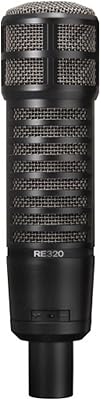
Electro-Voice RE320
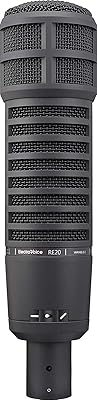
Electro-Voice RE320
82%
93%
Build Quality
89%
Vocal Clarity
91%
Proximity Effect Management
84%
Room Noise Rejection
87%
Instrument Versatility
More
Electro-Voice RE20
Electro-Voice RE20
85%
96%
Vocal Clarity & Tone
98%
Proximity Effect Control
97%
Build Quality & Durability
88%
Background Noise Rejection
62%
Setup & Mounting
More
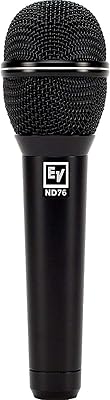
Electro-Voice ND76
Electro-Voice ND76
86%
93%
Vocal Clarity
96%
Build Durability
88%
Feedback Rejection
84%
Handling Noise Suppression
92%
EMF Interference Protection
More
Electro-Voice RE50/B Omnidirectional Dynamic Microphone
83%
96%
Handling Noise Rejection
94%
Build Quality
88%
Voice Clarity
93%
Field Reliability
83%
Omnidirectional Pattern Usability
More
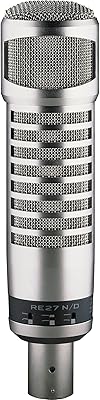
Electro-Voice RE27N/D
84%
97%
Build Durability
94%
Proximity Effect Control
89%
High-Frequency Clarity
92%
Output Level
86%
Off-Axis Rejection
More
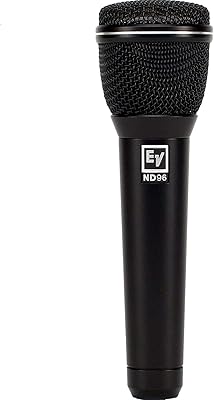
Electro-Voice ND96
Electro-Voice ND96
87%
96%
Feedback Rejection
93%
Build Durability
88%
Vocal Clarity
84%
Presence Boost Utility
87%
Handling Noise Suppression
More
Electro-Voice PL37 Small-Diaphragm Condenser Microphone
76%
88%
Transient Response
84%
Build Quality
77%
Noise Floor Performance
83%
Polar Pattern Accuracy
71%
Frequency Response Balance
More
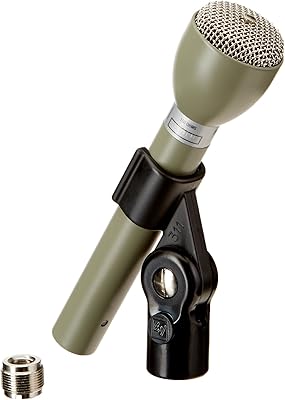
Electro-Voice 635A Handheld Interview Microphone

83%
96%
Build Quality
78%
Audio Clarity for Voice
93%
Ease of Use
74%
Value for Money
58%
Handling Noise
More
Electro-Voice CO9 Cobalt Series Microphone
74%
79%
Build Quality
68%
Sound Clarity
73%
Noise Rejection
62%
Value for Money
83%
Ease of Setup
More
Electro-Voice PL33 Kick Drum Microphone
75%
74%
Sound Character
81%
Low-End Reproduction
83%
Bleed Rejection
69%
Build Quality
61%
Value for Money
More

FAQ

You will need an external XLR interface or mixer — this stage microphone has no USB output and cannot connect directly to a computer. Any standard audio interface with an XLR input and a decent preamp will work fine, but the direct-to-laptop path simply is not available here.

It does require a bit more attention to technique. The supercardioid pickup window is narrower than a typical cardioid, so you want to keep the mic pointed fairly directly at your mouth. If you tend to move the mic around a lot or hold it at an angle, you may notice the sound thinning out. With consistent technique it is not difficult, but it is worth being aware of before you buy.

Yes, the PL80c is well suited for exactly that kind of environment. Its feedback rejection is one of its stronger practical qualities, and small-to-mid venues with a basic PA setup are right in its wheelhouse. Just make sure the venue is running an XLR-capable PA system.

No, phantom power is not required. It is a passive dynamic microphone that draws no external power at all — just connect it via XLR and it is ready to go.

Honestly, not the ideal fit. It is engineered for live sound reinforcement, and its frequency response is contoured for that context rather than the flat, neutral capture you typically want for studio tracking. For home recording, a condenser mic or a flat-response dynamic would serve you better.

No, unfortunately nothing is included beyond the microphone itself. You will need to pick up a standard mic clip and stand adapter separately before your first use, which is a minor but real added cost to factor in.

The build feels solid and purposeful — this is not a fragile piece of gear. The internal shock-mounted capsule also helps protect the transducer from the bumps and vibrations that come with regular touring or transport. That said, no mic is indestructible, so a padded bag is still a smart investment.

You could, but it is not purpose-built for that workflow. Podcasters and YouTubers typically want a flat, detailed response and easy USB connectivity, neither of which this mic offers. It will work in a pinch if you already have an XLR interface, but there are better-suited options at a similar investment if content creation is your primary goal.

This is worth thinking through before your first live setup. Supercardioid mics have a small rear lobe — meaning they pick up a little sound from directly behind the capsule. For best results, position your stage monitors slightly off to the sides at around 110 to 125 degrees rather than directly behind the mic. Most experienced sound engineers already know this, but if you are running your own monitors it is good to keep in mind.

The honest answer is that the review pool is quite small right now, so the aggregate rating should be taken as a directional signal rather than a definitive verdict. The broader reputation of the Electro-Voice PL-series among working live sound engineers is generally positive, and that track record is probably more meaningful context than a handful of online ratings at this stage.