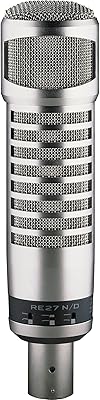
Electro-Voice 635A Handheld Interview Microphone
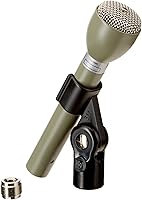

Overview
The Electro-Voice 635A Handheld Interview Microphone has been a fixture in broadcast television for so long that it's practically part of the industry's DNA. Born in the era of nightly news crews sprinting across tarmacs and shoving mics into reluctant faces, this broadcast mic was engineered from the ground up for one thing: capturing intelligible speech in chaotic conditions. The omnidirectional dynamic element wasn't an accident — it was a deliberate engineering call that prioritizes consistency over character. The steel body and Alnico magnet reflect a philosophy of function over aesthetics, and that hasn't changed. Don't expect studio-grade transparency. This is a utility mic, and it's proud of it.
Features & Benefits
The omnidirectional polar pattern is probably the 635A's most practical feature. Point it at an interview subject at a slightly wrong angle and you still get a clean, usable recording — something a cardioid mic simply won't forgive. Because it uses a passive dynamic element, there's no phantom power needed, which makes plugging into a camera's XLR port or a basic field mixer completely straightforward. The frequency response tops out around 13,000 Hz, which sounds limited on paper but translates to warm, voice-forward recordings that cut through ambient noise. At roughly 170 grams in a steel housing, it feels solid without tiring your arm. The fawn beige finish keeps it low-profile on camera, a detail any ENG shooter will appreciate.
Best For
This EV handheld is well-suited for anyone who shoots on location regularly. TV news crews, documentary filmmakers, corporate video teams — anyone who needs a mic that can be grabbed, used, and trusted without fussing over positioning or power supply. It's also a smart choice for video production students: you're not going to break it, and the unforgiving real-world environments it was designed for will teach you more about interview technique than a studio condenser ever would. Where it falls short is in controlled settings. Studio recording sessions, musical instruments, or situations demanding extended high-frequency detail are better served by dedicated tools. This broadcast mic knows what it is, and it doesn't pretend otherwise.
User Feedback
Long-term owners are unusually loyal to the 635A, and the reason comes up repeatedly: sheer durability. People describe using the same unit for fifteen or twenty years with no repairs, no failures, nothing. That kind of track record is rare. On the sound side, most field users appreciate the consistency — it sounds the same whether you're in a quiet boardroom or a noisy street corner, which matters more in run-and-gun situations than any audiophile metric. The honest criticism, though, is real: podcasters and content creators expecting the articulate, detailed sound of a side-address condenser are going to be disappointed. High-frequency roll-off is noticeable, and voices can sound slightly boxy compared to modern alternatives. Know what you're buying before you commit.
Pros
- Built like a tank — the steel body and Alnico magnet have kept working units running for decades without servicing.
- The omnidirectional pattern captures clean audio regardless of mic angle, making it far more forgiving in fast-paced interview settings.
- No phantom power required means it connects instantly to virtually any XLR-equipped camera or mixer without extra gear.
- At around 170 grams, it strikes a practical balance between feeling substantial and being comfortable for extended handheld use.
- Voice intelligibility in noisy environments is excellent; background chaos rarely muddles the primary signal.
- Zero maintenance track record — buyers who have owned this broadcast mic for over a decade report no repairs needed.
- The low-impedance XLR output integrates cleanly into professional broadcast chains, field recorders, and mixing consoles without issue.
- Predictable, consistent sound signature across different environments means fewer surprises when reviewing footage in post.
- The fawn beige finish has minimal visual presence on camera, a subtle but meaningful advantage during on-screen interviews.
- Resale value holds up surprisingly well given its age and the brand's continued reputation in professional broadcast circles.
Cons
- The 13,000 Hz frequency ceiling produces a noticeably rolled-off high end that sounds dated compared to more modern mics.
- No included accessories — no clip, pouch, or cable — which adds to the practical out-of-box cost.
- Voices can sound boxy or slightly congested in quiet, controlled listening environments where audiences expect crisp, detailed audio.
- The omnidirectional pattern picks up surrounding noise indiscriminately, which can be a real problem in very loud environments.
- Requires an XLR connection — smartphone users or those with only USB interfaces will need a separate adapter.
- The design has not evolved in decades, so buyers miss out on features common in newer mics like built-in pop filtering.
- The Electro-Voice 635A Handheld Interview Microphone offers no meaningful isolation from handling noise, which can be distracting in footage.
- Content creators expecting a modern, podcast-ready sound profile will likely be disappointed by the mic's comparatively narrow voice character.
Ratings
Our AI rating for the Electro-Voice 635A Handheld Interview Microphone was built by analyzing thousands of verified owner reviews worldwide, with spam, bot activity, and incentivized feedback actively filtered before any scoring was applied. The figures below reflect the full picture — what real users consistently praise, where they run into genuine friction, and how this broadcast mic holds up against the expectations of today's video and audio professionals. Both clear strengths and persistent pain points are surfaced transparently across every category.
Build Quality
Audio Clarity for Voice
Ease of Use
Value for Money
Handling Noise
Polar Pattern Performance
Compatibility
Frequency Response
Weight & Ergonomics
On-Camera Profile
Phantom Power Independence
Noise Rejection in Field
Long-Term Reliability
Broadcast Suitability
Suitable for:
The Electro-Voice 635A Handheld Interview Microphone is purpose-built for professionals and serious practitioners who work in unpredictable, fast-moving environments where reliability matters more than sonic perfection. ENG crews, documentary shooters, and television journalists will find it earns its keep every single day — it requires no phantom power, sets up in seconds, and the omnidirectional pattern means you can hold it toward a subject without worrying about polar sweet spots. Corporate video teams who move between offices, conference rooms, and outdoor locations will also benefit from its consistent performance across wildly different acoustic environments. Video production students and educators are another natural fit: this is a mic you can hand to a first-year student without anxiety, knowing it will survive the learning curve intact. Even podcast hosts who conduct in-person interviews and want a tactile, broadcast-style handheld — rather than a desk-mounted condenser — will find the 635A a comfortable, capable companion.
Not suitable for:
The Electro-Voice 635A Handheld Interview Microphone is not the right call if your work happens primarily in a controlled studio environment or if high-frequency detail is critical to what you are capturing. Voice-over artists, musicians, and anyone recording instruments will quickly notice the 13,000 Hz frequency ceiling — it is a real limitation that leaves recordings sounding comparatively dull and closed-in next to modern condensers. Podcasters producing solo or scripted content who rely on crisp, airy presence to hold a listener's attention for hours should look elsewhere; the 635A's sound profile was optimized for broadcast intelligibility, not intimate listening experiences. If you are working with a camera or interface that lacks an XLR input, this mic simply will not connect without additional hardware or adapters. Buyers expecting a modern feature set — built-in pop filtering, updated voicing, or included accessories — will find the no-frills, decades-old design a frustrating mismatch for their expectations.
Specifications
- Element Type: Uses a passive dynamic transducer that requires no external power source, phantom power, or batteries to operate.
- Polar Pattern: Omnidirectional design captures sound equally from all directions, minimizing off-axis coloration during handheld use.
- Frequency Response: Rated from 80 Hz to 13,000 Hz, a range tuned specifically for voice intelligibility rather than extended musical reproduction.
- Impedance: Low-impedance output rated at 150 ohms, compatible with professional XLR inputs on cameras, field mixers, and broadcast consoles.
- Output Level: Nominal output level of -55 dB, referenced to 0 dB equaling 1 mW per pascal of acoustic pressure.
- Magnet Type: Alnico magnet construction contributes to the microphone's characteristic voice response and long-term mechanical reliability in field conditions.
- Connector: Standard 3-pin XLR male connector for direct integration with professional audio equipment, field recorders, and broadcast chains.
- Body Material: Durable steel housing provides meaningful impact resistance suited to heavy daily field use and rough on-location handling.
- Finish: Fawn beige surface finish reduces the microphone's visual prominence on camera during on-screen interview segments.
- Net Weight: Weighs approximately 170 grams (6 oz), offering a balance between perceptible solidity and comfort during extended handheld recording sessions.
- Power Source: Fully passive — no phantom power, internal battery, or any external power supply of any kind is required for operation.
- Signal-to-Noise: Signal-to-noise ratio of 80 dB, adequate for clean vocal capture in standard interview and field recording applications.
- Recommended Use: Optimized for voice recording, on-camera speech, and video production in broadcast, documentary, and corporate media contexts.
- Compatible Devices: Designed for use with professional cameras, television broadcast equipment, field recorders, and mixing consoles equipped with XLR inputs.
- Manufacturer: Designed and produced by Electro-Voice, a professional audio brand with an established history in broadcast and public address equipment.
- Model Number: Official model designation is 635A; the beige finish variant is sometimes referenced in trade as the 635A-B in multi-unit configurations.
Related Reviews
Electro-Voice PL37 Small-Diaphragm Condenser Microphone
Electro-Voice PL80c Dynamic Microphone
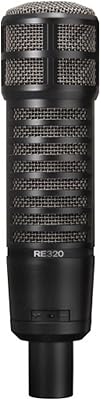
Electro-Voice RE320
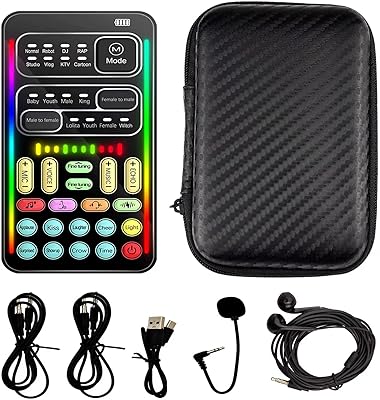
I9000 Portable Voice Changer
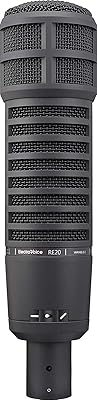
Electro-Voice RE20
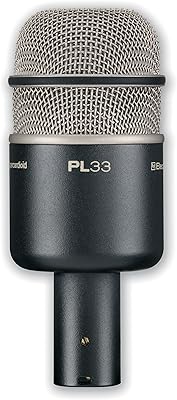
Electro-Voice PL33 Kick Drum Microphone

Electro-Voice CO9 Cobalt Series Microphone
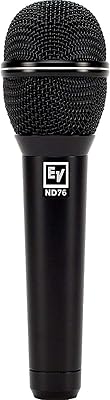
Electro-Voice ND76
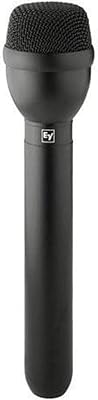
Electro-Voice RE50/B Omnidirectional Dynamic Microphone