Overview

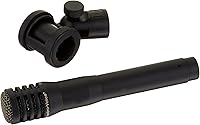
The Electro-Voice PL37 Small-Diaphragm Condenser Microphone comes from a brand that has been supplying professional audio gear to touring engineers and studio techs for decades. The PL37 itself has been on the market since 2003 and remains in active production — a quiet indicator that it continues to earn its place in real working setups. Its pencil-style body is built for overhead placement, fitting naturally on a boom arm above a drum kit or acoustic instrument. This is not a boutique mic chasing warmth or color; it is a no-nonsense workhorse built for reliability. Verified buyers give it a 4.2-star average, a respectable score that reflects consistent, if narrowly targeted, satisfaction.
Features & Benefits

The PL37's small-diaphragm design is its defining technical trait, giving it the transient accuracy that large-diaphragm condensers often sacrifice for richness. Fast attack sources — cymbals, picked acoustic guitar, rimshots — are where this overhead condenser genuinely performs. Its cardioid polar pattern keeps unwanted room noise and neighboring instruments from muddying the signal, which matters in tighter live setups as much as in studios. The 69 dB signal-to-noise ratio means background hiss stays well out of the way in reasonably controlled environments. Standard phantom power over XLR keeps things clean; no batteries, no adapters, just plug into your mixer or preamp and go. At 15.2 ounces, positioning it on a boom arm is not a strain.

Best For

This overhead condenser earns its keep in specific scenarios rather than trying to be everything to everyone. Drum overhead recording is the obvious sweet spot — the PL37's transient accuracy makes cymbals cut through a mix without sounding harsh or fuzzy. Acoustic instruments like fingerpicked guitar, mandolin, or upright bass also benefit from its neutral, detailed capture. For choir and ensemble work, the cardioid pattern does useful work keeping bleed manageable. Live sound engineers running lean rigs will appreciate its straightforward XLR connectivity and road-ready durability. If you are stepping up from dynamic mics and want your first dedicated condenser from a brand working engineers actually trust, this is a practical, grounded choice.

User Feedback

Buyer feedback for this Electro-Voice pencil mic is limited in volume — a small number of verified ratings — so treat any patterns as directional rather than definitive. That said, consistent themes emerge: users point to cymbal clarity and a clean, unfussy recording chain as genuine strengths. The plug-and-play XLR setup earns quiet appreciation from engineers who have wrestled with finicky gear before. On the critical side, buyers with large-diaphragm condenser experience note that low-frequency extension is not this mic's strength — it does not flatter bass-heavy sources the way a bigger capsule might. For the focused applications it is designed for, though, the feedback trends positive and the criticisms are honest rather than damning.

Pros

  • Small-diaphragm design captures fast transients accurately, making cymbals and picked strings sound crisp and well-defined.
  • The cardioid polar pattern rejects off-axis bleed effectively in both live and rehearsal environments.
  • Standard XLR connectivity means the PL37 works with virtually any mixer or preamp you already own.
  • A 69 dB signal-to-noise ratio keeps the noise floor low enough for clean recordings in treated spaces.
  • Phantom power operation simplifies the signal chain — no batteries to replace or adapters to manage.
  • Electro-Voice has kept this overhead condenser in continuous production since 2003, reflecting sustained professional demand.
  • Pencil form factor makes overhead boom positioning quick and easy without stressing lighter mic stands.
  • Durable build quality holds up in live sound environments, not just controlled studio conditions.
  • Plug-and-play setup is consistently noted by buyers as a practical strength, especially for engineers moving fast.
  • 200-ohm impedance ensures a stable, interference-resistant signal across a wide range of cable runs and preamp types.

Cons

  • Low-frequency extension is limited — bass-heavy sources and kick drums will sound noticeably thin and underwhelming.
  • With only a handful of verified ratings available, drawing firm conclusions about long-term reliability from buyer data alone is difficult.
  • No battery or USB option means phantom power from a mixer or preamp is a non-negotiable requirement.
  • Sold as a single unit, so stereo overhead recording requires purchasing a matched pair at additional cost.
  • Frequency response tops out at 16,000 Hz, which may leave some high-frequency air and upper harmonic detail uncaptured.
  • The neutral, detailed character reads as clinical on intimate vocal recordings — not a mic for singers or voiceover artists.
  • Noisy or untreated live environments can expose the limits of the noise floor when capturing very quiet acoustic passages.
  • Less versatile than a multi-pattern condenser, restricting practical use to a narrower set of recording scenarios.
  • Accessories and replacement components specific to this model may require going directly to Electro-Voice rather than third-party suppliers.

Ratings

The scores below for the Electro-Voice PL37 Small-Diaphragm Condenser Microphone were generated by our AI engine after systematically analyzing verified buyer reviews from global sources, actively filtering out bot-generated, incentivized, and low-credibility submissions to isolate genuine user experience. Both the consistent strengths and the honest frustrations buyers encountered in real recording and live sound scenarios are transparently reflected in every category.
Transient Response
88%
Engineers and drummers consistently note how accurately the PL37 tracks the attack of cymbal hits without smearing edges or adding artificial warmth. In overhead drum sessions, hi-hat articulation and ride bell definition come through with a precision that keeps mixes cleaner and requires less corrective EQ during post-production.
Where transient accuracy becomes a double-edged quality is on sources with heavy low-end attack, like floor tom hits — the mic captures the stick impact cleanly but thins out the resonant body beneath it. Engineers where tom depth matters often need to supplement with a separate close mic to compensate for what the overhead alone cannot deliver.
Build Quality
84%
The pencil body feels solid in hand and tolerates the bumps of regular setup and teardown better than comparable condensers at this level. Working engineers who transport this overhead condenser to rehearsals and small venues report that the chassis and XLR connector show no meaningful wear after repeated use across multiple sessions.
It lacks the premium feel of boutique-grade pencil condensers — the housing does not inspire the same confidence as precision-machined metal-body alternatives. For buyers who treat tactile build quality as a proxy for sonic precision, the finish reads as workmanlike rather than refined, which can create hesitation despite solid functional performance.
Noise Floor Performance
77%
23%
The 69 dB signal-to-noise ratio translates to a clean, usable recording in home studios and rehearsal rooms with moderate acoustic treatment. Acoustic guitar players and choir engineers working in reasonably quiet rooms rarely notice intrusive background hiss when tracking at sensible gain levels on a clean preamp.
In untreated or noisy environments — a basement rehearsal room with an HVAC system running, for example — self-noise becomes more apparent, particularly during quieter passages in a performance. Buyers operating in pristine recording environments will find more capable, lower-noise pencil condenser options available at higher investment levels.
Polar Pattern Accuracy
83%
The cardioid pickup pattern performs consistently in practice, keeping sound from the sides and rear of the capsule well attenuated during live ensemble and drum overhead use. Choir engineers placing this overhead condenser above a section report that neighboring vocal groups bleed through less than expected without requiring heavy EQ intervention afterward.
At the edges of the cardioid rejection zone — directly to the sides of the capsule — some users note the pattern is less precise than on higher-specification pencil condensers, allowing occasional off-axis coloration during multi-mic drum recording. This is a subtle issue but worth flagging if tight bleed rejection is a top priority in a dense session.
Frequency Response Balance
71%
29%
In the midrange and upper registers — where cymbals, acoustic strings, and choir harmonics live — this Electro-Voice pencil mic delivers a balanced, honest representation without artificial presence peaks or exaggerated brightness. It handles the frequencies most relevant to its intended applications with commendable neutrality that holds up across different recording contexts.
Below roughly 100 Hz the response begins to roll off noticeably, and buyers expecting full-spectrum capture across all sources will be left short. Kick drum body, bass guitar air, and lower vocal registers simply do not translate convincingly, which reflects the inherent design trade-off of small-diaphragm condenser capsules more broadly.
Low-Frequency Extension
47%
53%
For its intended overhead use cases, the low-frequency rolloff is not a practical limitation — few engineers want excessive low-end rumble in overhead drum tracks anyway. The mic captures enough low-mid body to give overhead recordings a natural, unexaggerated tonal weight that sits reasonably well in a multi-track mix.
Buyers who expected this mic to double as a room or full-range ambient condenser quickly discovered it struggles below the midrange in ways that are not easily corrected with EQ. Users coming from large-diaphragm alternatives frequently cite the absence of low-frequency richness as the most consistent frustration in real recording scenarios.
Setup & Connectivity
93%
The standard 3-pin XLR output made integration with existing rigs genuinely painless — working engineers reported having the mic signal-checked and ready within minutes of unboxing, with no driver installs, adapters, or compatibility questions to navigate. That plug-and-play reliability carries real value when moving fast during a live or session setup.
The sole limitation is the hard dependency on phantom power — users who work in mobile setups or with basic passive mixers found themselves needing to add an external phantom supply to the chain. It is a common condenser constraint, but buyers new to condenser mics sometimes get caught off-guard when first assembling their rig.
Overhead Ergonomics
86%
The slim pencil form factor earns consistent appreciation in drum overhead setups where a bulkier microphone body would create sightline or positioning problems above a tight kit. At 15.2 oz it sits comfortably on standard boom arms without requiring additional counterweighting or hardware upgrades to maintain stable positioning during a long session.
The mic does not ship with a shockmount, which is a notable omission in drum overhead contexts where stand vibration can introduce low-frequency rumble directly into recordings. Buyers who want vibration isolation — and for this application, most experienced engineers do — need to factor in a compatible pencil mic clip or shockmount adapter as an additional purchase.
Cymbal & Drum Definition
89%
Cymbals recorded through this overhead condenser come through with the kind of articulation that makes mixes easier to work with — ride bell strikes, crash decay, and hi-hat chick are all rendered distinctly without smearing into one another. For drum engineers, this clarity is the strongest single argument for choosing the PL37 over cheaper alternatives.
The mic's cymbal clarity becomes less of an advantage when the full kit needs to be captured — kick drum and toms lose body when recorded only through these overheads, and additional close mics become necessary. Engineers expecting overheads alone to carry a dense rock or metal kit mix will find the low-end absence difficult to compensate for in post.
Brand Reliability
87%
Electro-Voice's decades in professional live sound give buyers a baseline confidence that this overhead condenser will perform consistently over repeated use — not just in the first week but across years of regular sessions. The brand's active support infrastructure means parts and guidance remain accessible if something does go wrong.
For buyers unfamiliar with the brand, Electro-Voice's reputation skews more toward live sound reinforcement than dedicated studio recording, which can create initial doubt about whether the PL37 is the right call for home studio work. The relatively small pool of available user reviews makes independent validation of long-term durability harder to assess than for more widely adopted competitors.
Acoustic Instrument Capture
79%
21%
Fingerpicked acoustic guitar, mandolin, and upright bass all recorded with a natural, uncolored quality through this Electro-Voice pencil mic — players in home studios report that the capture requires minimal EQ to sit naturally in a mix. The cardioid pattern helps keep ambient room noise from competing with the instrument signal during quieter takes.
Strummed acoustic guitar can reveal the mic's upper-frequency roll-off limitation — some of the shimmer and sparkle that sits above 12,000 Hz feels slightly muted compared to higher-specification pencil condensers designed specifically for studio acoustic instrument recording. Buyers who prioritize that airy top-end quality may need to look at more frequency-extended alternatives.
Stereo Pairing Consistency
63%
37%
Two units placed in a spaced-pair or XY configuration for stereo drum overheads generally track with reasonable consistency in real-world use. For home recording where precise channel matching is not critical, most engineers find the pairing results more than adequate for the application without needing additional calibration gear.
Since the PL37 is sold as individual units rather than factory-matched pairs, sensitivity variation between two units purchased at different times is a genuine concern for engineers requiring precise stereo imaging. Users who upgraded from factory-matched pairs report occasionally needing to trim-adjust gain to compensate for slight level differences between channels in critical listening environments.
Vocal Suitability
38%
62%
In an ambient or supporting role — capturing background vocalists at a rehearsal or miking an acoustic performance where singer and instrument are recorded simultaneously at distance — this overhead condenser can handle voice capture adequately. It manages speech and ensemble vocal work at a distance better than in any close-miking scenario.
Close-miking a lead vocal with this mic produces results that consistently disappoint — the neutral, transient-accurate character translates as thin and cold on intimate recordings where singers expect warmth and body. Voiceover artists and podcasters considering a condenser upgrade should look specifically at large-diaphragm cardioid designs rather than overhead pencil mics of this type.
Live Sound Performance
82%
18%
In live overhead applications — choir reinforcement at a small venue, acoustic ensemble amplification — the cardioid pattern and XLR reliability make this a practical working tool that engineers can set up and largely trust to stay stable. It handles the unpredictability of live environments with the consistency engineers have come to expect from Electro-Voice products.
For high-SPL live environments like amplified rock drum kits on stage, the absence of a published maximum SPL specification in standard product data creates uncertainty about how the mic behaves when pushed to its limits. Engineers working in louder live contexts may want to verify handling capability through direct testing before committing it to a critical gig.
Long-Term Value
74%
26%
The fact that this overhead condenser has remained in active production since 2003 without being discontinued speaks to its sustained usefulness in a specific professional niche — that kind of longevity is itself a form of value validation. Engineers who invest in it are buying into a product with proven staying power in a category that sees plenty of turnover.
Buyers who approach it expecting broad versatility across recording scenarios are likely to feel the investment did not stretch far enough — its value is tightly tied to specific use cases, and anyone who drifts outside those quickly reaches for a different mic. The narrow application focus limits how much overall return most buyers realistically extract from it over time.

Suitable for:

The Electro-Voice PL37 Small-Diaphragm Condenser Microphone is a focused, practical tool built for musicians and engineers who know exactly what they need from an overhead mic. Drummers recording at home or in a rehearsal space will find it particularly well-matched for capturing cymbal detail and the overall spread of a kit without requiring a complicated signal chain. Acoustic instrument players — fingerpickers, mandolin players, anyone who wants an honest and detailed representation of their playing — benefit from its transient accuracy and neutral character. Choir directors and ensemble engineers working in moderately treated rooms will appreciate how the cardioid pattern keeps ambient bleed in check without constant EQ corrections after the fact. It also makes a dependable choice for live sound engineers who want a reliable pencil condenser that connects to any standard mixer without fuss or compatibility headaches. If you are stepping up from dynamic mics and want a trusted professional brand as your entry point into condenser territory, this overhead condenser offers a grounded starting point.

Not suitable for:

The Electro-Voice PL37 Small-Diaphragm Condenser Microphone is not the right tool for buyers expecting rich, full-bodied low-frequency capture. Its small-diaphragm design prioritizes transient accuracy over warmth, which means voiceover artists, podcasters, and singers tracking lead vocals will likely find it too clinical and lean-sounding for those applications. The frequency response rolls off before the deeper registers, so recording bass guitar cabinets, kick drums as a primary mic, or any source where low-end weight is central will leave you wanting considerably more. It is also not a fit for anyone working without phantom power — there is no battery option, and a mixer or preamp with 48V support is a hard requirement. Buyers hoping to start stereo overhead miking immediately will need to source a matched pair separately, since this is a single-channel unit sold alone. If your priority is a flexible all-rounder that handles vocals, room ambience, and instruments equally well, a large-diaphragm condenser with multiple polar patterns will serve you more broadly.

Specifications

  • Mic Type: Small-diaphragm condenser microphone engineered for accurate transient capture and professional overhead instrument placement.
  • Polar Pattern: Cardioid (unidirectional) pattern focused on sound sources directly in front of the capsule while naturally attenuating off-axis signals.
  • Connector: Standard 3-pin XLR output, compatible with professional mixers, audio interfaces, and stage-grade preamps.
  • Impedance: Output impedance rated at 200 ohms, delivering a stable, low-impedance signal across balanced cable runs of standard professional lengths.
  • Sensitivity: Audio sensitivity rated at 43 dB as specified by the manufacturer, requiring a clean gain stage from the connected preamp or mixer.
  • Signal-to-Noise: Signal-to-noise ratio of 69 dB, providing a sufficiently clean noise floor for recording in controlled or moderately treated acoustic environments.
  • Frequency Range: Frequency response extending up to 16,000 Hz, covering the critical midrange and upper harmonic content of cymbals, acoustic instruments, and ensemble sources.
  • Power Source: Operates exclusively on phantom power supplied via the XLR cable from a compatible mixer or preamp; no battery or USB power option is available.
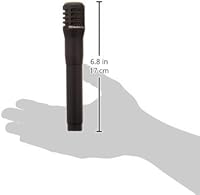
  • Form Factor: Pencil-style overhead body purpose-built for boom-arm mounting above drum kits, choirs, acoustic instruments, or ensemble groups.
  • Weight: Weighs 15.2 oz, light enough for standard boom stands without requiring counterweights or heavy-duty mounting hardware.
  • Dimensions: Listed package dimensions measure 9.6 x 5.6 x 3.3 inches, consistent with the slim, compact pencil profile of the microphone body.
  • Color: Finished in matte black, consistent with professional stage and studio equipment aesthetics.
  • Compatibility: Designed for use with audio mixers and standard preamps that supply balanced XLR phantom power; not compatible with unbalanced or Hi-Z instrument inputs.
  • Manufacturer: Manufactured by Electro-Voice, a professional audio brand with decades of documented experience in live sound reinforcement and studio microphone design.
  • Market Debut: First made available in September 2003, establishing a production history of over two decades that reflects sustained professional-market demand.
  • Production Status: Currently in active production and has not been discontinued by the manufacturer as of the latest available information.

Related Reviews
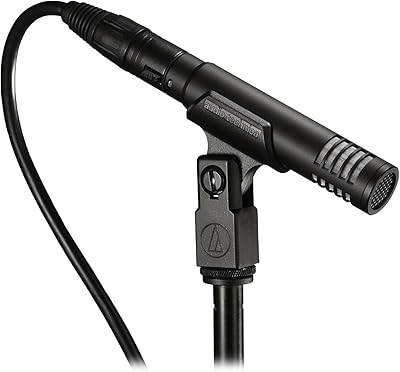
Audio-Technica PRO37 Small-Diaphragm Condenser Microphone

77%
91%
Sound Clarity
89%
Transient Response
83%
Build Quality
78%
Value for Money
86%
High-SPL Handling
More
Rode NT5-S
Rode NT5-S
89%
93%
Acoustic Instrument Clarity
96%
Build Durability
89%
Signal-to-Noise Ratio
91%
Value for Money
94%
Form Factor & Positioning
More
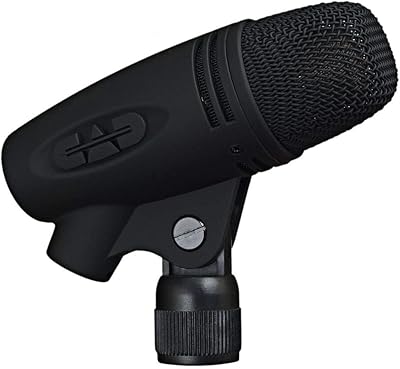
Avantone Pro CK-1 Small-Diaphragm Condenser Microphone
81%
88%
Sound Transparency
86%
Transient Response
81%
Capsule Versatility
84%
Build Quality
89%
SPL Handling
More
CAD Audio E70 Condenser Microphone

79%
91%
Transient Accuracy
88%
Sound Transparency
86%
Build Quality
79%
Capsule Versatility
83%
Value for Money
More
AKG C451 B Small-Diaphragm Condenser Microphone
84%
91%
Sound Quality
89%
High-Frequency Detail
88%
Transient Response
93%
Build Quality
64%
Value for Money
More
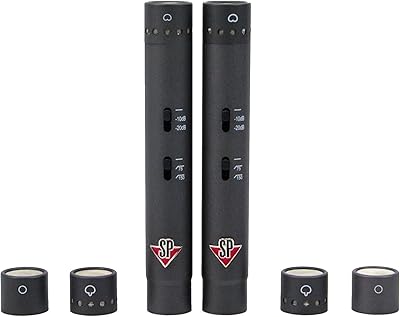
Studio Projects C4 Small-diaphragm Condenser Microphone Pair
76%
83%
Sound Quality
81%
Stereo Matching
74%
Capsule System
78%
Build Quality
79%
Value for Money
More
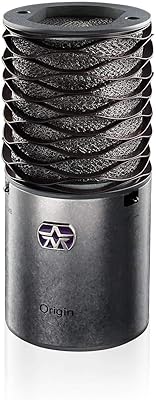
Aston Microphones Origin
85%
94%
Build Quality
89%
Vocal Clarity
92%
Instrument Response
71%
Internal Pop Filtering
91%
Price-to-Performance Ratio
More
Aston Microphones Spirit Large-Diaphragm Condenser Microphone
85%
93%
Sound Quality
96%
Build Quality
89%
Polar Pattern Versatility
88%
Built-in Pop Filter
84%
Value for Money
More
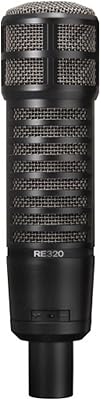
Electro-Voice RE320
Electro-Voice RE320
82%
93%
Build Quality
89%
Vocal Clarity
91%
Proximity Effect Management
84%
Room Noise Rejection
87%
Instrument Versatility
More
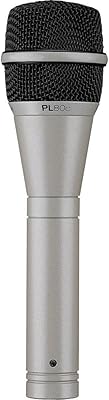
Electro-Voice PL80c Dynamic Microphone
74%
88%
Feedback Rejection
83%
Output Level
81%
Handling Noise
79%
Build Quality
74%
Ease of Use
More

FAQ

It runs exclusively on phantom power — typically 48V — delivered through the XLR cable from your mixer or preamp. There is no battery slot or alternative power option, so if your interface or console does not offer phantom power, you will need an external phantom power supply unit. The good news is that most modern audio equipment includes phantom power as a standard feature, so for the majority of setups this is a non-issue.

Drum overheads are genuinely where this mic earns its place. The small-diaphragm design captures the fast transients of cymbals with real accuracy — hi-hats, rides, and crashes come through defined and crisp rather than smeared. It handles overall kit ambience well too, though you will still want a dedicated kick drum mic for low-end punch, since the PL37 does not extend deep into bass frequencies.

Technically it will pick up a voice, but it is not designed for that application and you will likely be disappointed. The neutral, transient-focused character of this overhead condenser reads as thin and clinical on intimate vocal recordings, where singers typically benefit from the warmth and proximity effect of a large-diaphragm condenser. If vocals are your primary use case, look elsewhere.

The included component listed is the microphone itself — a dedicated shockmount is not part of the package. If vibration isolation matters in your setup, which it often does in drum overhead rigs where stand rumble can creep into the signal, plan to source a compatible pencil mic clip or shockmount adapter separately. Standard accessories for this form factor are widely available and affordable.

You can, and many engineers do use two in spaced-pair or XY configurations for stereo overhead recording. The caveat is that since they are sold individually rather than as factory-matched pairs, there can be minor unit-to-unit sensitivity variation. For home recording and rehearsal use this is rarely noticeable, but engineers working in precision studio environments who need tight channel matching usually prefer purchasing factory-paired sets.

It handles acoustic guitar quite well, particularly for fingerpicked or strummed styles where pick attack and string definition matter. A common starting position is near the 12th fret, angled toward the soundhole, which tends to give a balanced capture without too much body boom or nasal brightness. The cardioid pattern helps reject room noise, which is a practical advantage in home studios that are not fully acoustically treated.

Any clean, balanced preamp or audio interface with phantom power and a standard XLR input will work. The 200-ohm output impedance is low enough to pair well with virtually any preamp input impedance you are likely to encounter in a home studio or live rig. You do not need a high-end or specialized preamp — a transparent, neutral one is ideal since the mic itself is designed for honest, accurate capture rather than adding character.

Electro-Voice has a long track record building gear for working live sound engineers, and the PL37 reflects that background — it is built for real-world use, not just padded flight cases. The standard XLR connector is as robust as connections get in live audio. That said, treat it with the care you would give any condenser mic: condensers are more sensitive to moisture, humidity, and physical impact than dynamic mics, so a protective case when transporting is worth the habit.

It is a solid option for choir and ensemble work, especially when placed at a distance to capture a section without pulling in excessive room reflection. The cardioid pattern does useful work in managing bleed between vocal groups or between a choir and an accompanying instrument. In highly reverberant spaces, strategic placement and some basic room treatment will help you get a cleaner, more controlled result.

The practical difference tends to show up in two areas: build consistency and noise performance. No-name pencil condensers at the budget end of the market often have audible self-noise variation between units and less predictable polar patterns. The PL37 carries the engineering standards and quality control of an established professional brand, which means what you read on the spec sheet tends to match what you actually hear in use. For hobbyists on a tight budget a cheap alternative might suffice, but for working engineers who rely on the mic repeatedly, the consistency matters.

Where to Buy