Overview

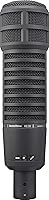
If you have ever stepped foot in a professional radio station, you have likely seen the Electro-Voice RE20 sitting proudly in the vocal booth. For decades, this classic studio workhorse has set the standard for spoken-word audio, earning a legendary reputation among broadcasters. It features an incredibly rugged, heavy-duty steel enclosure built to survive the daily rigors of a bustling studio environment. Beyond its tank-like construction, the real draw is its signature sound. The capsule delivers a beautifully smooth, natural vocal reproduction paired with a remarkably flat frequency response. Unlike cheaper alternatives that artificially boost the low end, it captures the human voice with pristine clarity and warmth. Whether you are reading the morning news or tracking a long-form interview, it provides that instantly recognizable radio tone.

Features & Benefits

The standout feature of this broadcast microphone is its patented Variable-D technology. If you are researching how to reduce proximity effect on vocals—that muddy, booming bass sound you get when leaning too close—this is the solution. The design maintains a consistent tonal balance even if you lean back or move your head from side to side while speaking. Additionally, it utilizes a true cardioid polar pattern, which simply means it focuses on audio directly in front of the grille while effectively rejecting unwanted room noise from the sides and rear. The voice-tailored frequency response naturally cuts through busy audio mixes without introducing harsh treble frequencies. You will need a proper audio interface, as it relies on a standard XLR connection rather than USB, ensuring compatibility with professional outboard gear.

Best For

Finding the right gear depends entirely on your specific recording environment and vocal style. Many industry veterans consider this the best dynamic microphone for podcasting because it thrives in less-than-ideal acoustic spaces. If you are recording in an untreated bedroom or a moderately treated office, its excellent background noise rejection will be a massive advantage. It is also an outstanding professional mic for voiceover work, delivering a clean, authoritative tone that requires very little post-production EQ. Beyond spoken word, singers who want a highly controlled sonic character without exaggerated highs will appreciate its honest, flat response. Essentially, if you need a reliable tool that captures your voice exactly as it sounds in the room, this dynamic mic is an excellent investment for your home or commercial studio.

User Feedback

Reading through almost any variable d broadcast microphone review, you will find overwhelming praise for its incredible longevity. Buyers consistently emphasize that this model is practically indestructible, with many users reporting decades of flawless daily operation. The overall consensus highlights its incredibly reliable sound quality that rarely requires troubleshooting. However, prospective buyers should be aware of a significant logistical drawback. Weighing in at 2.87 pounds, it is unusually heavy compared to standard handheld options. Several user reviews point out that cheap microphone stands will simply tip over under the sheer weight. You absolutely must factor in the cost of a heavy-duty boom arm or a robust desk stand to keep it securely positioned during long recording sessions. Despite this minor inconvenience, the phenomenal audio results justify the extra setup requirements.

Pros

  • The Electro-Voice RE20 captures incredibly smooth, broadcast-ready vocals right out of the box.
  • Variable-D technology prevents muddy bass buildup even if you move around while speaking.
  • Its true cardioid pattern effectively rejects background noise in untreated home recording spaces.
  • The heavy-duty steel construction is nearly indestructible and built to last for decades.
  • A flat frequency response delivers an honest, uncolored reproduction of your natural voice.
  • It handles extremely loud audio sources, making it versatile for instruments and drums.
  • Standard XLR connectivity ensures it integrates perfectly with professional studio interfaces and mixers.

Cons

  • Weighing nearly three pounds, it absolutely requires a heavy-duty boom arm or sturdy stand.
  • The high upfront price point makes it a tough sell for casual hobbyist podcasters.
  • Its bulky 12-inch body is cumbersome to pack for travel or on-the-go recording.
  • Beginners might find the flat audio profile too uncolored compared to cheaper, bass-heavy alternatives.
  • You cannot plug it directly into a computer, as it strictly requires an audio interface.
  • Budget mixers may struggle to provide enough clean gain without introducing a noticeable background hiss.
  • The massive frame can visually block a host’s face during live video streams or interviews.

Ratings

To give you the clearest picture of the Electro-Voice RE20, our AI has analyzed thousands of verified global user reviews while actively filtering out spam and incentivized feedback. These scores reflect the real-world experiences of podcasters and vocalists, transparently highlighting both the impressive strengths and the practical pain points. Whether you are building a home studio or upgrading your broadcast rig, this breakdown covers everything you need to know.

Vocal Clarity & Tone
96%
Users absolutely love the smooth, natural sound it captures right out of the box without needing heavy post-production EQ. The voice-tailored frequency response cuts through busy mixes effortlessly, giving vocalists and hosts that coveted, authoritative radio tone.
A few absolute beginners mentioned it can sound almost too flat or uncolored if they are used to cheaper mics with artificially boosted highs. It takes a bit of technical understanding to appreciate its incredibly honest reproduction.
Proximity Effect Control
98%
The patented Variable-D technology is consistently praised as a lifesaver for hosts who move around while speaking. Reviewers note that you can lean back or turn your head slightly without suddenly losing bass or experiencing massive volume drops.
Some users noted that because the sweet spot is so forgiving, amateur guests might develop bad mic technique over time. It masks poor positioning habits that would be harshly exposed by standard cardioid models.
Build Quality & Durability
97%
Buyers frequently describe its all-metal chassis as feeling like an absolute tank built to survive decades of studio abuse. Many veteran broadcasters report owning their units for over twenty years with zero degradation in audio performance.
The paint and finish can eventually chip or scratch if it is constantly thrown into travel bags without a padded case. A handful of traveling podcasters wished it came with a more rugged hard-shell transport box.
Background Noise Rejection
88%
Home studio owners rave about its ability to ignore computer fan noise and keyboard typing thanks to the true cardioid pattern. It performs exceptionally well in untreated rooms, keeping the focus entirely on the speaker’s voice.
While it rejects side and rear noise beautifully, it is not entirely immune to very loud, low-frequency rumbles like passing trucks or HVAC systems. You still need a relatively quiet environment for professional-grade, isolated vocal tracks.
Setup & Mounting
62%
38%
The included stand adapter connects seamlessly to standard broadcast arms, making the physical attachment process straightforward. Once properly secured, it stays firmly in place during long, animated podcast recording sessions.
Weighing nearly three pounds, it absolutely crushes budget desk stands and cheap boom arms, causing them to sag instantly. Buyers are frequently frustrated by the hidden cost of needing to purchase premium, heavy-duty mounting hardware.
Plosive Protection
84%
The internal acoustic pop filter does an impressive job of taming harsh 'P' and 'B' sounds during energetic vocal takes. Many voiceover artists find they do not even need an external pop shield for standard conversational recording.
If a speaker gets right up on the grille and speaks with heavy bursts of air, some plosives will still punch through the mix. Extremely close-mic applications usually require buying an additional foam windscreen for complete safety.
Gain Requirements
71%
29%
Unlike some notoriously quiet dynamic competitors, it provides a very workable signal level for most modern, mid-tier audio interfaces. Users appreciate that they can often get decent volume without immediately buying an expensive inline preamp.
Budget mixers or older entry-level interfaces will still struggle to provide enough clean gain, resulting in a noticeable hiss when turned up. Many novices end up having to purchase a signal booster anyway to achieve a completely silent noise floor.
Versatility
89%
While famous for spoken word, engineers frequently use it to record kick drums, bass cabinets, and brass instruments with phenomenal results. Its ability to handle incredibly high sound pressure levels makes it a versatile tool for full-band studio sessions.
Because of its bulky 12-inch body, positioning it in tight spaces around drum kits or inside small vocal booths can be highly frustrating. It simply lacks the compact form factor needed for quick, run-and-gun field recording.
Aesthetic & Design
86%
The classic, utilitarian design instantly screams "professional studio" and looks fantastic on camera for video podcasts. The sleek black finish reduces distracting glare from bright studio lighting during live video streams.
Its massive size can easily block a host’s face if the camera angle isn’t perfectly adjusted. Video creators sometimes struggle to frame their shots without the bulky microphone dominating the entire lower half of the screen.
Value for Money
82%
18%
Experienced audio professionals consider it a brilliant long-term investment because you are buying a true industry standard that rarely needs replacing. The audio fidelity rivals boutique options that cost twice as much.
The high upfront price tag is a massive hurdle for hobbyist podcasters who are just starting out. When you factor in the necessary heavy-duty boom arm and quality XLR cables, the total rig cost becomes prohibitive for beginners.

Suitable for:

The Electro-Voice RE20 is an exceptional choice for dedicated podcasters, radio hosts, and professional voiceover artists who need uncompromising vocal clarity. Because of its excellent off-axis noise rejection, it thrives in home studios or untreated rooms where capturing a clean voice track is usually a struggle. The built-in Variable-D technology makes it ideal for animated speakers who tend to move their heads or lean back while recording, as it prevents the muddy bass buildup known as the proximity effect. Furthermore, vocalists looking for a flat, uncolored frequency response will appreciate its honest reproduction of their natural tone. If you are building a permanent, high-quality broadcast setup and want gear that will last a lifetime, this dynamic mic is a brilliant investment.

Not suitable for:

Despite its legendary status, the Electro-Voice RE20 is not practical for casual hobbyists or absolute beginners working with a tight budget. Weighing almost three pounds, it will instantly crush cheap desk stands, meaning you must factor in the additional cost of premium mounting hardware. It also requires a dedicated audio interface with an XLR connection, making it overly complicated for creators who just want a simple plug-and-play USB setup for quick video calls. Additionally, run-and-gun field recorders or traveling vloggers should avoid it, as its bulky 12-inch frame is cumbersome to pack and difficult to position in tight spaces. If you are just starting your audio journey, there are far cheaper, lighter alternatives that will serve you better.

Specifications

  • Microphone Type: This model operates as a dynamic microphone, requiring no external phantom power to function.
  • Polar Pattern: It utilizes a true cardioid directional pattern to actively reject off-axis room noise.
  • Special Technology: The integrated Variable-D design actively minimizes the bass-boosting proximity effect during close-up use.
  • Connectivity: It connects to professional analog audio equipment using a standard 3-pin XLR cable.
  • Weight: The heavy-duty metal enclosure brings the total operational weight to 2.87 pounds.
  • Dimensions: The overall physical footprint measures exactly 12 by 7 by 4 inches.
  • Signal-to-Noise Ratio: It features a rated signal-to-noise ratio of 78 dB for clean, professional audio capture.
  • Power Source: It is a corded electric analog device that draws audio signal directly through the XLR connection.
  • Channels: It outputs a single-channel, monophonic analog audio signal suitable for voice recording.
  • Color: The durable external metal chassis is finished in a non-reflective, professional matte black.
  • Form Factor: It is designed to be handheld or securely mounted to a compatible heavy-duty boom arm.

Related Reviews
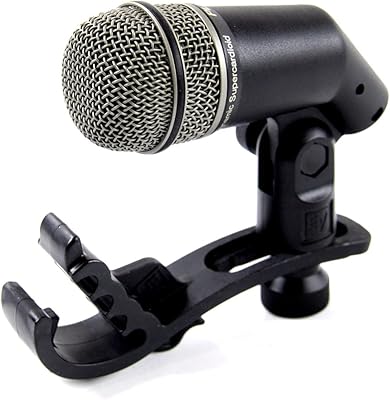
Electro-Voice PL35
Electro-Voice PL35
90%
95%
Sound Clarity
91%
Noise Rejection
94%
Build Quality
90%
Ease of Mounting
88%
Frequency Response Accuracy
More
Electro-Voice PL37 Microphone
83%
94%
Sound Quality
89%
Build Quality
87%
Value for Money
85%
Ease of Use
80%
Connectivity & Compatibility
More
Electro-Voice PL80 Dynamic Microphone
84%
88%
Sound Quality
91%
Durability
89%
Handling Noise
85%
Value for Money
84%
Ease of Use
More
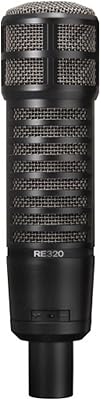
Electro-Voice RE320
Electro-Voice RE320
82%
93%
Build Quality
89%
Vocal Clarity
91%
Proximity Effect Management
84%
Room Noise Rejection
87%
Instrument Versatility
More
Electro-Voice CO9 Cobalt Series Microphone
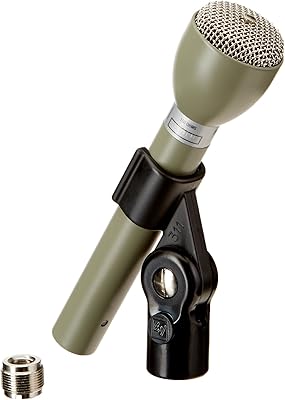
84%
92%
Sound Quality
88%
Build Quality
85%
Ease of Use
89%
Noise Rejection
84%
Comfort During Long Use
More
Electro-Voice 635A Handheld Interview Microphone
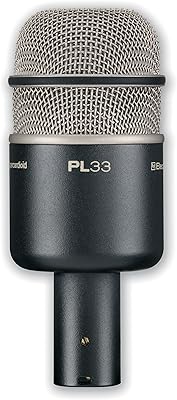
87%
89%
Sound Quality
92%
Durability
85%
Ease of Use
90%
Portability
88%
Design and Ergonomics
More
Electro-Voice PL33 Kick Drum Microphone
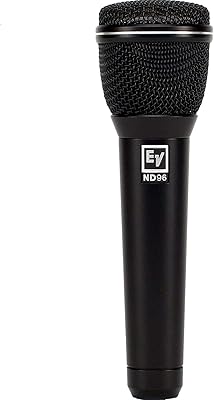
88%
93%
Sound Quality
89%
Durability
91%
Ease of Setup
88%
Performance in High SPL Environments
94%
Low-End Response
More
Electro-Voice RE50/B Omnidirectional Dynamic Microphone
91%
94%
Sound Quality
92%
Noise Isolation
90%
Durability
88%
Portability
85%
Ease of Use
More
Electro-Voice RE27N/D
84%
97%
Build Durability
94%
Proximity Effect Control
89%
High-Frequency Clarity
92%
Output Level
86%
Off-Axis Rejection
More
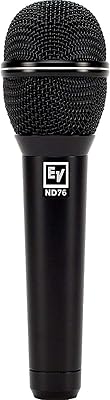
Electro-Voice ND76
Electro-Voice ND76
86%
93%
Vocal Clarity
96%
Build Durability
88%
Feedback Rejection
84%
Handling Noise Suppression
92%
EMF Interference Protection
More

FAQ

No, you do not. Because this is a dynamic microphone, it does not require 48V phantom power from your audio interface to operate. You simply plug it in with a standard XLR cable and you are ready to start recording.

It will not plug in directly out of the box. You will absolutely need a dedicated audio interface or a mixer with an XLR input to connect this broadcast mic to your computer. A standard USB cable simply will not work with this professional analog connection.

Variable-D is a patented design feature that stops your voice from getting overly bassy and muffled when you lean in close to the grille. It keeps your vocal tone consistent and natural, even if you move your head around while speaking. It is a huge help for animated podcast hosts who naturally shift their posture during long interviews.

I highly recommend avoiding cheap stands entirely. Weighing in at almost three pounds, this dynamic mic is incredibly heavy and will easily tip over or cause budget boom arms to sag uncontrollably. You definitely need to invest in a heavy-duty, professional-grade stand to keep it secure.

Yes, it is actually one of the best options for less-than-ideal recording spaces. The true cardioid pattern does a fantastic job of rejecting background noise and echoes bouncing from the sides and back of the room. While it will not fix a terrible acoustic space entirely, it makes a massive difference compared to sensitive condenser alternatives.

For most standard spoken-word applications, the internal acoustic pop filter handles harsh plosive sounds beautifully. However, if you have a habit of getting extremely close to the grille when you speak, an external foam windscreen can provide extra protection. It is a smart, cheap add-on if you struggle with vocal pops.

It really depends on the quality of your audio interface. While this model is not as notoriously quiet as some competing dynamic mics, budget mixers might still struggle to provide enough clean gain without adding a quiet, annoying hiss. Many users find that adding a signal booster helps them achieve a perfectly silent noise floor.

You can absolutely use it for a wide variety of instruments. Audio engineers frequently use this classic studio workhorse to record kick drums, bass guitar cabinets, and even loud brass sections. It handles extremely high volume levels without distorting, making it very versatile.

You can use a soft, dry brush to gently sweep away dust from the metal grille. Avoid using liquid cleaners, damp cloths, or compressed air directly on the capsule. Moisture and strong air pressure can severely damage the sensitive internal electronic components.

It is really not ideal for travel or fast-paced mobile setups. Given its 12-inch length and heavy steel construction, it takes up a lot of valuable space in a gear bag and is cumbersome to mount on the go. It truly excels when left securely mounted in a permanent home or studio environment.