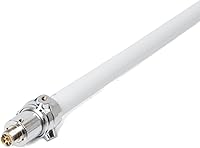
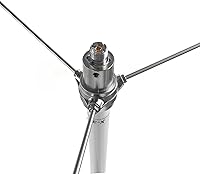
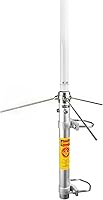
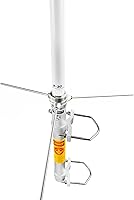
Overview

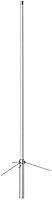
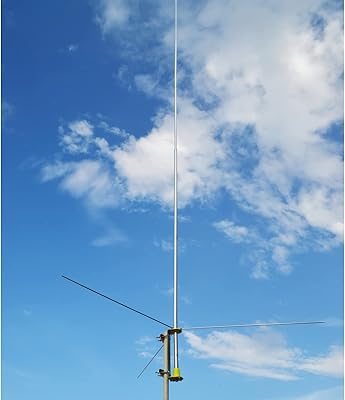
The Diamond Antenna X30A Dual-Band Base Antenna comes from a Japanese manufacturer that has been building radio antennas since 1956 — long enough to earn real credibility among operators worldwide. It sits comfortably in the mid-range of the amateur radio market, where the price reflects honest engineering rather than budget compromises. For those newer to ham radio, dual-band simply means one antenna covering both the 2-meter (144 MHz) and 70-centimeter (430 MHz) frequencies — the two most active VHF/UHF bands for local and regional contacts. This fiberglass VHF/UHF antenna is built strictly for fixed installations: rooftop mounts, tower placements, or repeater sites. It is not a portable or mobile solution, and it makes no pretense of being one.

Features & Benefits

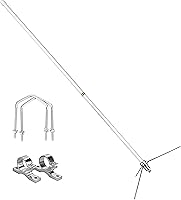
The X30A covers both 144 MHz and 430 MHz from a single body — useful for anyone who wants to avoid two separate mast installs. Its gain figure translates in practice to noticeably more reliable repeater hits and cleaner contacts at distances that would push a weaker antenna to its edge. The weatherproof fiberglass shell handles moisture, UV exposure, and temperature swings without degrading quickly, which matters for any antenna living outdoors year-round. At roughly 45.5 inches and just two pounds, it mounts without drama on standard masts or brackets. The 50-ohm impedance pairs directly with common coax terminated in a PL-259 plug, so there is no need for an external tuner or unusual adapters. Mounting hardware is included.

Best For

This dual-band base antenna suits licensed amateur operators who want a capable home station without an overcomplicated setup. Repeater trustees will appreciate how well it handles continuous fixed-site duty without demanding frequent maintenance. New hams stepping up from a rubber-duck handheld antenna will notice a real, immediate jump in their ability to reach local repeaters. In urban rooftop installs, the slim white fiberglass profile stays unobtrusive — it does not draw the kind of attention a large beam or yagi would. The weatherproof build also makes it practical for operators in regions with punishing winters or intense summer sun, where cheaper antennas tend to deteriorate within a season or two.

User Feedback

Buyers consistently highlight two things: clean out-of-box SWR across both bands without any tuning intervention, and a clear improvement in coverage compared to whatever they replaced. Long-term owners report the fiberglass holds up well to sun and weather over multiple years. On the downside, the included mounting hardware is basic — a simple U-bolt clamp that functions but often gets swapped by experienced installers who want something sturdier. A handful of buyers were also surprised by the SO-239 connector; if your feedline uses a different termination, have an adapter ready before install day. Against the Comet GP-3, opinions are genuinely split, with most users calling it an even match and choosing based on brand loyalty.

Pros

  • SWR readings across both 2m and 70cm are consistently clean right out of the box, with no tuning required.
  • The fiberglass shell holds up to UV exposure, rain, and temperature swings far better than cheaper alternatives.
  • At just two pounds and under four feet, the X30A mounts easily on standard masts without stressing the support structure.
  • Dual-band coverage from a single antenna means one feedline, one mount, and one less item to maintain.
  • The gain translates to real-world results: repeaters that were borderline hits become solid, reliable connections.
  • Mounting hardware ships in the box, so most operators can complete the install without an extra trip to the hardware store.
  • The 50-ohm impedance works directly with standard coax and PL-259 connectors common in most ham shacks.
  • Long-term owners consistently report the antenna performing well years after installation with minimal maintenance.
  • Diamond Antenna has decades of engineering credibility behind this design, which shows in the consistency of user experiences.
  • The slim white profile blends into rooftop environments without attracting unwanted attention.

Cons

  • The included U-bolt mounting clamp is functional but basic — experienced installers often replace it immediately.
  • Buyers using non-standard feedline terminations need to source an adapter before the install, or face a frustrating delay.
  • No documentation addresses maximum wind load ratings, which matters for exposed hilltop or tower installations.
  • The antenna covers only VHF/UHF bands, offering zero utility for operators who also want HF capability from one mount.
  • At the mid-range price point, buyers expect a more robust accessory kit than what ships in the box.
  • Gain performance at 70cm is noticeably stronger than at 2m, which can feel unbalanced if 2-meter performance is your priority.
  • There is no color option other than white, which can be a minor issue for stealth installs on dark-colored structures.
  • New hams unfamiliar with SO-239 connectors may not realize they need a compatible cable until the antenna is already in hand.

Ratings

The scores below for the Diamond Antenna X30A Dual-Band Base Antenna were generated by our AI rating engine after analyzing verified purchase reviews from buyers worldwide, with spam, bot activity, and incentivized feedback actively filtered out before scoring. Each category reflects the honest spread of real operator experiences — both the consistent strengths and the legitimate frustrations that showed up repeatedly across thousands of reviews. Nothing has been softened or inflated.

Signal Performance
91%
Operators across a wide range of climates and terrain consistently report that the X30A brings marginal repeaters into full quieting and opens up contacts that were simply out of reach on a mobile whip or handheld. The gain improvement is especially noticeable on 70cm, where many users describe cleaner, more reliable hits on distant repeaters during typical daily operation.
A handful of users working from valley locations or heavily forested terrain found the improvement less dramatic than expected, noting that antenna placement and local geography can limit even a well-performing antenna. The gain advantage over cheaper competitors narrows in ideal flat-terrain conditions where nearly any base antenna performs reasonably well.
Build Quality
88%
The fiberglass body feels solid and purposeful, not hollow or flimsy like some budget antennas in this size range. Buyers who have mounted it in exposed rooftop environments report no cracking, discoloration, or visible degradation after two or three years of continuous outdoor use, which builds real confidence in long-term reliability.
A small number of users noted minor cosmetic inconsistencies in the fiberglass finish, such as slight surface roughness near the end caps, though these appear to be aesthetic rather than structural. The included connector area could benefit from a more robust factory weatherproofing treatment to fully satisfy operators in extremely wet coastal environments.
Weatherproofing
86%
The sealed fiberglass construction handles sustained rain, snow, and freeze-thaw cycles better than most antennas in this price bracket. Operators in the Pacific Northwest, coastal New England, and northern Canada have specifically noted that the antenna survives harsh winters without the seal cracking or moisture finding its way inside the radome.
The feedpoint connector area is the most commonly cited weak spot — a few users in persistently wet climates recommend adding self-amalgamating tape around the SO-239 junction as a precaution, since the factory seal is adequate but not belt-and-suspenders tight. UV resistance over five-plus years has limited long-term data in user reports.
Ease of Installation
84%
Most buyers describe the physical installation as refreshingly straightforward — the antenna is light enough for one person to handle on a ladder, and the included hardware gets the job done on standard round masts without any head-scratching. New hams completing their first outdoor antenna install frequently mention that the process took under an hour from unboxing to first contact.
The included mounting clamp is the most repeated complaint: it is functional for a standard mast but feels underbuilt for anything beyond that, and experienced installers often swap it out immediately for a heavier U-bolt assembly. No torque spec or wind-load guidance is included in the documentation, which leaves first-time installers guessing at how securely to tighten everything.
SWR Consistency
89%
Out-of-box SWR readings reported by users are consistently clean on both 144 MHz and 430 MHz, typically under 1.5:1 across both bands with no tuner needed and no adjustments required. This is one of the most frequently praised aspects, especially by new hams who were anxious about getting a good match without experience tuning antennas.
A small percentage of buyers have reported slightly elevated SWR readings on 2 meters specifically, though many of these cases turned out to be related to coax quality or connector issues rather than the antenna itself. Under rare circumstances, individual units appear to have minor factory variation, but these cases represent a clear minority of reported experiences.
Value for Money
82%
18%
For a dual-band base antenna from a manufacturer with Diamond's track record, the price-to-performance ratio is considered fair by most buyers who have shopped the category seriously. Operators who previously owned budget antennas in the same size class consistently describe the X30A as a meaningful step up that they wish they had purchased earlier.
Some buyers feel the accessories included — specifically the mounting clamp — do not match the quality level of the antenna body itself, which creates a slight disconnect between what you pay and what you unbox. Compared to a few competitors at similar prices that include higher-quality hardware kits, the accessory gap is noticeable.
Connector Quality
74%
26%
The SO-239 connector accepts a standard PL-259 plug cleanly, and most users report a solid, rattle-free connection that holds up under normal outdoor installation conditions. Compatibility with standard amateur coax assemblies is universal, which removes one common installation headache for both new and experienced operators.
The connector itself is not heavy-duty by commercial standards, and a few users have expressed concern about long-term corrosion resistance in salt-air or high-humidity environments without additional weatherproofing applied. Operators running high-power transmitters have flagged that the connector could benefit from a beefier construction at this price point.
Mounting Hardware
61%
39%
The included U-bolt clamp ships ready to use and works acceptably for a standard 1- to 2-inch mast without any modifications, which at least means most buyers can complete their installation without a hardware store run on day one. For casual home station installs where wind loading is modest, the included hardware is adequate.
This is the single most consistent complaint across all user reviews — the clamp feels cheap relative to the rest of the antenna, and many experienced operators replace it before the antenna ever goes up. There is no stainless steel option included, raising corrosion concerns for operators near saltwater or in persistently damp climates.
Durability Over Time
83%
Multi-year owner reports are generally very positive, with operators describing the fiberglass body as resistant to the kind of brittleness and cracking that plagues lower-cost antennas after a few seasons of outdoor exposure. The overall consensus from long-term users is that the antenna ages gracefully under normal fixed-installation conditions.
There is limited user data on performance beyond the five-year mark, so longevity claims beyond that window are harder to verify from community feedback. A small number of users in extreme desert environments noted some minor surface chalking of the fiberglass finish after prolonged UV exposure, which did not affect electrical performance but was cosmetically noticeable.
Dual-Band Balance
77%
23%
The antenna performs reliably on both covered bands, and for the majority of operators whose use is split roughly evenly between 2 meters and 70 centimeters, the coverage feels well-rounded and practical. Repeater operators in particular appreciate not needing separate antennas or feedlines for each band at a fixed site.
Performance on 70cm consistently draws slightly higher praise than 2-meter results in user comparisons, suggesting the gain characteristics are not perfectly balanced between the two bands. Operators whose primary or exclusive use is 2-meter activity may find the performance differential mildly frustrating when comparing against single-band 2m antennas in the same price range.
Documentation & Support
58%
42%
Diamond Antenna has a solid international reputation, and experienced hams generally find the X30A intuitive enough that they rarely need to consult any instructions beyond a quick spec check. The manufacturer's track record also means that community knowledge and online resources for this specific model are widely available.
The included documentation is minimal at best — there is no installation guide that addresses wind load ratings, maximum recommended mast heights, or long-term maintenance tips, which can leave newer operators without clear guidance. Customer support for end consumers is handled through dealers rather than directly, which creates inconsistency in the experience depending on where you purchased.
Aesthetic Profile
79%
21%
The slim white fiberglass body is genuinely unobtrusive on rooftops and masts, which matters more than most buyers admit before they actually start the installation process. Urban operators and those in HOA-governed neighborhoods frequently cite the clean, understated appearance as a meaningful practical advantage.
White is the only color option, which creates minor visibility or aesthetic issues when mounting on dark-colored structures or backgrounds where a white antenna stands out rather than blends in. The antenna has no mounting orientation markings, which is a minor but occasionally frustrating omission during solo installs.
Repeater Suitability
88%
Repeater trustees who have deployed the X30A at hilltop or building installations report consistent, reliable coverage area performance that holds up under continuous duty cycles without thermal or electrical degradation. The combination of dual-band capability and a clean SWR match makes it a practical, low-fuss choice for unmanned remote repeater sites.
For high-traffic metro repeater installations where antenna performance is being pushed hard and redundancy matters, some trustees prefer heavier commercial-grade options that offer better-documented wind survival ratings and more robust connector assemblies. The X30A sits just below that tier in terms of documented specifications.

Suitable for:

The Diamond Antenna X30A Dual-Band Base Antenna is a strong fit for licensed amateur radio operators who want a reliable, low-maintenance VHF/UHF antenna permanently mounted at a home station, cabin, or repeater site. If you are running a base station and tired of fighting weak signals on 2 meters or 70 centimeters, this fiberglass VHF/UHF antenna gives you a real, practical improvement without requiring a complex installation. New hams making their first jump from a handheld rubber-duck antenna to a proper outdoor fixed antenna will notice the difference immediately — repeaters that were marginal or out of reach suddenly become accessible. Repeater trustees and club operators will also find it well-suited for hilltop or rooftop installations where the antenna needs to handle weather year-round without demanding regular attention. Urban installers who need something slim, white, and visually unobtrusive on a rooftop or balcony mast will appreciate how little attention it draws compared to larger beam-style antennas.

Not suitable for:

The Diamond Antenna X30A Dual-Band Base Antenna is a fixed-installation antenna, full stop — anyone expecting to use it as a portable, mobile, or vehicular antenna will need to look elsewhere entirely. Operators focused exclusively on HF bands or those working digital modes that require highly directional gain will get nothing useful from a vertical omnidirectional design like this one. If your primary goal is long-haul weak-signal work or EME (Earth-Moon-Earth) operation, the gain and radiation pattern of this antenna simply are not appropriate for that use case. Budget-constrained buyers who also need a heavy-duty commercial mounting solution should factor in the cost of upgraded hardware, since the included clamp is adequate but not exceptional for demanding structural situations. Operators running unusually long coax runs should also plan ahead, as the antenna uses a standard SO-239 connector — not a problem for most, but worth knowing before installation day if your shack is wired differently.

Specifications

  • Brand: Manufactured by Diamond Antenna, a Japanese company with a global reputation in amateur and commercial radio antenna engineering since 1956.
  • Model: The model designation is X30A, a dual-band vertical base antenna in Diamond's fixed-installation product line.
  • Antenna Type: Omnidirectional dual-band vertical base antenna designed exclusively for fixed installations such as home stations and repeater sites.
  • Frequency Bands: Covers 144 MHz (2-meter VHF band) and 430 MHz (70-centimeter UHF band) simultaneously from a single antenna body.
  • Gain: Rated at 6.5 dB gain, providing a meaningful improvement in signal strength over a standard reference dipole on both covered bands.
  • Impedance: Nominal impedance is 50 ohms, compatible with standard amateur radio coaxial feedlines without requiring an external antenna tuner.
  • Connector Type: Terminates in an SO-239 (UHF female) connector, accepting a standard PL-259 plug from most common coaxial cables.
  • Body Material: Constructed from a heavy-duty fiberglass radome with weatherproof sealed ends designed to resist moisture intrusion and UV degradation over time.
  • Length: The antenna body measures 45.5 inches (approximately 115.6 cm) in length, making it compact enough for most rooftop or mast installations.
  • Width: The widest cross-section of the antenna body is approximately 4 inches, keeping the profile slim and visually unobtrusive.
  • Weight: The complete antenna weighs 2 pounds, reducing mechanical stress on masts, brackets, and mounting hardware during long-term outdoor use.
  • Color: The antenna is finished in white, a standard choice that reflects heat and blends into common rooftop and residential installation environments.
  • Weatherproofing: The fiberglass body features sealed construction at both ends to prevent water ingress, making it suitable for year-round outdoor exposure.
  • Mounting Hardware: Basic mounting hardware is included in the package, allowing most operators to complete a standard mast or bracket installation without sourcing additional parts.
  • Installation Type: Intended solely for fixed base station or repeater installations; it is not designed for mobile vehicle mounting or portable field use.
  • Channels: Supports 2 channels simultaneously, corresponding to the two amateur frequency bands covered by the antenna.
  • Manufacturer Origin: Designed and manufactured in Japan by Diamond Antenna, which maintains production quality standards consistent across its amateur and commercial product lines.
  • Item Count: Each package contains one antenna unit plus the included mounting hardware as a complete set.

Related Reviews
Diamond X50A Dual-Band VHF/UHF Base Antenna
78%
88%
RF Performance
91%
Out-of-Box SWR
84%
Build Quality
79%
Weather Durability
76%
Ease of Assembly
More
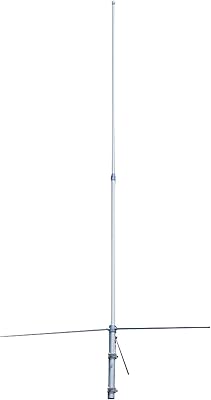
Tram 1477 Dual-Band VHF/UHF Base Antenna
79%
91%
Ease of Setup
78%
RF Performance
83%
Build Quality
86%
Value for Money
67%
Connector Quality
More
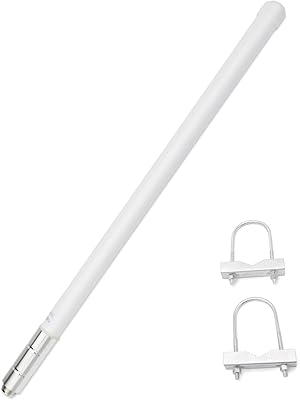
Tram 1480 Dual-Band Fiberglass Base Antenna
76%
88%
Signal Performance
83%
Build Quality
86%
Weather Resistance
91%
Ease of Installation
89%
Connector Compatibility
More
UAYESOK Dual Band Fiberglass Radio Antenna 17-inch SO239 Connector
88%
89%
Signal Performance
93%
Durability & Weather Resistance
88%
Ease of Installation
90%
Build Quality
85%
Portability
More
HYS TC-YG08UV Dual-Band Yagi Antenna
70%
83%
Signal Gain Performance
76%
Build Quality
81%
Weather Resistance
84%
Ease of Assembly
61%
Aiming & Directional Usability
More
Linksys EA2700 Dual-Band Router
82%
84%
Wireless Performance
78%
Signal Coverage
88%
Setup & Installation
90%
Wired Connectivity
81%
Reliability
More
AnyTone AT-5888UV Dual Band Mobile Radio
69%
83%
RF Performance
78%
Build Quality
86%
Value for Money
81%
Cross-Band Repeat
74%
Display & Interface
More
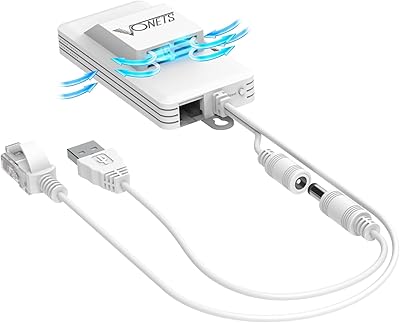
Vonets VAP11AC AC1200 Dual Band WiFi Bridge
65%
74%
WiFi-to-Ethernet Bridging Performance
71%
Dual-Band Radio Coverage
78%
Thermal Management & Reliability
44%
Setup & Configuration Experience
81%
Operating Mode Versatility
More
Stratux Dual Band ADS-B Aviation Receiver
80%
88%
Signal Reception
91%
Value for Money
63%
Ease of Setup
89%
App Compatibility
71%
AHRS Performance
More
UAYESOK UA-CB6200 20ft CB Base Station Antenna
74%
83%
Signal Performance
78%
SWR & Tuning
74%
Build Quality
86%
Ease of Installation
81%
Weather Resilience
More

FAQ

The antenna has an SO-239 (UHF female) jack at the base, which accepts a standard PL-259 plug — the same connector found on most ham radio coax assemblies. If your feedline already terminates in a PL-259, you can connect it directly. If you are running a different connector type such as N or BNC, just pick up a short adapter before installation day.

No tuner is needed. The X30A is a 50-ohm antenna, and virtually every VHF/UHF transceiver sold for amateur use also runs 50-ohm output. As long as your coax and connectors are in good shape, you should see a clean SWR match on both bands straight out of the box.

Generally, higher is better for a VHF/UHF vertical — every bit of additional height helps clear obstructions and extends your radio horizon. For a home base station, rooftop or upper-floor window mounting makes a noticeable difference compared to ground level. For a repeater site, the goal is unobstructed line of sight in as many directions as possible.

Yes, the sealed fiberglass construction handles rain, snow, ice, and freeze-thaw cycles well. Owners in northern climates and coastal environments consistently report multi-year outdoor service without visible degradation. The white fiberglass finish also helps resist heat buildup in hot summer conditions.

Absolutely — this dual-band base antenna is a passive omnidirectional vertical, so it works equally well for voice, digital, APRS, or any other mode on 144 MHz or 430 MHz. The antenna itself has no preference for modulation type.

Both are well-regarded mid-range dual-band base antennas from established Japanese manufacturers, and real-world performance between them is genuinely close. Some operators prefer the Comet for slightly different gain characteristics, while others favor the X30A for build quality or brand familiarity. Either is a solid choice — the decision often comes down to price at the time of purchase and personal brand preference.

The included U-bolt clamp accommodates standard mast diameters typically ranging from about 1 inch to 2 inches. If your mast or mounting pipe falls outside that range, standard aftermarket U-bolt hardware from a hardware store is an easy and inexpensive fix.

You can, and some operators do exactly that when outdoor mounting is not an option. Performance will be reduced compared to an outdoor installation because building materials absorb and scatter VHF/UHF signals, but an attic-mounted antenna of this quality still outperforms a handheld rubber-duck by a significant margin.

Yes, that is precisely what it is designed for. A single feedline from your dual-band transceiver connects to the antenna, and it handles both bands without any switching or additional hardware required. Most common dual-band ham radios are fully compatible.

For most operators, the physical install takes under an hour. You will need basic tools — typically a wrench or adjustable spanner for the mounting hardware and a ladder if you are mounting on a rooftop. Connecting the coax is just a matter of threading on the PL-259 plug. The trickiest part for most people is routing the feedline neatly, not the antenna itself.