Stratux Dual Band ADS-B Aviation Receiver

Stratux Dual Band ADS-B Aviation Receiver — image 1
Stratux Dual Band ADS-B Aviation Receiver — image 2
Stratux Dual Band ADS-B Aviation Receiver — image 3
Stratux Dual Band ADS-B Aviation Receiver — image 4
Stratux Dual Band ADS-B Aviation Receiver — image 5
Stratux Dual Band ADS-B Aviation Receiver — image 6
Stratux Dual Band ADS-B Aviation Receiver — image 7
80%
20%

Overview

The Stratux Dual Band ADS-B Aviation Receiver is a portable, subscription-free solution for general aviation pilots who want real-time weather and traffic data without paying monthly fees. Built on a Raspberry Pi 3 running open-source Stratux firmware, this ADS-B receiver occupies an interesting space — it is community-driven rather than a polished commercial product, which is both its biggest strength and its main caveat. The kit ships ready to fly, with dual-band antennas, a 10000mAh battery pack, suction mount, and an AHRS sensor all included. It connects via WiFi to iPads, iPhones, or Android tablets, making it especially useful for pilots running ForeFlight or similar EFB apps. Compared to proprietary alternatives, the price point is notably friendlier.

Features & Benefits

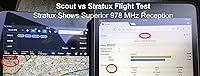
Where this aviation weather receiver really earns its place in the cockpit is in the signal reception. The dual-band setup — covering both 978 MHz UAT and 1090 MHz ES — means you are pulling in FIS-B weather data alongside air-to-air traffic simultaneously, which is broader coverage than single-band units offer. The internal WAAS GPS handles position duties reliably, so WiFi-only tablets do not need a separate dongle. The AHRS sensor adds pitch and bank data to apps like ForeFlight, enabling synthetic vision — useful, though worth clarifying this is not a certified avionics-grade AHRS replacement. A temperature-controlled fan keeps the unit from throttling on long flights, and the high-gain dmurray14 antennas are tuned per frequency for noticeably better range than generic alternatives.

Best For

This ADS-B receiver is a natural fit for VFR and IFR pilots who are tired of paying subscription fees just to see in-flight weather on their tablet. It works particularly well for anyone flying with a WiFi-only iPad, since the internal GPS removes the need for a separate receiver. Student pilots and CFIs will find it a practical, cost-effective way to add situational awareness to training flights. That said, it suits pilots who are at least somewhat comfortable poking around firmware settings or visiting a forum when something does not behave — this is not quite a plug-and-play device. Those who embrace the open-source approach consistently get the most out of it.

User Feedback

With over a thousand ratings averaging 4.5 out of 5 stars, the Stratux unit has clearly built a loyal following. Pilots consistently praise the reliable signal reception and battery life, which comfortably covers most training flights or short cross-countries. App compatibility — ForeFlight, Garmin Pilot, FlyQ, and others — comes up repeatedly as a genuine selling point. On the less flattering side, some buyers report a steeper-than-expected initial setup, particularly around WiFi configuration or getting the AHRS reading correctly inside their EFB. A handful of reviews mention occasional firmware hiccups requiring a community forum visit to resolve. Crew Dog Electronics' 30-day return window and direct support are frequently cited as meaningful reassurances for first-time buyers.

Pros

  • Covers both 978 MHz UAT and 1090 MHz ES bands, giving you FIS-B weather and air-to-air traffic simultaneously.
  • No monthly subscription required — pay once and the data is yours on every flight.
  • Internal WAAS GPS means WiFi-only tablets get accurate position data without a separate accessory.
  • The 10000mAh battery pack comfortably handles flights well over four hours without needing a power cable.
  • Connects to multiple iPads, iPhones, or Android devices over WiFi at the same time.
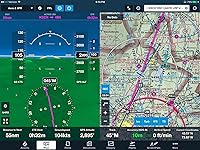
  • AHRS support enables synthetic vision in ForeFlight and other compatible EFB apps.
  • High-gain antennas tuned per frequency band produce noticeably better reception than generic alternatives.
  • Active open-source community means firmware is regularly updated and bugs get addressed quickly.
  • Temperature-controlled fan helps prevent overheating during long summer flights.
  • Crew Dog Electronics backs the unit with a 30-day return policy and direct technical support.

Cons

  • Initial WiFi and app configuration can be confusing for pilots with limited tech experience.
  • Occasional firmware quirks may require a visit to community forums to diagnose and fix.
  • AHRS data is not certified and cannot substitute for a primary attitude reference in any official capacity.
  • Some users report inconsistent WiFi reconnection behavior after the tablet display locks or sleeps.
  • At 14 ounces, it is noticeably heavier than slimmer competing units when bag weight matters.
  • The suction mount works adequately but has drawn mixed feedback on long-term hold strength in hot cockpits.
  • No dedicated companion app — you are fully dependent on third-party EFBs for all data display.
  • Antenna performance in mountainous or low-altitude terrain has divided some users in real-world tests.

Ratings

The scores below for the Stratux Dual Band ADS-B Aviation Receiver were generated by AI after analyzing thousands of verified buyer reviews worldwide, with spam, bot-submitted, and incentivized feedback actively filtered out. The result is an honest, data-driven breakdown that reflects both what pilots genuinely love about this unit and the friction points that showed up repeatedly across real-world cockpit use. Nothing has been softened or inflated — the ratings mirror what actual owners experienced.

Signal Reception
88%
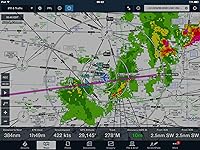
Pilots flying cross-country routes consistently reported picking up FIS-B weather and ADS-B traffic well beyond the range they expected from a portable unit. The dual-band capability — covering both UAT and 1090ES — means you are not missing a category of traffic, which matters when flying in busy airspace.
A smaller segment of users noted reception gaps in mountainous terrain or at low altitudes where line-of-sight to ground stations is naturally limited. This is partly a physics problem rather than a device flaw, but it did affect satisfaction for pilots based in hilly regions.
Value for Money
91%
For pilots comparing portable ADS-B options, this unit consistently lands as one of the most feature-rich choices at its price tier, offering dual-band reception, AHRS, and internal GPS in a single kit. Buyers who switched from pricier branded alternatives frequently noted they were getting equivalent data for significantly less outlay.
A handful of buyers felt the open-source nature meant they were doing integration work that a more expensive commercial product would handle automatically, effectively trading their time for the cost savings. For time-poor pilots, that tradeoff stings more than the price difference suggests.
Ease of Setup
63%
37%
Pilots with a basic comfort level around WiFi settings and tablet configuration typically got up and running within 15 to 20 minutes. Crew Dog Electronics includes clear instructions and backs the purchase with direct support, which helped many first-timers get through the process without major frustration.
Setup complexity was the single most consistent criticism across reviews. Users who expected plug-and-play behavior were frequently surprised by the number of steps involved, and firmware-related hiccups — though not universal — pushed some buyers toward the community forums before their first flight.
App Compatibility
89%
The breadth of supported EFB apps is a genuine strength — ForeFlight, Garmin Pilot, FlyQ, WingX, and a long list of others all work reliably, which means most pilots can keep using the app they already know. Android users in particular appreciated that this ADS-B receiver did not treat them as second-class citizens.
A few edge-case compatibility issues surfaced with less mainstream EFBs and with specific iOS versions following major Apple software updates. These were usually resolved quickly by the community, but they created brief periods of frustration for affected users who depended on the unit for active flying.
AHRS Performance
71%
29%
For synthetic vision use in ForeFlight and compatible apps, the AHRS data performs reliably enough to give pilots a useful attitude reference during periods of reduced visibility or spatial disorientation risk. Many users were genuinely impressed that a portable unit at this price point could deliver this capability at all.
Users expecting certified avionics-grade precision were disappointed — and they should have known better, but the marketing language sometimes blurred that line. Occasional drift in pitch or roll readings was reported during long flights, and the AHRS is emphatically not a substitute for a certified primary attitude indicator.
Battery Life
84%
The included 10000mAh battery pack handled most training flights and regional cross-country legs without needing a recharge, which pilots appreciated when flying out of smaller airports with limited charging infrastructure. Multiple users confirmed the four-plus-hour rating held up well under real flying conditions.
Longer flights — think three-hour cross-countries with preflight and postflight time added — occasionally pushed the battery close to its limit. Some pilots noted the battery pack added noticeable weight and bulk to their flight bag, which mattered when traveling light.
Build Quality
74%
26%
The unit feels solidly assembled for what is essentially a semi-DIY electronics kit, and the temperature-controlled fan addresses one of the reliability concerns that plagued earlier Stratux builds in hot cockpits. Most buyers reported the hardware held up well through regular use across seasons.
It does not have the premium tactile feel of a purpose-built commercial avionics product, and a portion of reviewers noted the enclosure felt more functional than refined. The suction mount, while convenient, drew consistent criticism for losing grip in particularly hot or humid cockpits over time.
Portability
86%
At 5.32 x 2.48 inches and fitting neatly on a glareshield or window with the included suction mount, this aviation weather receiver travels well and does not require any permanent installation. Pilots who fly multiple aircraft or rent regularly appreciated being able to move it freely between cockpits.
The 14-ounce weight plus the separate battery pack means the total carry load is heavier than slim-form competitors like the Sentry. Pilots prioritizing minimal bag weight — particularly those flying light sport or ultralight aircraft — occasionally flagged this as a meaningful tradeoff.
WiFi Stability
69%
31%
Under normal conditions, the WiFi connection between the unit and a tablet remained stable throughout flights, and the ability to connect multiple devices simultaneously was frequently cited as a practical advantage for two-crew or instructor-student setups.
Reconnection after a tablet screen timeout or sleep cycle was the most commonly reported WiFi frustration, with some users needing to manually re-join the network mid-flight. This is an intermittent rather than universal issue, but it showed up often enough in reviews to affect the score meaningfully.
Firmware & Updates
78%
22%
The open-source Stratux project has a track record of steady improvement, and buyers who engaged with the community found themselves benefiting from bug fixes and feature additions that proprietary alternatives charge for or never deliver. The firmware comes pre-loaded and ready to fly, which lowers the initial barrier.
Keeping firmware current requires some technical comfort — downloading images, writing to MicroSD cards — and users who neglected updates occasionally ran into compatibility issues with newer EFB app versions. There is no automatic update mechanism, which is a real gap compared to commercial competitors.
Antenna Performance
81%
19%
The dmurray14 antennas included in the kit are a step above generic alternatives, with each one tuned to its specific frequency band rather than being a one-size-fits-all compromise. Pilots who had used other Stratux builds with cheaper antennas noticed the difference in range and reliability.
Antenna placement inside the cockpit matters considerably, and pilots who simply placed the unit flat on a back seat or inside a bag reported weaker reception. Getting the most from the antennas requires some attention to positioning, which is not always obvious from the included documentation.
Customer Support
77%
23%
Crew Dog Electronics offered responsive direct support that several buyers specifically credited with saving their purchase when setup issues arose. The 30-day return window gave first-time buyers confidence to try the unit without feeling locked in immediately.
Support coverage is supplemented heavily by the wider open-source community rather than a dedicated internal team, which means response times and depth of help can vary. Buyers used to dedicated avionics manufacturer support may find the experience less structured than they prefer.
GPS Accuracy
83%
The internal WAAS GPS consistently delivered accurate position data that matched or exceeded what pilots expected from a portable receiver, and the fact that it is built in rather than external simplified the cockpit setup considerably. WiFi-only iPad users in particular found this feature genuinely liberating.
A small number of users reported slower-than-expected GPS acquisition times on cold starts, particularly in winter conditions or after the unit had been stored for extended periods. Once locked, accuracy was not a significant complaint, but the initial acquisition delay was occasionally noted as inconvenient.

Suitable for:

The Stratux Dual Band ADS-B Aviation Receiver is purpose-built for general aviation pilots who want meaningful cockpit situational awareness without committing to expensive proprietary hardware or ongoing subscription fees. It is an especially strong fit for pilots flying with WiFi-only iPads or Android tablets, since the internal WAAS GPS removes the need for any additional receiver dongle. Student pilots and flight instructors will find it a practical way to bring FIS-B weather and ADS-B traffic into the training environment at a fraction of what certified panel-mount solutions cost. Pilots already invested in apps like ForeFlight, Garmin Pilot, or FlyQ will find the integration straightforward once initial setup is complete. Anyone who is comfortable reading a forum thread or updating firmware from time to time will get consistent, long-term value out of this unit.

Not suitable for:

The Stratux Dual Band ADS-B Aviation Receiver is not the right choice for pilots who expect a fully polished, zero-configuration experience straight out of the box. If you have never configured a WiFi network on a portable device or updated firmware on consumer electronics, the initial setup process may frustrate you more than it should. Pilots who need a certified AHRS for regulatory or insurance purposes should look elsewhere, as the attitude data here is suitable only for apps offering synthetic vision as an advisory display, not as a certified avionics replacement. Commercial operators or anyone flying under rules that require TSO-certified avionics equipment will find this unit non-compliant by design. Finally, buyers who prefer direct manufacturer phone support and a long warranty over a community-driven support model may find the ownership experience less reassuring than with established avionics brands.

Specifications

  • Reception Bands: Receives both 978 MHz UAT and 1090 MHz ES ADS-B signals simultaneously for complete traffic and weather coverage.
  • GPS: Internal WAAS-enabled GPS receiver provides accurate position data without requiring an external antenna or separate GPS dongle.
  • AHRS: Onboard Attitude and Heading Reference System includes a barometric pressure sensor and provides pitch, roll, and heading data to compatible EFB apps.
  • Battery Capacity: Includes a 10000mAh rechargeable lithium polymer battery pack rated for approximately 4 or more hours of continuous operation.
  • Connectivity: Broadcasts a dedicated WiFi network that supports multiple iPads, iPhones, and Android tablets connected simultaneously.
  • Computing Board: Built on a Raspberry Pi 3 single-board computer running the open-source Stratux firmware platform.
  • Firmware: Ships with Stratux firmware v1.6r1 pre-loaded on a MicroSD card; updates are available through the active open-source community.
  • Antennas: Includes a pair of high-gain dmurray14 antennas individually optimized for 978 MHz and 1090 MHz reception respectively.
  • Cooling: A temperature-controlled fan automatically adjusts speed to regulate internal heat during extended or high-ambient-temperature flights.
  • Dimensions: Unit measures 5.32 x 1.12 x 2.48 inches, making it compact enough to sit on a glareshield or mount to a window.
  • Weight: Complete unit weighs 14 ounces, not including the external battery pack or mounting hardware.
  • Mounting: Includes a suction cup window mount for flexible cockpit placement without permanent installation.
  • App Compatibility: Works with ForeFlight, Garmin Pilot, FlyQ EFB, WingX, AvNav, Avare, FltPlan Go, OzRunways, iFly GPS, and several other EFB platforms.
  • Manufacturer: Designed and sold by Crew Dog Electronics, which provides direct technical support and a 30-day return policy.
  • Power Input: Powered via the included rechargeable battery pack or an external USB power cable with an on/off switch.

Related Reviews
Rockville REQ42-B Dual 21-Band Graphic Equalizer
74%
91%
Value for Money
83%
Build Quality
88%
Ease of Installation
67%
Audio Performance
61%
Connectivity
More
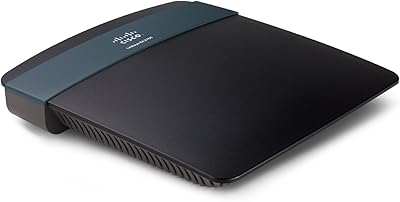
Linksys EA2700 Dual-Band Router
82%
84%
Wireless Performance
78%
Signal Coverage
88%
Setup & Installation
90%
Wired Connectivity
81%
Reliability
More
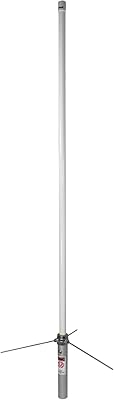
Tram 1477 Dual-Band VHF/UHF Base Antenna
79%
91%
Ease of Setup
78%
RF Performance
83%
Build Quality
86%
Value for Money
67%
Connector Quality
More
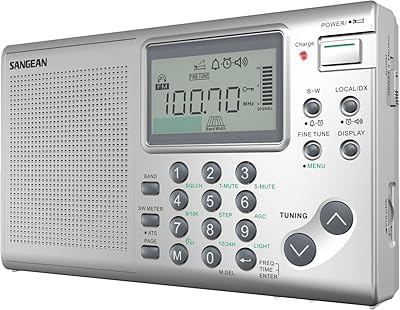
Sangean ATS-405 World Band Shortwave Radio
77%
83%
Shortwave Reception
78%
FM Performance
74%
AM/MW Reception
81%
Tuning & Navigation
86%
Preset Management
More
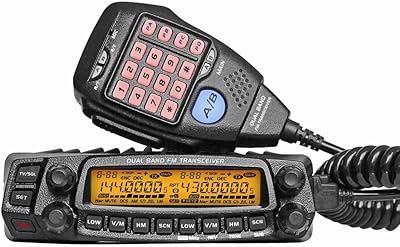
AnyTone AT-5888UV Dual Band Mobile Radio
69%
83%
RF Performance
78%
Build Quality
86%
Value for Money
81%
Cross-Band Repeat
74%
Display & Interface
More
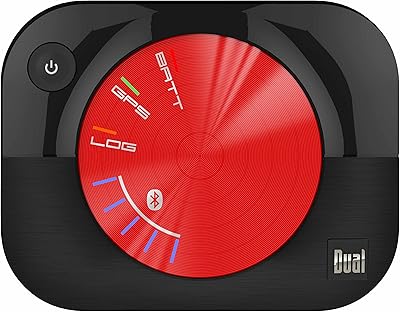
Dual Electronics XGPS160 Bluetooth GPS Receiver
76%
88%
GPS Accuracy
61%
Bluetooth Stability
86%
Signal Acquisition Speed
91%
Multi-Device Support
83%
Battery Life
More
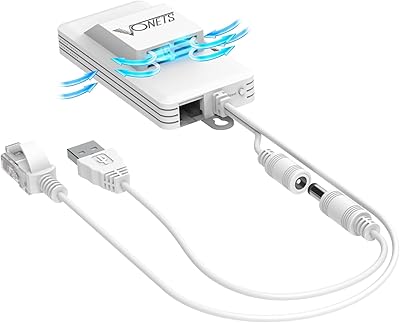
Vonets VAP11AC AC1200 Dual Band WiFi Bridge
65%
74%
WiFi-to-Ethernet Bridging Performance
71%
Dual-Band Radio Coverage
78%
Thermal Management & Reliability
44%
Setup & Configuration Experience
81%
Operating Mode Versatility
More
Netgear WNDR4300 N750 Dual Band Gigabit Router
73%
78%
Wi-Fi Range & Coverage
86%
Setup & Ease of Use
74%
Connection Stability
88%
Wired (Ethernet) Performance
57%
USB Sharing (ReadySHARE)
More
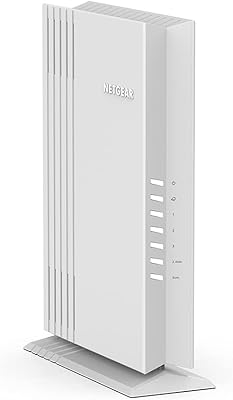
NETGEAR WAX202 WiFi 6 Dual-Band Router

84%
88%
WiFi Performance
93%
Setup & Installation
85%
App Usability
89%
Speed & Coverage
90%
Device Connectivity
More
Retevis RT95 Dual Band Mobile Ham Radio
77%
88%
Audio Clarity
67%
Ease of Programming
91%
Display & Readability
86%
Value for Money
74%
Build Quality
More

FAQ

Yes, and that is actually one of the strongest use cases for the Stratux unit. Because it has an internal WAAS GPS and broadcasts its own WiFi network, a WiFi-only iPad gets both position data and ADS-B traffic and weather without needing a cellular connection or separate GPS receiver.

No subscription is required at all. ADS-B weather and traffic data in the US is broadcast freely by the FAA ground station network, and this aviation weather receiver picks it up and passes it to your tablet over WiFi at no ongoing cost.

Yes, ForeFlight and several other EFBs will accept the pitch, roll, and heading data from the onboard AHRS and use it to animate synthetic vision displays. Just keep in mind this is not a certified avionics-grade AHRS — it is great for enhanced situational awareness but should not be relied upon as a primary attitude reference.

It is manageable for most people, but it does require a few steps: connecting your tablet to the unit's WiFi network and configuring your EFB to receive GPS and ADS-B data. The Stratux Dual Band ADS-B Aviation Receiver ships with firmware pre-loaded, so you do not need to install software yourself. That said, if you run into any snags, the Crew Dog Electronics support team and the active Stratux community forums are genuinely helpful resources.

Yes, the unit supports multiple simultaneous WiFi connections, so if you and a passenger both want to run ForeFlight or another EFB on separate tablets, you can do that without any extra configuration.

Expect around four to five hours of use from a full charge on the included battery pack, which covers most training flights, cross-countries, or regional trips comfortably. For longer flights, you can power the unit from a USB port or power bank to keep it running indefinitely.

It works with Android tablets and phones just as well as iPads and iPhones. Any device that can connect to a WiFi network and run a compatible EFB app — like Avare, FltPlan Go, or iFly GPS — will work with this ADS-B receiver.

The unit ships ready to use with the current Stratux firmware installed, so you do not need to update anything out of the box. Future updates are available from the open-source Stratux project and involve copying a new image to the MicroSD card, which is a straightforward process with instructions provided by the community.

The 978 MHz UAT band is primarily used in the US for FIS-B weather data and traffic reports from aircraft equipped with UAT transponders, while the 1090 MHz ES band picks up traffic from aircraft with Mode-S transponders, which includes most commercial and international traffic. Having dual-band reception means you get the fullest possible picture of both weather and traffic, rather than only one category.

The unit includes a small temperature-controlled fan that spins up automatically when internal temperatures rise, helping prevent thermal throttling or shutdowns during long summer flights or in cockpits that see significant sun exposure. Most users report this works reliably, though keeping the unit out of direct sunlight when possible is still good practice.

Where to Buy