Overview

The Comtrend PG-9182PT Powerline Adapter Kit is a straightforward solution for anyone who needs a reliable wired connection in a room where running actual Ethernet cable simply isn't practical. It works by pushing internet traffic through your home's existing electrical wiring — no drilling, no long cable runs. The kit uses G.hn technology, which is worth understanding before you buy: G.hn is a newer powerline standard that isn't cross-compatible with the more common HomePlug AV2 adapters from brands like TP-Link or Netgear. Comtrend isn't a household name, but the company has deep roots in enterprise networking, which gives this G.hn powerline kit some credibility its low consumer profile might not suggest.
Features & Benefits

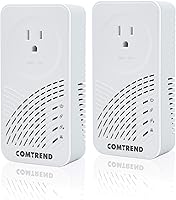
The headline spec is 2000 Mbps, but treat that number as a ceiling, not a promise. Real throughput depends heavily on wiring age and layout — older or noisier circuits will deliver noticeably less. That said, the pass-through outlet is a genuinely useful feature that most powerline adapters skip; you don't sacrifice a wall socket to gain a network port. Each unit has a single Gigabit Ethernet port, which is sufficient for a TV, console, or desktop. The units are also reasonably compact, so they're unlikely to block neighboring outlets. Data between paired units is encrypted with 128-bit AES, and if you expand with additional compatible units, the network can support up to 16 devices.

Best For

This powerline extender makes the most sense for renters or anyone living in a home where drilling through walls for Ethernet simply isn't an option. It's particularly well-suited to Wi-Fi dead zones — basement media rooms, detached garages, or bedrooms at the far end of the house. Anyone streaming 4K content or gaming online on a console will appreciate the stability a wired connection brings compared to a spotty wireless signal. It also works well in home office setups where video calls need consistent bandwidth. One key caveat: if you already own HomePlug AV2 adapters from another brand, G.hn and HomePlug are separate, incompatible standards — they won't pair together.

User Feedback

Buyers who've put the Comtrend adapter through its paces in newer homes with modern wiring tend to report noticeably improved streaming consistency and reduced buffering, particularly on 4K TVs and gaming setups. The plug-and-play setup draws positive comments from less technical users — most get up and running without consulting a manual. The recurring frustration, though, is performance variability in older homes. Buyers with aging electrical systems report speeds nowhere near the theoretical maximum, and some find performance inconsistent even between outlets in the same room. A few reviewers mention the brand's relative obscurity as an initial hesitation, though most conclude the hardware itself holds up. Heat buildup after long sessions has been flagged occasionally, though rarely described as a serious concern.

Pros

  • Uses existing electrical wiring to deliver a stable wired connection — no drilling or cable runs required.
  • The built-in pass-through outlet is a practical touch that most competing adapters leave out.
  • G.hn technology offers a more modern powerline standard with higher theoretical headroom than older HomePlug AV2.
  • Setup is genuinely plug-and-play — most users are up and running in under five minutes with no software needed.
  • The compact form factor rarely blocks neighboring outlets, which is a common annoyance with bulkier adapters.
  • 128-bit AES encryption keeps traffic between units secure without any configuration required.
  • Noticeably reduces buffering on 4K streams and lowers latency for online gaming compared to a weak Wi-Fi signal.
  • Expandable to up to 16 devices within the same G.hn network by adding compatible units.
  • Comtrend's enterprise networking background lends the hardware more credibility than its consumer brand recognition might suggest.

Cons

  • Real-world speeds vary widely depending on home wiring age and quality — older circuits can severely limit throughput.
  • G.hn is not cross-compatible with HomePlug AV2 adapters, locking you into a specific ecosystem.
  • Comtrend has minimal consumer-facing support presence, which can be frustrating if something goes wrong.
  • Performance can be inconsistent between different outlet pairs, even within the same room.
  • Only one Ethernet port per unit, so connecting multiple wired devices at one location requires an extra switch.
  • Some users report heat buildup during extended use, which is worth monitoring in enclosed spaces.
  • The G.hn ecosystem has fewer compatible expansion options available at retail compared to mainstream HomePlug alternatives.
  • Outlets on separate circuit breakers may produce noticeably degraded or unreliable connections.
  • No Wi-Fi access point built in, so it only serves devices you can connect via Ethernet cable.

Ratings

The scores below reflect an AI-driven analysis of verified global user reviews for the Comtrend PG-9182PT Powerline Adapter Kit, with spam, bot-submitted, and incentivized feedback actively filtered out to ensure reliability. This G.hn powerline kit earned genuinely mixed marks across categories — strong where it counts for the right buyer, but with real limitations that surface consistently in honest user accounts. Both the standout strengths and the recurring frustrations are represented transparently in each scorecard.

Real-World Speed
71%
29%
Users in homes with modern electrical wiring — particularly post-2000 construction — report noticeably faster streaming speeds and more consistent latency compared to their previous Wi-Fi setup. Several console gamers specifically noted reduced lag during online multiplayer sessions after switching to this powerline extender.
Buyers in older homes consistently report a wide gap between the theoretical 2000 Mbps ceiling and what they actually experience, with some measuring speeds well under 200 Mbps. Performance variability between outlet pairs in the same house frustrates users who expected more predictable results.
Setup & Ease of Use
88%
The plug-and-play experience is one of the most praised aspects across user reviews — the vast majority of buyers, including self-described non-technical users, report getting a working connection within minutes of unboxing. No app, no account, and no manual were needed in most cases.
A small but vocal group of users ran into pairing failures, particularly when plugging into outlets on different circuit breaker branches without realizing it. Troubleshooting without software diagnostics or indicator light documentation can feel like guesswork for less experienced buyers.
Wiring Compatibility
58%
42%
In well-wired modern homes, the Comtrend adapter communicates reliably between rooms and even between floors when the outlets share a circuit. Buyers in newer apartments and single-family homes built in the last two decades tend to report a smooth experience with minimal dropouts.
Older homes, particularly those with aluminum wiring, mixed-age circuits, or heavily loaded electrical panels, produce unpredictable results that users find difficult to diagnose. Several reviewers note performance so poor in vintage homes that the adapters were ultimately returned.
Pass-Through Outlet
91%
The built-in pass-through outlet earns consistent praise because it solves a practical annoyance that budget powerline adapters routinely ignore — you don't sacrifice a wall socket just to gain a network port. Users plugging these into single-outlet spots behind entertainment centers specifically called this out as a deciding purchase factor.
A handful of users found the pass-through position slightly awkward depending on the outlet's orientation, making it harder to plug in wider plugs or angled adapters alongside the unit. The pass-through also should not be used with surge protectors, which a few buyers discovered the hard way after noticing speed drops.
Connection Stability
74%
26%
For users with favorable wiring conditions, the connection stability is a clear upgrade over Wi-Fi — smart TVs stay connected through long streaming sessions and video calls hold steady without the random dropouts that plague wireless signals in dense neighborhoods. Several remote workers credit this powerline extender with eliminating their mid-call disconnections.
Users on noisier electrical circuits report intermittent drops that can be difficult to reproduce consistently, making them hard to diagnose or report. A subset of buyers note that running high-draw appliances like microwaves or washing machines on nearby circuits introduces temporary instability.
G.hn Ecosystem
62%
38%
For buyers already committed to G.hn hardware, the ability to expand the network with additional compatible units is a genuine advantage, and the standard's technical headroom is meaningfully higher than aging HomePlug AV2. Users building out a G.hn-first home network find these units integrate cleanly.
G.hn's limited mainstream adoption means finding compatible expansion units or replacement hardware requires more research than simply buying another TP-Link adapter. Several buyers were caught off guard by the incompatibility with their existing HomePlug AV2 devices, resulting in returns or having to replace their entire powerline setup.
Build Quality
79%
21%
The housing feels solid for a mid-range networking accessory — users who've handled cheaper powerline adapters note that the Comtrend unit has a more substantial feel in hand, and the outlet prongs seat firmly without wobbling. Long-term buyers report no cracking, discoloration, or structural degradation after a year or more of continuous use.
The all-white finish shows scuff marks and yellowing over time in units exposed to direct light, which a few detail-conscious buyers flagged as a cosmetic nuisance. Some reviewers also wished the unit had a physical pairing button that was easier to locate and press without consulting documentation.
Heat Management
67%
33%
Under typical household usage — streaming, browsing, or occasional gaming — the unit stays warm but not alarming, and most users who run it continuously for months report no heat-related performance issues. The compact housing appears to dissipate heat adequately in open outlet locations with normal airflow.
Buyers who tuck these adapters behind furniture or into enclosed media cabinet spaces report the units getting noticeably hotter, which raises some concern about longevity under those conditions. A handful of reviewers in warmer climates mention the heat as a minor but persistent irritation during summer months.
Brand Trust
66%
34%
Buyers who researched Comtrend's background before purchasing feel reassured by the company's enterprise networking heritage, and a portion of reviewers mention finding the hardware quality more credible after learning the brand supplies carrier-grade equipment. Post-purchase satisfaction tends to be higher among buyers who knew what they were buying into.
Comtrend's low consumer brand recognition is a genuine friction point — many buyers admit hesitating at the point of purchase, and the limited availability of consumer-facing support resources means that when something goes wrong, resolution paths aren't as clear as with TP-Link or Netgear. Some users simply returned the units based on brand unfamiliarity alone.
Value for Money
72%
28%
Buyers who got the performance they expected — particularly those in newer homes who did their wiring homework before purchasing — consistently rate the value positively, noting the pass-through outlet and G.hn standard justify the mid-range price point over cheaper HomePlug options. When it works as expected, users feel the kit delivers solid bang for the spend.
For buyers who hit compatibility or performance issues, the value equation flips quickly — several reviewers felt the price was hard to justify after experiencing speeds no better than a much cheaper HomePlug adapter. The cost of potentially replacing an entire existing powerline ecosystem to be G.hn-compatible is a hidden expense some buyers didn't factor in.
Physical Footprint
83%
The compact form factor consistently earns positive comments from users who've wrestled with bulkier powerline adapters that block neighboring outlets. The dimensions allow the unit to sit flush in most standard outlet configurations, including side-by-side duplex outlets, without monopolizing the entire wall plate.
A small number of users with non-standard or closely spaced outlet configurations note the unit still encroaches slightly on adjacent sockets. The weight of 1.58 pounds per unit is also occasionally mentioned as heavier than expected, causing the adapter to sag slightly in loose or older outlets.
Security
84%
The automatic 128-bit AES encryption between paired units is a reassuring feature for apartment and townhouse dwellers who are aware that powerline signals can theoretically pass through shared building wiring. Users appreciate that security is applied out of the box with zero configuration required on their end.
More security-conscious buyers note the absence of any user-accessible encryption management interface, which makes it difficult to verify or rotate encryption keys if desired. A small number of technically advanced users flagged that the default pairing process, while convenient, offers limited customization for stricter network security environments.
Latency Performance
76%
24%
Online gamers using this powerline extender in well-wired homes report a meaningful reduction in ping variability compared to 5 GHz Wi-Fi, with several buyers citing consistently lower and more stable latency numbers during competitive play. For casual to mid-level gaming, the wired-style consistency is a tangible upgrade.
In homes with electrical interference sources — older appliances, shared circuits, or circuit-breaker bridging — latency spikes can occur unpredictably, undermining the main reason gamers choose a wired-style connection in the first place. Users running latency-sensitive applications in these environments found the performance gap over a good Wi-Fi connection narrower than expected.

Suitable for:

The Comtrend PG-9182PT Powerline Adapter Kit is a strong fit for anyone who needs a stable, wired-quality internet connection in a part of their home where Wi-Fi consistently underperforms and running physical Ethernet cable isn't realistic. Renters top that list — if you can't drill through walls or ceilings, this G.hn powerline kit gives you a genuinely wired connection using infrastructure that's already in the walls. It's also a smart pick for cord-cutters who stream 4K content on a smart TV in a distant room, or for console gamers tired of lag spikes that Wi-Fi introduces during peak hours. Home office workers who rely on video conferencing will appreciate the consistency a wired connection provides over a wireless signal that competes with every other device in the house. If you're already using G.hn-based powerline hardware and want to expand your network, this kit slots in natively without compatibility headaches.
Not suitable for:

The Comtrend PG-9182PT Powerline Adapter Kit is not the right call for buyers who already own HomePlug AV2 adapters from brands like TP-Link or Netgear — G.hn and HomePlug are entirely separate, incompatible standards, and they will not pair with each other. Anyone living in a home with older or heavily shared electrical wiring should also approach with caution, since powerline performance degrades significantly on noisy or aging circuits, and real-world speeds can fall far short of the theoretical maximum. This powerline extender is also a poor choice for anyone who expects consistent gigabit throughput — the 2000 Mbps figure is a ceiling under ideal lab conditions, not a number you'll see in a typical home. Buyers who prioritize brand recognition and established consumer support ecosystems may find Comtrend's lower consumer profile a drawback, even if the underlying hardware is competent. Finally, if your home's electrical layout routes outlets through different circuit breakers, performance between specific outlet pairs may be unpredictable.
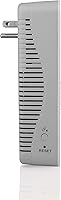
Specifications

  • Technology: Uses the G.hn powerline standard, a newer protocol distinct from and incompatible with the older HomePlug AV2 ecosystem.
  • Max Data Rate: Theoretical maximum throughput is 2000 Mbps, though real-world speeds will vary based on home wiring quality and electrical noise.
  • Ethernet Port: Each unit includes one Gigabit Ethernet port, supporting wired connections at up to 1000 Mbps to a single device.
  • Kit Contents: The kit includes two powerline adapter units, allowing immediate network extension between two locations without purchasing additional hardware.
  • Pass-Through Outlet: Each unit features a built-in pass-through AC outlet so the wall socket remains available for other devices after the adapter is plugged in.
  • Encryption: Traffic between paired units is secured with 128-bit AES encryption, applied automatically without requiring manual configuration.
  • Max Devices: A single G.hn powerline network built with compatible units can support up to 16 connected devices in total.
  • Dimensions: Each adapter unit measures 2.36 x 1.54 x 5.5 inches, a compact profile designed to minimize interference with adjacent outlets.
  • Weight: Each unit weighs 1.58 pounds, reflecting a solid build without being unwieldy in a standard wall outlet.
  • Color: Both units are finished in white, consistent with most home networking hardware for a neutral, unobtrusive appearance.
  • Setup: No software installation or account creation is required; units are designed to pair and operate on a plug-and-play basis.
  • Compatible Devices: Works with any device that accepts a wired Ethernet connection, including desktops, laptops, smart TVs, gaming consoles, smartphones via adapter, and tablets.
  • Data Protocol: Communicates over standard Ethernet, making it compatible with any router or switch that supports the IEEE Ethernet specification.
  • Network Medium: Transmits data through the building's existing AC electrical wiring, eliminating the need to install dedicated network cabling.
  • Brand Background: Comtrend is a networking hardware manufacturer with a background in enterprise and carrier-grade equipment, though it has a limited consumer retail presence.
  • BSR Ranking: Ranked #175 in the Powerline Network Adapters category on Amazon at the time of evaluation, indicating a niche but active market position.
  • First Available: This product was first listed for sale in June 2019, indicating several years of market availability and iterative buyer feedback.
  • ASIN: The Amazon Standard Identification Number for this kit is B07TBJML4R, useful for locating the correct listing when searching for compatible accessories.

Related Reviews
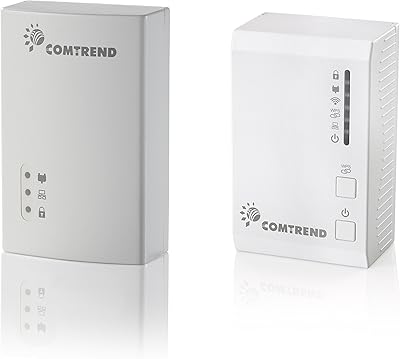
Comtrend PG-9171n PG-9172 Powerline Adapter Kit
71%
88%
Setup & Installation
79%
Connection Stability
67%
Real-World Throughput
76%
Gaming & Low-Latency Performance
62%
Wi-Fi Access Point Quality
More
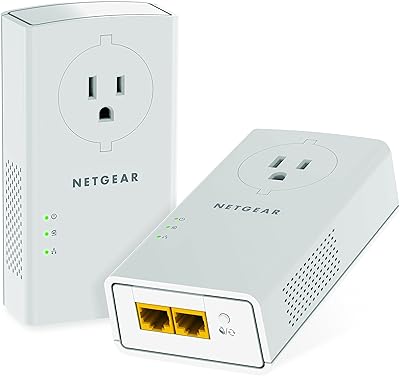
NETGEAR Powerline Adapter Kit PLP2000-100PAS
74%
91%
Ease of Setup
67%
Real-World Speed Performance
78%
Network Reliability & Stability
74%
Build Quality & Durability
88%
Pass-Through Outlet Design
More
Netgear XAVB5001 Powerline Network Adapter Kit
70%
88%
Ease of Setup
51%
Real-World Speed Performance
73%
Connection Stability
58%
Electrical Outlet Compatibility
67%
Value for Money
More
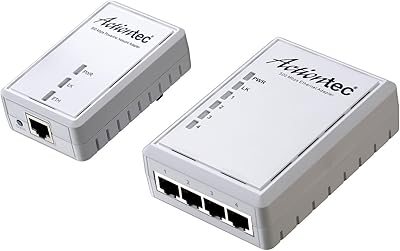
Actiontec PWR514K01 Powerline Network Adapter Kit
73%
91%
Ease of Setup
88%
Multi-Device Connectivity
57%
Real-World Throughput
74%
Connection Stability
69%
Value for Money
More
Zyxel PLA5456 AV2000 Powerline Adapter Kit
74%
91%
Ease of Setup
67%
Real-World Throughput
74%
Network Stability
61%
Hardware Reliability
88%
Port Configuration
More
Netgear XETB1001 Powerline Network Adapter Kit
68%
88%
Ease of Setup
51%
Real-World Speed
67%
Connection Stability
58%
Value for Money
74%
Compatibility
More
NETGEAR XAVB2501 Powerline AV+ 200 Adapter Kit
73%
91%
Ease of Setup
58%
Real-World Speed
72%
Connection Stability
54%
Long-Term Reliability
83%
Compatibility
More
NETGEAR XAVB2101 Powerline Network Adapter Kit
71%
91%
Ease of Setup
61%
Real-World Speed Performance
88%
Physical Design & Form Factor
72%
Network Stability
67%
Value for Money
More
TRENDnet TPL-423E2K Powerline 1300 AV2 Adapter Kit
75%
88%
Ease of Setup
63%
Real-World Data Speed
74%
Connection Stability
91%
Pass-Through Outlet
67%
Build Quality & Durability
More
Actiontec PWR511K01 500Mbps Powerline Network Adapter Kit
67%
88%
Ease of Setup
61%
Real-World Speed Performance
74%
Connection Stability
53%
Build Quality & Durability
67%
Value for Money
More

FAQ

No, unfortunately they won't. The Comtrend PG-9182PT Powerline Adapter Kit uses the G.hn standard, which is a completely separate protocol from the HomePlug AV2 standard that TP-Link, Netgear, and most mainstream consumer adapters use. The two technologies cannot pair with each other, so you'd need a fully G.hn network to expand with these units.

In practice, no. The 2000 Mbps figure is the theoretical maximum under ideal conditions, and real-world throughput is nearly always lower. How much lower depends on your home's electrical wiring — its age, how many devices are drawing power on the same circuit, and whether the two adapters share the same circuit breaker branch. Newer homes with cleaner wiring tend to see significantly better performance than older properties.

Setup is genuinely straightforward. Plug one adapter near your router and connect it with an Ethernet cable, then plug the second adapter in the room where you need internet and connect your device. The units pair automatically in most cases. No software, no app, no account needed.

You can plug another standard device into the pass-through outlet, which is one of the more useful design choices here. That said, it's generally recommended to avoid plugging a power strip or surge protector into the pass-through, as those devices can filter out the signal frequencies that powerline adapters use to communicate, potentially reducing performance.

This is a known limitation of all powerline adapters, not just this one. When the two outlets are on different circuit breaker branches, the signal has to travel through the main electrical panel to bridge the gap, which typically introduces more signal loss and results in reduced speeds or inconsistent connectivity. If you're not sure about your home's wiring layout, it's worth testing before committing.

Yes, you can add more G.hn compatible adapters to the network, up to a maximum of 16 devices on a single G.hn powerline network. Just make sure any units you add are also G.hn standard — mixing in HomePlug AV2 units from other brands won't work.

The connection between paired units is encrypted with 128-bit AES encryption, which is applied automatically without any setup on your part. In theory, powerline signals can travel beyond your home through shared electrical infrastructure in apartments or townhouses, but the encryption means anyone intercepting that signal still can't access your data or your network.

Some warmth during extended operation is normal for powerline adapters since they're doing active signal processing. A warm unit is generally fine; a unit that's hot to the touch or causes the outlet area to smell unusual would be a concern worth looking into. If you're running these 24 hours a day, make sure they have some airflow around them and aren't boxed in behind furniture.

Comtrend doesn't have the consumer name recognition of a TP-Link or Netgear, but the company has a longer history in enterprise and carrier networking equipment, which is actually where more demanding performance standards apply. For home use, the hardware is generally considered solid, and the G.hn powerline extender has accumulated enough buyer history to give a reasonable picture of real-world reliability.

It can work in apartments, but there are two things to keep in mind. First, performance depends on how the building's wiring is laid out — if your apartment's circuits are well-isolated from neighboring units, you'll likely be fine. Second, the 128-bit AES encryption protects your data even if the powerline signal does reach shared wiring. That said, some apartment buildings have electrical configurations that simply don't play well with powerline adapters, so results can vary.