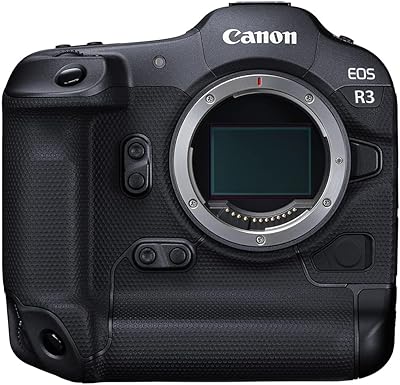
Canon PowerShot SX740 HS Point-and-Shoot Camera

Overview
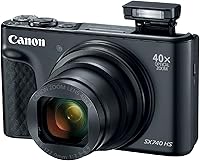
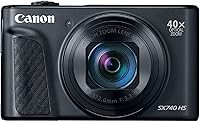
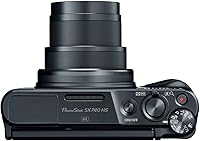
The Canon PowerShot SX740 HS Point-and-Shoot Camera occupies a genuinely useful middle ground — compact enough to slip into a jacket pocket, yet capable enough to make dedicated camera users take notice. Canon has long earned trust for producing cameras with natural color rendering and reliable build quality, and the SX740 HS continues that tradition. Priced in the mid-to-premium compact range, it competes directly against Sony and Panasonic superzooms and holds its own on paper. That said, be clear about what it is: a sophisticated point-and-shoot, not a mirrorless system replacement. If you accept that framing, it becomes a genuinely compelling travel option.
Features & Benefits
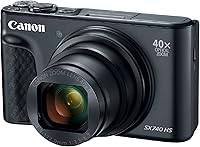
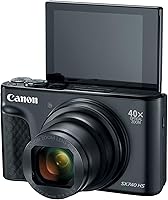
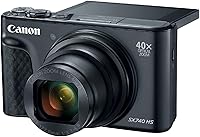
The 40x optical zoom reach is the SX740 HS's headline act — at the long end, you can fill the frame with a bird on a distant branch or read a scoreboard from the bleachers, all without a lens change. Powering that reach is a 20.3MP sensor paired with Canon's DIGIC 8 processor, which genuinely improves autofocus speed and noise handling over older compact generations. The 4K video capability is a welcome addition, though treat it as a handy bonus rather than a cinematic tool — bitrate and dynamic range won't rival dedicated video cameras. The tilting touchscreen makes awkward angles far less awkward, and optical image stabilization does meaningful work when you're zoomed in and shooting handheld.
Best For
This compact superzoom is a natural fit for travelers who refuse to check a camera bag but still want shots that a phone simply can't capture — distant architecture, wildlife on a game drive, performers on a stage. It also works well as a first real camera for someone graduating from smartphone photography, since automatic modes are intuitive and the learning curve is gentle. Birders will particularly appreciate the reach-to-weight ratio. Content creators shooting casual travel vlogs will find the 4K mode and Wi-Fi transfer convenient. One group that might want to look elsewhere: anyone shooting frequently indoors or at dusk, where the small sensor will show its limits.
User Feedback
Across roughly 196 ratings, the SX740 HS holds a 4.2-star average — a score that reflects genuine enthusiasm tempered by honest frustration. Buyers who use it for safaris, air shows, and stadium events consistently praise the zoom range, noting it outperforms what you'd expect from a camera this size, and Canon's color rendering draws frequent compliments. The criticisms are real, though. Low-light performance is a recurring disappointment — noise creeps in well before you'd hit the ISO ceiling on a larger-sensor camera. Battery life gets called out regularly, especially on longer shooting days; carrying a spare is less a tip and more a necessity. A few users also find the touchscreen laggy when navigating menus under pressure.
Pros
- The 40x optical zoom lets you photograph distant birds, wildlife, or stage performers with detail that no smartphone can match.
- Pocketable size means you will actually carry it — no bag required, no excuses to leave it at the hotel.
- Canon color science produces warm, natural-looking images straight out of the camera with minimal editing needed.
- The tilting touchscreen makes overhead crowd shots and low-angle compositions genuinely easy to frame.
- Optical image stabilization delivers noticeably sharper results when shooting handheld at longer zoom distances.
- 4K video recording is a practical bonus for travel vloggers who want more than 1080p without buying a second device.
- Built-in Wi-Fi makes sharing photos to a phone fast and painless, no cables or memory card readers needed.
- At roughly 300 grams, the SX740 HS is light enough to wear around your neck all day without fatigue.
- The DIGIC 8 processor keeps autofocus responsive and shot-to-shot speeds snappy for a camera this size.
- Intuitive automatic modes lower the barrier for beginners while still offering manual control for those who want it.
Cons
- Low-light and indoor image quality degrades quickly, with noticeable noise appearing at moderate ISO levels.
- Battery life is short enough that a full day of active shooting almost always requires a spare battery.
- Maximum zoom images can look soft and lose fine detail, especially in anything less than bright daylight.
- The touchscreen can feel sluggish when navigating menus quickly, frustrating users who want responsive controls.
- No weather sealing means a sudden rain shower or dusty trail puts the camera at real risk.
- Video dynamic range is limited — highlights blow out and shadows crush faster than on larger-sensor alternatives.
- The small grip offers modest ergonomics; users with larger hands may find extended shooting sessions tiring.
- No raw file support in all shooting modes limits post-processing flexibility for more demanding photographers.
- Continuous autofocus during video recording is not on par with current mirrorless standards, producing occasional hunting.
- At this price tier, competing models from Sony offer slightly stronger low-light performance worth comparing before buying.
Ratings
Our AI rating system analyzed verified global buyer reviews for the Canon PowerShot SX740 HS Point-and-Shoot Camera, actively filtering out incentivized, duplicate, and bot-generated feedback to surface what real owners genuinely experience. The scores below reflect an honest cross-section of both the camera's standout strengths and its documented frustrations — nothing is smoothed over. Whether you are a first-time buyer or comparing it against competing superzooms, these ratings are designed to give you a clear, unvarnished picture.
Zoom Range
Image Quality
Low-Light Performance
Battery Life
Portability
Video Quality
Autofocus Speed
Touchscreen & Controls
Optical Stabilization
Wi-Fi & Connectivity
Build Quality
Value for Money
Ease of Use
Selfie & Vlog Usability
Suitable for:
The Canon PowerShot SX740 HS Point-and-Shoot Camera is an excellent match for travelers who want genuine photographic reach without hauling a bag full of lenses — think safari trips, national park visits, or city breaks where you want one camera that handles everything from wide street scenes to distant landmarks. Birders and wildlife watchers will appreciate how much zoom this little body delivers without straining a shoulder or a budget. It also makes a smart stepping stone for smartphone photographers who feel creatively boxed in but are not yet ready to commit to a full interchangeable-lens system and all the gear that follows. Casual vloggers and social media creators will find the 4K mode and built-in Wi-Fi genuinely practical for quick content capture and transfer. Event photographers looking for a discreet, pocketable backup at weddings or graduations will also get solid mileage out of this compact superzoom.
Not suitable for:
The Canon PowerShot SX740 HS Point-and-Shoot Camera is not the right tool for anyone who shoots frequently in low-light environments — indoor venues, evening receptions, or dimly lit street photography will push the small sensor to its limits, producing noisy images that a larger-sensor camera would handle cleanly. Serious videographers should also look elsewhere; the 4K mode is a convenient feature, not a professional video tool, and dynamic range and recording flexibility are limited compared to even entry-level mirrorless options. Action and sports photographers who need fast, reliable subject tracking will find the 9-point contrast-detection autofocus system lags behind what modern mirrorless bodies offer. Anyone planning extended full-day shoots should know upfront that battery life is a genuine weakness — without a spare, you risk running out of power mid-session. Finally, buyers expecting weather sealing or rugged durability for hiking in wet or dusty conditions will need to look at a different class of camera entirely.
Specifications
- Sensor: The camera uses a 20.3-megapixel 1/2.3-inch CMOS sensor, a common size in the compact superzoom category that balances resolution with the camera's pocket-friendly dimensions.
- Processor: Canon's DIGIC 8 image processor handles noise reduction, autofocus calculations, and color rendering, offering a meaningful step up in speed and image quality over the previous DIGIC 7 generation.
- Optical Zoom: The built-in lens covers a 24–960mm equivalent focal range, giving you a wide-angle starting point and enough telephoto reach to isolate distant subjects without moving closer.
- Digital Zoom: An additional 4x digital zoom extends reach further, though at the cost of image resolution and sharpness beyond the optical limit.
- Image Stabilization: Optical image stabilization is built into the lens system, actively compensating for camera shake — particularly useful when shooting handheld at longer zoom lengths.
- Video Resolution: The camera records 4K (2160p) video, as well as Full HD 1080p, giving users flexibility depending on storage capacity and intended use.
- Display: A 3-inch capacitive touchscreen LCD tilts up to 180 degrees, making it practical for selfies, vlogging, and low-angle shooting without crouching awkwardly.
- Autofocus: The 9-point contrast-detection autofocus system covers the frame adequately for static and moderately moving subjects in good light, though it can hunt in low-contrast or dim conditions.
- Continuous Shooting: The camera can fire at up to 7.4 frames per second in continuous shooting mode, useful for capturing action sequences or burst-shooting candid moments.
- ISO Range: Sensitivity runs from ISO 100 to ISO 6400, with the practical sweet spot for clean images sitting at ISO 800 or below given the small sensor size.
- Aperture Range: The lens aperture ranges from f/3.3 at the wide end to f/6.9 at maximum zoom, meaning light-gathering ability decreases noticeably when fully extended.
- Shutter Speed: Shutter speeds range from 15 seconds down to 1/3200 of a second, covering everything from long-exposure night shots to freezing fast-moving subjects in bright conditions.
- Connectivity: The camera includes built-in Wi-Fi for smartphone pairing and wireless image transfer, plus a micro-HDMI output and a single USB port for wired connections.
- Battery: A rechargeable lithium-ion battery pack is included; battery life is modest by camera standards, and carrying at least one spare is strongly recommended for full-day use.
- Weight: The body weighs approximately 300 grams with battery and memory card, making it one of the lighter superzoom compacts in its class.
- File Formats: Still images are saved as JPEG files with selectable quality levels; the camera does not offer RAW capture in standard shooting modes.
- Flash: A built-in automatic flash is integrated into the top of the body, with manual on/off override available through the settings menu.
- Water Resistance: The SX740 HS has no weather sealing or water resistance rating, so it should be kept dry and protected from dust during outdoor use.
- Memory Card: The camera accepts SD, SDHC, and SDXC memory cards with a write speed class of C10 recommended for smooth 4K video recording.
- Warranty: Canon provides a standard limited manufacturer warranty covering defects in materials and workmanship under normal use conditions.
Related Reviews
Canon PowerShot SX70 HS Digital Camera
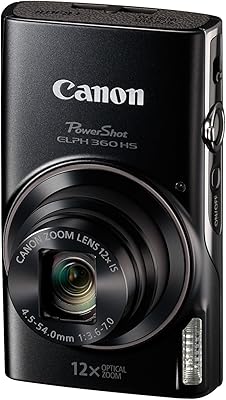
Canon PowerShot ELPH 360 Digital Camera
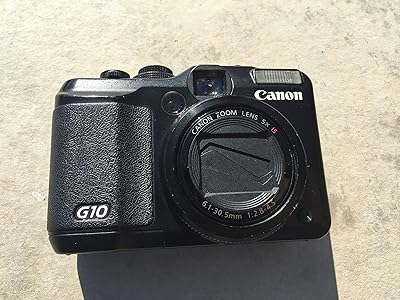
Canon PowerShot G10 Point-and-Shoot Camera
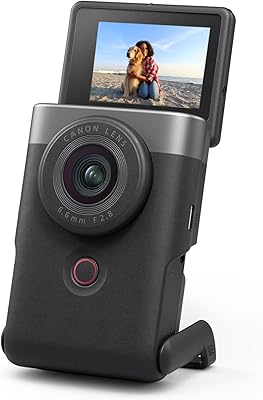
Canon PowerShot V10 Vlogging Camera
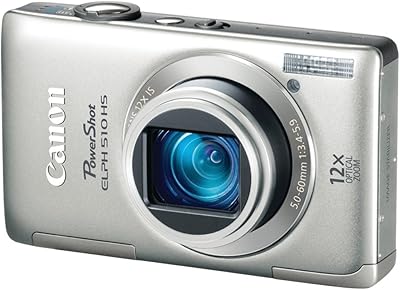
Canon PowerShot ELPH 510 HS Digital Camera
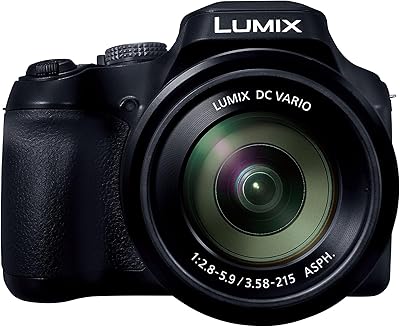
Panasonic LUMIX FZ80D
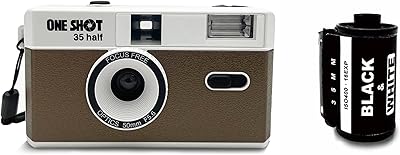
1 Shot VF208H Half Frame 35mm Film Camera
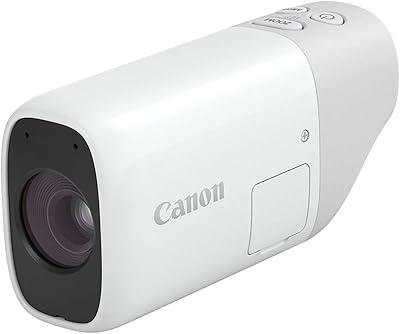
Canon PowerShot Zoom Compact Telephoto Monocular
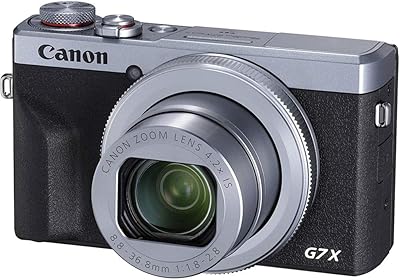
Canon PowerShot G7 X Mark III